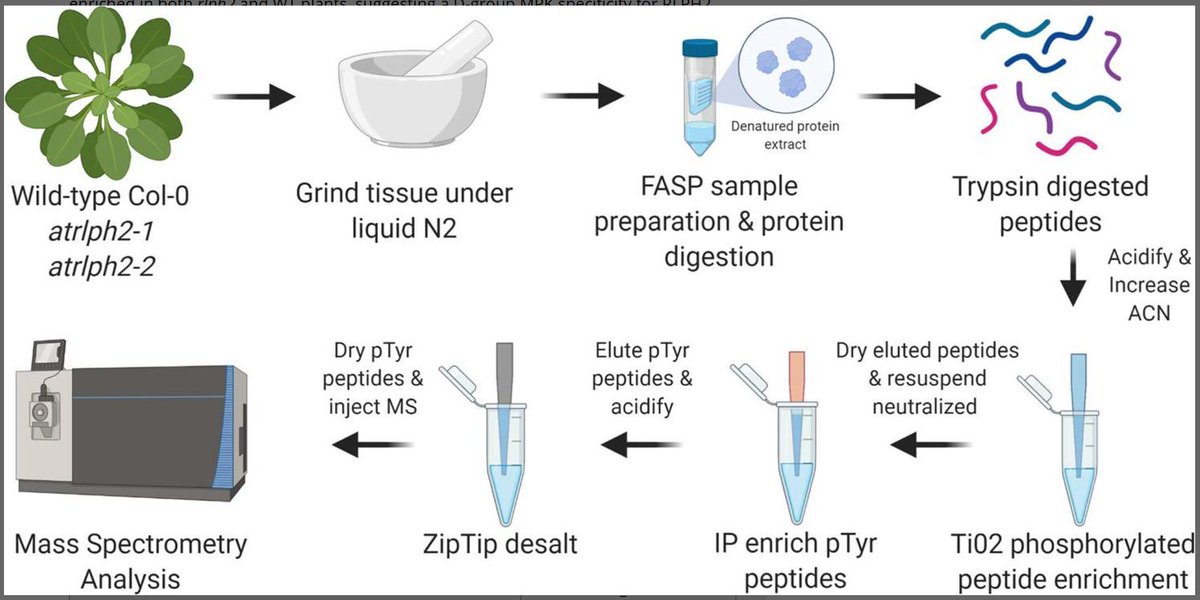
Happy to share our new preprint on the identification and characterization of the Arabidopsis tyrosine phosphatase RLPH2 substrates and its role in seed dormancy. Very thankful for the work of everyone involved in this nice story. @GregMoorheadLab@ryanbtoth@LabUhrig @IBPS_Paris
Phospho-Proteomics Identifies D-Group MAP Kinases as Substrates of the Arabidopsis Tyrosine Phosphatase RLPH2 (Anne-Marie Labandera, Ryan Toth, Sierra Mitchell, et al) https://t.co/n5zzrzCogT @annelab27@GregMoorheadLab@ASPB @Wileyplantsci @SEBiology#PlantSci
It is very important for me to thank the mentors I had throughout my career, for all their support, which allowed me to be where I am today. And thanks to the students I was lucky to supervise over the years, and colleagues, family and friends for all the advice and support.
I am happy to share that I have started my dream job as a Permanent Researcher (Chargée de Recherche) at the National Institute for Agriculture, Food and Environment (INRAE - Val de Loire - Orléans, BioForA unit)
Here, I will develop a research program aiming to investigate the molecular mechanisms involved in xylogenesis (wood formation) and the impact climate change has in this process.
A team of PIs, including @jennyrussinova@KrisGevaert_VIB@IveDeSmet1978 , are looking for an enthusiastic PostDoc to develop and implement single cell proteomics technologies in the context of stomatal development and dynamics in plants: https://t.co/NcBLrpclDt
PDF Opportunity in Plant Proteomics.
Come join the Uhrig Lab @LabUhrig on this really exciting project!!!
Check out the details below.
https://t.co/hWXpgElXlg
Starting the XVII Meeting of Plant Molecular Biology with a great keynote speaker. Former supervisor @DJ_Gibbs tells us about he N-degron pathway in development and O2 sensing #XVIIRBMP
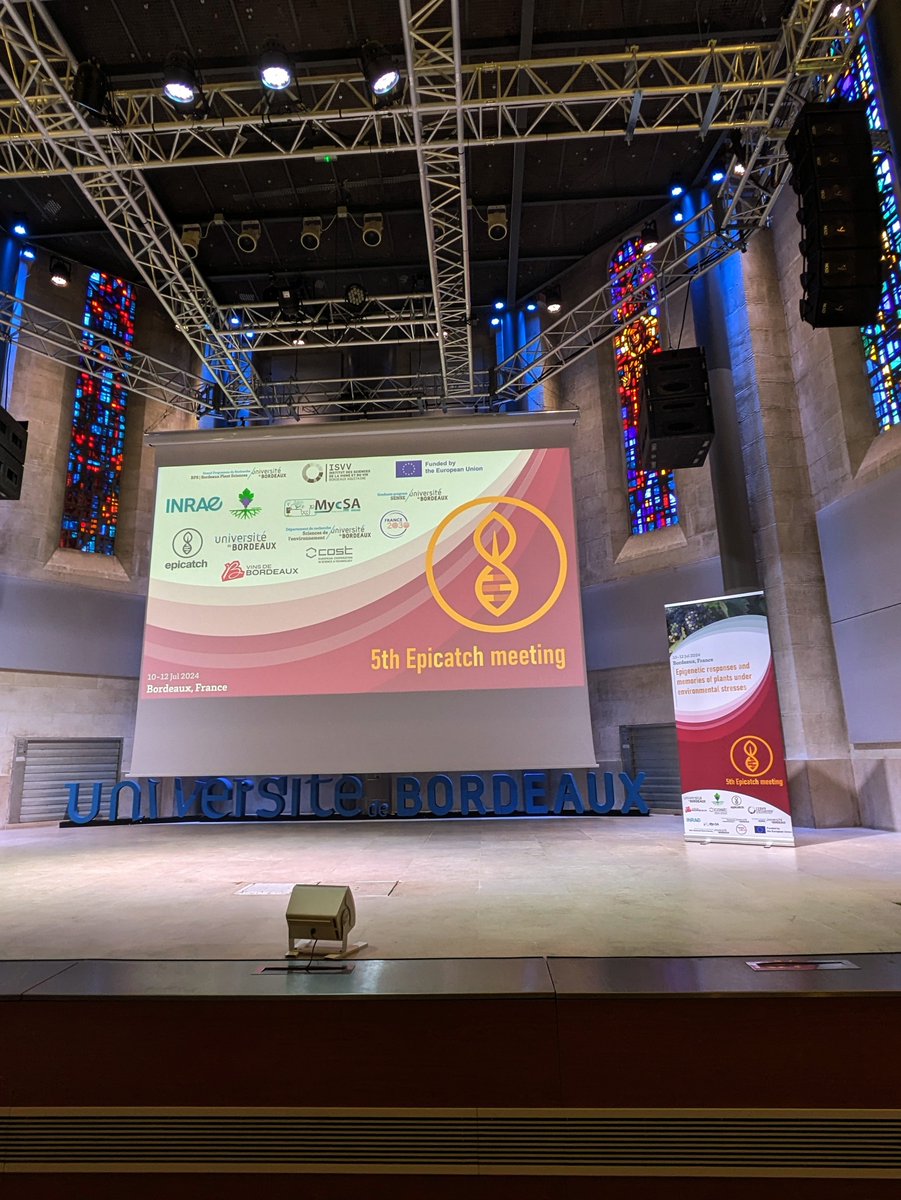
The 5th meeting of the COST Action Epicatch ( 10-12 of July in Bordeaux) will focus on the Epigenetic responses and memory of plants to environmental stresses.
(Deadlines- Abstract: 31st of May-
Registration: 15th of June).
https://t.co/15bOqp6om1
This work provides new insights into the role of hypoxia gradients and dynamic chromatin modifications in the control of environment-responsive growth and development in plants.
Happy to share our new preprint, led by @ROsborne_93, showing that hypoxia-stabilised VRN2 is part of a spatially regulated & developmentally encoded epigenetic mechanism that coordinates growth in Arabidopsis by facilitating light-triggered repression of PIF signalling 🌱🧬