तुमने इस तालाब में रोहू पकड़ने के लिए
छोटी-छोटी मछलियाँ चारा बनाकर फेंक दीं
हम ही खा लेते सुबह को भूख लगती है बहुत
तुमने बासी रोटियाँ नाहक उठा कर फेंक दीं
- दुष्यंत कुमार
Some famous work in computer science, e.g. by Daskalakis and Papadrimiou, has studied the complexity of finding equilibria in games and markets.
But economics has not absorbed much from the methods or concepts used in this work, and has mostly shrugged off the whole thing
3/
The last paragraph seems to imply that classical music belongs to the past. But this is totally untrue. It is surely the market and elitism in education that prevents most people from comprehending more sophisticated music. That’s my ‘left fogey’ take here https://t.co/n81w6kAxE8
A shockingly common (implicit) view: "It would be better if the world's problems were not solved so that people can find purpose in solving these problems." Or for knowledge work, "It would be better if knowledge were unknown so there is more for humans to discover."
These views seems absurd to me. Many people (including myself) find value in working to improve the world. But what's important to me is *actually fixing the things that are wrong because those things are bad.*
If AI can fix these problems, the right attitude is not, "This sucks because what are humans supposed to do now?" The right attitude is: "Now we can focus on finding other sources of meaning and value beyond alleviating suffering, what tremendous news this is for the world and what a great relief!"
For knowledge work, once again, discovery is fun and valuable and rewarding to the ego. But the reason we care about discovery is that we want to understand! And with AI, we will understand vastly more.
The idea that we don't want AI so there is more for humans to do or discover ignores that most of the value of these is instrumental. Sure, discovery is pleasurable for the person who does it, but for everyone else, it's good because now we can understand more.
this fix that keeps Codex fast was useful for a lot of people who had the same issue
Tibo from Codex/OpenAI team commented and asked to make it into a skill, so here it is:
https://t.co/jvm9mmuCXC
note: this doesn't delete stuff, it archives better & fixes what slows Codex down
The AIM is the story of commitment to preserving India’s sonic heritage. Taking this commitment further, the G. S. Sardesai Fellowship offers an opportunity to build, preserve, and strengthen archives.
👉Apply Now : https://t.co/5v3qCGlOgq
📅Last Date:10 May 2026
@vikramsampath
Rayan Cherki and Erling Haaland lead the way as Manchester City defeat Arsenal 2-1 in a crucial Premier League showdown at the Etihad Stadium
City are now just three points off the Gunners with a game in hand!
https://t.co/CEeIdTh4pX
All Paid Courses (Free for First 4500 People)
𝗣𝗮𝗶𝗱 𝗖𝗼𝘂𝗿𝘀𝗲 𝗙𝗥𝗘𝗘 (PART - 1)
1. Artificial Intelligence
2. Machine Learning
3. Cloud Computing
4. Ethical Hacking
5. Data Analytics
6. AWS Certified
7. Data Science
8. BIG DATA
9. Python
10. MBA
(72 Hours only )
To get-
1. Like & Retweet to get DM
2. Reply " All "
I'm deleting this soon because it's a legit cash-printing formula.
𝗣𝗮𝗶𝗱 𝗖𝗼𝘂𝗿𝘀𝗲 𝗙𝗥𝗘𝗘 (PART - 2)
1. Artificial Intelligence + Data Analyst
2. Machine Learning + Data Science
3. Cloud Computing + Web Development
4. Ethical Hacking + Hacking
5. Data Analytics + DSA
6. AWS Certified + IBM COURSE
7. Data Science + Deep Learning
8. BIG DATA + SQL COMPLETE COURSE
9. Python + OTHERS
10 MBA + HANDWRITTEN NOTES
(72 Hours only ) Cost About - $500
To get: -
1. Follow @Aiden_Tech_Ai(So I can DM you )
2. Like & retweet
3. Reply " Send "
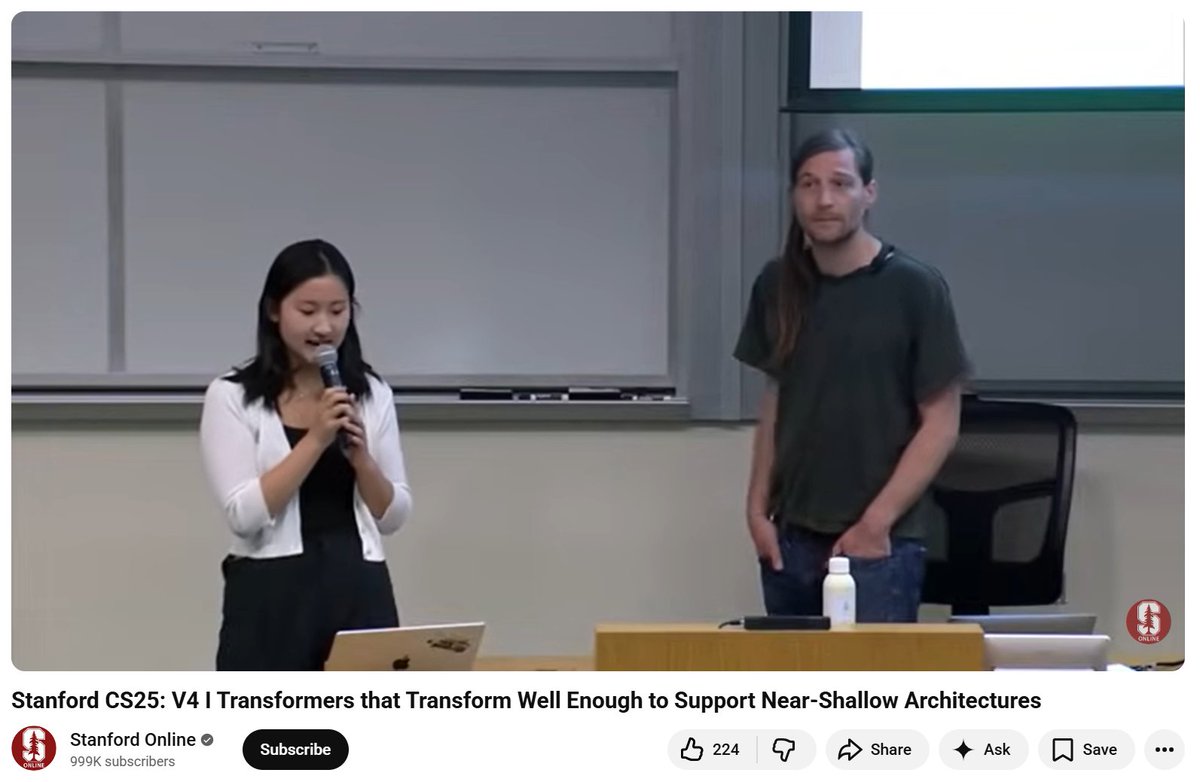
If CS224n teaches transformers, CS25 explores where they break and how they evolve.
Highly recommended if you already understand the basics. They have an enitire playlist.
Aren’t some questions better pursued as business ideas rather than as research problems? The former often allows for creative latitude, room to prototype, pivot, and respond to intuition.
Ain't there also questions worth pursuing not because they may reveal definitive downstream outcomes, but because the pursuit itself may refine subjects' habits and practices?
7 Books Recommended by Charlie Munger:
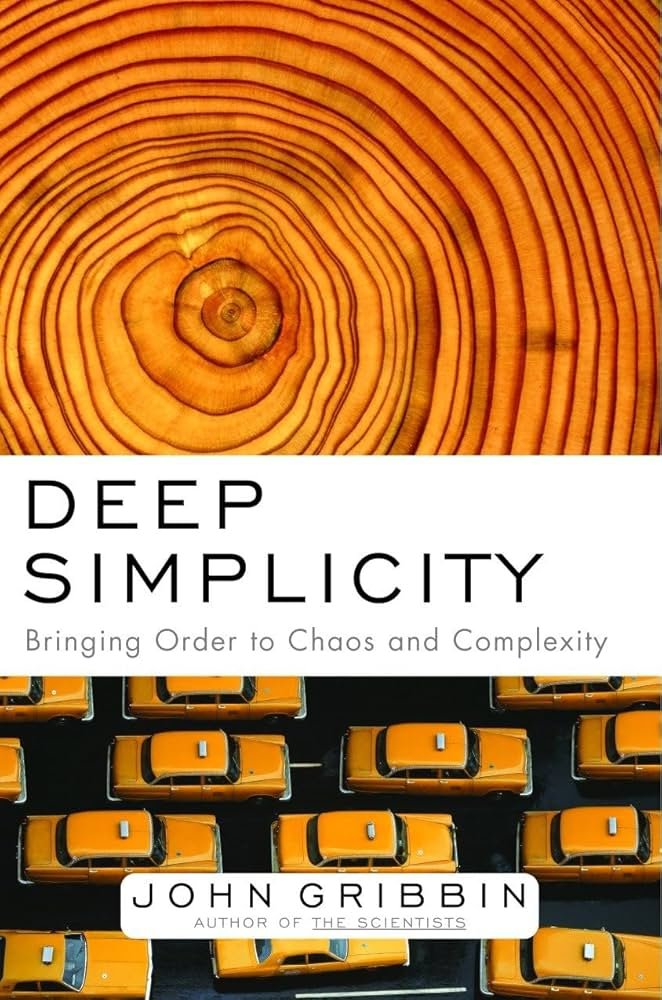
1) Deep Simplicity by John Gribbin
“It’s pretty hard to understand everything, but if you can’t understand it, you can always give it to a more intelligent friend.”