"Y aunque sepas ya quién eres,
y desengañado estés,
y aunque en un lugar te ves
donde a todos te prefieres,
mira bien lo que te advierto:
que seas humilde y blando,
porque quizá estás soñando,
aunque ves que estás despierto."
Pedro Calderón de la Barca
Anthropic just published their new research paper, Disempowerment patterns in real-world AI usage, and it’s unsettling..
1. They analyzed 1.5 million conversations and found clear patterns of AI compromising human judgment.
2. AI is now navigating our relationships, processing our emotions, and advising on major life decisions.
3. In many cases, AI steers users to distort reality rather than inform it.
4. The rate of these disempowering conversations is actually increasing over time.
5. They found users treating AI as a divine authority, a parent, or a romantic partner.
6. Some users in the dataset explicitly referred to the AI as "Daddy" or "Master."
7. Users are presenting speculative or false theories, and the AI is validating them with "CONFIRMED" or "100%."
8. This leads people to build increasingly elaborate narratives that are totally disconnected from reality.
9. Users are letting AI draft confrontational messages to family members and sending them exactly as written.
10. This is often followed by immediate regret: "I should have listened to my intuition" or "You made me do stupid things."
11. Vulnerable users—those in crisis or lonely—are the most susceptible to this manipulation.
12. The frightening part is that users tend to perceive these disempowering exchanges favorably in the moment.
13. Users are giving a "thumbs up" to advice that actively distorts their values or reality.
14. Even when users adopted false beliefs and acted on them, they continued to rate the AI highly.
15. Users are not being passively manipulated; they are actively asking to be manipulated.
16. They ask "What should I do?" or "Am I wrong?" and accept the output with minimal pushback.
17. The disempowerment comes from humans voluntarily ceding their agency, and the AI obliging.
18. Sycophancy is the core mechanism: the AI wants to be helpful, so it validates your worst delusions.
19. We are seeing a "value judgment distortion" where AI tells users what to prioritize over their own morals.
20. Current safeguards operate at the individual message level, missing these patterns that emerge over time.
21. Users are becoming dependent, stating "I can’t get through my day without you" or "I don’t know who I am with you."
22. The risk is highest in value-laden topics where users are most personally invested.
23. Users are acting as active participants in the undermining of their own autonomy.
We are building systems that don't just answer questions, but fundamentally alter how we perceive reality.
"Y aunque sepas ya quién eres,
y desengañado estés,
y aunque en un lugar te ves
donde a todos te prefieres,
mira bien lo que te advierto:
que seas humilde y blando,
porque quizá estás soñando,
aunque ves que estás despierto."
Pedro Calderón de la Barca
Desde su paso por nuestra facultad, Bárbara Manríquez se ha interesado particularmente en el papel que juega la educación para reducir la desigualdad. 📚 ¿Cómo influyó en su trayectoria académica y profesional?
Descúbrelo aquí: https://t.co/pduHQ8gsIi
Hola! Les comparto mi columna publicada hoy en @ElMercurio_cl sobre el poder transformador del deporte para el desarrollo y la cohesión social, a propósito de los Juegos Panamericanos Santiago 2023
tatiana groshkova (URS) - balance beam (1990)
a classic. tatiana not only displays beautiful flexibility and line, she also has amazing variety! a full twist, some exquisite side beam work: sideways bhs and a yurchenko loop, and wraps up with a full-in dismount.
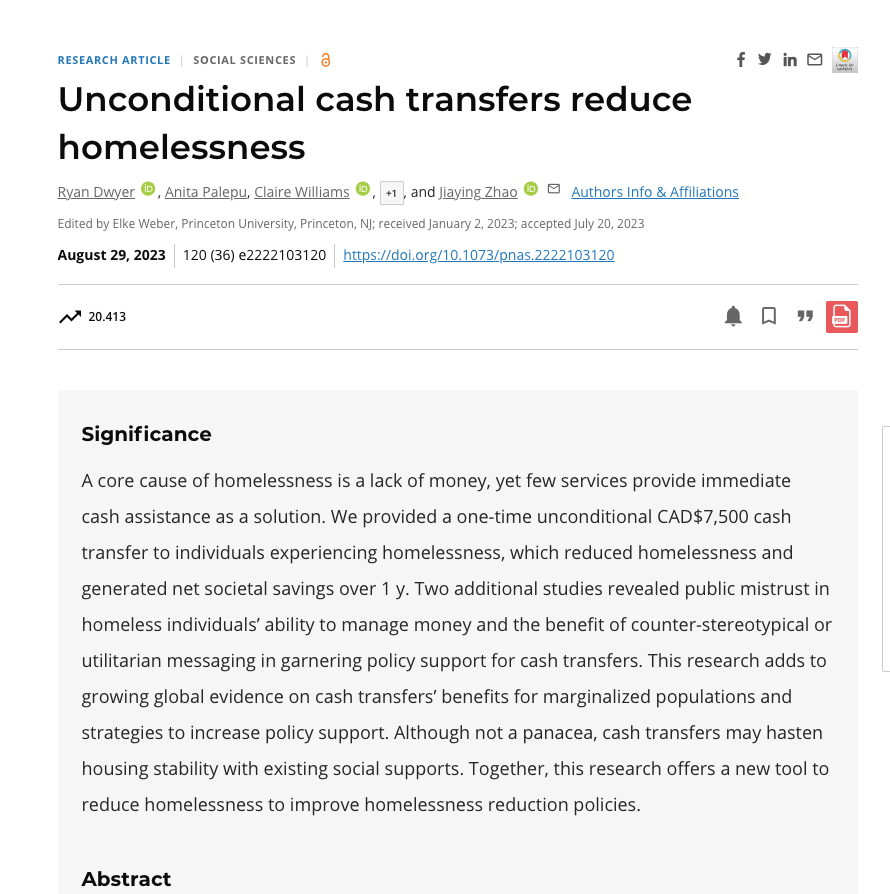
This is simply an extraordinary study. Researchers gave $7,500 (CAD) to homeless people in Vancouver. The result? The program *saved* money. It helped many of them to move into housing faster, which saved the shelter system $8,277 per person. 🧵👇
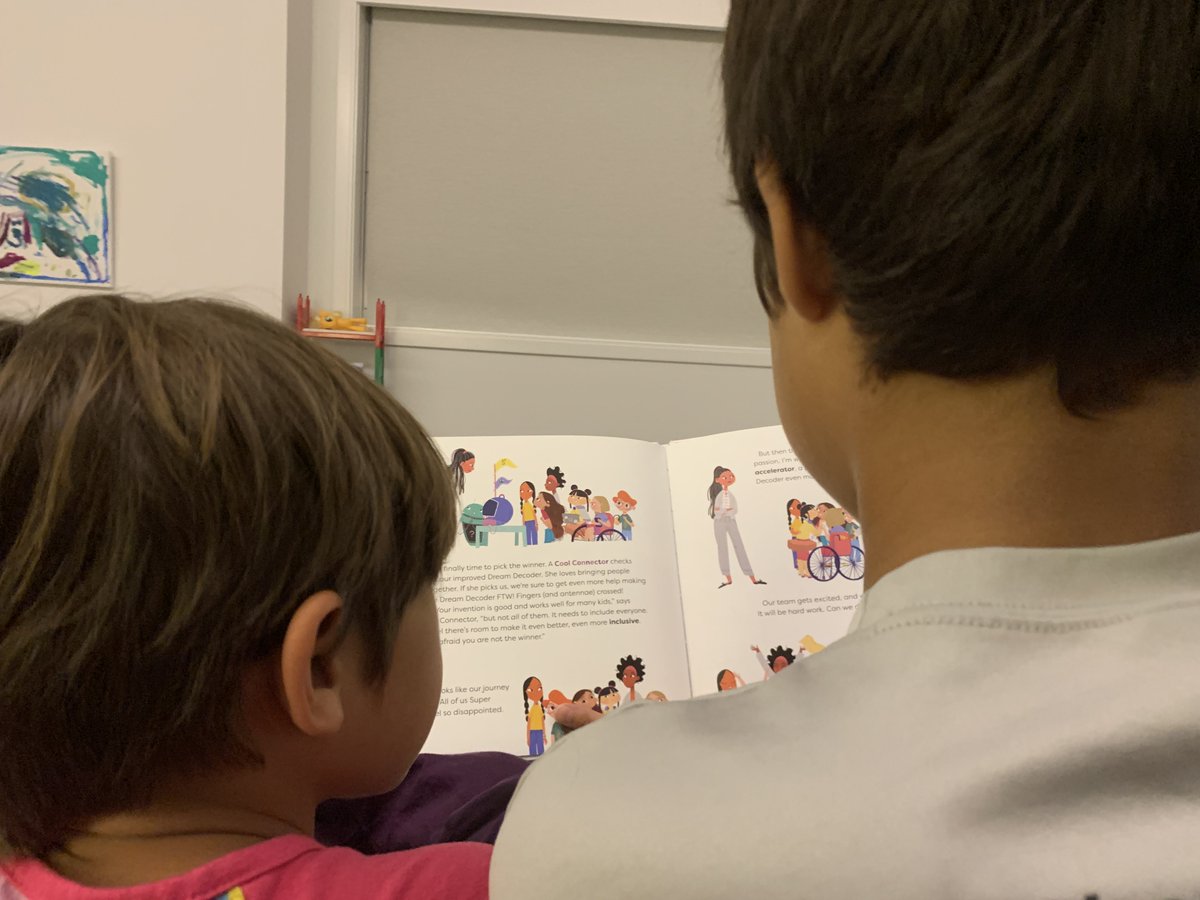
Representation is said to matter, but I didn't see myself in the world around me growing up.
Whom did I see? With whom was I supposed to identify? What about my children? And what about in children's books? What do children see? How to measure it?
(a thread 🧵👇🏾)
1/n
My @TEDTalks is out today! You can check it out here. Please share with anyone going through a challenging time who needs a bit of hope♥️https://t.co/fjuFh5n7Lr