Controversial Negotiations with Minority Faction Ignite Anger Among Ethnic Amharas
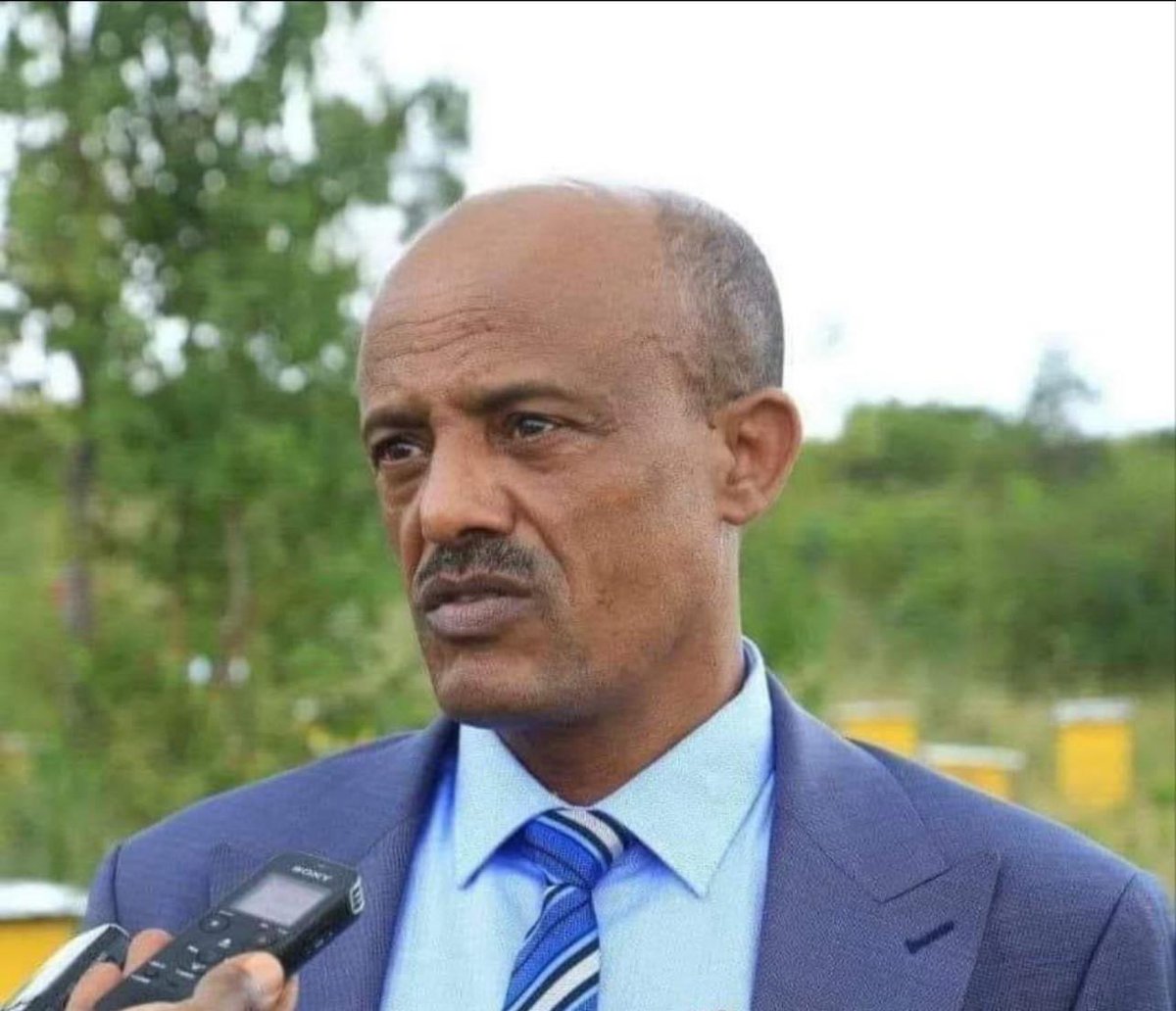
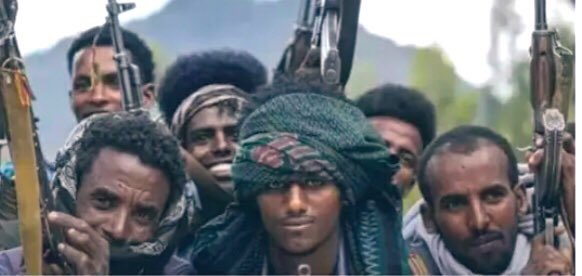
The recent initiation of talks between a minority faction of the Amhara Fano forces and representatives of the European Union (EU), African Union (AU), United States (USA), and the Intergovernmental Authority on Development (IGAD) has sparked widespread outrage among the Ethnic Amhara public and the leadership of the majority Amhara Fano forces. The negotiations, reportedly involving Eskinder Nega, a figure with little presence or control on the ground, have been criticized as undermining the will of the majority and exacerbating tensions in the region.
Eskinder Nega’s announcement of a negotiation with international representatives has drawn sharp criticism. With no significant fighter forces or territorial control in the Amhara region, his involvement in the talks has been labeled by many as illegitimate. Local news outlets have confirmed that formal discussions between Eskinder and the Ethiopian government have begun, further fueling the anger of the Amhara populace and leaders of the majority Fano forces.
This situation echoes a similar approach by Prime Minister Abiy Ahmed, who previously negotiated with minority factions of rebel forces in Oromia, sidelining more dominant and representative groups. Critics argue that these tactics aim to secure agreements with smaller, less influential factions for political convenience, bypassing genuine engagement with the majority forces on the ground.
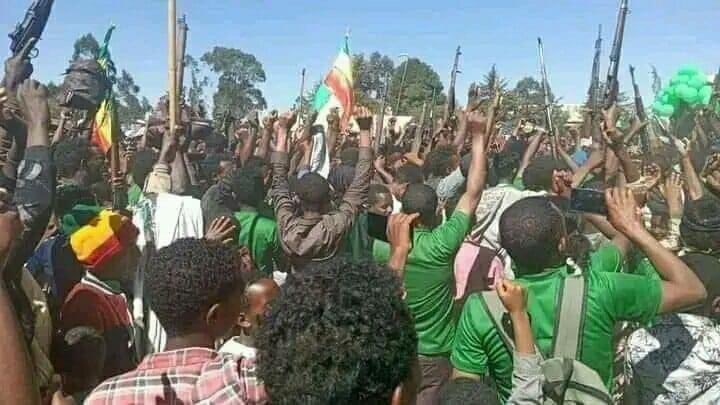
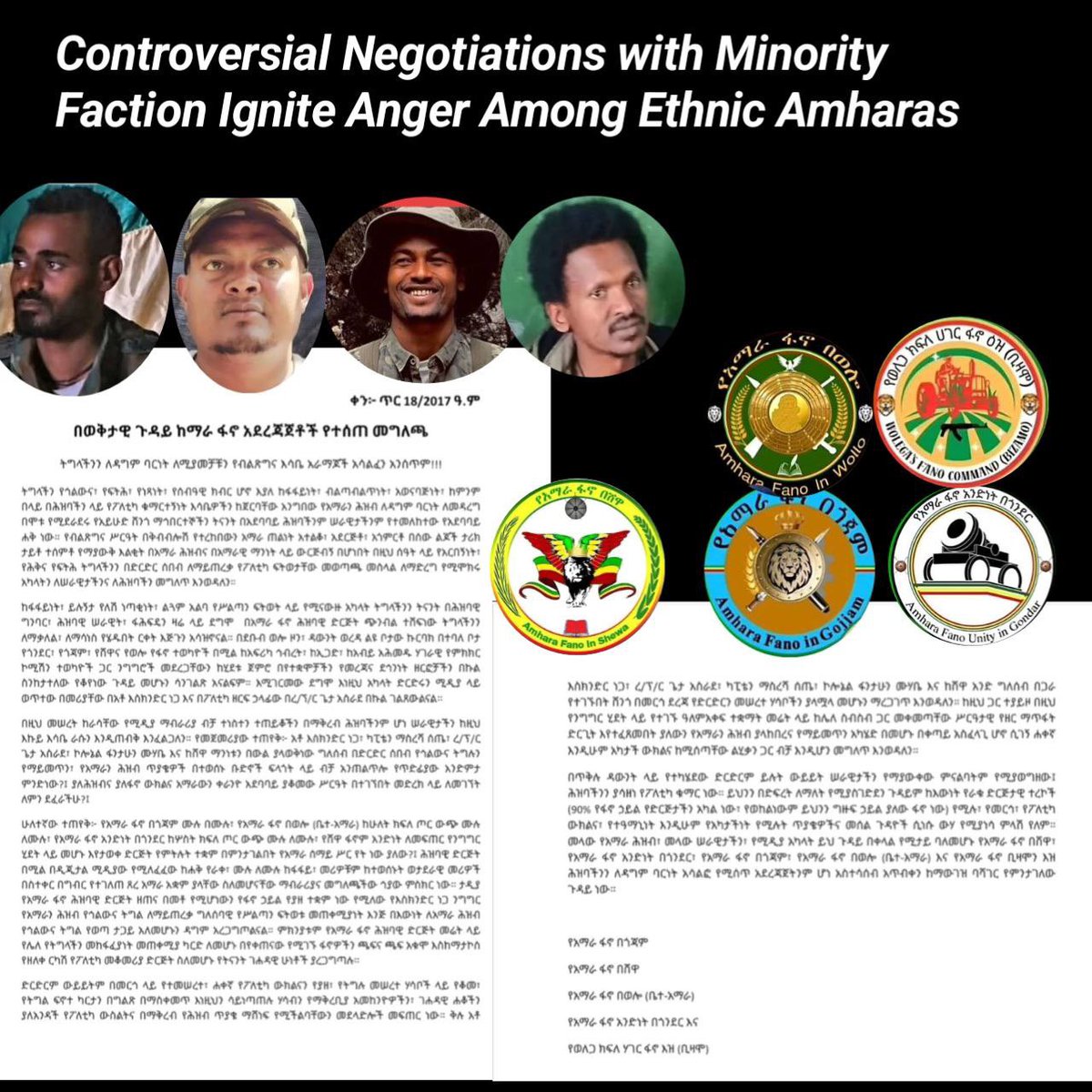
In response, leaders of the dominant Amhara Fano forces, who represent over 97% of the fighters and control more than 85% of the Amhara region, have strongly condemned the negotiations. Five prominent Fano organizations—Amhara Fano in Gojjam, Shoa, Wello, Gondar, and Wellega Bizamo—released a joint press statement rejecting the legitimacy of the talks.
The statement highlighted the following key points:
- Gojjam Region: Under the leadership of Zemene Kassie, the entire region is under Fano control.
- Wello Region: Led by Mihret Wedajo (Merre Wedajo), the forces command 26 fighter units, with only two small factions excluded.
- Gondar Region: Baye Kenawe leads forces controlling the entire region, comprising 27 units, with just three small factions excluded.
- Shoa Region: Under Engineer Desalegene, the majority of the region—over 70% of the forces—is firmly under their leadership.
The press release criticized Eskinder Nega as a power-driven individual with no credible support among the Amhara people or the Fano forces. It emphasized that any agreement reached with his minority faction would fail to reflect the interests of the Amhara people and the vast majority of Fano fighters.
The majority Amhara Fano forces expressed deep concerns about the international community’s involvement in what they see as a flawed negotiation process. Labeling the talks as a “political gamble doomed to fail,” they argued that agreements with a minority faction lack legitimacy and are meaningless in areas controlled by the dominant Fano forces.
The leaders warned that continued engagement with such factions could erode trust between the Amhara Fano forces and international institutions, ultimately undermining efforts to achieve a lasting peace.
The anger sparked by these negotiations highlights the complexity of achieving peace in the Amhara region. With the dominant Fano forces rejecting the talks outright, it is clear that a meaningful resolution requires inclusive and representative discussions. Any attempts to bypass the majority voices in favor of minority factions are likely to deepen divisions and prolong the conflict.
For the international community, the path to peace lies in recognizing and respecting the leadership of the majority Amhara Fano forces. Without their inclusion, any agreements are unlikely to hold, and the prospects for stability in the region will remain uncertain.
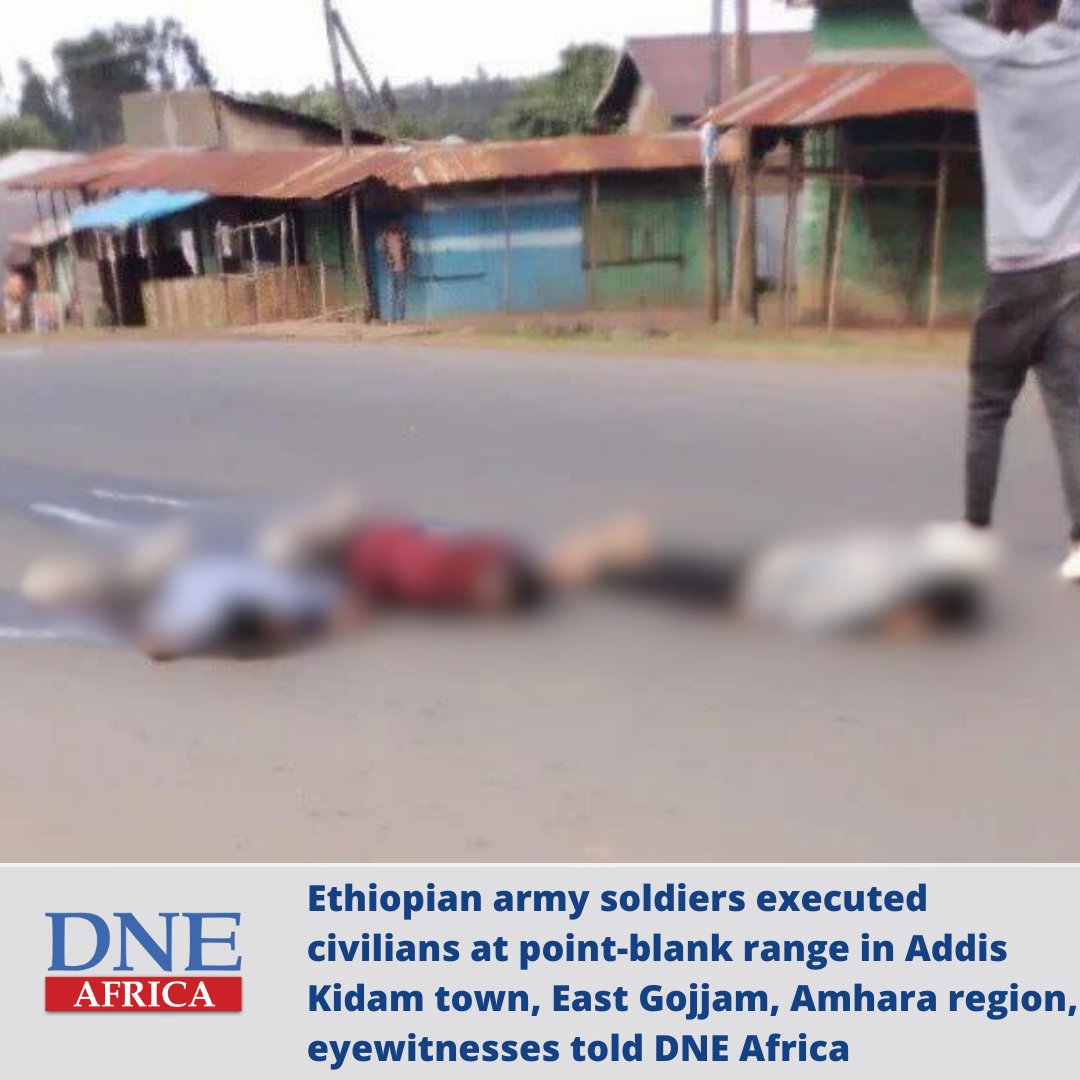
Ethiopian army soldiers executed civilians at point-blank range in Addis Kidam town, East Gojjam, #Amhara region, eyewitnesses told DNE Africa. The town, located 450 kilometers northwest of Addis Ababa, was scene of killings as soldiers claimed victims to be Fano militia members
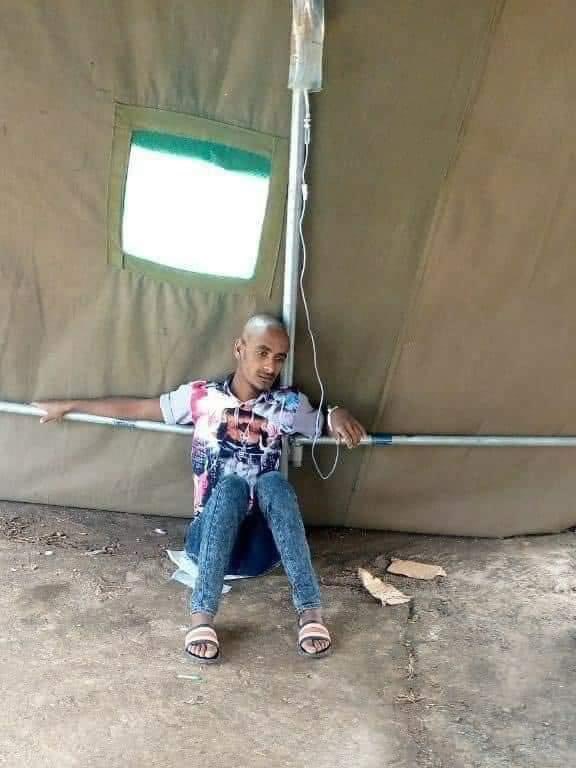
Violation of Article 23(c) of the Hague Convention IV (1907) by Ethiopian Government soldiers : Fano Mola Melaku had been engaged in a fierce battle against forces loyal to Abiy Ahmed, the Ethiopian Prime Minister. In the heat of combat, he was captured and sustained grave injuries that required immediate medical care. He was subsequently transported to Woldia Hospital, a place where one would expect the sanctity of medical treatment to be upheld.
As doctors worked tirelessly to save Fano Mola Melaku's life, a horrifying interruption occurred. A group of Ethiopian soldiers stormed into the hospital, their voices resonating with disdain for the wounded Amhara fighter.
Despite the soldiers' menacing presence and their attempts to stop the medical treatment, the doctors at Woldia Hospital remained resolute in their commitment to their professional oath. They valiantly explained that their duty was to provide medical care to anyone in need, regardless of their affiliation or origin. Their dedication to saving lives clashed starkly with the soldiers' sinister intentions.
The soldiers, unmoved by the doctors' pleas and ethical stance, resorted to brutality. They forcibly removed Fano Mola Melaku from his hospital bed, using a bedsheets as a crude means of restraint. The wounded fighter was then taken to Woldia Stadium, where countless other Amhara prisoners were being held.
In front of a captive audience of fellow prisoners, Fano Mola Melaku was subjected to a savage beating. Shockingly, the torment did not end there. In a gruesome act, he was beheaded in plain sight, further intensifying the horrors of the situation.
The brutality continued as the soldiers took his lifeless body to the streets, where they callously drove a car over his head and body until his remains were indistinguishably mixed with mud. This depraved display of inhumanity is a stark reminder of the disregard for human dignity that unfolded in Woldia that day.
Fano Mola Melaku's family, unaware of the horrors their loved one had endured, received his lifeless body covered in a blood-stained bedsheet, along with a stern warning not to uncover it. Overwhelmed by grief and curiosity, some family members could not resist and unveiled the gruesome truth—a piece of human flesh mixed with mud.
This incident constitutes a direct violation of Article 23(c) of the Hague Convention IV (1907), which explicitly prohibits the killing or wounding of an enemy who has laid down their arms, surrendered at discretion, or is incapacitated. The silence of the international community in the face of such atrocities is concerning and raises questions about accountability.
The killing of Fano Mola Melaku at Woldia Hospital is a grim reminder of the atrocities being committed in Ethiopia's ongoing conflict. It serves as a call for the world to break its silence and demand justice for the victims of this brutal violence. The Ethiopian government must be held accountable.
@EthioHRC@ocaorg@amnesty@hrw@AJEnglish@BBCNews@CNN@AFP@UNHumanRights@UNESCO@EthioHRC@USEmbassyAddis@MWLOrg_en@CPJAsia@CPJ_Eurasia@ashenafi_meaza@pen_int@pressfreedom@CPJAfrica@CPJAmericas@AbiyAhmedAli@GPEthiopia@AAA_Amhara@USEmbassyAddis@UKinEthiopia
@EthiopiaEU @MikeHammerUSA@TiborPNagyJr@CohenOnAfrica@AnaMartinsGomes@JosepBorrellF@DanielBekele@FRANCE24@BBCAfrica@AJEnglish@washingtonpost@AFP@USEmbassyAddis@StateDept
#WarOnAmhara
#AmharaGenocide
#FreeMeskeremAbera
#FreeAmharaDetainees