Today on the HABSBURG WAY - my favorite short story about
knights
old ladies
the Holy Grail,
🇬🇧 understatement and
quite a lot of tea.
Read CHIVALRY by Neil Gaiman first, and then watch me discuss it with @HarrisonGarlic1 of @TheGreatB00ks
https://t.co/RmGAaG5mSM
Thrilled to announce a new partnership with the incredible @HarrisonGarlic1
30+ hours of content make for a thoroughly comprehensive dive into the most impactful book in Western history (after the Bible).
“All Western philosophy is a footnote to Plato.” Don’t miss this 👇
This book will change your life.
It is one of the most influential works of Western Civilization... and we are about to read it together!
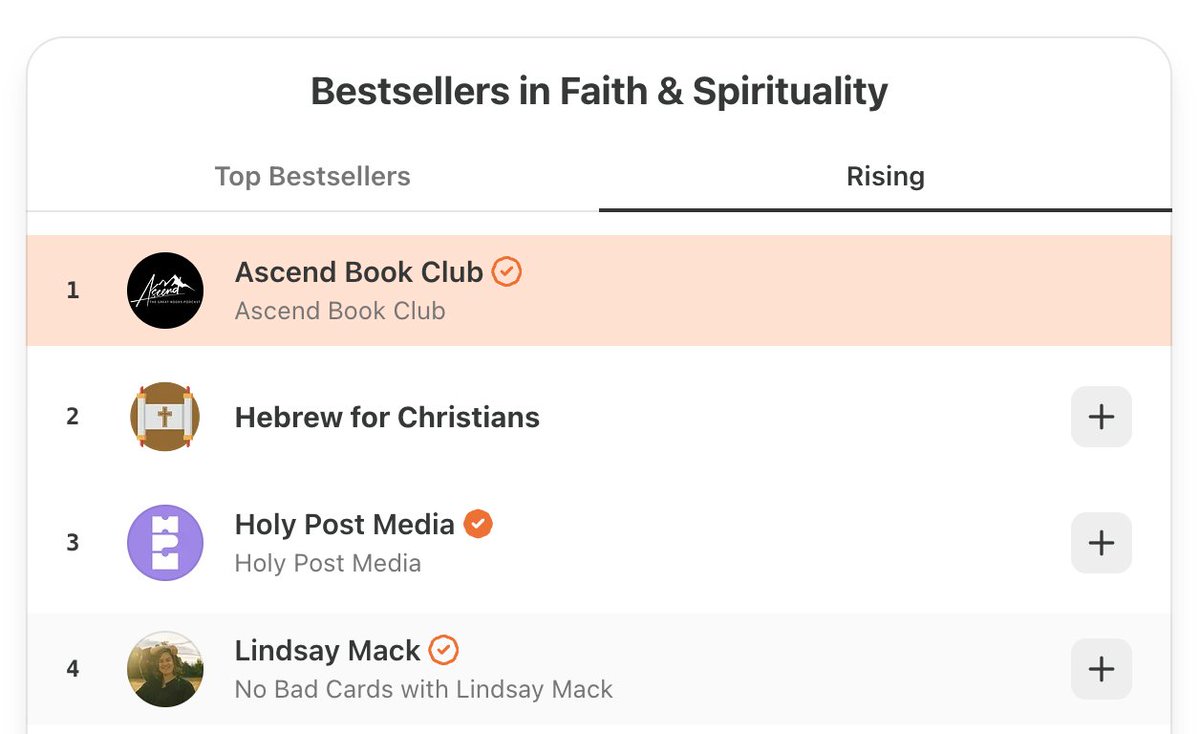
Today, we're launching the Ascend Book Club on Substack — our new, monthly book club.
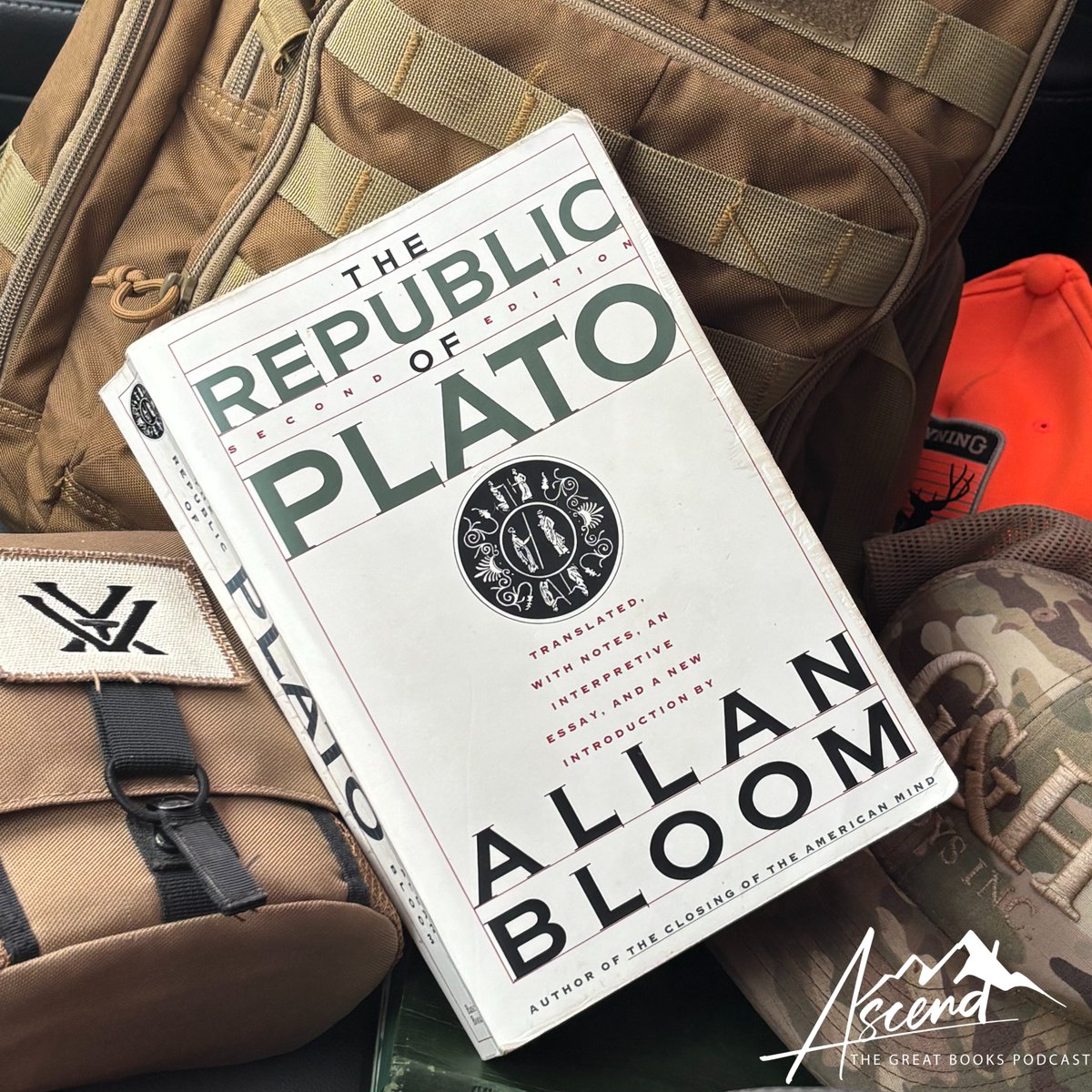
Our read of Plato's Republic begins Oct 6. This will be a long, attentive read covering the entire work in depth.
We've been working on this for over a year: a week-by-week curriculum, gathering 20+ scholars and 30+ episodes to guide you through it. And every month, we will all discuss it in our LIVE book club sessions.
Join us. We are a group of readers dedicated to the slow, intentional read of the West's foundational texts.
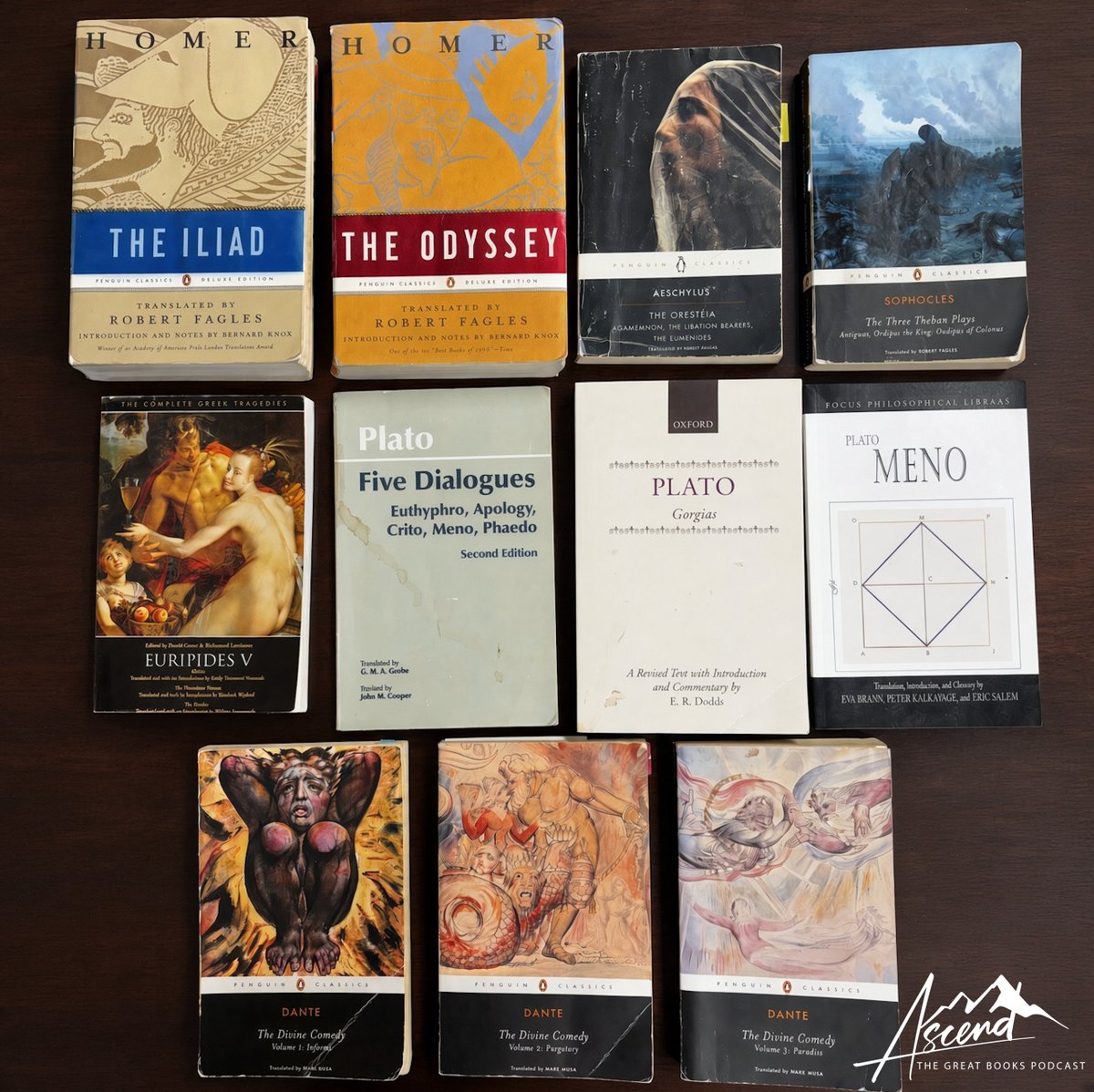
As well as the current read-along, we have an entire, evergreen library of content and 20+ reading guides: you can read Homer, Hesiod, Aeschylus, Euripides, Sophocles, Dante, and much more with us.
As a paid book club member, you'll get:
- Weekly podcasts with Dcn. Garlick & guests
– Detailed guides for every book of the Republic
– Monthly LIVE book club sessions
– In-depth essays on the Republic and more
- Access to our book club chat room
https://t.co/zT8ULinbdI
See you inside!
Today on Ascend: The Great Books Podcast, Deacon Harrison Garlick and His Excellency @EduardHabsburg, Archduke of Austria and former Hungarian ambassador to the Holy See, discuss Neil Gaiman’s short story “Chivalry.”
And check our his new project, "The Habsburg Way."
And we have BIG NEWS!🎉🥳
We have launched the new Ascend Book Club!
You’ll receive the same great content as before but with much more—which now includes:
✅Weekly podcast and videos on the great books
✅Weekly articles on the great books
✅In-depth, detailed pdf guides on the great books
✅A monthly LIVE Q&A for supporters
We are also publishing years of articles, guides, videos, and other resources to the new site and organizing them by work and author so they are easy to find—tons of resources on Homer, Hesiod, the Greek plays, Plato, Dante, and more. You could start reading many great books today with the Ascend library.
Check out our new website, the Ascend Book Club, and join us today!
This book will change your life.
But you have to read it carefully and with humility.
➡️ We've gathered 20+ scholars over 30+ episodes to guide you through Plato's Republic.
We start 10.6.26.
Join us.
@andy_matuschak Check out @TheGreatB00ks podcast for any brushing up! @HarrisonGarlic1 teaches in chronological order starting with Homer to help understand the context, time, and place of each work.
Check out @TheGreatB00ks for any brushing up! @HarrisonGarlic1 teaches in chronological order starting with Homer to help understand the context, time, and place of each work.
U Chicago offers a great four-year program studying the "Great Books of the Western World". Meets weekly online for 3hr discussion-based seminars with some wonderful facilitators and ~12 peers. Registration open for a few more weeks: https://t.co/Aq4f5ZSEQQ
I recently completed the program. Some reflections:
I can't tell you exactly why I signed up for this program. It sounded like a chance for ongoing encounters with beauty, I suppose. But also, some deep-down part of me harbored this delusion: "There are so many great classics I haven't read! So many great ideas I understand only shallowly. I can just sign up for this one program, and I'll end up checking so many metaphorical boxes!" In hindsight, I think I related to this mountain of books like a naive American tourist visiting Europe for the first time. I'll book a whirlwind guided tour to "check off" all the must-see sites! Then, in some sense, I'll be done with them!
That frame is obviously idiotic, both emotionally and practically. After about a thousand hours of reading and discussion, I don't feel I've truly understood or mostly metabolized almost any of these books. Rather, I got something like that naive tourist would: initial familiarity and connection with a wide range of cultural touchstones. The list of authors and works, once an abstract index, is now vivid and personal. Once I'd visited the Sagrada Familia, the idea of "checking it off" some kind of touristic bucket list became absurd. Instead, now that I'm introduced, I want to return again and again, noticing more and deepening my connection to it. Having finished my whirlwind tour, I now know where I'd like to return and linger on future trips. (Lucretius, Locke, Rousseau, Nietzsche...)
Programs like this call themselves "Great Books" programs, but I they're really more like "Great Ideas" programs. The selections and juxtapositions are designed to trace certain lines of Western thought: who should rule and how, the role of individuals in society, the shifting basis of morality, the meanings of virtue, knowledge, and justice, etc etc. I just loved following these arcs. They situate the texts in a web of humanity: rather than a grab-bag of independent texts, the selection was a series of unfolding conversations spread across centuries and continents. I found it plainly thrilling, for instance, to follow the beginnings of liberalism from abstract philosophical treatises up to the bloody stakes of the Declaration of Independence.
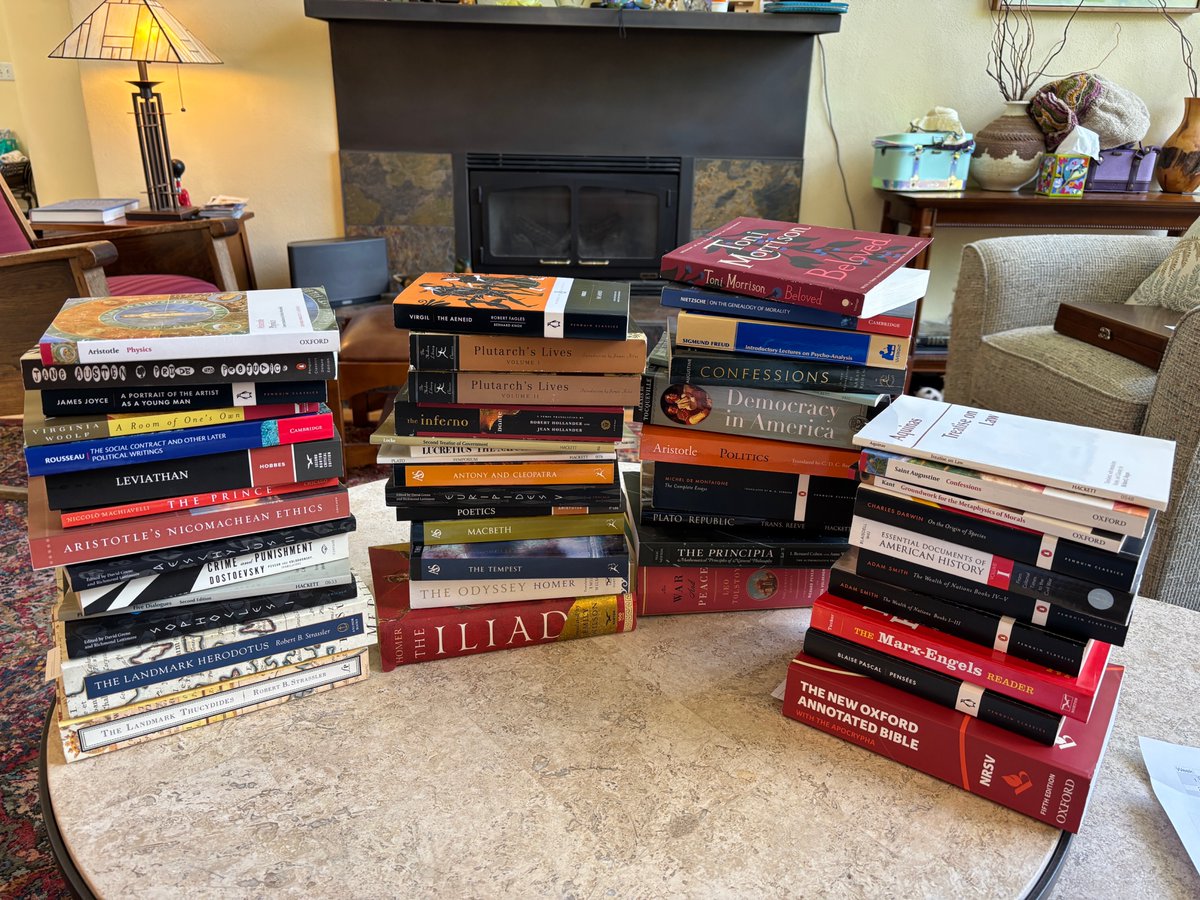
Part of the thrill is: individuals made these things! You can read their words. You can bear witness, centuries hence, to the birth of Plato's Forms, or deontology, or the novel as a literary form. Yes, I'm willing to give due credit to their intellectual contexts, and to hang appropriate asterisks on "Great Man" interpretations of history. But still—just imagine being Darwin, writing that book. I get very inspired in my design work thinking about Mendeleev and Playfair and Viete, individual humans who created new representations of thought for science and mathematics. This pile of books helped me appreciate the miracle of individual human invention behind so much in Western thought.
(photo from a classmate—alas, I mostly read digitally, which in hindsight deprived me of the physicality of this memory)
This is the best review/explanation I’ve seen so far for those, like me, who have no intention of taking the time to watch the movie. Thank you for this!