NASA HAS RELEASED OVER 12,000 IMAGES OF THE ARTEMIS II MISSION.
Unbelievable perspectives captured by the Crew! The aurora on the eclipse is incredible.
POV: you're rolling around on the Red Planet
You’re looking at six years on Mars in around two minutes. This timelapse contains images captured by our Curiosity rover between 2020 and 2026 from one of its navigation cameras. https://t.co/yfDUkHzBgF
This is an actual view of the surface of another planet.
You are looking at a landscape that is 140 million miles away.
The "dust" you see on the ground is actually volcanic rock and toxic perchlorates that would kill a human easily.
This is Mars!
Only one chance in this lifetime…
Like watching sunset at the beach from the most foreign seat in the cosmos, I couldn’t resist a cell phone video of Earthset. You can hear the shutter on the Nikon as @Astro_Christina is hammering away on 3-shot brackets and capturing those exceptional Earthset photos through the 400mm lens. @AstroVicGlover was in window 3 watching with @Astro_Jeremy next to him.
I could barely see the Moon through the docking hatch window but the iPhone was the perfect size to catch the view…this is uncropped, uncut with 8x zoom which is quite comparable to the view of the human eye. Enjoy.
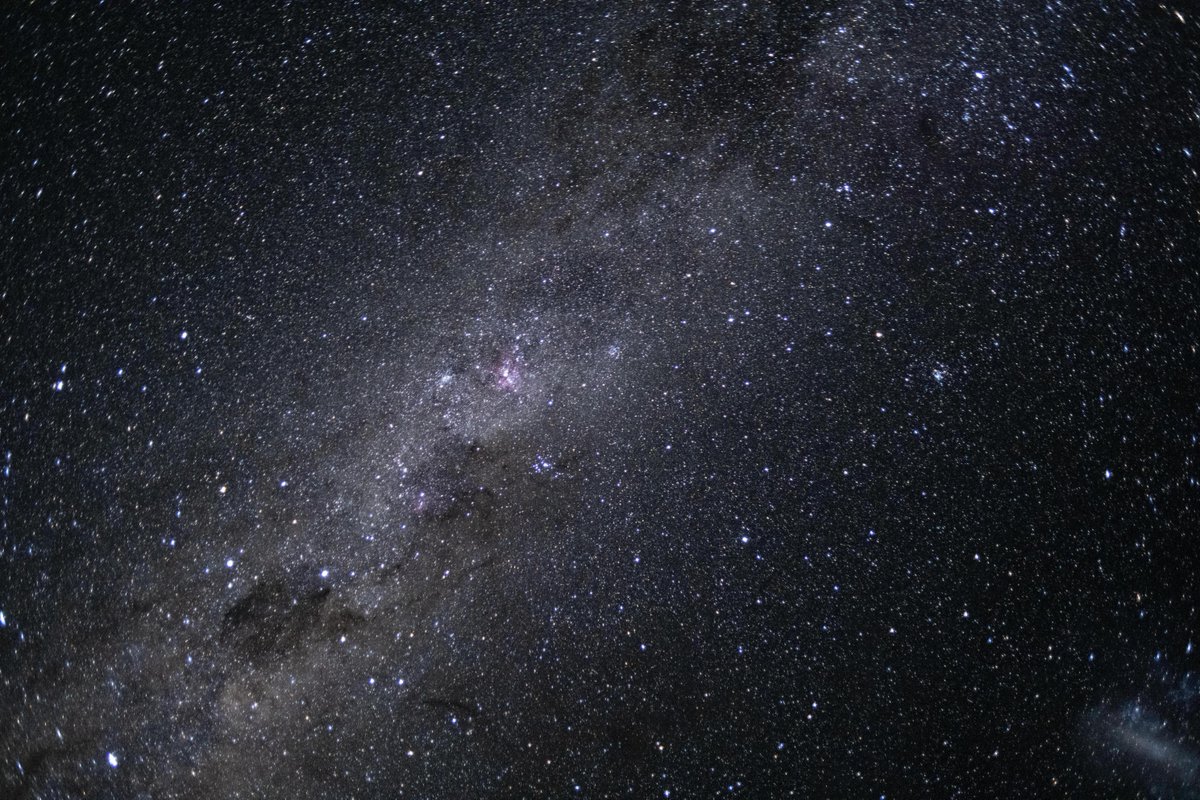
Sky full of stars.
Following a successful lunar flyby, the Artemis II astronauts captured this breathtaking photo of our galaxy, the Milky Way, on April 7, 2026.
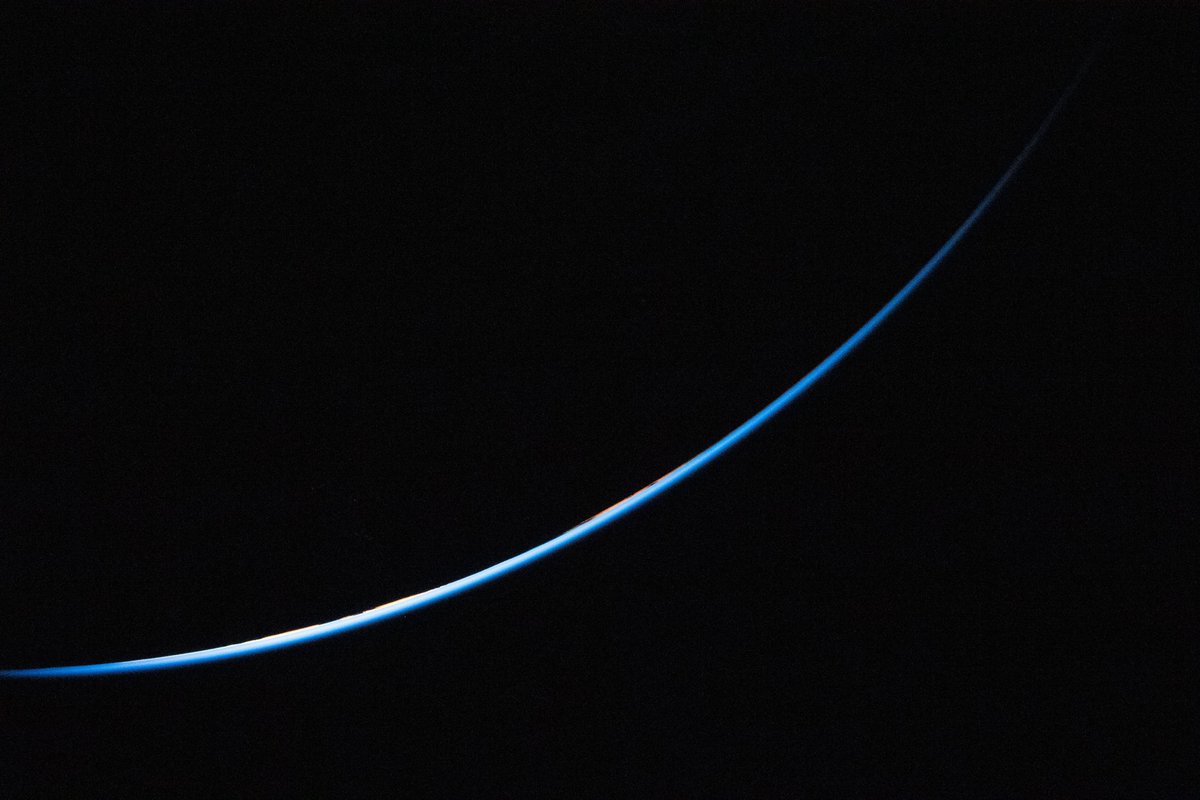
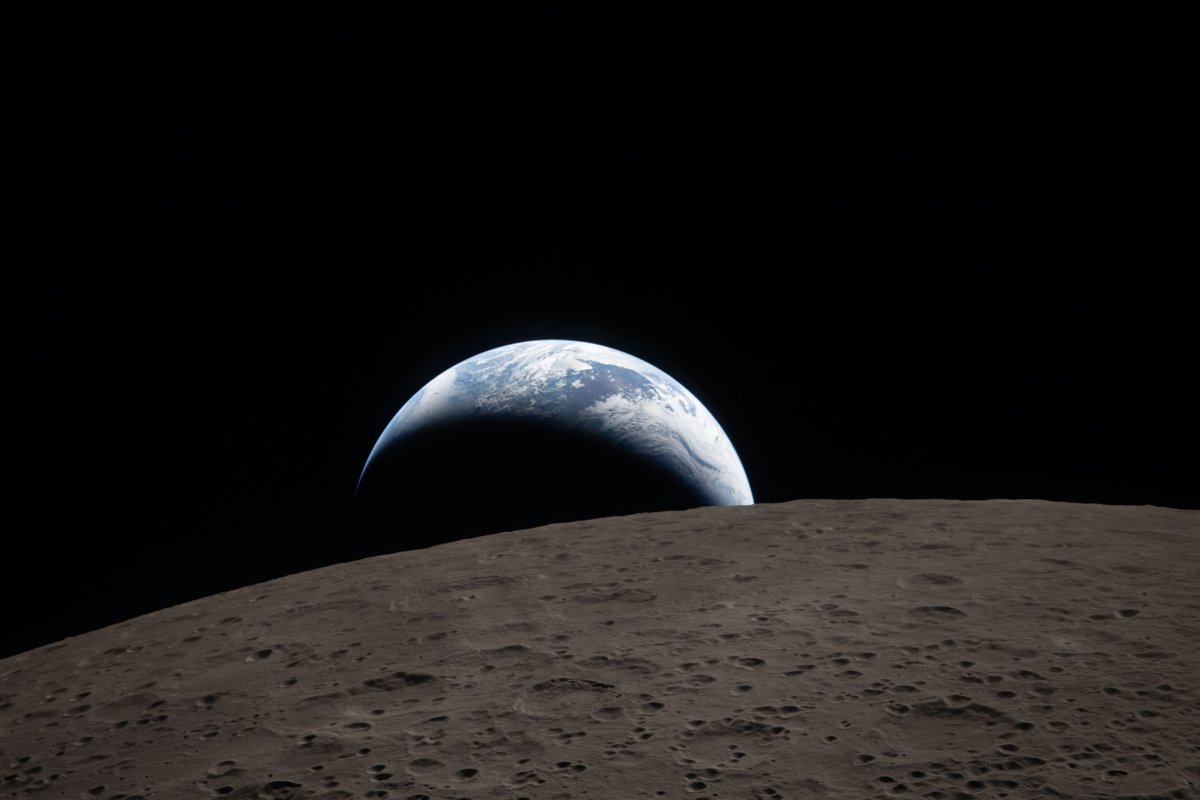
Earthset.
The Artemis II crew captured this view of an Earthset on April 6, 2026, as they flew around the Moon. The image is reminiscent of the iconic Earthrise image taken by astronaut Bill Anders 58 years earlier as the Apollo 8 crew flew around the Moon.
We see our home planet as a whole, lit up in spectacular blues and browns. A green aurora even lights up the atmosphere. That's us, together, watching as our astronauts make their journey to the Moon.
Good morning, world! 🌎
We have spectacular new high-resolution images of our home planet, all of us looking back through the Orion capsule window at our Artemis II astronauts as they continue their journey to the Moon.
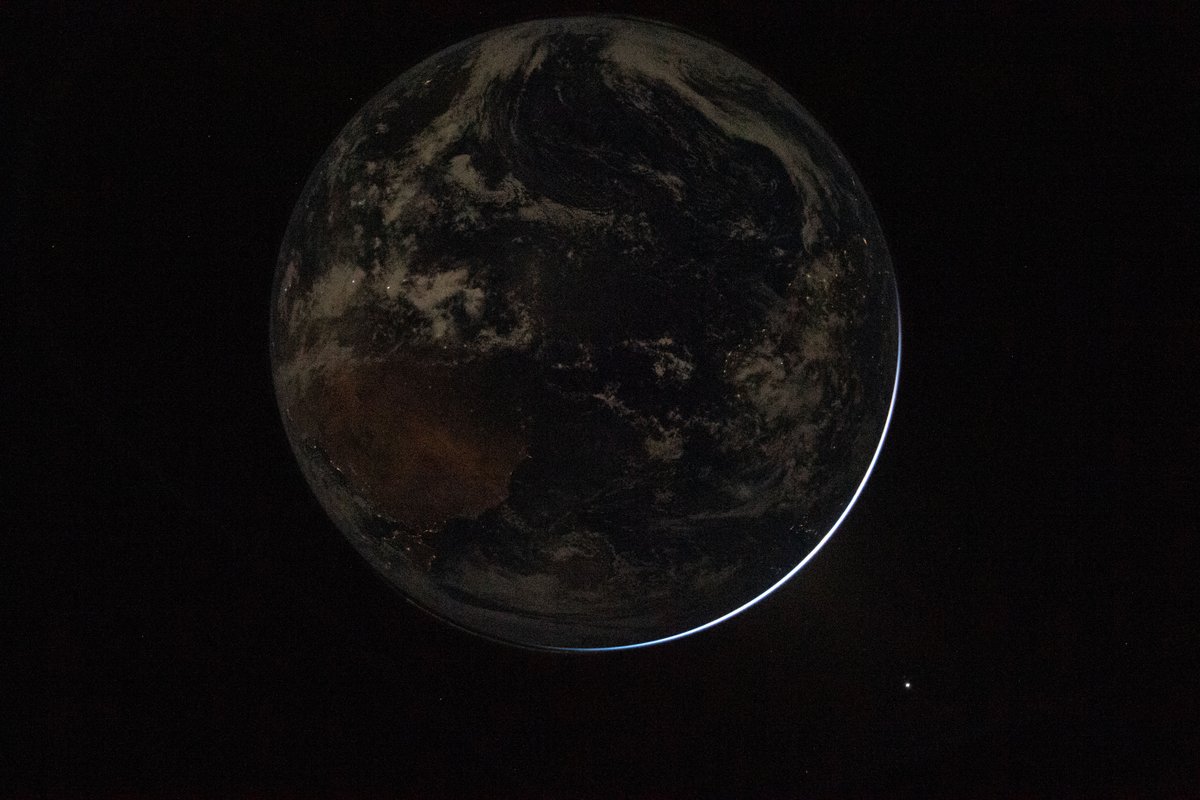
Even in darkness, we glow.
In this image of Earth taken by the Artemis II crew, we can see the electric lights of human activity. In the lower right, sunlight illuminates the limb of the planet.
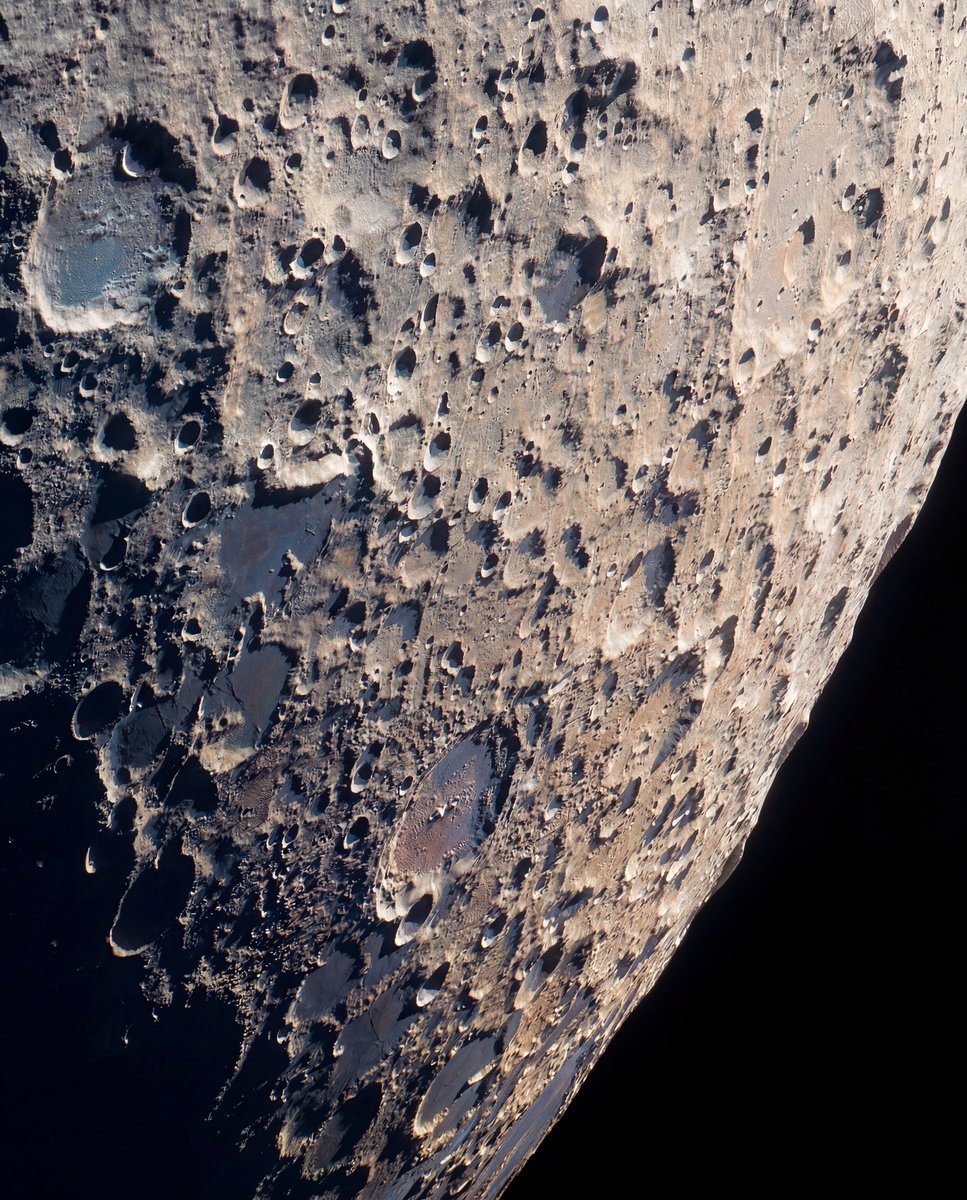
Last night I captured over 60k photos of the largest supermoon of the year using two telescopes to reveal the hidden color in 119 megapixels. I call the print "Artemis Beckons", after the next crewed lunar mission.
See the reply for the up close details and explanation 👇
A thread of videos from today’s flight into Hurricane Melissa
In this first one we are entering from the southeast just after sunrise and the bright arc on the far northwest eye wall is the light just beginning to make it over the top from behind us.
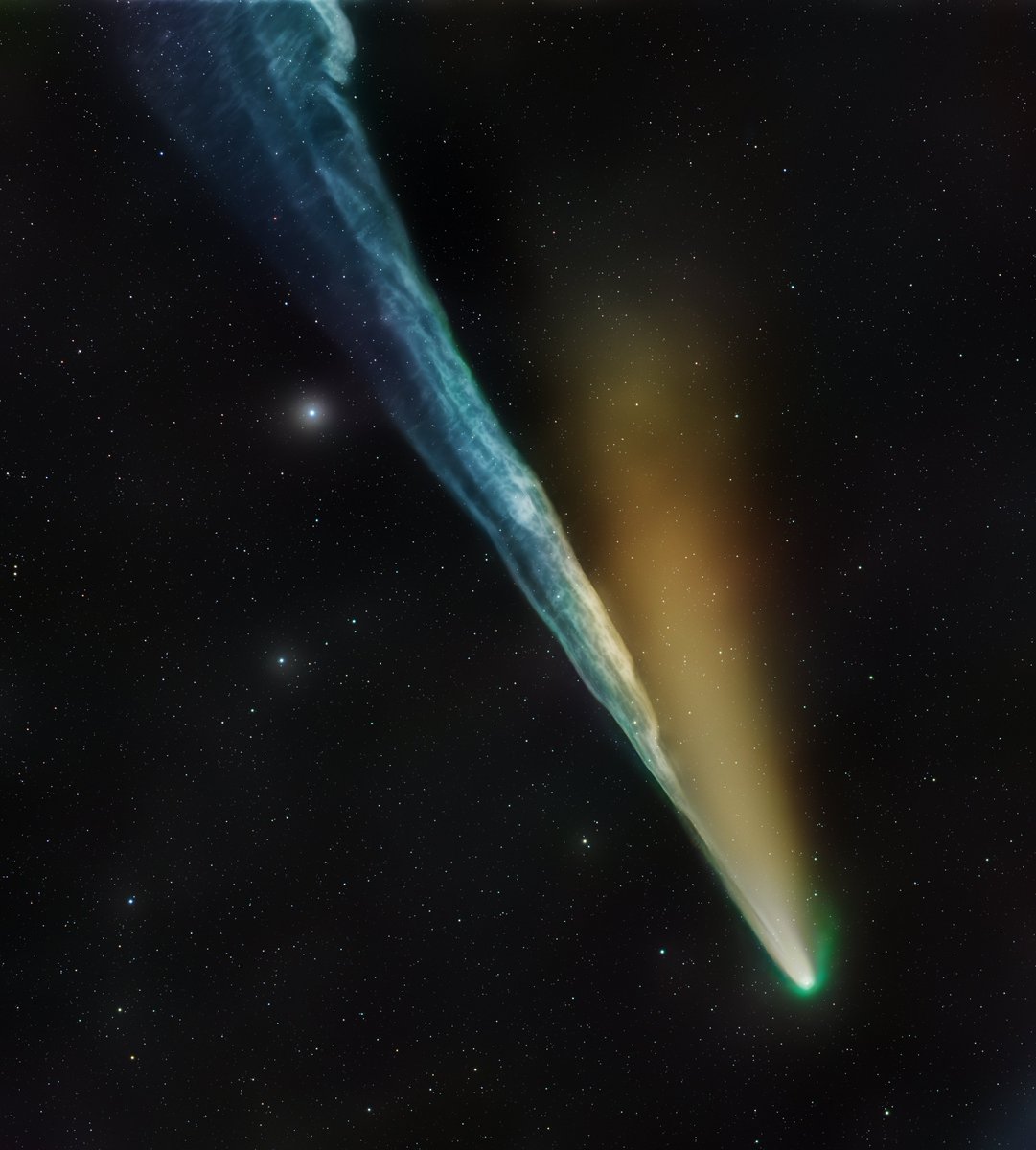
Captured last night- probably the coolest comet shot I've ever gotten. I've never seen such a dynamic tail on a come. Incredible active, and moving quickly, which makes photographing it a challenge.
See how it moves in the reply.
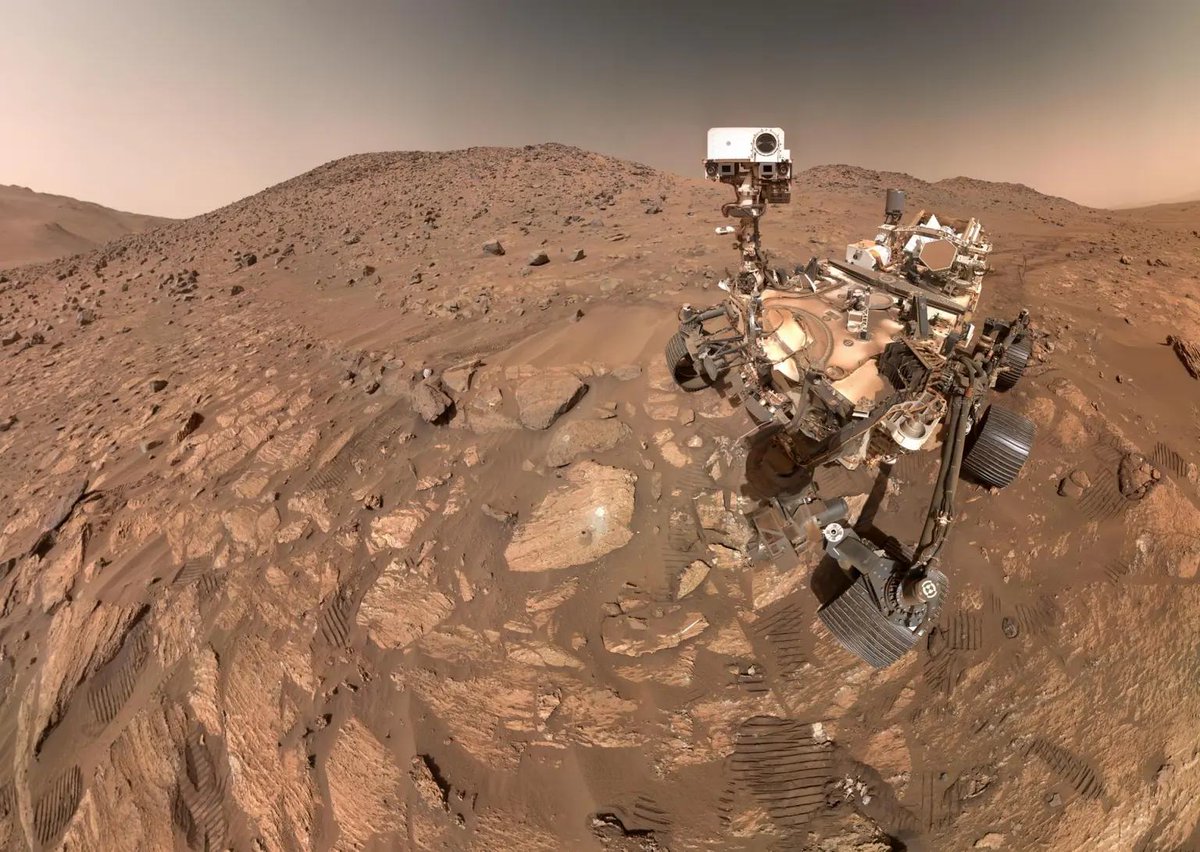
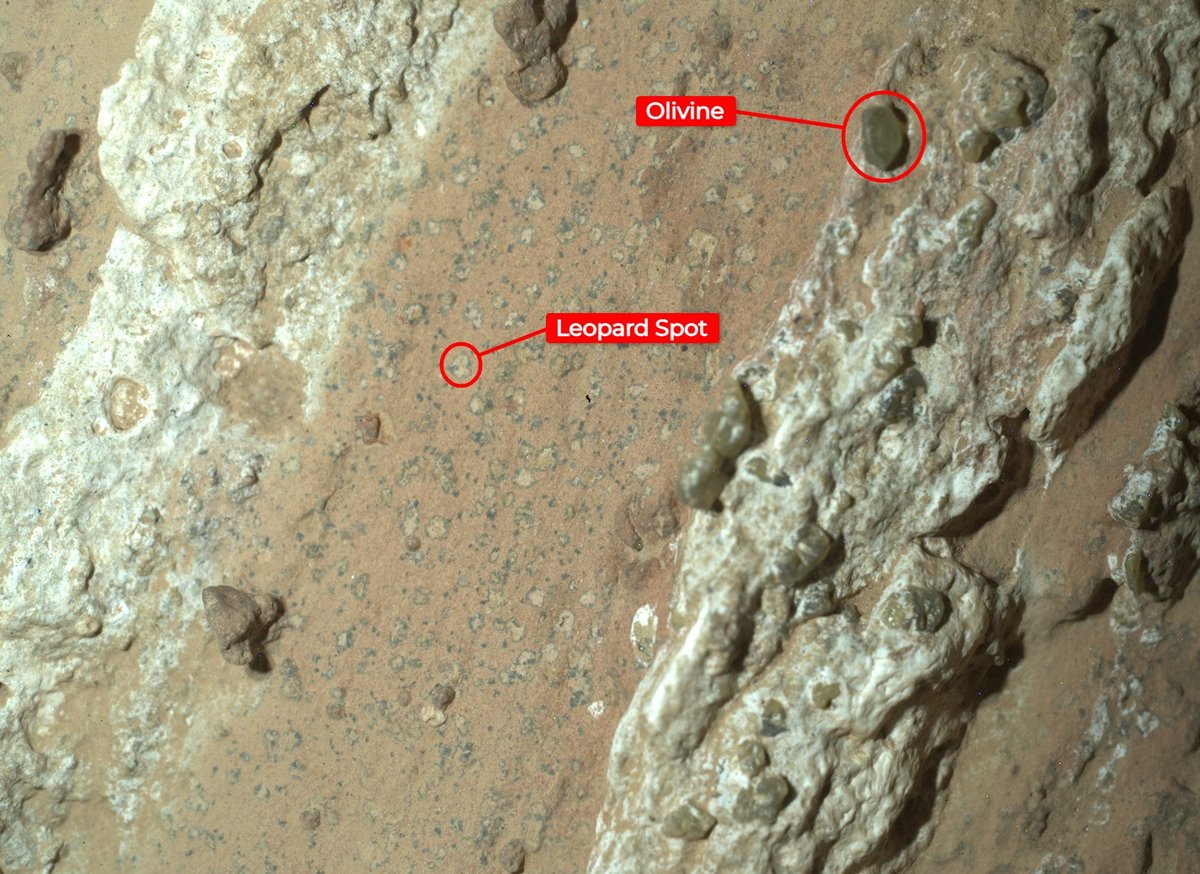
Remember the “leopard spots” rock Perseverance sampled last year?
After a year of scientific scrutiny, the rock remains the mission's best candidate for containing signs of ancient microbial life processes. More on this peer-reviewed finding: https://t.co/p1a0N3o4ZL
Every discovery on Mars brings us closer to our next giant leap with #Artemis.
Perseverance’s “Sapphire Canyon” sample may hold signs of ancient microbial life, collected from a river-carved valley rich in organics and key elements. 🔗 https://t.co/Zh8N7C70lr