Latest paper from my PhD is now out in @molecology! To investigate whether baleen whales have the genetic capacity to smell, I developed a gene mining pipeline and explored the forces shaping whale olfactory receptor evolution. Check it out here: https://t.co/ikFFMer1Hp
🧵 Exciting news! Our paper, "Microbial colonization programs are structured by breastfeeding and guide healthy respiratory development," is out today in @CellCellPress ! 🎉 Amazing collaboration with @MeghanAzad and @CHILDSTUDY
https://t.co/QQxw483ECk
Latest paper from my PhD is now out in @molecology! To investigate whether baleen whales have the genetic capacity to smell, I developed a gene mining pipeline and explored the forces shaping whale olfactory receptor evolution. Check it out here: https://t.co/ikFFMer1Hp
@mikejg84 Also interesting that they note that primary cilia could have a role in the circadian rhythm and that 5-HTR6 was identified in a GWAS study for bipolar, especially due to the prevalence of circadian rhythm disturbances in patients with bipolar disorder.
@mikejg84 Intriguing, I wonder what specific purposes axo-ciliary synapses serve. Sounds like they could be a more direct route to modulating gene regulatory and epigenetic changes.
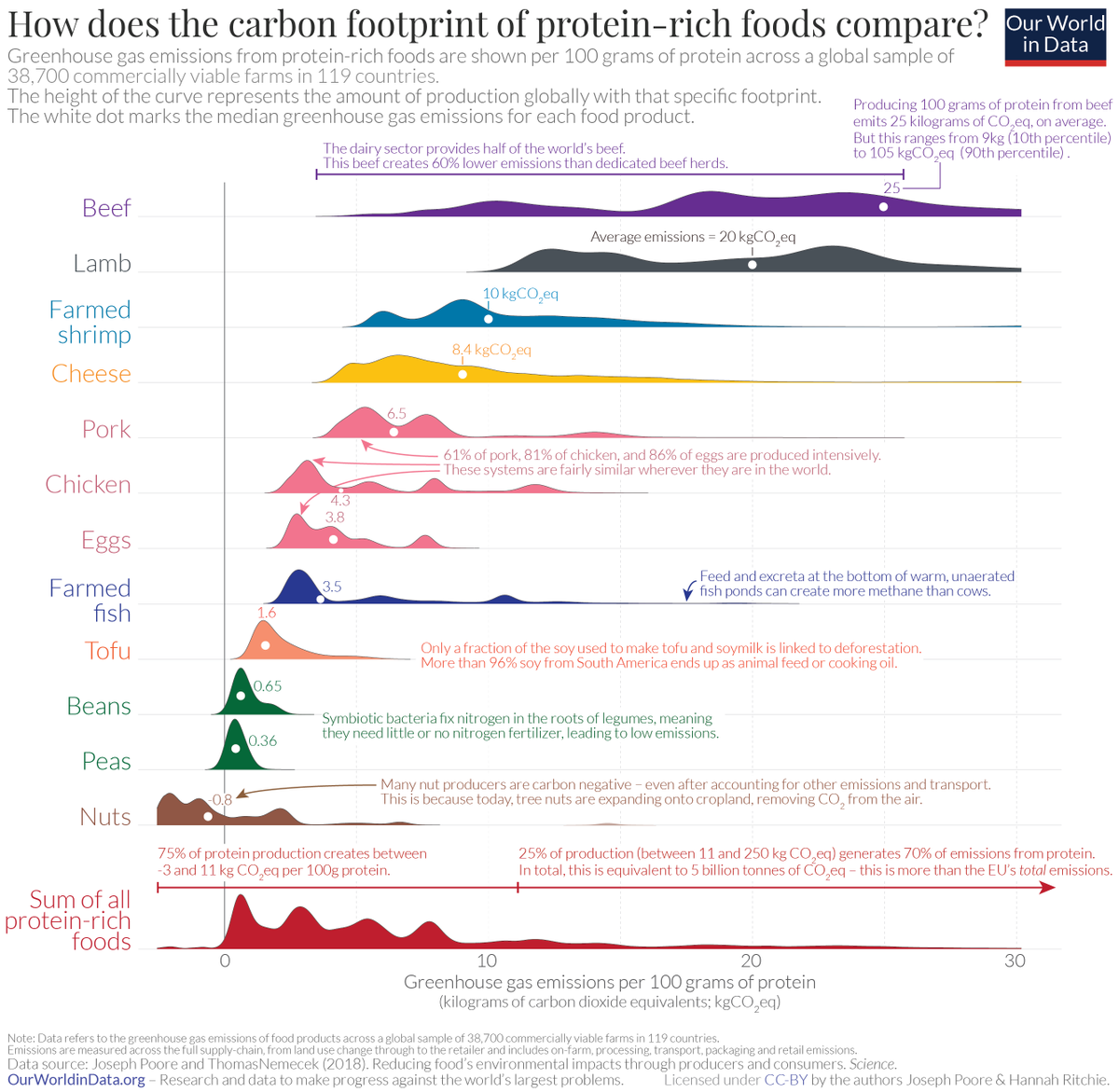
An issue when comparing the average carbon footprint of food is that it hides the variation *within* a given food.
But the key message doesn't change: the 'best' (lowest impact) meats still tend to emit more than the 'worst' plant-based foods.
https://t.co/xslz3mXDMg
When people think of melting ice, they think about the poles and sea level rise—it also means less snowmelt for lakes, rivers, and resivoirs. It means more drought and aridity, and that is already affecting CA and other Western US states. https://t.co/l17FUTTSbe
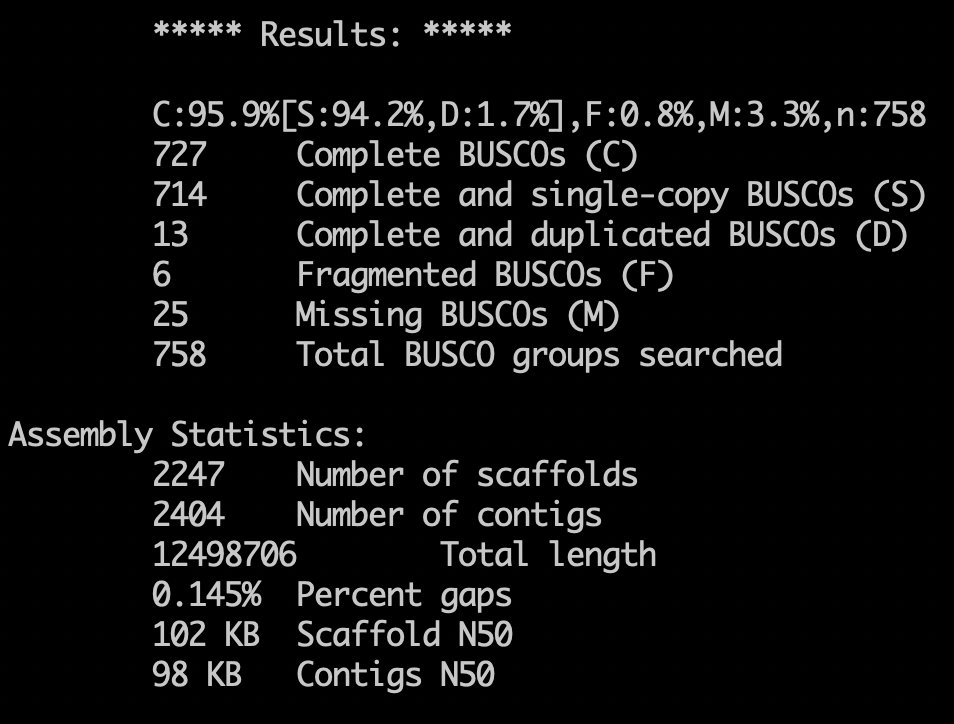
#BUSCOv5 (v5.4.2) now provides additional #genome assembly metrics such as assembly size, contig/scaffold N50 and %gaps to facilitate the overall quality assessment. No more need to run separate scripts to calculate these ;)
@choldgraf@ProjectJupyter Jupyter does have its limitations for R, like not supporting the View function—its a bit of a hassle when working with large dataframes
@KWhiteheadLab Its a horrible system that incentivizes exploitation, as professors have to somehow get enough “work” out of their underpaid students to justify the cost of supporting them, and makes it harder for labs to support international students who don’t qualify for national grants.
@JacquelynGill It also reduces lives to our outputs, implying people only have worth as far as they fit into a narrow version of “productive.”
Besides, great scientists don’t act in isolation, they’re supported by mentors, peers, and students/staff who deserve freedom over their live choices.
@strnr Seconding the “Building Habits” series that @notadiabatic mentioned— it focuses on mastering the fundamentals first which is really important. Also try looking for recordings on youtube where chess streamers (eg Anna Rudolf) train others for tournaments.
This morning I chatted to Kathryn Ryan about my research and the impacts of climate change on some of our seabirds. Wrap your ears around it here: https://t.co/mWyvrRy6NG