The White House proposes sweeping changes to federal grant-making. APS Science Policy Director Rebecca Osthus discusses what’s at stake and how to make your voice be heard.
Submit a comment by 7/13: https://t.co/mpPoZZLZpY #SciPol#Advocacy#FightForPhysiology
Muscle aging may be about quality, not just size.
New research suggests shifts in water inside vs. outside muscle cells may help explain changes in strength and mobility. Read more in @PhysRep:
https://t.co/h9ojsRTNDs #ArticlesInPress#AgingResearch#MuscleAging
📷: @istock
Missing your new friends and familiar colleagues from your week at APS Summit?
Take some time to relive #APS2026 ... check out the conference session abstracts in @physiol_journal.
Find them all here: https://t.co/0s8ZCBGlBO #WeArePhysiology#Physiology
Your gut doesn’t just move—it listens for when to slow down.
New research highlights specialized cells that help send “pause” signals through the digestive tract—key to coordinated, healthy gut movement. More in @physiolrev:
https://t.co/cGOn33RDO6 #ArticlesInPress
📷: @istock
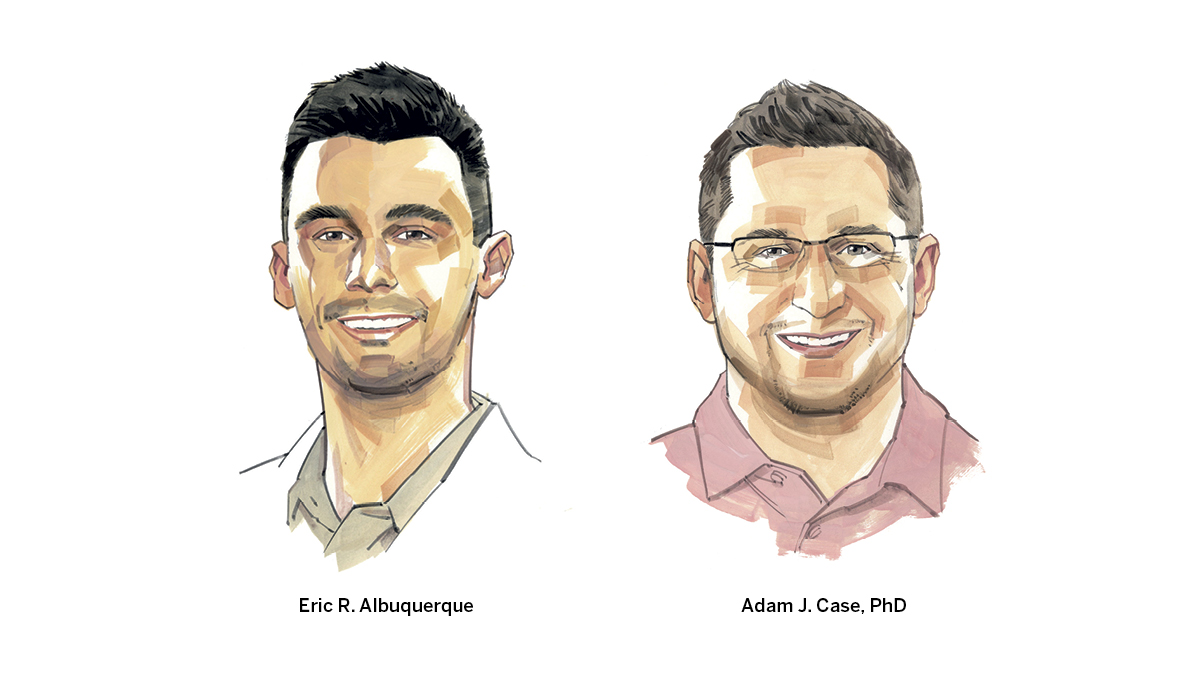
How can you best harness the power of AI in your lab?
APS members Eric Albuquerque and Adam Case tackle that topic and more in our Mentoring Q&A from the May issue of #TPhysMag: https://t.co/0285Ynbytm @caseredoxlab#ProfDev#Physiology
⌛It's not too late!
We're now accepting late-breaking abstracts for #Comparative2026. Submit your poster today and get ready to join us in Orlando Sept 17-20. But don't delay—the deadline is July 20.
For full details: https://t.co/2TyzCcyRwe #ProfDev#ComparativePhysiology
What happens when the brain “turns off” automatic breathing?
In @JNeurophysiol, new research shows stimulation of a deep movement-related brain region briefly stopped involuntary breathing—w/o patients realizing it: https://t.co/AyaTLwKWmr #ArticlesInPress#APSselect
📷: @istock
In physiology, the “sixth sense” has nothing to do with seeing dead people. 😉 It’s your body’s built-in system for constantly tracking what’s happening inside to help keep you safe. Learn more from APS member @BabatundeAnidu on the #ISpyPhysiology blog: https://t.co/uiVLW2eUlD
⚠️Make your voice heard!
The White House OMB's proposed changes to the federal research grant process would affect every scientist who receives federal funding.
Find out what APS is doing and how you can help:
https://t.co/MhpoHpqsGT #FightForPhysiology#Advocacy#SciPol
A potentially big step forward in #LungCancer prevention...
Researchers have identified proteins that could signal increased lung cancer risk, as well as a drug that could reduce the odds of a tumor developing. More from @nytimes: https://t.co/HsOaGl2MSZ #ISpyPhysiology
#KidneyCamp attendees: fresh conference details are now available!
Get all the info on:
➡️Full slate of engaging sessions with top renal researchers
➡️Waterfront breakfast
➡️Poster sessions
➡️Networking lunches
➡️Al fresco group dinners
...and more!
https://t.co/RP0G4IwgaN
Interesting new research in @AJPHeartCirc suggests parental obesity may worsen memory and heart function in offspring already predisposed to #Alzheimer’s disease—even when the next generation remains lean:
https://t.co/QIJd4vV3oj #ArticlesInPress#APSselect
📷: @istock
It's #WorldOceansDay🌊
Did you know that ocean tides can affect heart function?
Truth is, our bodies react to even the most subtle gravitational shifts—and influence our physiology.
More on the fascinating research in this recent #ISpyPhysiology blog:
https://t.co/srR9ZxqPKU
Cancer treatment can weaken more than tumors.
New research in @AJPCellPhys links rapid muscle shrinkage with chemotherapy during #BreastCancer treatment. Understanding the process could help inform treatment options: https://t.co/u8BkOHfVwq #ArticlesInPress#APSselect
📷: @istock
You can help!
APS is seeking applications for our Finance & Audit Committee. Help advance our mission by supporting the Board of Directors' fiduciary responsibilities. But hurry: the deadline is this Sunday, June 14.
Learn more: https://t.co/c7xOmrgxPx #ProfDev
📷: @istock
Did you know?
According to a @WHO analysis, nearly half of all preventable cancer cases worldwide are linked to just *two* lifestyle habits.
Find out how you can lower your cancer risks from @ScienceAlert:
https://t.co/UEmxqWcVqA #ISpyPhysiology#FridayPhysiologyFact
June's best is here! New in #APSselect:
🔸How chemotherapy can rapidly weaken muscle
🔸What happens when the brain “turns off” automatic breathing
🔸Parental obesity’s link to Alzheimer’s-related vulnerability
...and much more: https://t.co/Uk0eNUfW0E #ArticlesInPress
📷: @istock
⏰Early registration for #Comparative2026 is open!
The conference is Sept 17-20 and is a prime opportunity to meet and collaborate with your peers in #ComparativePhysiology.
Be sure to sign up by July 31 to get the lower rate! Full details:
https://t.co/dZnaftsjnZ #ProfDev
Protein is all the rage these days—it's seemingly infused in everything from cereal to coffee.
But, like anything else, too much can be bad for you.
Read more from @nytimes on the perils of excessive #protein consumption: https://t.co/Et8kXfryNp #ISpyPhysiology#HealthyEating