Od lat zawodowo zajmuję się tematami eksploracji kosmosu, w tym Księżyca. I jest coś, co powtarza się z zadziwiającą regularnością. Niechętnie zgłębiam to bagienko, ale drodzy denialiści – ten wpis jest dla Was :*
Za każdym razem, gdy publikuję informacje o postępach programu Artemis II, pojawia się fala komentarzy: „to CGI”, „to nigdy się nie wydarzyło”, „Apollo to był spisek” i jeszcze sporo innych nieco bardziej dosadnie wyśmiewających naiwność ludzi zachwycających się eksploracją kosmosu. Ba! Nie raz kłóciłem się ze znajomymi, o których mam bardzo dobre zdanie, którzy nie wierzą, że @astro_slawosz był na orbicie bo „widać sznurki” na nagraniach.
Współczesne badania [1] pokazują, że nie jest to marginalne zjawisko:
- ok. 10–20% społeczeństwa uważa lub dopuszcza, że lądowanie na Księżycu było sfingowane (YouGov, 2023; Ipsos/C-SPAN, 2019; Carsey School, 2022),
- w niektórych grupach (szczególnie młodszych) odsetek „otwartości” na tę tezę sięga nawet ~30% (YouGov, 2019 – dane dla osób <50 lat).
Co ciekawe – nie chodzi tylko o brak wiedzy, bowiem badania nad teoriami spiskowymi [2] pokazują, że:
- niższe wykształcenie sprzyja wierze w proste teorie (np. płaska Ziemia, reptilianie),
-bardziej złożone teorie (jak „Apollo hoax”) częściej wiążą się z czynnikami takimi jak brak zaufania do instytucji i silne przekonania światopoglądowe.
Z własnego doświadczenia mogę potwierdzić: spotkałem więcej osób na wysokich stanowiskach, dobrze wykształconych, które kwestionują lądowanie na Księżycu, niż takich, które wierzą w płaską Ziemię. Muszę przyznać, że za każdym razem wprawia mnie to w spore zakłopotanie i zażenowanie. Rozmawiasz sobie z szefem jakiejś instytucji, której nierzadko społeczeństwo powierzyło duże środki finansowe w zarządzanie, rozmowa się klei, osoba rozumie gospodarkę, biznes kosmiczny a na koniec zadaje pytanie „ale Pan tak serio wierzy, że Amerykanie tam byli?”. To zawsze trudny moment i spore rozczarowanie, bo świadczy o przekonaniu tej osoby, że gdzieś tam na górze, nawet adwersarze geopolityczni dogadali się, żebyśmy wierzyli w lądowanie księżycowe.
Nie wiem czy wiecie, ale lądowania Apollo potwierdza nie tylko NASA. Istnieje szeroki zestaw niezależnych dowodów:
- Indie (ISRO – Chandrayaan-2)
Zdjęcia modułów Apollo zostały wykonane przez indyjski orbiter Chandrayaan-2. Wysokorozdzielcze zdjęcia miejsc lądowań Apollo 11 i 12 pokazują pozostawione elementy sprzętu na powierzchni Księżyca [3].
- Chiny (program Chang’e)
Chińska sonda Chang’e-2 wykonywała obrazy powierzchni o rozdzielczości ~1.3 m. Chińczycy potwierdzili, że na wysokorozdzielczych fotografiach znaleźli lądowniki i ślady obecności programu Apollo [4].
- ZSRR (kontekst historyczny)
Związek Radziecki posiadał pełne zdolności śledzenia misji Apollo (radiowe i radarowe) i nigdy nie zakwestionował lądowań, mimo że był to bezpośredni rywal technologiczny. Pomyślcie – dla nich byłoby to propagandowe złoto, gdyby były choćby najmniejsze wątpliwości, punkty zaczepienia.
- Dodatkowo – pomiary naukowe
Reflektory laserowe pozostawione przez astronautów działają do dziś i są wykorzystywane globalnie do precyzyjnych pomiarów odległości Ziemia–Księżyc. Znam ludzi, którzy korzystają z tych reflektorów do swoich badań. Jeśli komuś bardzo zależy na weryfikacji tego czy te reflektory są w odpowiednich miejscach na Księżycu, jest w stanie złożyć sprzęt do takiej weryfikacji samemu, choć nie jest to tania zabawa.
Z mojego punktu widzenia podatność na „moon hoax” jest zbliżona do podatności na teorię płaskiej Ziemi, choć opakowana w bardziej złożoną narrację. Różnice widać głównie w stylu argumentacji, nie w samym mechanizmie. Nie zmienia to faktu, że zdolność do wiary w przekręt księżycowy świadczy o pewnym wypaczonym spojrzeniu na świat. Nieufności do instytucji oraz do wierze w to, że ponad maskami geopolitycznych sporów istnieje międzynarodowa, globalna kooperacja na rzecz wmówienia ludziom nieprawdy o obecności ludzi na Księżycu. Po co? Tego chyba nie wiadomo, ale spodziewałbym się odpowiedzi analogicznych do spisku kulistej planety. Czyli ogólnie chodzi o to, żeby nas ogłupić (znam prostsze sposoby, np. tiktok, na którym tak wielu wyznawców tych teorii wyszukuje treści).
Na koniec mam prosty test myślowy:
Jeśli ktoś nie wierzy w lądowanie na Księżycu albo w postępy programu Artemis to zastanów się: czy istnieje jakikolwiek dowód, który mógłby zmienić Twoje zdanie?
Jeżeli odpowiedź brzmi „nie”, warto się na chwilę zatrzymać i sprawdzić, czy nie wpadliśmy w zamknięty model interpretowania rzeczywistości.
Bo wtedy problem przestaje dotyczyć samego Księżyca.
Źródła:
[1] YouGov (2023): Which conspiracy theories do Americans believe?; Carsey School of Public Policy (2022): Conspiracy vs. Science Survey; Ipsos / C-SPAN (2019); YouGov (2019)
[2] Uscinski & Parent (2014); van Prooijen (2017); Nature Scientific Reports (2024)
[3] www. indiatoday. in/science/story/when-chandrayaan-2-found-neil-armstrongs-apollo-lander-on-the-moon-2517826-2024-03-21
[4] english. cas. cn/Special_Reports/rd/2012/202210/t20221017_321620.shtml
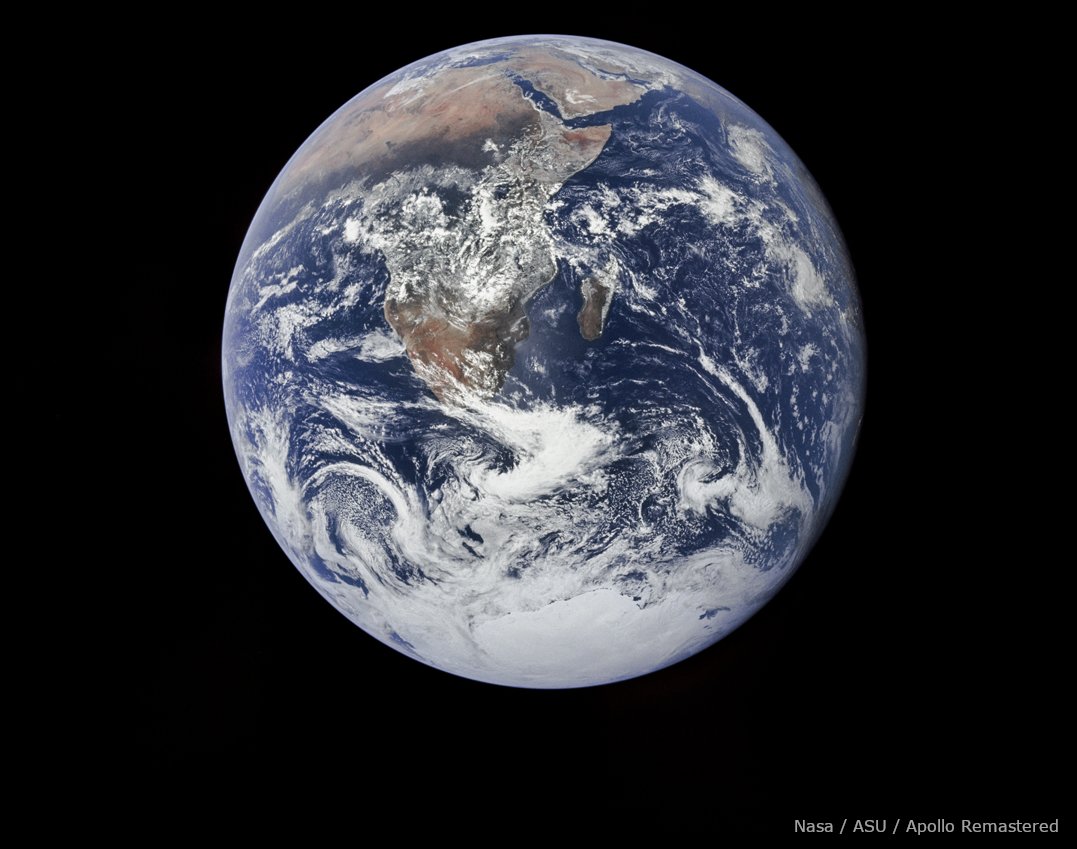
That's us! 🌍
The Artemis II crew captured beautiful, high-resolution images of our home planet during their journey to the Moon. As @Astro_Christina put it: "You guys look great."
Meet Gemma 4: our new family of open models you can run on your own hardware.
Built for advanced reasoning and agentic workflows, we’re releasing them under an Apache 2.0 license. Here’s what’s new 🧵
Software horror: litellm PyPI supply chain attack.
Simple `pip install litellm` was enough to exfiltrate SSH keys, AWS/GCP/Azure creds, Kubernetes configs, git credentials, env vars (all your API keys), shell history, crypto wallets, SSL private keys, CI/CD secrets, database passwords.
LiteLLM itself has 97 million downloads per month which is already terrible, but much worse, the contagion spreads to any project that depends on litellm. For example, if you did `pip install dspy` (which depended on litellm>=1.64.0), you'd also be pwnd. Same for any other large project that depended on litellm.
Afaict the poisoned version was up for only less than ~1 hour. The attack had a bug which led to its discovery - Callum McMahon was using an MCP plugin inside Cursor that pulled in litellm as a transitive dependency. When litellm 1.82.8 installed, their machine ran out of RAM and crashed. So if the attacker didn't vibe code this attack it could have been undetected for many days or weeks.
Supply chain attacks like this are basically the scariest thing imaginable in modern software. Every time you install any depedency you could be pulling in a poisoned package anywhere deep inside its entire depedency tree. This is especially risky with large projects that might have lots and lots of dependencies. The credentials that do get stolen in each attack can then be used to take over more accounts and compromise more packages.
Classical software engineering would have you believe that dependencies are good (we're building pyramids from bricks), but imo this has to be re-evaluated, and it's why I've been so growingly averse to them, preferring to use LLMs to "yoink" functionality when it's simple enough and possible.
Prof. Donald Knuth opened his new paper with "Shock! Shock!"
Claude Opus 4.6 had just solved an open problem he'd been working on for weeks — a graph decomposition conjecture from The Art of Computer Programming.
He named the paper "Claude's Cycles."
31 explorations. ~1 hour. Knuth read the output, wrote the formal proof, and closed with: "It seems I'll have to revise my opinions about generative AI one of these days."
The man who wrote the bible of computer science just said that. In a paper named after an AI.
Paper: https://t.co/juSOmK9vOt
Over 1,300 Stripe pull requests merged each week are completely minion-produced, human-reviewed, but contain no human-written code (up from 1,000 last week).
How we built minions: https://t.co/GazfpFU6L4.
Here's what AI-assisted development looks like at scale at Block.
Repo readiness
Context engineering
Parallel agents
Automated PRs
https://t.co/kIN4szIiXD
The Adolescence of Technology: an essay on the risks posed by powerful AI to national security, economies and democracy—and how we can defend against them: https://t.co/0phIiJjrmz
We’ve added /llms.txt and Markdown to @stripe docs: https://t.co/mG9FIaXLTS
Use the .md pages to quickly move Stripe knowledge into your LLM of choice. 📄
Nvidia showcases Blue, a cute little robot powered by the Newton physics engine.
This was the „wow“-moment for me. Robots are coming. This time for real.
And I am all in for it!
#BlueGhost has been busy since parking on the Moon! Just in the last two days, the data we've downlinked jumped from 27 GB to 57 GB as we continue @NASA payload operations. This includes deploying Lunar PlanetVac and sampling lunar regolith, deploying the Electrodynamic Dust Shield and demonstrating dust mitigation, capturing images from SCALPSS, and continuing operations for the other payloads. Get more details on the #BGM1 payloads here: https://t.co/3M4hvfTfql
Apple's AI crisis 📱, private lunar landing 🚀, vibe coding 👨💻
TLDR 2025-03-03
📱Big Tech & Startups
Apple's Artificial Intelligence Efforts Reach a Make-or-Break Point
Apple's AI division now believes that a true modernized conversational version of Siri won't reach consumers until iOS 20 at best in 2027. iOS 19 will likely not include any significant consumer-facing changes to Apple Intelligence because the company is still working on getting the features announced last year out the door. The company is currently not moving fast enough internally to create the underlying AI technology that it needs to keep up with the competition, suggesting that change is required.
With Alexa Plus, Amazon finally reinvents its best product
Amazon usually announces dozens of new gadgets at its event, but it spent 70 minutes at its press conference last week instead talking about Alexa Plus, its new generative AI-powered Alexa voice assistant. The company has focused on building cheap hardware for Alexa over the past decade and wasting efforts on failed ways for people to interact with the assistant rather than improving the core technology. The new Alexa was 100% rearchitected and is far more capable than its predecessor - which will remain accessible. It can order food, control smart home devices, create natural language security reports and menus, and much more.
🚀Science & Futuristic Technology
Alphabet's Taara chip uses light beams to provide high-speed internet
Alphabet's Taara chip could lead to low-cost, high-speed internet connectivity even in distant locations. It is about the size of a fingernail and works by using a very narrow, invisible light beam to transmit data at speeds as high as 20 gigabits per second at distances of up to 20 kilometers. The technology works similarly to traditional fiber except the light doesn't travel through cables. It only takes days to install instead of the months or years it takes to lay down fiber. The chip is expected to become available in 2026.
"We're on the moon": private Blue Ghost spacecraft makes a historic lunar landing
Firefly Aerospace's Blue Ghost lander successfully touched down on the Moon's surface early Sunday morning. The smooth touchdown makes Firefly Aerospace the first commercial company in history to achieve a fully successful soft landing on the Moon. Blue Ghost is carrying 10 NASA experiments on board. The lander will capture high-definition imagery of the March 14 total eclipse, when the Earth will pass between the Moon and the Sun.
💻Programming, Design & Data Science
Vibe Coding and the Future of Software Engineering
Vibe Coding is a mode of coding where the developer fully gives into the vibes and forgets that the code even exists - this is made possible by large language models (LLMs). Developers can now just talk to LLMs and write code while barely even touching the keyboard. Even looking at the code becomes unnecessary. The Vibe Coding meme is a hint at where things are headed - developers are building towards a future where AI can be harnessed to build better software products safely and efficiently.
Hallucinations in code are the least dangerous form of LLM mistakes
Large language models (LLMs) make coding mistakes that aren't instantly caught by the language compiler or interpreter all the time. Hallucinations in LLM-generated code are usually obvious because they result in an error, but just because code looks good and runs without errors, doesn't mean it's actually doing the right thing. One of the reasons LLMs won't put software professionals out of work is because their job is to prove that code works - manually testing code is essential. Being able to read, understand, and review code written by other people is a crucial skill.
🎁Miscellaneous
The Vanishing Middle Class of Tech
The stable middle ground of tech employment - the middle-class engineer - isn't needed anymore. Product builders who can code can ship entire products in days when armed with AI. A single developer can now accomplish what once required an entire team. Companies are streamlining their operations, focusing on engineers who can use AI and demonstrate they can do the job of multiple engineers. The biggest losers in this shift may be the fresh graduates looking to enter the industry - recent graduates now have to be better than people already working.
“It's a lemon”—OpenAI's largest AI model ever arrives to mixed reviews
Reviews say that OpenAI's newest AI model, GPT-4.5, is big, expensive, and slow. The model provides marginally better performance than GPT-4o at 30 times the cost for input and 15 times the cost for output. There seems to be diminishing returns in training unsupervised-learning large language models - scaling laws may have possibly met their natural end. OpenAI seems well aware of these limitations, which is why it released the model as a limited 'research preview'.
⚡Quick Links
Reimagining Fluid Typography
Users want their default font sizes to respond to changes in window sizes, but browsers (as a rule) don't make responsive typography available in user settings.
The surveillance tech waiting for workers as they return to the office
Around 70% to 80% of large US employers now use some form of employee monitoring using all kinds of sensor data.
JavaScript Fatigue Strikes Back
Choosing the right JavaScript framework is a difficult task - developers should choose boring, simple, and well-maintained technology so they aren't the first team to ever encounter a problem or the last team stuck using old technology.
On Troubleshooting
Many features of an effective approach to troubleshooting are domain agnostic.
The $100 Trillion Disruption: The Unforeseen Economic Earthquake
The biggest economic transformation of our lifetime may come from diabetes drugs.
AI is killing some companies, yet others are thriving - let's look at the data
AI is upending the business models of major content sites in a phenomenon being called Product-Market Fit Collapse.
If you enjoyed this post...
1) Follow @tldrnewsletter for more daily updates
2) Subscribe to our free email newsletter using the link in our bio.
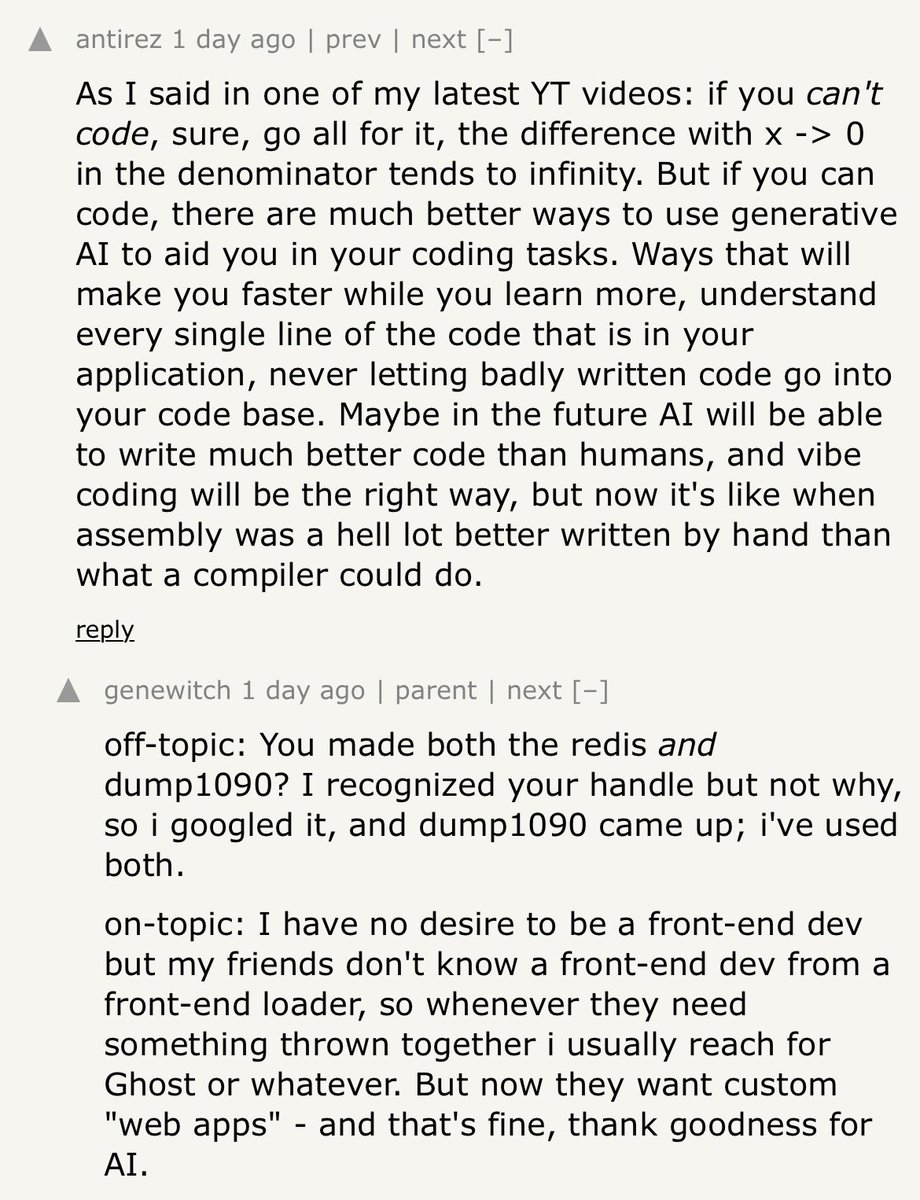
I’ve hit the front page of hackernews with this post over the weekend and didn’t notice. Even redis creator @antirez commented, what an honor! No better motivation to keep writing, thanks :))






![jj_kowalewski's tweet photo. Od lat zawodowo zajmuję się tematami eksploracji kosmosu, w tym Księżyca. I jest coś, co powtarza się z zadziwiającą regularnością. Niechętnie zgłębiam to bagienko, ale drodzy denialiści – ten wpis jest dla Was :*
Za każdym razem, gdy publikuję informacje o postępach programu Artemis II, pojawia się fala komentarzy: „to CGI”, „to nigdy się nie wydarzyło”, „Apollo to był spisek” i jeszcze sporo innych nieco bardziej dosadnie wyśmiewających naiwność ludzi zachwycających się eksploracją kosmosu. Ba! Nie raz kłóciłem się ze znajomymi, o których mam bardzo dobre zdanie, którzy nie wierzą, że @astro_slawosz był na orbicie bo „widać sznurki” na nagraniach.
Współczesne badania [1] pokazują, że nie jest to marginalne zjawisko:
- ok. 10–20% społeczeństwa uważa lub dopuszcza, że lądowanie na Księżycu było sfingowane (YouGov, 2023; Ipsos/C-SPAN, 2019; Carsey School, 2022),
- w niektórych grupach (szczególnie młodszych) odsetek „otwartości” na tę tezę sięga nawet ~30% (YouGov, 2019 – dane dla osób <50 lat).
Co ciekawe – nie chodzi tylko o brak wiedzy, bowiem badania nad teoriami spiskowymi [2] pokazują, że:
- niższe wykształcenie sprzyja wierze w proste teorie (np. płaska Ziemia, reptilianie),
-bardziej złożone teorie (jak „Apollo hoax”) częściej wiążą się z czynnikami takimi jak brak zaufania do instytucji i silne przekonania światopoglądowe.
Z własnego doświadczenia mogę potwierdzić: spotkałem więcej osób na wysokich stanowiskach, dobrze wykształconych, które kwestionują lądowanie na Księżycu, niż takich, które wierzą w płaską Ziemię. Muszę przyznać, że za każdym razem wprawia mnie to w spore zakłopotanie i zażenowanie. Rozmawiasz sobie z szefem jakiejś instytucji, której nierzadko społeczeństwo powierzyło duże środki finansowe w zarządzanie, rozmowa się klei, osoba rozumie gospodarkę, biznes kosmiczny a na koniec zadaje pytanie „ale Pan tak serio wierzy, że Amerykanie tam byli?”. To zawsze trudny moment i spore rozczarowanie, bo świadczy o przekonaniu tej osoby, że gdzieś tam na górze, nawet adwersarze geopolityczni dogadali się, żebyśmy wierzyli w lądowanie księżycowe.
Nie wiem czy wiecie, ale lądowania Apollo potwierdza nie tylko NASA. Istnieje szeroki zestaw niezależnych dowodów:
- Indie (ISRO – Chandrayaan-2)
Zdjęcia modułów Apollo zostały wykonane przez indyjski orbiter Chandrayaan-2. Wysokorozdzielcze zdjęcia miejsc lądowań Apollo 11 i 12 pokazują pozostawione elementy sprzętu na powierzchni Księżyca [3].
- Chiny (program Chang’e)
Chińska sonda Chang’e-2 wykonywała obrazy powierzchni o rozdzielczości ~1.3 m. Chińczycy potwierdzili, że na wysokorozdzielczych fotografiach znaleźli lądowniki i ślady obecności programu Apollo [4].
- ZSRR (kontekst historyczny)
Związek Radziecki posiadał pełne zdolności śledzenia misji Apollo (radiowe i radarowe) i nigdy nie zakwestionował lądowań, mimo że był to bezpośredni rywal technologiczny. Pomyślcie – dla nich byłoby to propagandowe złoto, gdyby były choćby najmniejsze wątpliwości, punkty zaczepienia.
- Dodatkowo – pomiary naukowe
Reflektory laserowe pozostawione przez astronautów działają do dziś i są wykorzystywane globalnie do precyzyjnych pomiarów odległości Ziemia–Księżyc. Znam ludzi, którzy korzystają z tych reflektorów do swoich badań. Jeśli komuś bardzo zależy na weryfikacji tego czy te reflektory są w odpowiednich miejscach na Księżycu, jest w stanie złożyć sprzęt do takiej weryfikacji samemu, choć nie jest to tania zabawa.
Z mojego punktu widzenia podatność na „moon hoax” jest zbliżona do podatności na teorię płaskiej Ziemi, choć opakowana w bardziej złożoną narrację. Różnice widać głównie w stylu argumentacji, nie w samym mechanizmie. Nie zmienia to faktu, że zdolność do wiary w przekręt księżycowy świadczy o pewnym wypaczonym spojrzeniu na świat. Nieufności do instytucji oraz do wierze w to, że ponad maskami geopolitycznych sporów istnieje międzynarodowa, globalna kooperacja na rzecz wmówienia ludziom nieprawdy o obecności ludzi na Księżycu. Po co? Tego chyba nie wiadomo, ale spodziewałbym się odpowiedzi analogicznych do spisku kulistej planety. Czyli ogólnie chodzi o to, żeby nas ogłupić (znam prostsze sposoby, np. tiktok, na którym tak wielu wyznawców tych teorii wyszukuje treści).
Na koniec mam prosty test myślowy:
Jeśli ktoś nie wierzy w lądowanie na Księżycu albo w postępy programu Artemis to zastanów się: czy istnieje jakikolwiek dowód, który mógłby zmienić Twoje zdanie?
Jeżeli odpowiedź brzmi „nie”, warto się na chwilę zatrzymać i sprawdzić, czy nie wpadliśmy w zamknięty model interpretowania rzeczywistości.
Bo wtedy problem przestaje dotyczyć samego Księżyca.
Źródła:
[1] YouGov (2023): Which conspiracy theories do Americans believe?; Carsey School of Public Policy (2022): Conspiracy vs. Science Survey; Ipsos / C-SPAN (2019); YouGov (2019)
[2] Uscinski & Parent (2014); van Prooijen (2017); Nature Scientific Reports (2024)
[3] www. indiatoday. in/science/story/when-chandrayaan-2-found-neil-armstrongs-apollo-lander-on-the-moon-2517826-2024-03-21
[4] english. cas. cn/Special_Reports/rd/2012/202210/t20221017_321620.shtml](https://pbs.twimg.com/media/HFEM_XkXQAA2SO1.png)