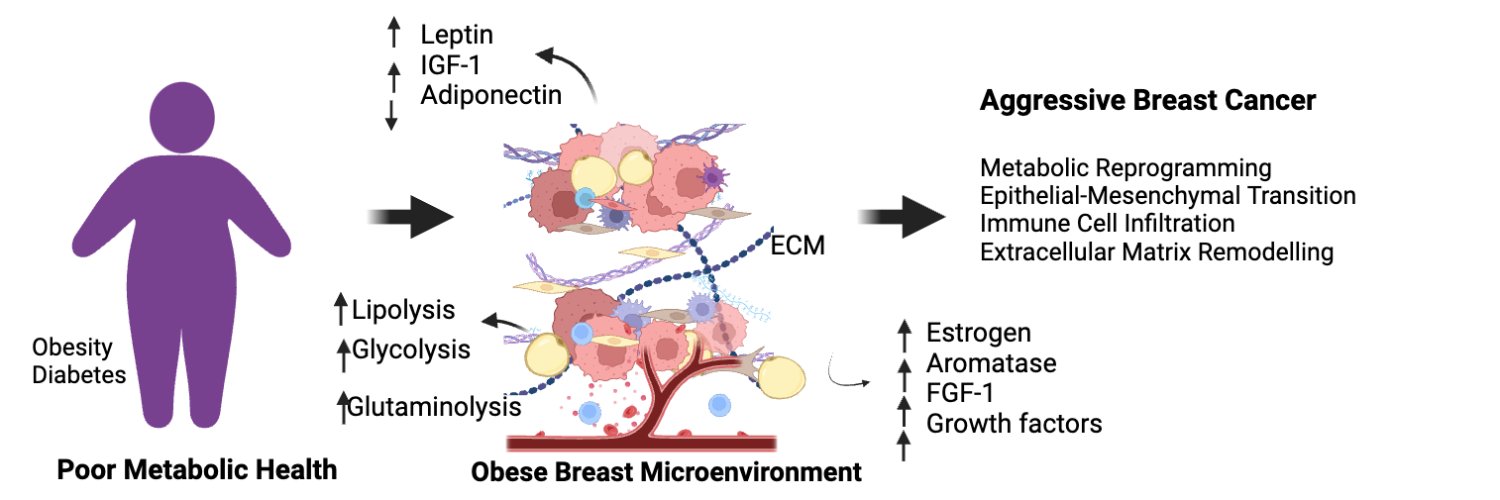
In our latest review on the impact of poor metabolic health on aggressive breast cancer, we critically assess the ties between adipose tissue dysfunction, tumor cell metabolism, and FGFR signaling on the hallmarks of aggressive breast cancer. https://t.co/sVMr58jqLW
Dr. Charles Perou's lab (@UNC) has created an extensive mouse models dataset made of 26 immunocompetent mammary tumor models. They span diverse genetic backgrounds, epithelial–mesenchymal states, the basal–luminal axis, & distinct immune microenvironments: https://t.co/FmCtypgiMF
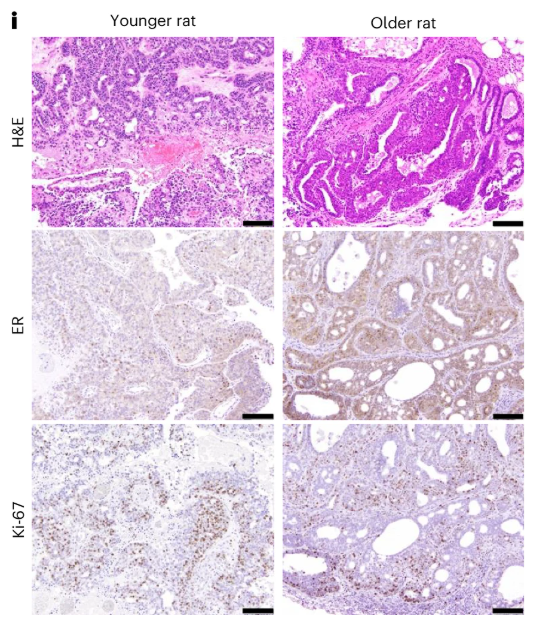
Estrogen receptor-positive #BreastCancer is the most common subtype of breast cancer and is an age-related disease.
Researchers at the Lee lab at @UPMCHillmanCC identified age-associated differences in tumor development and immune features: https://t.co/hdCuV27GpE
Investigators at @UCIrvine reveal that USP7 is broadly upregulated in breast cancer, including triple-negative breast cancer #TNBC, a subtype characterized by near-universal TP53 loss.
👉 https://t.co/aSTVo7lhq1
📖 The authors summarize the main immunological features of human breast tumors, whenever possible comparing across disease subtypes, stages, and treatment outcomes.
@NatRevImmunol | https://t.co/uuGYD6YbCh
Hot off the press in @cddpress! 🔥
Led by Drs. Kum Kum Khanna and Prahlad Raninga, this study provides a mechanistic rationale for repurposing auranofin in combination with EGFR inhibitors as a novel therapeutic strategy for EGFR-high #TNBC.
🔗 https://t.co/KcOd11gaJg
“Akans have a higher proportion of higher risk variants of the APOL 1 gene, which is linked to kidney disease, compared to the GAs and Ewes”
—Head of the Department of Medicine and Therapeutics at the University of Ghana Medical School, Prof. Vincent Boima reveals new research findings.
[🎥: Channel1tv]
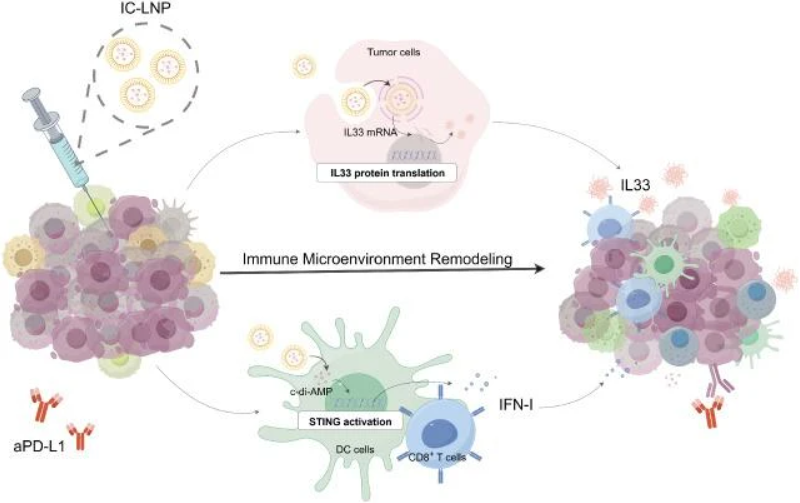
This study provides a basis for further development of combination immunotherapy strategies for poorly immunogenic breast cancer, including strategies to improve responses to checkpoint blockade.
@JNanobiotech | https://t.co/DH9MRN0YbK
Very proud to share our study of maternal exercise confined to the lactation window for developmental improvements in pup metabolism. Thanks to the team and @SableSys for the diligent efforts and great discussions! We'll done all.
https://t.co/LERbtRLl87
Dr. Shenghong Ju's Southeast University team presents a programmable nanomicelle platform in @NatureComms that reconfigures myeloid immunity to combat both primary and metastatic breast cancer #BreastCancer.
🔬 Read more about their nanomicelle platform: https://t.co/Av3T3Mngw7
Our translational science review on obesity and cancer is out today in @JAMA_current
Here, we delve into several mechanisms driving the relationship and look forward to seeing how the field evolves with the emergence of novel strategies for intervention.
@KUcancercenter
Most recent advances in small molecule analysis summarized here 👇
https://t.co/SLkM03cxUc
https://t.co/PMlT4MAyiZ
A collaboration with @Bims_BiomedNews
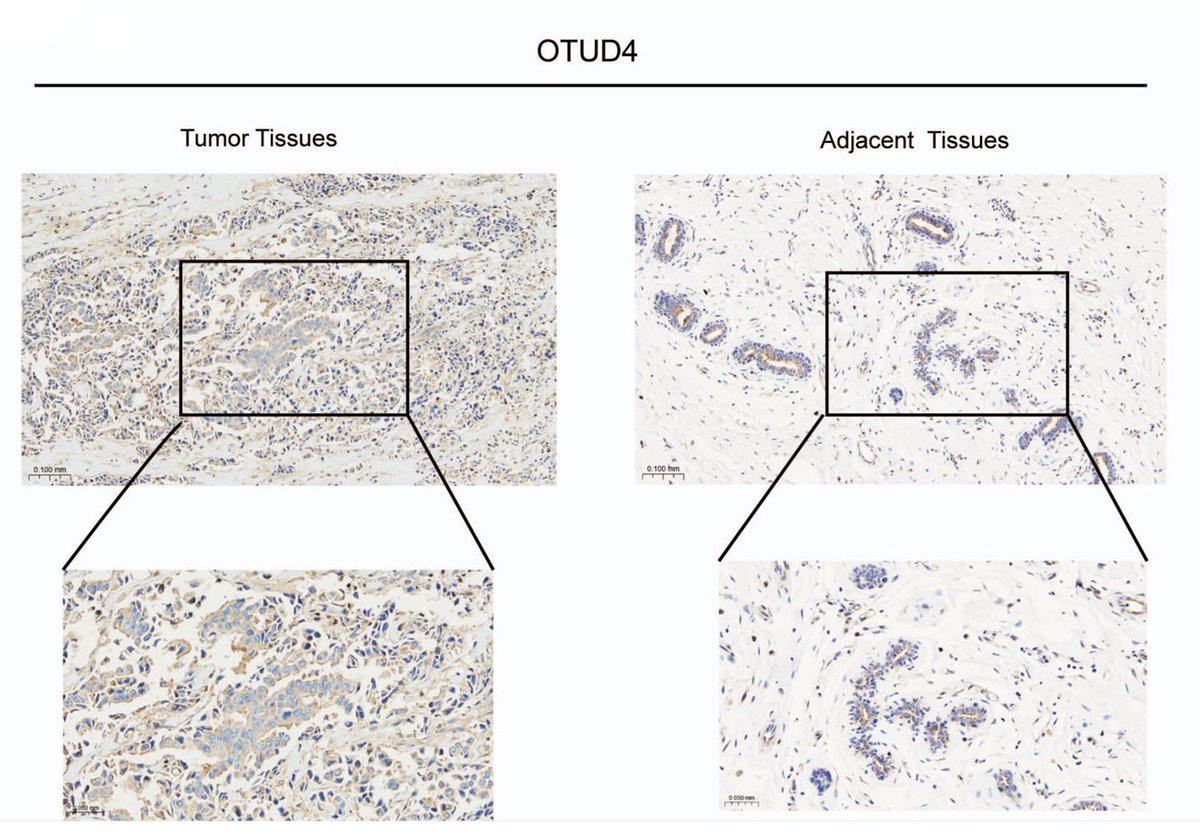
The role of oncogene OTUD4 in #TNBC.
Researchers provide findings suggesting OTUD4 expression correlates with poor prognosis and overexpression in TNBC.
📝 https://t.co/fyNPEuoQPt
🧫 This study provides a comparative analysis of breast cancer cells in the mammosphere culture model or an “emboli” culture model, which enriches for cancer stem cells and epithelial features, respectively.
@CRC_AACR | https://t.co/MJ8SpaKYDI
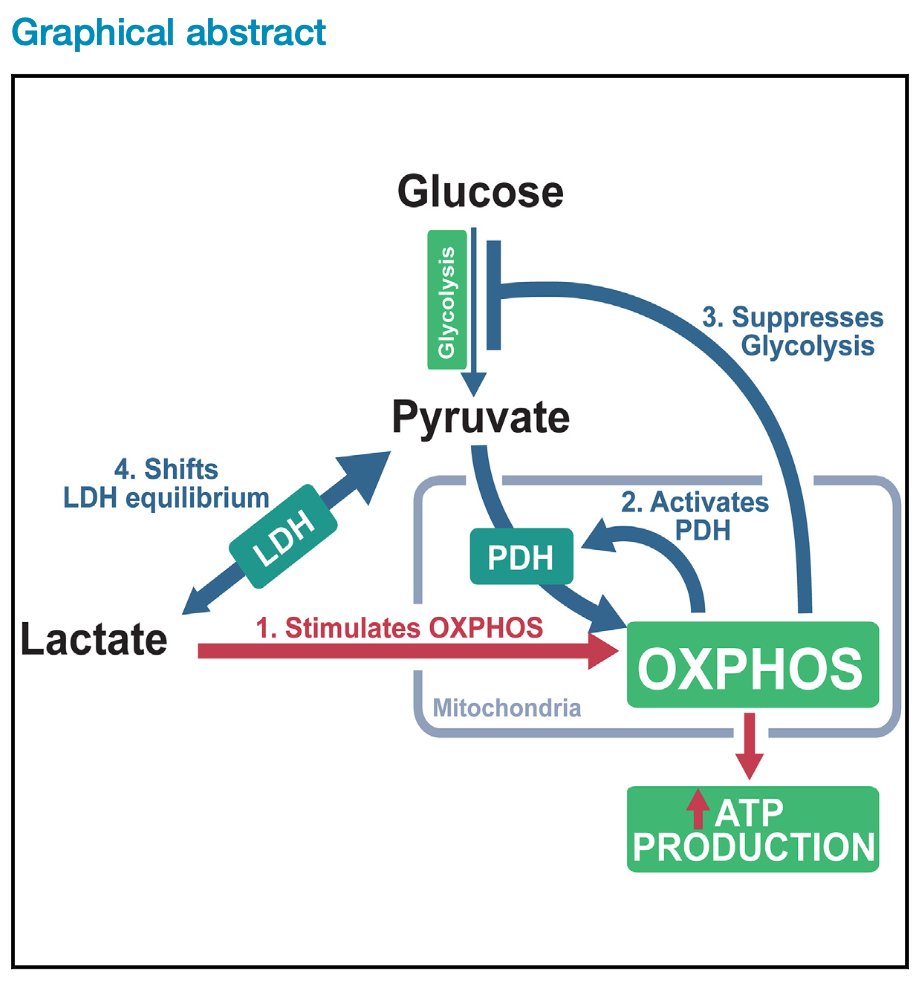
A paper I suggest reading if you are interested in Metabolism:
"Here we show that extracellular lactate acts in a dose-dependent fashion to increase oxidative phosphorylation and suppress glycolysis".
https://t.co/OZNhUKNVOO
💉 Scientists determined whether first-line CDK4/6i use is superior to second-line use in terms of overall survival in advanced breast cancer and to provide an updated analysis of the primary end point of progression-free survival after 2 lines of therapy.
@JAMAOnc | https://t.co/fPUgKahuBk
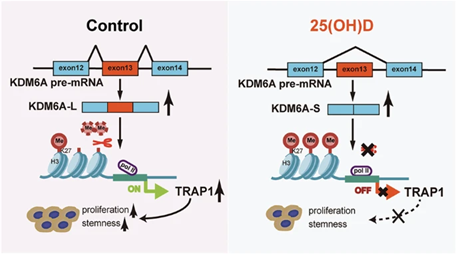
Investigators uncovered a novel anticancer mechanism of 25(OH)D, highlight the critical role of KDM6A Δexon13 in breast cancer progression.
📘 @oncogenejournal
🔖 https://t.co/uHJGlm9DGO