That’s a wrap on @MPSIWayneState#GiantStepTeenConference 2023! What an inspiring day celebrating inclusion, acceptance, and powerful teen voices.
Thanks to all the organizers, volunteers, schools, and students that made it such a special experience.
📸: @arc_lab
Recent lab updates! Dr. Schacter, and grad students Faiza Bakth and Alle Ehrhardt attended the SRA conference in San Diego this past week to present their research 🔬and undergraduate student Nour Ghosn presented her poster at WSU poster day. So proud of these lovely ladies! 👩🔬
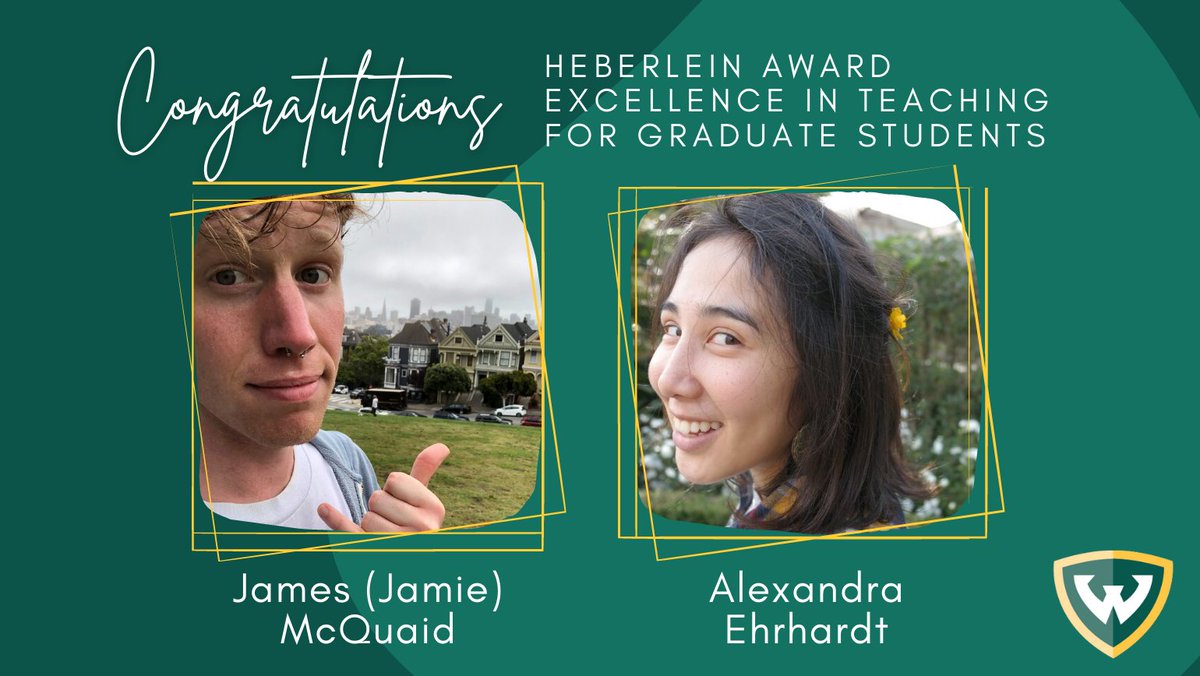
Congratulations to our two 2023 Heberlein Award winners @adehrhardt and @JamesRMcQuaid, recently recognized for their teaching excellence @waynestate!! https://t.co/19NvCEa51l
Tired this morning? #DaylightSavingsTime is especially hard on teenagers, whose natural sleep cycles—both sleep & wake times—are temporarily pushed later due to hormones. “Perpetually fatigued adolescents look & feel depressed,” says @rwidome. Learn more. https://t.co/sZAbUcnDBr
Despite the idea that social media is harmful to youths, adolescence is a time for discovery and exploration that can be furthered by this technology! Read more about this here:
This is true! When we focus only on fears about mental health problems and online safety, we miss the opportunities for positive experiences. We need standards and policies that not only keep youth safe but also help them thrive online. https://t.co/UUUGqghjt9
Is social media to blame for the teen mental health crisis?
Must-read from @JacquelineNesi on what the scientific evidence can (and cannot) tell us.
https://t.co/SKLJyRTrD2
Eating healthily and staying physically active are important for teenagers.
Get tips on foods that make up a healthy, balanced diet to match your energy needs: https://t.co/UHWCniguFx
@publichealthni@healthdpt
What adolescent antecedents predict young adults' engagement in health risk behaviors (HRB)?
🚨New paper out with my some of my fav grad school labmates @karenpjacques @a_brieant 🤗
Full paper linked here: https://t.co/587AIZTv14
🧵Thread: ⬇️
Thread 🧵⬇️ (1/6) During our webinar about their new council report, our National Scientific Council on Adolescence shared a few insights about early #adolescence and the impacts of digital tech use:
Tune in Dec. 7th for more information on digital technology’s impact on adolescence- a very significant topic as classes move to online. Best of all, it’s free!
Early #adolescence is a critical window for the impacts of digital tech, and research-informed standards could amplify the benefits and reduce the risks of these impacts on #youth. 📲💻
Learn more at our upcoming free webinar, happening on Dec 7: https://t.co/i9rnAFWcMb
In this new paper from the @StemTeens project we show age-related and domain differences in STEM gender stereotypes, as well as the link between these stereotypes and peer selection in a STEM context https://t.co/ytm8lSX3wF
Out now in @BiologicalPsyc1, we find that neural sensitivity to social punishment, in combination with a 'real world' index of peer rejection, predicts future NSSI. Thanks to coauthors @SehJooKwon Nathan Jorgensen @ka_lindquist @EvaTelzer @mitchprinstein! https://t.co/d3DKnR5S3E
In a new article in Nature, our co-executive directors, Andrew Fuligni and Adriana Galván, write about how we can help young people thrive by exposing them to conditions and experiences that support their developmental needs during these years. Read more: https://t.co/vxSNLIjI2D
CrashCourse
Lessons:
• 42+ courses breaking down core educational topics
• A great range of videos covering everything from World History to Organic Chemistry
https://t.co/s6fLzUcum6
YouTube is free and very accessible to most students! Here are some professors who can virtually teach students a little more about their interests at no cost:
Our October newsletter is here! This month: Youth talk about science, sleep, friendships, and transitions. https://t.co/TmHHpyOcPP
Sign up for the newsletter at https://t.co/Qs7IeW0EzK
Our @arc_lab in @WSUPsychology is hiring! Looking for a half-time RA to help support & coordinate a 2-year NICHD funded project examining the effects of peer victimization on physiological markers of threat sensitivity in adolescents.
https://t.co/PPB9kRFnWd
Please RT & share!
Happy day for our @arc_lab!
Grad student @FaizunBakth successfully proposed her Master's Thesis "Peer Victimization and Ninth Graders' Academic Efficacy: Testing the Mediating and Moderating Role of Sleep" 🥳🥳 and....(1/2)