@nebulousflynn This could be quite the pertinent example of why there are big discussions over digital data longevity/accessibility in heritage.
Largely why I stopped posting on Sketchfab when I saw the Fab news last year! Perhaps the heritage world needs a 3D version of the ADS.
Ten months ago, we launched the Vesuvius Challenge to solve the ancient problem of the Herculaneum Papyri, a library of scrolls that were flash-fried by the eruption of Mount Vesuvius in 79 AD.
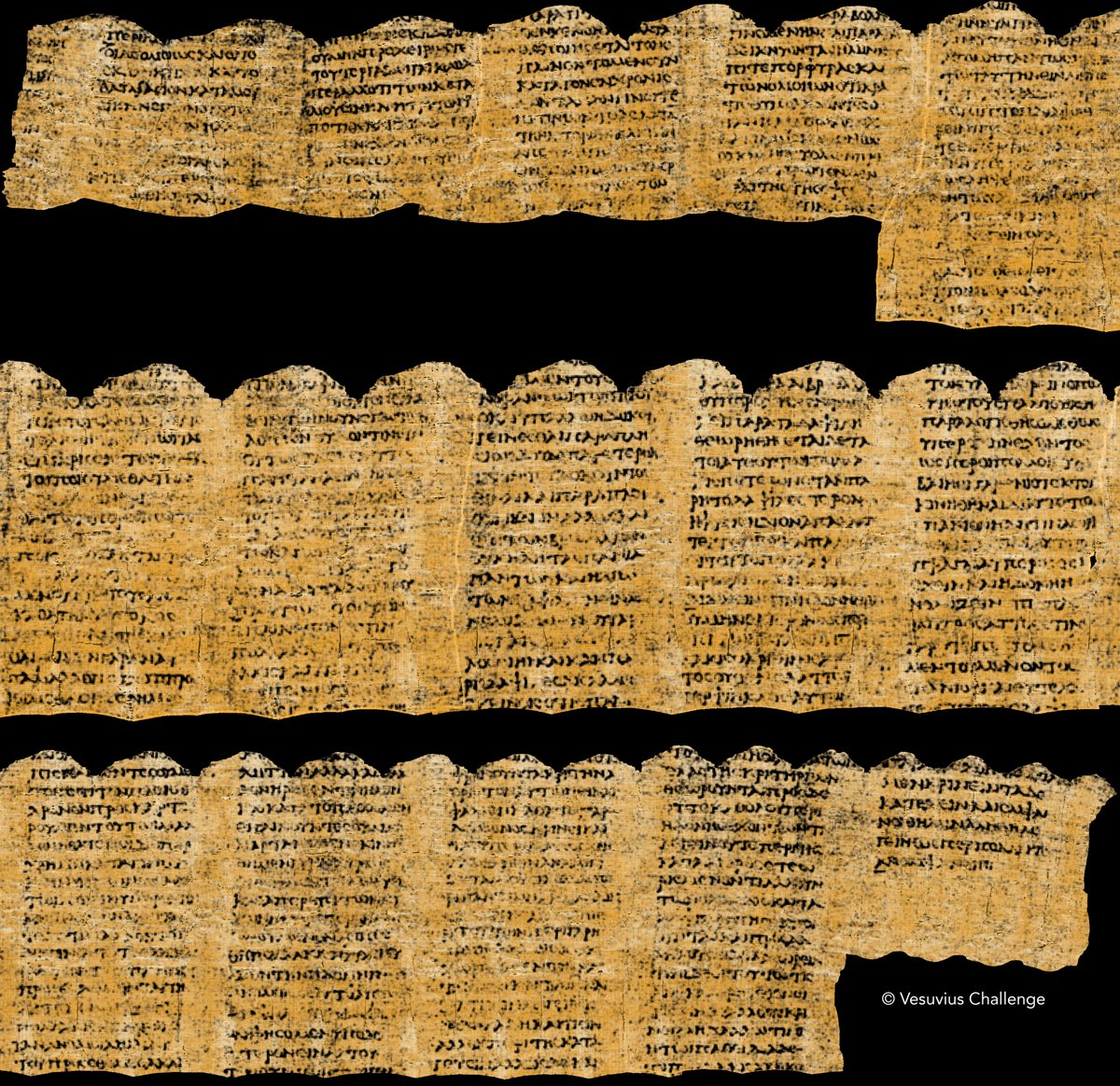
Today we are overjoyed to announce that our crazy project has succeeded. After 2000 years, we can finally read the scrolls:
This image was produced by @Youssef_M_Nader, @LukeFarritor, and @JuliSchillij, who have now won the Vesuvius Challenge Grand Prize of $700,000. Congratulations!!
These fifteen columns come from the very end of the first scroll we have been able to read and contain new text from the ancient world that has never been seen before. The author – probably Epicurean philosopher Philodemus – writes here about music, food, and how to enjoy life's pleasures. In the closing section, he throws shade at unnamed ideological adversaries – perhaps the stoics? – who "have nothing to say about pleasure, either in general or in particular."
This year, the Vesuvius Challenge continues. The text that we revealed so far represents just 5% of one scroll.
In 2024, our goal is to from reading a few passages of text to entire scrolls, and we're announcing a new $100,000 grand prize for the first team that is able to read at least 90% of all four scrolls that we have scanned.
The scrolls stored in Naples that remain to be read represent more than 16 megabytes of ancient text. But the villa where the scrolls were found was only partially excavated, and scholars tell us that there may be thousands more scrolls underground. Our hope is that the success of the Vesuvius Challenge catalyzes the excavation of the villa, that the main library is discovered, and that whatever we find there rewrites history and inspires all of us.
It's been a great joy to work on this strange and amazing project. Thanks to Brent Seales for laying the foundation for this work over so many years, thanks to the friends and Twitter users whose donations powered our effort, and thanks to the many contestants whose contributions have made the Vesuvius Challenge successful!
Read more in our announcement: https://t.co/rUlrdGXBMs
Perspective of the Day
"It is highly likely more archaeological artefacts which have never been recorded may be being sold on E-Bay by metal detectorists than have ever been removed from the British Museum": Discuss.
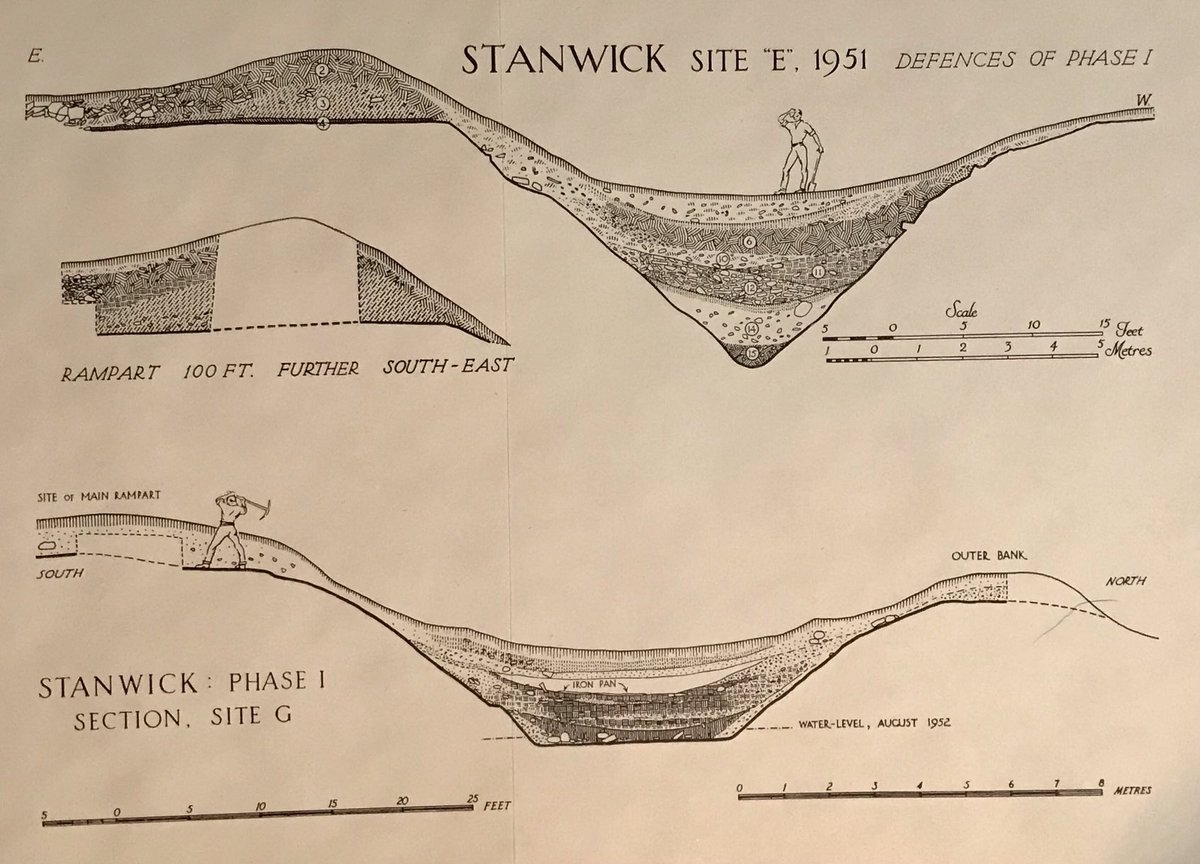
So at exactly what point did we stop using miniature archaeologists wiping the sweat from their brows or dangerously wielding pickaxes as a standard section drawing convention; and why?
Stanwick 1951
#Hillfortswednesday
1/ Castlerigg Stone Circle, Keswick
https://t.co/ZfwrNQi3Xh
One of the best views in all of the UK. I make it my favourite scan of 2022 as it pushed my @Blender skills forward and was completed without the use of a drone!
2022 produced some great #photogrammetry captures, so inspired by @artfletch, I've decided to collate my top 5 of the year.
All of them are available to view over at @Sketchfab, here's to documenting more heritage in 2023!
#BestOf2022#Archaeology
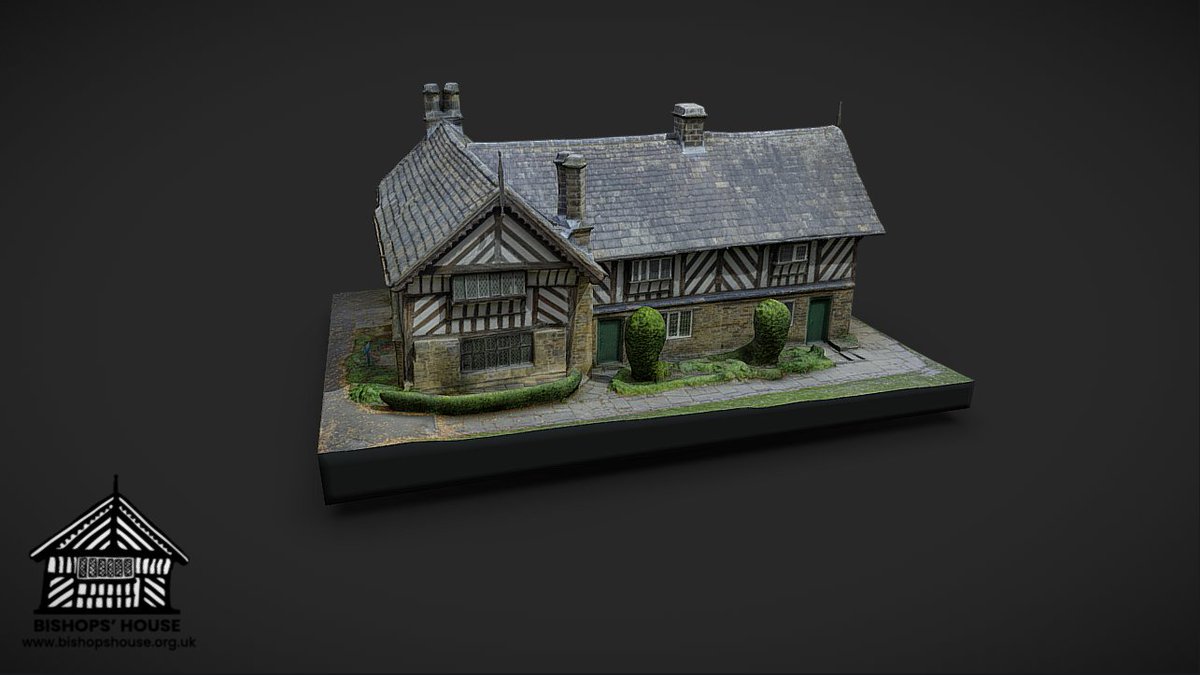
2/ Bishops' House, Sheffield
https://t.co/vXNHgcpo1a
Almost my favourite scan of the year, representing one of the area's best preserved timber-framed buildings. Manned entirely by volunteers at @BishopsHouse it is well worth a visit!
@Azadux Certainly seems like VFX/Cinematics will be its main use but I don't think usable meshes are far away at all. I don't know if that's exciting or scary?
@AntiquityJ A major reason why tools like #photogrammetry are so important for archive and to monitor morphometric change across time. There's already great work being done!
@EnglishHeritage Easily the best in the UK (imo). I recently made a 3D model of Castlerigg with photogrammetry which people can see on Sketchfab 👉 https://t.co/Ebr1IIhQhL