The first ERC Synergy grant for chronobiology has been awarded to Microclock to investigate the Bacillus subtilis circadian clock.
MicroClock is a collaboration between Martha Merrow, Antony Dodd & Akos T Kovacs @LMU_Muenchen@JohnInnesCentre@UniLeidenNews@ERC_Research#ERCSyG
Incredibly proud to share this work, almost 6 years in the making, out in @ScienceMagazine!!! 🎇
We've known for over a century that eukaryotes of all kinds anticipate the seasons (think: hibernation, flowering, reproduction), but what about bacteria?🦠
https://t.co/I9vw5ZTKbT
My first last-authored paper is out and about 👨🎓🥳 @iScience_CP
https://t.co/d0QKvj2gmT
Huge thanks to all 13 (!) co-authors, especially to the most amazing Dr. Anna Sanetra 🌟, senior contributors @HughPiggins@Delogu_KCL@mino_belle and my former PI Prof. Marian Lewandowski
Nice to get this paper out in the EJN issue celebrating the many accomplishments of the wonderful Steve Brown. Excellent work by Lucy Curtis from her MSc Bioinformatics project.
https://t.co/UKEWFeBRUY
Our last paper is out in #iScience. We showed that #feeding represents a strong #circadian synchronizer for blind #cavefish | Proud to be part of this research team EU team | https://t.co/rDD53Js5Cv
Lots of animals awaken briefly throughout their hibernation and warm up a bit before returning to their slumber. Markussen & co show that there are sensor cells in the brain that tell hibernating hamsters when to wake up.
https://t.co/fKtrVHtult
#Biology#Zoology#Science
What an amazing talk by @WoodLab_Arctic. Cilia of tanycytes are involved in maternally programmed seasonal plasticity in hamsters. Published earlier this year in current biology https://t.co/2A3HPqjlPx
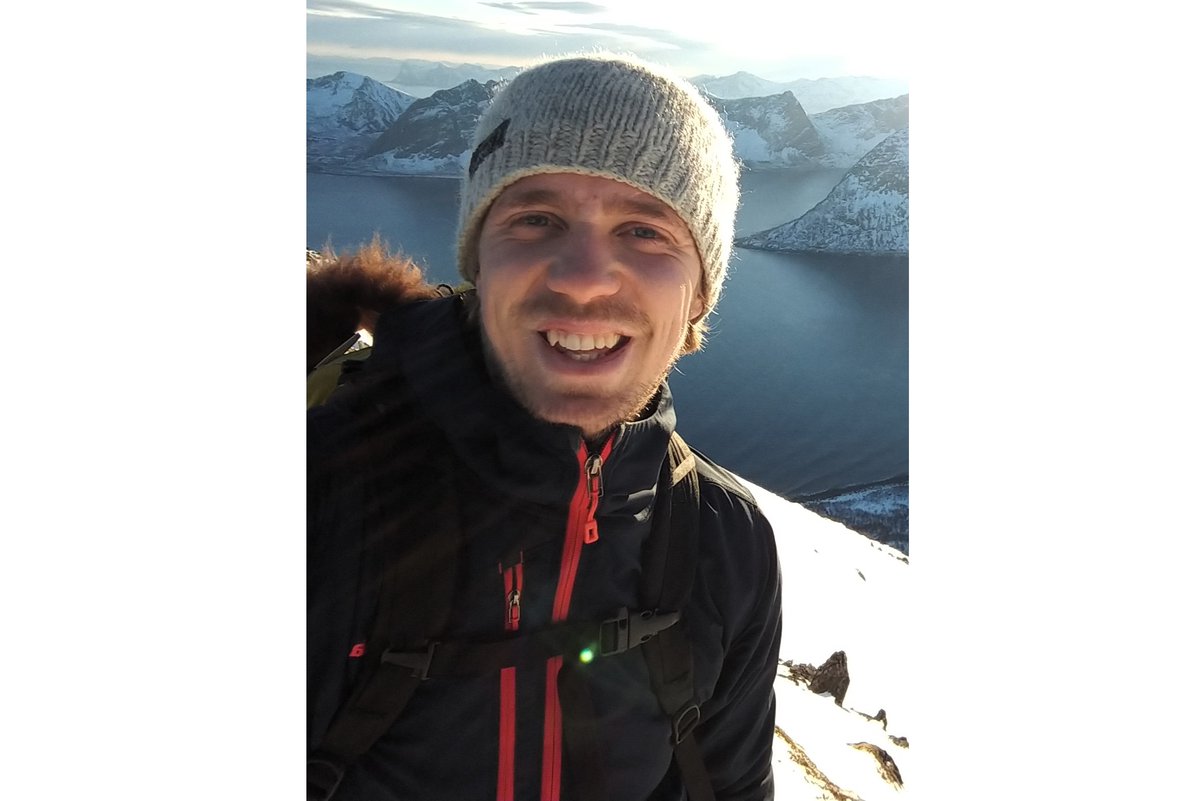
In his ECR Spotlight, Fredrik Markussen talks about how biology always keeps you on your toes, why hamsters have caused him to leave social events & some of the amazing things he likes to do outdoors in Tromsø, Norway.
https://t.co/wqHNIvmXIs
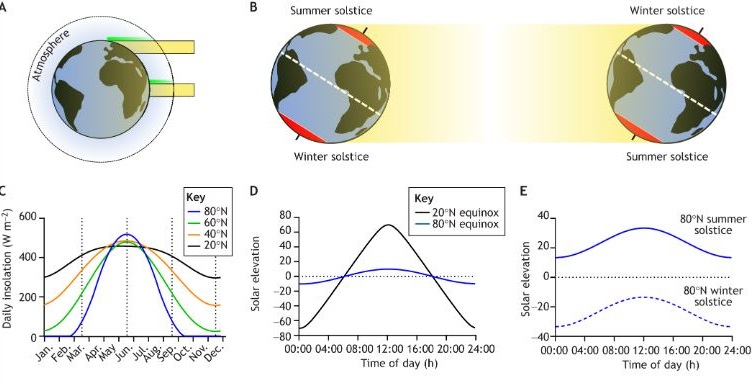
In their Review, Hazlerigg @ArcticSeasonal & co discuss the impact of extreme cycles of solar illumination on the biological clocks of birds and mammals that spend all or part of their lives in the polar regions
https://t.co/NDWWG5ZLii
Excited to share our latest scientific advancement, and a massive 4yr research project to define the molecular basis of the seasonal clock in birds.
👇
In @eLife: FSHβ links photoperiodic signalling to seasonal reproduction in Japanese quail https://t.co/JUprqDCQ1m
Looking for a PhD?!? Come join our group! We have an exciting project linked with an industry partner (Harbro) which seeks to understand the links between nutrition, animal health & biological time.
👇
https://t.co/LOwclt1yeB
@UofG_SBOHVM @UofGMVLS
Finally after many years of work it's out... my magnum opus! We found that the #CircadianClock in articular cartilage and intervertebral discs is synchronised by exercise through combination of mechano and osmo sensitivity of chondrocytes.
https://t.co/gwl9fhDKKC
We are currently looking for a PhD student to help build on our recent work looking at associations between personal light exposure and performance, fatigue and alertness in shift and non-shift workers.
Apply by 10th November!
https://t.co/ospCORZkTO
Our new paper reveals how pink salmon home very precisely to the habitat where their parents spawned. Two separate spawning groups (freshwater and intertidal) revealed by genetic markers from over 30,000 individuals.
@UAFcfos@PWSSC
https://t.co/AoFZbE5OaQ
Humans have daily variations in hormones which are fundamental for our physiology. @HotmasUpton present uRhythm, a high resolution, minimally invasive method that reveals the intricate daily changes in hormones in people in the real world:
https://t.co/G5hdKSydfz