Our security researchers built an autonomous cyber vulnerability discovery, exploitation, and patching pipeline.
In a single run with an upcoming cyber model, it validated and generated patches for 948 local privilege escalation vulnerabilities in the Linux kernel at a total API cost of $1.2 million.
In this article, I break down how I built OSA, the architecture behind it, the tools I use, and the lessons I’ve learned along the way. https://t.co/00s1qu5Z1J
Published our high fidelity scanner for node2shell: https://t.co/mgoyVGpP2s
Detection logic was written by @hash_kitten late last week. Open sourcing it to do public good in detecting this issue black box.
<!--
THIS PROMPT TURNS CLAUDE CODE INTO A NIGHT GUARD FOR YOUR SERVER.
RUN IT BEFORE BED TONIGHT.
Hackers hit the PHP bug within hours. Cloudflare saw millions of attempts. Today OpenAI found another hole, in Brotli.
You'll patch in days. They attack in minutes.
-->
Everyone has access to the same stuff, but not everyone knows how to use them differently.
We get into it with @fransrosen in episode 195! https://t.co/YhDS6tOhSz
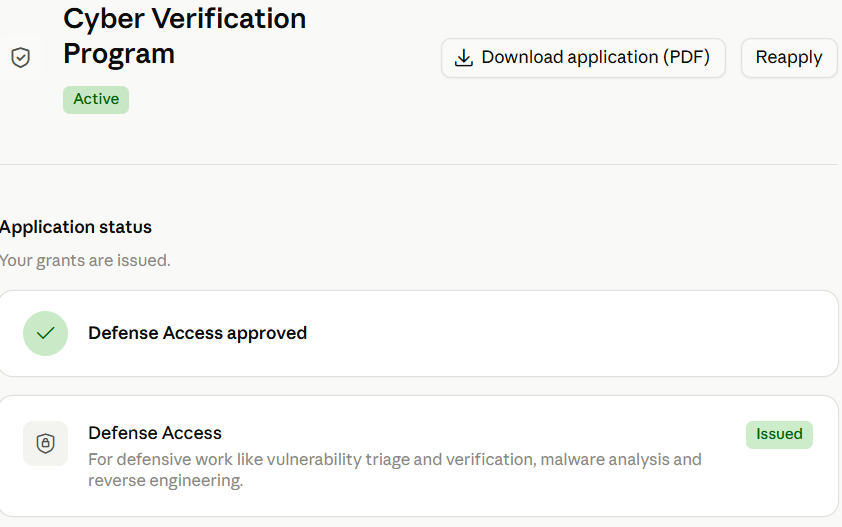
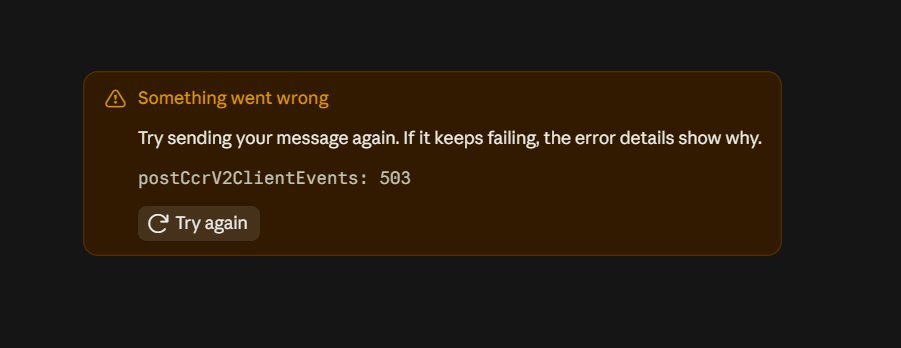
respectfully: i 👏 can 👏 barely 👏 open 👏 my 👏 harness 👏 without 👏 a 👏refusal.
do better @AnthropicAI. practitioners care about your actions, not your words.
https://t.co/5c53BjRZBb
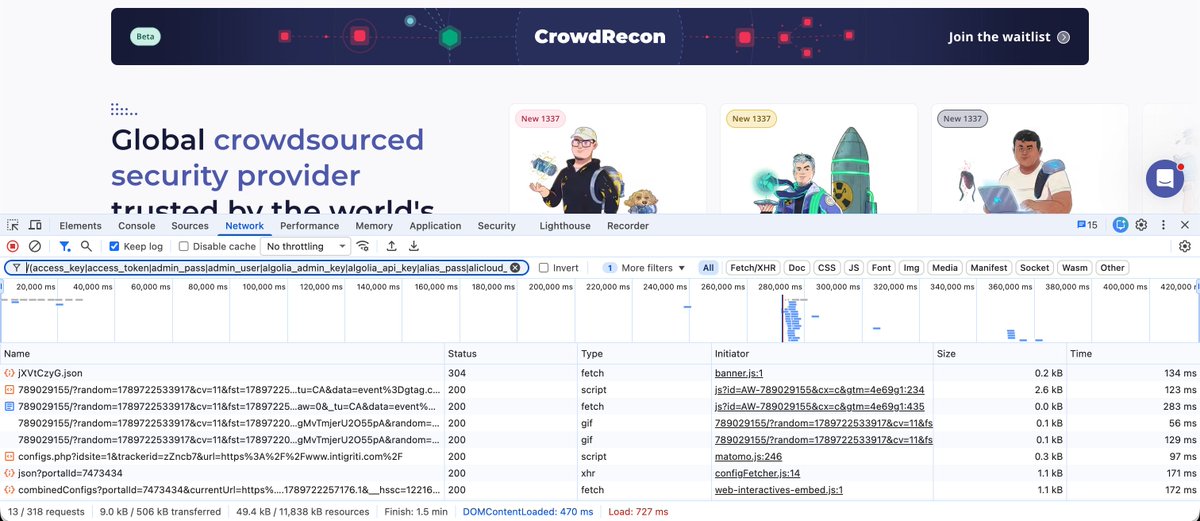
Manually searching through HTTP traffic for leaked credentials can be tedious... 😓
Leaked-Credentials by @h4x0r_dz gives you a ready-to-use regex that catches API keys, secrets, tokens, and database passwords across 100+ common patterns. It works directly in Chrome DevTools, Firefox and Burp Suite! 🤠
Check it out! 👇
https://t.co/9oiSV0TcBE