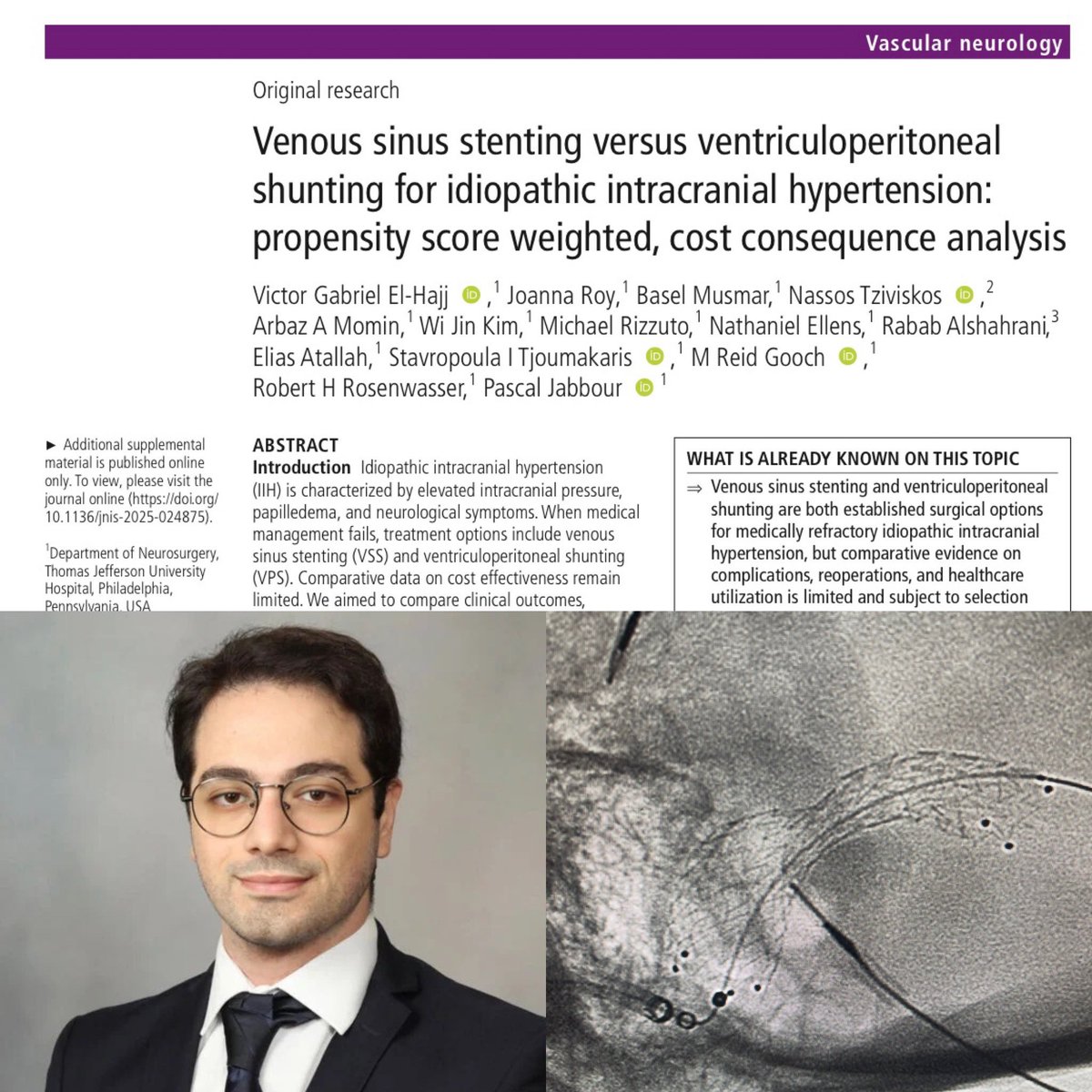
The economics of VSS Versus VPS for IIH :
(propensity-weighted, cost lens) our superstar research fellow @VictorGabriel_H has some numbers for you in this recent paper in @JNIS_BMJ@SNISinfo :
💰 Initial costs = twins
😵💫 Complications = 3.5% vs 37.7%
🏥 30d readmissions = 1.3% vs 33%
🚑 30d ER visits = 11.1% vs 36.6%
🔧 Reops = 1.3% vs 30.9%
All the extra 💰 goes on complications, readmissions and reoperations in the VPS arm! @TJUHospital@TJUHNeurosurg
https://t.co/B3a2E5qvAu
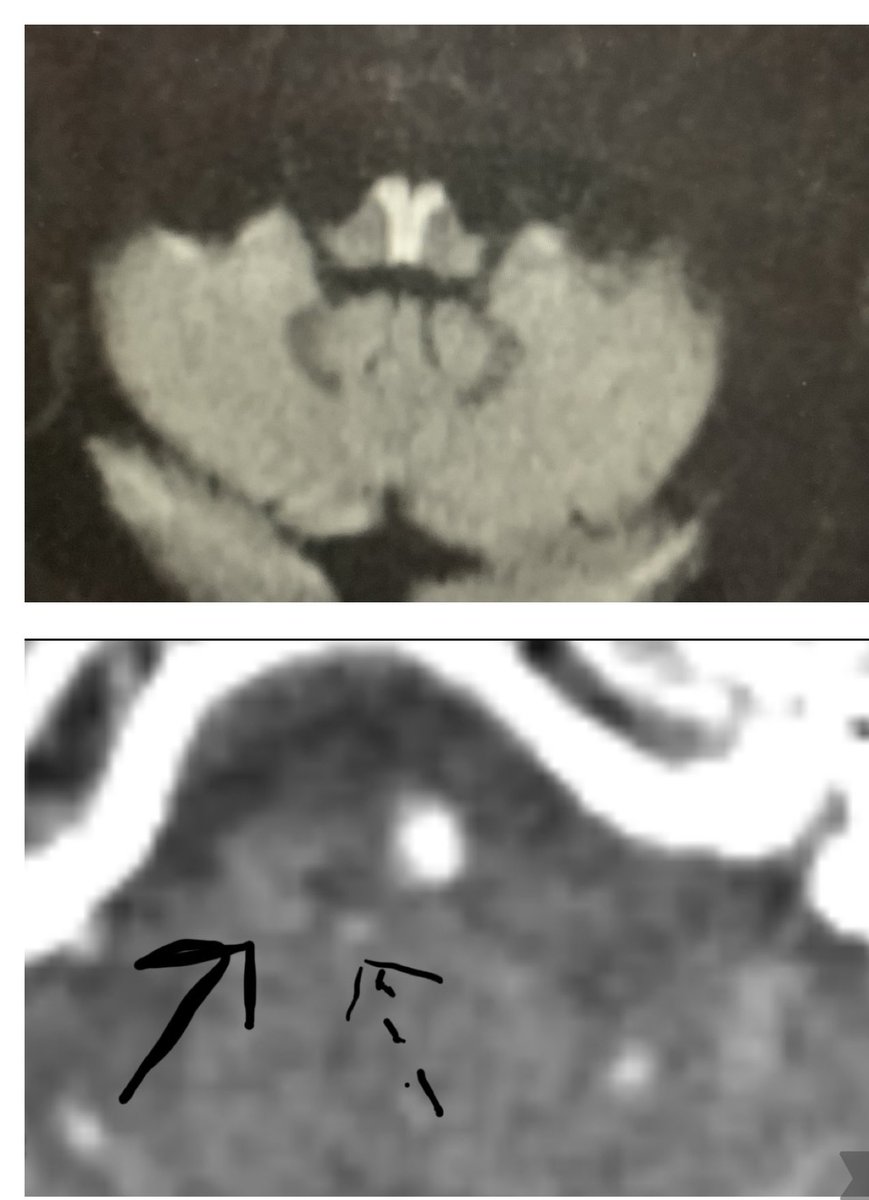
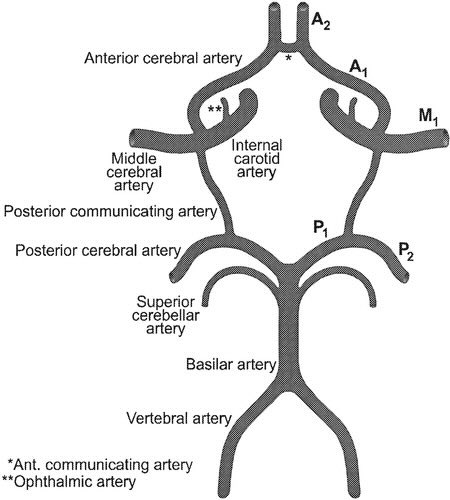
Introducing the “AirPod” sign due to bilateral medial medullary infarction causing acute quadriplegia, tongue paralysis, dysphasia & dysarthria. Patients are usually awake & have intact eye movements (somewhat similar to locked in syndrome). @caseyalbin#NeuroTwitter#stroke
Thrilled to announce that #EnrichAF completed enrolment of 948 patients in Q4 2024.
So grateful for the efforts of our global colleagues on reaching this milestone, despite the several challenges we've faced along the way.
Follow-up is due to complete in Q1 2026. Stay tuned!
A dramatic complication of invasive imaging: aneurysm re-rupture. Some angiographers wouldn't even save these images, much less blast them on the pages of @NEJM.
https://t.co/304YHEFfZg
NEW CASE 🚀
Combined #transvenous and #transarterial approaches under flow arrest via intermittent rapid ventricular pacing provide options for effective and safe management of otherwise inoperable complex #AVMs, as illustrated in this transvenous embolization of a ventral basal ganglia malformation.
@UB_Neurosurgery@scullentyler@hamidskhan5@jaims_lim #UBNS #neurosurgery #ganglia
Endovascular thrombectomy for acute ischaemic stroke with established large infarct: multicentre, open-label, randomised trial - The Lancet https://t.co/BkwwfKIo1u
The discovery of Tutankhamun's tomb in 1922 is one of the most significant archaeological finds in history. The tomb belonged to the pharaoh Tutankhamun, who ruled Egypt during the 18th Dynasty of the New Kingdom period (around 1332-1323 BCE). The unbroken seal on the tomb, which had remained untouched for over 3,000 years, added an extraordinary element of mystery and excitement to the discovery.
The exploration of the tomb was led by British archaeologist Howard Carter, who had been excavating in the Valley of the Kings, near Luxor, Egypt, since 1915. After years of searching, Carter's team discovered the entrance to the tomb on November 4, 1922.
The unbroken seal on the tomb indicated that it had not been opened or looted in ancient times, raising hopes that it might contain a wealth of undiscovered treasures and artifacts. This was a rare find, as most royal tombs in Egypt had been plundered by tomb robbers in antiquity.
When Carter and his team entered the tomb, they found it filled with an astonishing array of artifacts, including furniture, chariots, weapons, clothing, and, most notably, the sarcophagus containing Tutankhamun's mummified remains. The burial chamber was adorned with elaborate wall paintings and contained numerous treasures, including the famous gold mask that covered the pharaoh's mummy.
The discovery of Tutankhamun's tomb captivated the world, as it provided a remarkable glimpse into the life and riches of an ancient Egyptian pharaoh. It also shed light on the funerary practices and beliefs of the time. The artifacts and treasures found in the tomb offered valuable insights into the art, craftsmanship, and religious rituals of ancient Egypt.
The tomb's intact seal and the pristine condition of its contents made the discovery even more extraordinary. It allowed archaeologists and historians to study the tomb and its contents in their original context, providing a wealth of information about Tutankhamun's reign and the cultural and historical context of ancient Egypt during the 18th Dynasty.
The excavation and subsequent study of Tutankhamun's tomb had a profound impact on Egyptology and the understanding of ancient Egyptian civilization. The artifacts found in the tomb are now displayed in the Egyptian Museum in Cairo, Egypt, and have been exhibited around the world, attracting millions of visitors and furthering our knowledge of this ancient culture.
The #EnrichAF trial has just surpassed 500 participants!🍾
Many thanks to our global🌍network of colleagues.
🙏🙏🙏
We're on track for study completion & will hopefully provide an answer to the dilemma of optimal stroke prevention in ICH survivors with AF in 2024.
#NeuroTwitter
At #WSC2022 Singapore
MR CLEAN LATE RCT results:
6-24 hrs from LKW, NIHSS 2-10,
ICA or M1 LVO w/ any collateral on CTA. MT results in 70% chance of reduced disability.
This expands upon DAWN criteria.
A big win for #stroke!