🧬Introducing our first-ever handbook of genetic nephrology, with free download until 8/2025
https://t.co/S4L4M1cFMh
@AndrewMallett8 and I saw a gap in foundational reading of genetic nephrology and decided to gather articles that clinician and learners can all enjoy
Examination of the urinary sediment is an important non-invasive tool for diagnosis & surveillance of kidney diseases. Read this Educational Review of collecting & examining urine samples in order to obtain reliable results. Free access this month.
https://t.co/oLwH2r0NY1
Autosomal dominant polycystic kidney disease (ADPKD) is the most common genetic kidney disorder. Pathogenic variants in PKD1 and PKD2 genes are the main causes of ADPKD. Read these Clinical Insights on long-term tolvaptan therapy in very early-onset PKD.
https://t.co/KcmfejKica
Kidney genetic services are being created worldwide, revolutionizing the management of suspected monogenic kidney disease. Read this Educational Review of the global efforts to integrate genomics into nephrology. #OpenAccess
https://t.co/Xb1jhvA8z1
Microscopic hematuria (MH) is a common finding in childhood that can be a sign of underlying genetic kidney disease. Read this Original Article on an electronic medical record approach to early diagnosis of genetic kidney disease in children w/MH.
https://t.co/GeZMN2WwC4
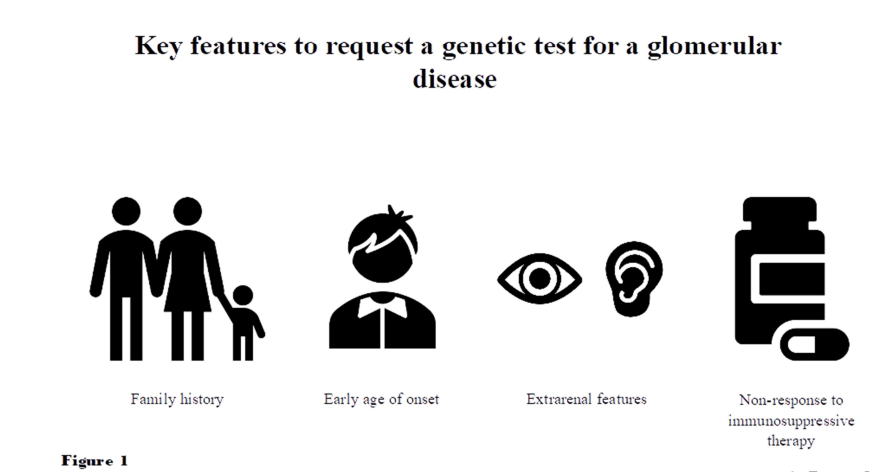
Genetic & genomic testing has transformed the practice of clinical nephrology, but genetic literacy & access to genetic care models remain barriers. Read this Educ Review of genomic testing for kidney disease & how to understand & apply it. #OpenAccess
https://t.co/aMRby4rM7c
Autosomal dominant polycystic kidney disease has broad genetic & phenotypic variability, w/kidney failure (KF) occurring across a wide age spectrum. Read this Original Article on phenotypic characteristics of a cohort experiencing early-onset KF by age 40.
https://t.co/YAweHhYTVl
👍NEW 'In Context' in collaboration with @ynptweets:
Genetic vs. Non-Genetic Kidney Disease: Prognosis Insights from a Multi-Cohort Study
🆓https://t.co/e3eN2OFRzb
➡️Genetic screening should be implemented in nephrology practice!
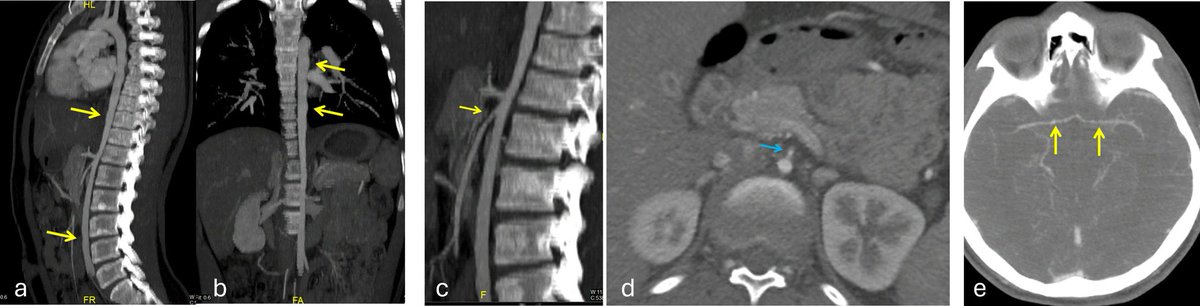
Renovascular hypertension is the second leading cause of HT. Currently, 27 genes have been attributed to monogenic renovascular hypertension. Read these Clinical Insights into a 15-yr-old boy w/facial dysmorphism, thick skin & renovascular hypertension.
https://t.co/b6ZagJ02mO
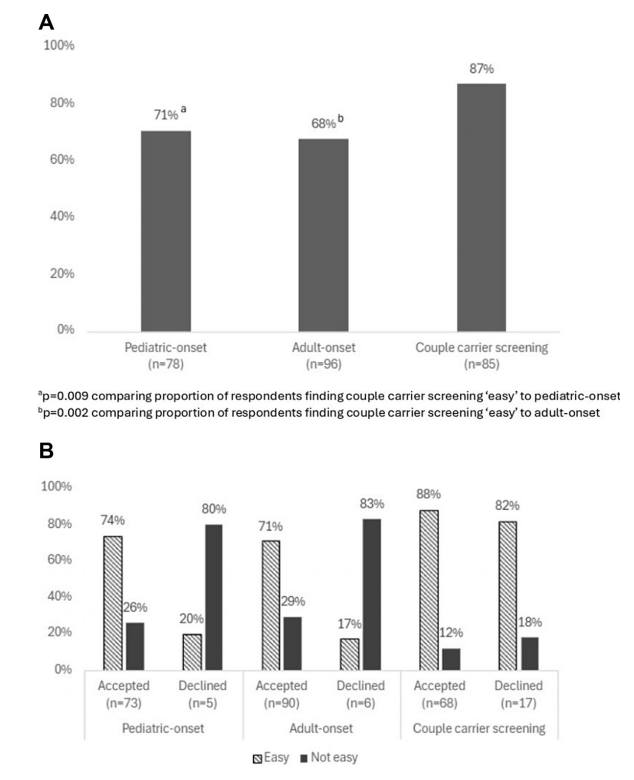
Separating immediate genomic diagnosis from broader genetic screening helps families with critically ill children focus on urgent decisions first: Flexible timing for additional screening later supports better decision-making https://t.co/fQjSbEeHTS
MUC1-associated autosomal dominant tubulointerstitial kidney disease: prevalence in kidney failure of undetermined aetiology and clinical insights from Danish families
https://t.co/Ep1W7KzzSE
1/3 We are conducting three anonymised surveys on the impact of #paednephrology careers on nephrologists, partners-families and children. We’d love to hear from you! - links below
@BAPNnephrology@ESPNSociety@IPNA_PedNeph
Nephrologists survey
https://t.co/iulEXepmGh
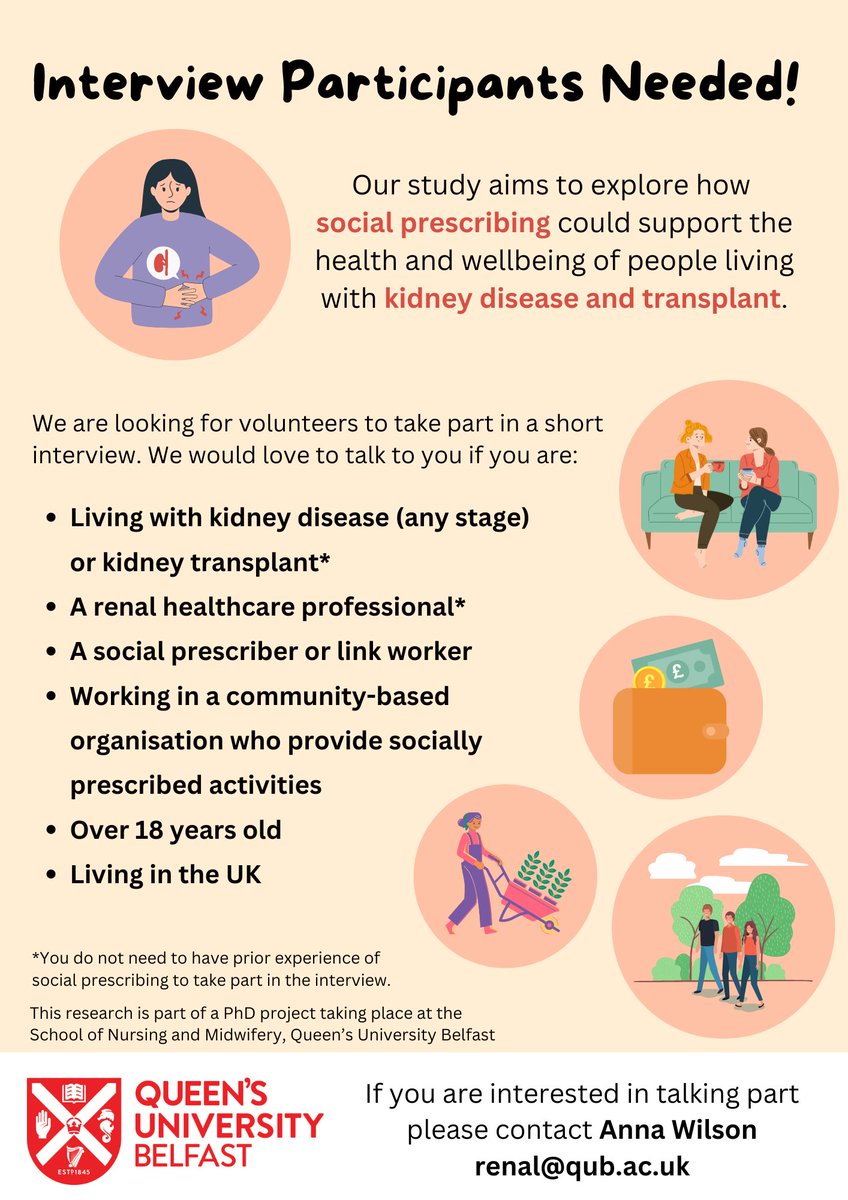
📣As part of a PhD study exploring #socialprescribing for people with #kidneydisease, we are now recruiting participants for a short interview.
Please contact @AnnaWilson444 or click the link to register your interest in participating!
https://t.co/c0tl0KDy52