Since 2004, @ICRC_nd's #PRP has worked across four pillars: access, quality, sustainability and social inclusion. This legacy now belongs to our partners across sectors and diverse stakeholders of #PwDs, as the work passes on to local ownership. Thank you for building it together
The Concluding Conclave, “Our Shared Legacy,” marks the conclusion of 22 years of the ICRC’s Physical Rehabilitation Programme in India. On Day 3, partners and stakeholders shared stories of what was built together: stronger services, skilled professionals, and greater inclusion
The sessions focused on practical pathways to sustain disability inclusion, from CSR investment with @Youth4Jobs to social financing and outcome measurement with @MobilityIN. A closing dialogue with ICMR, CURE India, AMTZ and IDEA addressed investment in assistive technology.
The ICRC’s three-day Concluding Conclave gets underway in New Delhi, reflecting on 22 years of work in physical rehabilitation and disability inclusion in India. Day 1 explored sustainable investment and local ownership to advance inclusion beyond 2026.
Three days. Three themes. One shared legacy.
22 years of ICRC's physical rehabilitation in India, built with partners.
29 Oct: Inclusion Dialogue on Sustainability
30 Oct: NConSPAT-26, National Assistive Technology Conference
31 Oct: Concluding event
#Rehabilitation#Inclusion
📍Nepal | For families searching for loved ones after the floods, answers can also bring profound loss.
We are supporting the @NepalRedCross and authorities to help identify and safely manage the deceased, so families can know what happened.
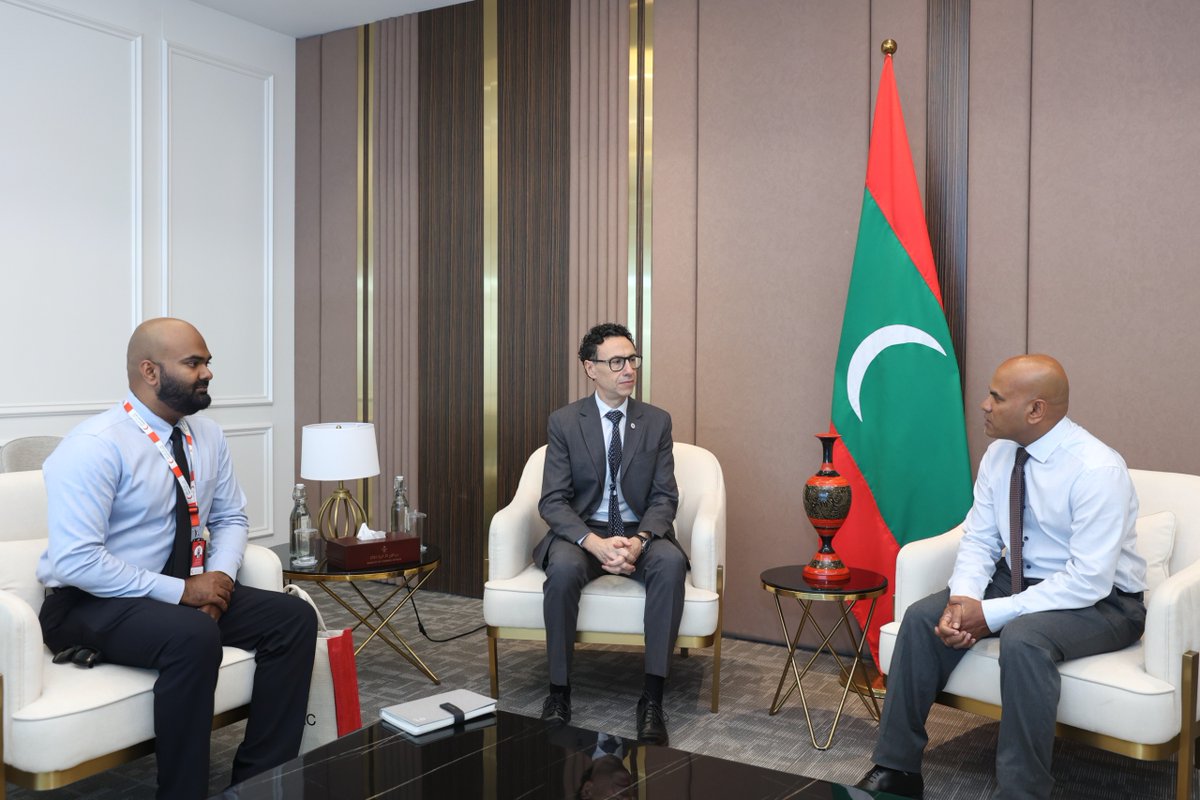
Grateful to the Commissioner of Prisons and Senior Management for a warm welcome and productive discussion. @ICRC_nd remains committed to supporting @CorrectionsMv, drawing upon ICRC's longstanding work with detention authorities on prison systems worldwide.
As search and recovery operations continue across flood-affected Nepal, @ICRC_nd is reinforcing @NepalRedCross's capacity with body bags and other essential supplies, to ensure the safe, dignified and systematic management of the deceased and assist with future identification.
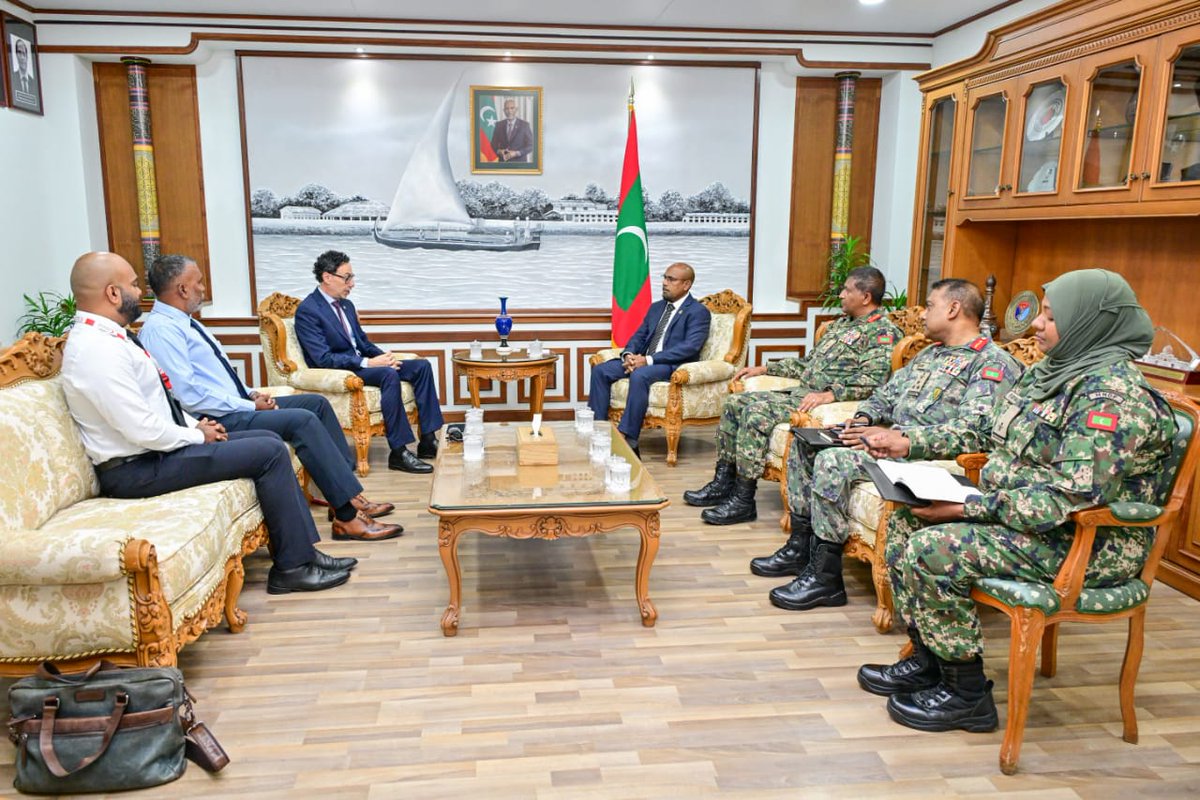
In the Maldives, Alfonso Verdú Pérez, Head of @ICRC_nd held productive discussions with @MoDmv, @MoFAmv, @NDMAmv, @CorrectionsMv and @maldivianrc on #IHL, Global IHL Initiative, emergency preparedness & response identifying areas for further cooperation➡️https://t.co/eTA8fF730E
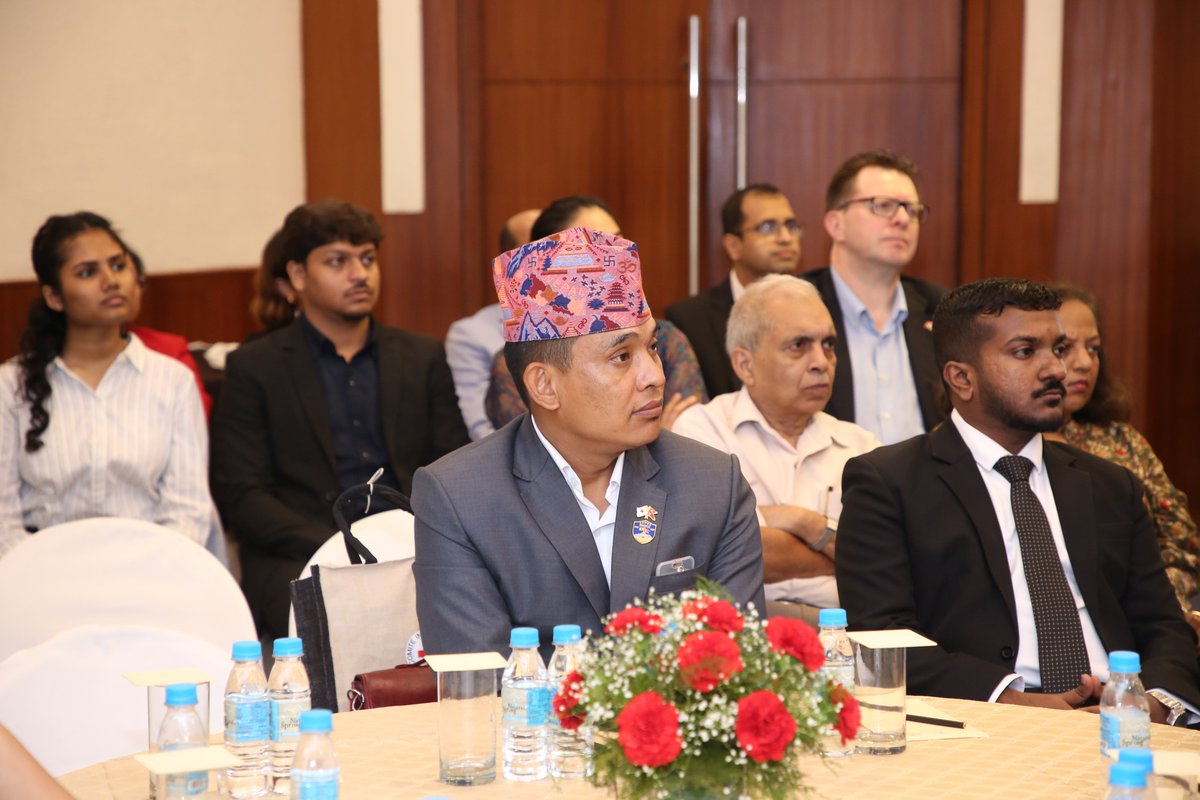
Participants exchanged experiences on the continued relevance of IHL – from its application to emerging technologies to practical preparedness for humanitarian consequences such as family separation and the dignified management of the dead.
#SATS#IHL#ProtectionOfCivilians
Grateful for the warm welcome and productive discussions with @MoDmv in Maldives. @ICRC_nd appreciates the opportunity to also discuss critical moment for #IHL, humanitarian situation around the world and touch upon Global Initiative on #IHL: https://t.co/eTA8fF730E
A pleasure to engage with @MoFAmv and be so warmly received. Discussions also covered the critical moment for international humanitarian law and the humanitarian situation around the world including the Global Initiative on #IHL: https://t.co/eTA8fF730E - @ICRC_nd
A pleasure to engage with @NDMAmv and @maldivianrc during @ICRC_nd visit to Maldives. Warmly received, with discussions also touching upon the critical humanitarian situation around the world and the Global Initiative on #IHL: https://t.co/eTA8fF730E
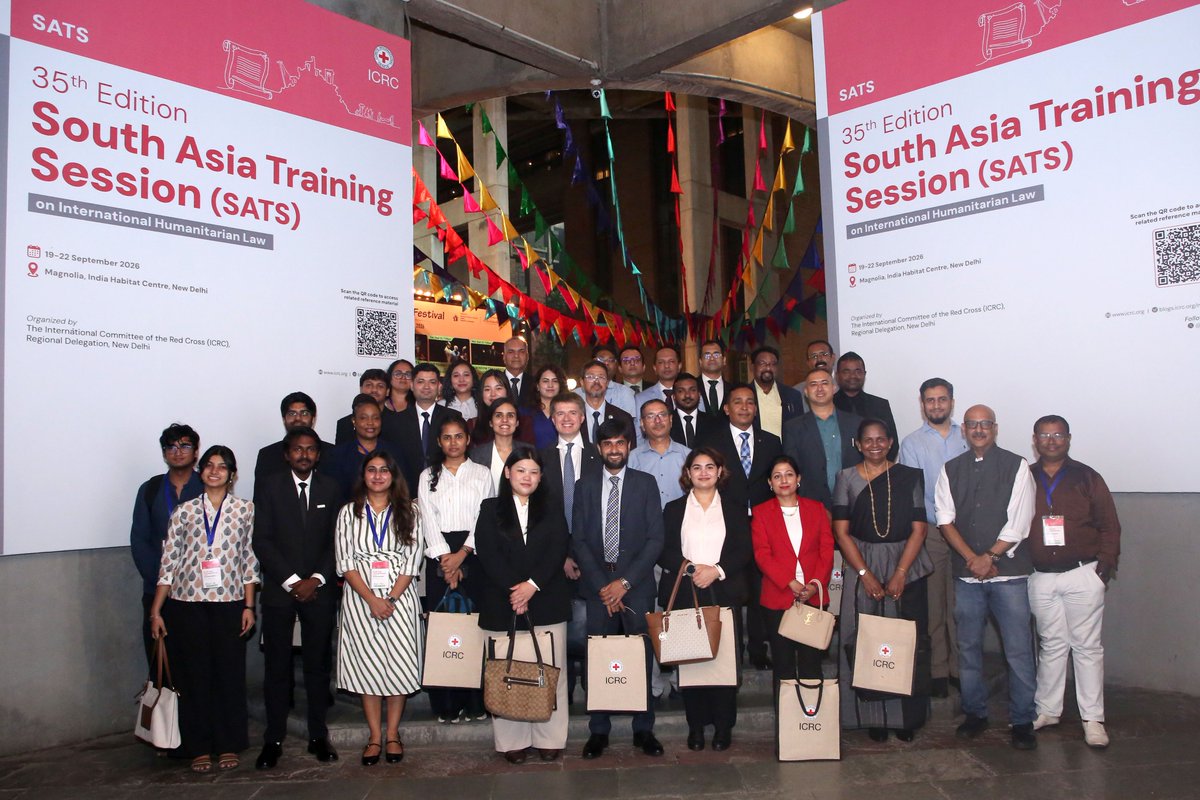
As the 35th South Asia Training Session (SATS) concludes in New Delhi, 4 days of regional dialogue reinforced a central message: protecting civilians begins before conflict. Peacetime preparedness helps ensure that laws, institutions & systems are ready when they are needed most.
After World War II, the world made a promise: even in war, there are limits we must never cross. That promise became the Geneva Conventions, a universal commitment to protect civilians, the wounded, prisoners of war and humanitarian workers, among others.
Today, with over 130 armed conflicts worldwide, twice as many as 15 years ago, these rules are under immense pressure. Over 110 countries have joined the Global Initiative on international humanitarian law to strengthen commitment to the rules that limit suffering in war.
The Geneva Conventions do not protect the powerful. They protect people caught in war. And upholding them is the responsibility of every country on Earth.
Learn more about the Global IHL Initiative 👉🏽https://t.co/SJ83fMgsSx
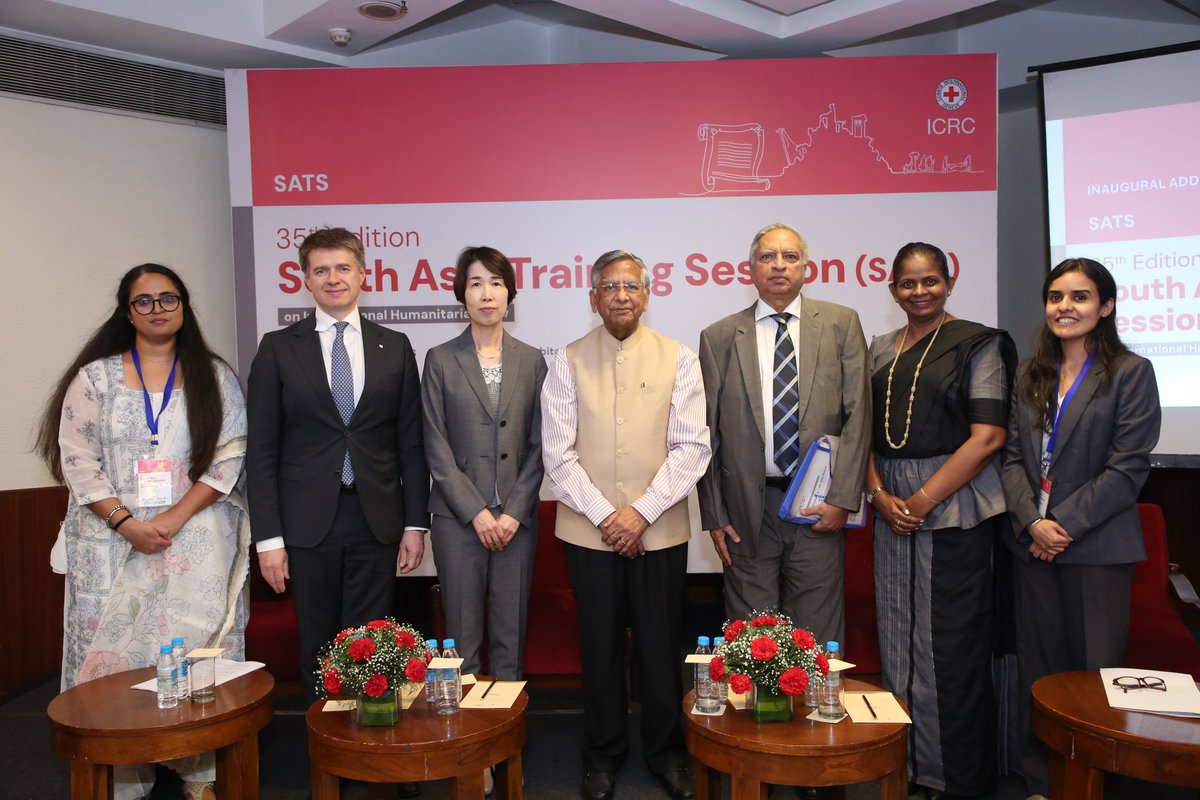
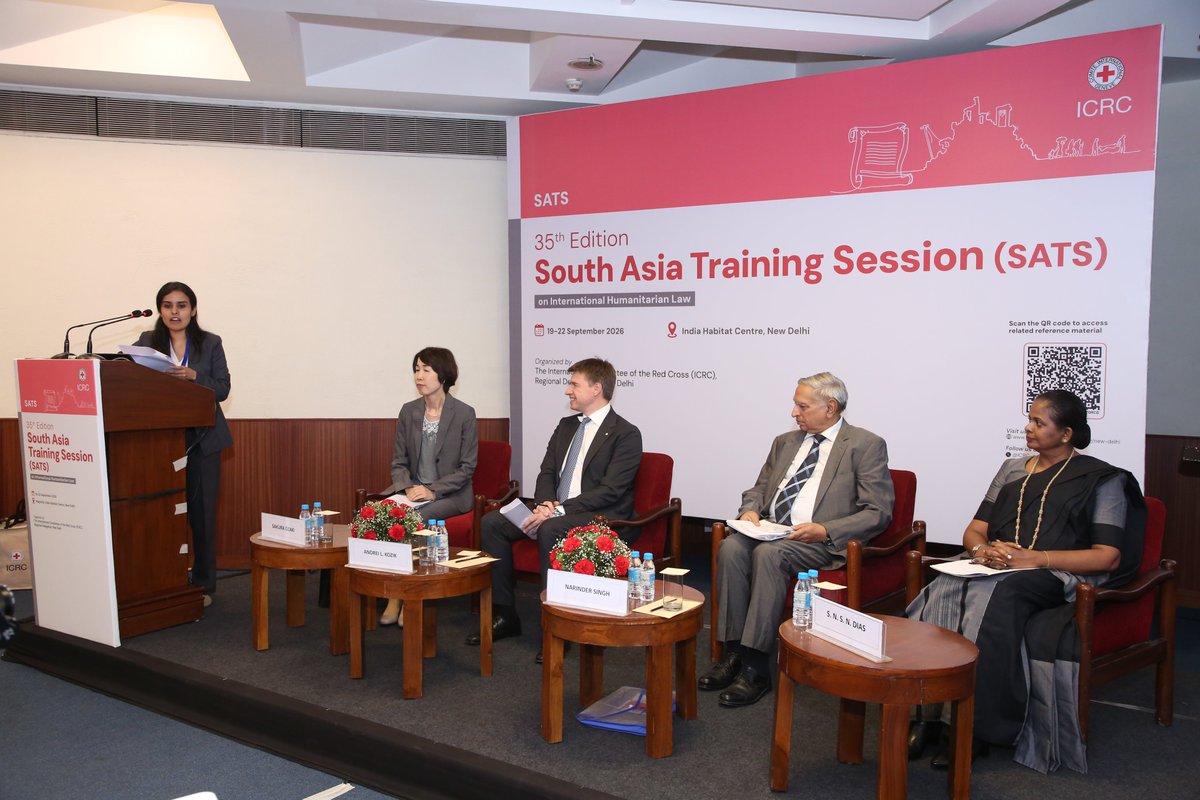
In line with this year’s SATS theme, Deputy Secretary-General of @AALCO2015 Ms Sakura Ozaki, Air Commodore S.N. Dias, Sri Lanka and Ambassador Narinder Singh joined a panel discussion on the relevance of humanitarian principles and IHL moderated by Dr Andrey Kozik (@ICRC_nd)
This year’s SATS focuses on “Peacetime Preparedness for the Protection of Civilians in Armed Conflict” - exploring how national laws, policies and institutions can strengthen protection of civilians in situations of conflicts.
Mr R. Venkataramani, Attorney General for India, delivered the inaugural address at the 35th SATS in New Delhi, setting the stage for four days of discussions.
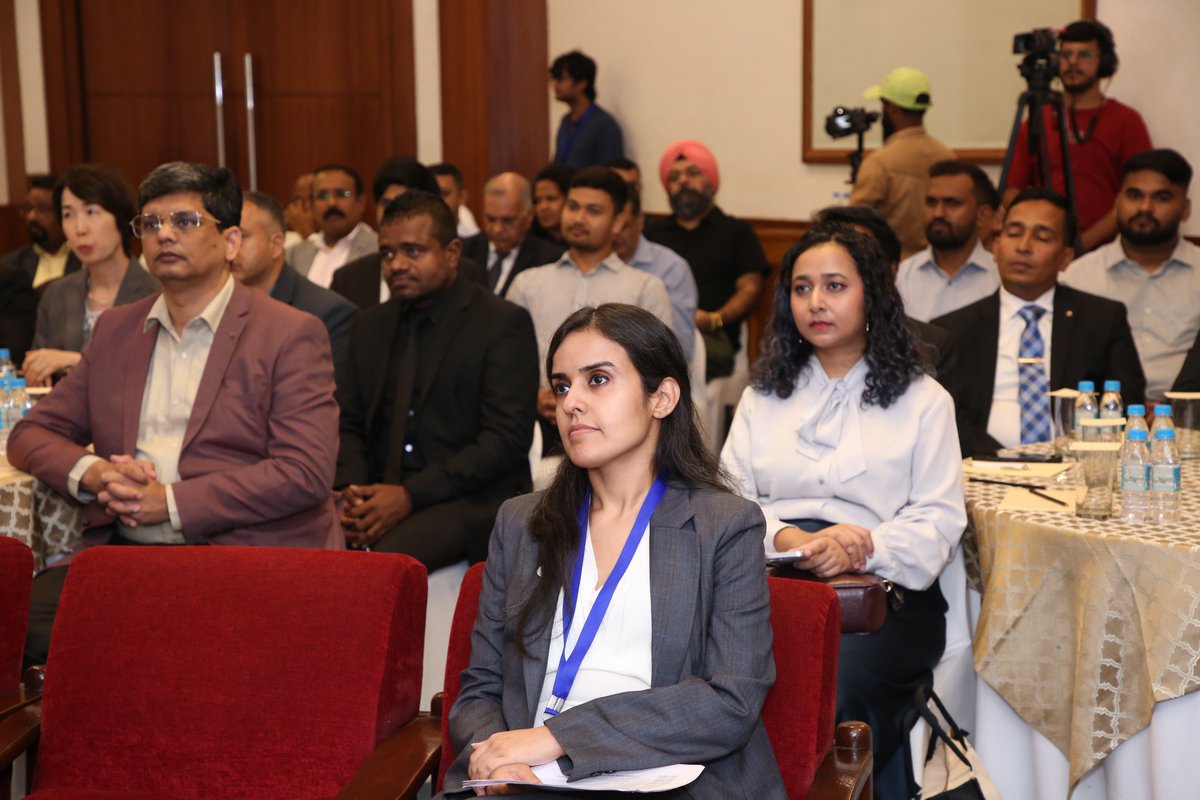
The 35th South Asia Training Session (SATS) on International Humanitarian Law was inaugurated today in New Delhi, bringing together IHL practitioners and experts from across South Asia for four days of learning from one another. #SATS#IHL#ProtectionOfCivilians