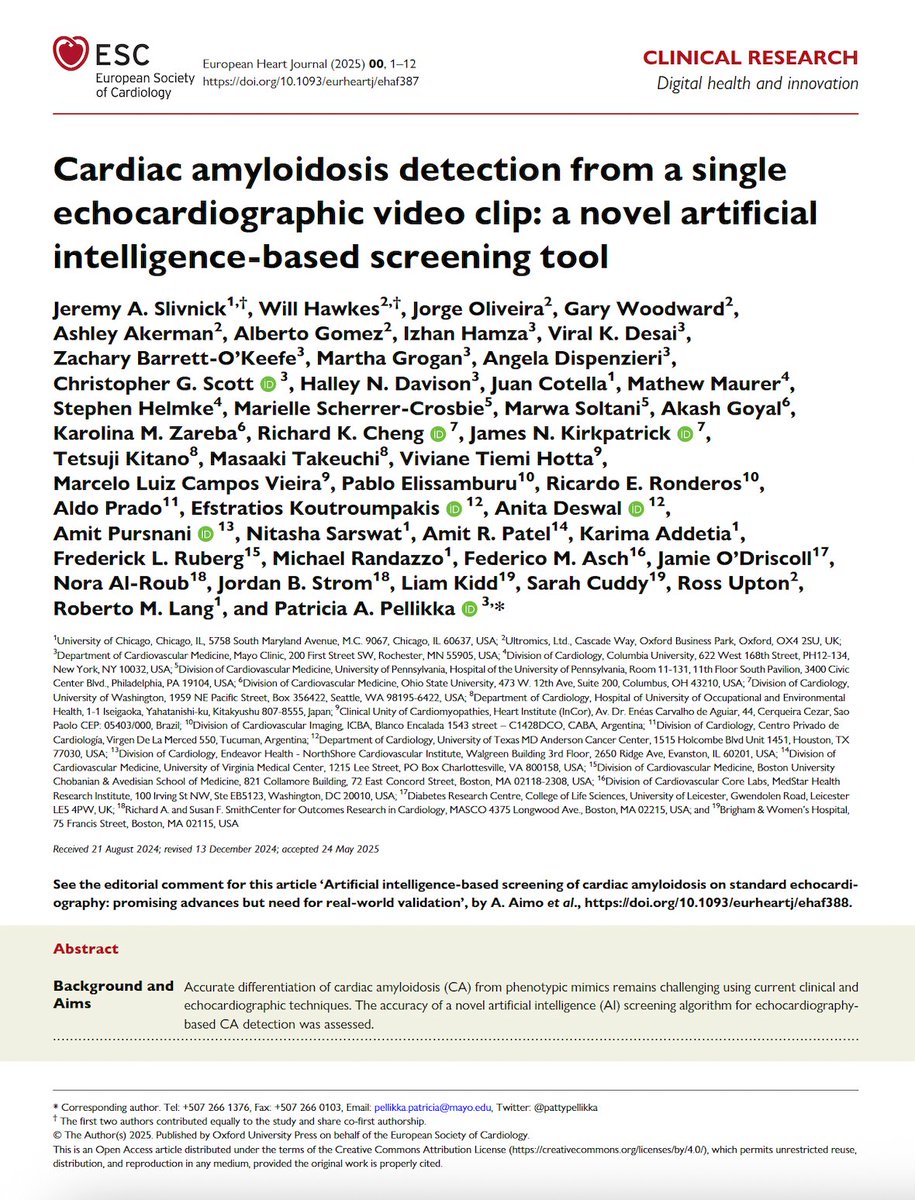
🚨New Publication Alert: Our Landmark Study Published in the European Heart Journal!
We’re proud to share that our latest study demonstrates that EchoGo® Amyloidosis, Ultromics’ FDA-cleared AI tool, significantly improves the detection of cardiac amyloidosis using a single echocardiographic video clip.
🫀 Cardiac amyloidosis is a frequently missed, life-threatening cause of heart failure. As new disease-modifying therapies emerge, early and accurate detection is more important than ever.
💡 EchoGo® Amyloidosis is:
💙 The first FDA-cleared AI screening tool for cardiac amyloidosis
💙 Granted Breakthrough Device designation
💙 Validated in a large, multi-center, international study (n = 2,719)
💙 Highly accurate with 85% sensitivity and 93% specificity across AL, ATTRwt, and ATTRv
💙 Demonstrated superior performance vs traditional scoring systems
🌍 The study involved 18 leading global centers including Mayo Clinic, University of Chicago, Brigham and Women’s, Columbia and more.
This breakthrough shows the potential for AI to help clinicians detect cardiac amyloidosis earlier, differentiate it from similar conditions like HFpEF or hypertrophic cardiomyopathy, and expand access to life-changing therapies.
This is another important milestone for @ultromics as we continue to transform cardiovascular care with AI — not just through EchoGo® Amyloidosis, but also through our EchoGo® Heart Failure platform.
🔗 Full Publication: https://t.co/U4VhsZl3lh
With gratitude to our incredible collaborators:
@pattypellikka@JSlivnickMD Will Hawkes @sarahcud@DocStrom@AshleyAkerman
And a heartfelt tribute to the late Roberto Lang, whose leadership and vision helped make this work possible. His legacy continues through innovations like this ❤️
@ESC_Journals@escardio@ASE360 #EHJ #Echofirst #CardiacAmyloidosis #HeartFailure #AIinHealthcare #MedTech #Cardiology #DigitalHealth #EchoGo #Ultromics #Innovation #HFpEF #CardiovascularAI
New in @NatureComms from @robertdmeade and all-star cast 🤩:
Meta-analysis of heat-induced changes in cardiac function from over 400 laboratory-based heat exposure studies @HEPRU_uOttawa 👇
https://t.co/cNlB2V1seV
"Most scientific studies are wrong, and they are wrong because scientists are interested in funding and careers rather than truth." https://t.co/pOX6T4Qv8a Science linking genes with particular diseases - "only in 1.1% of cases was the linkage true."
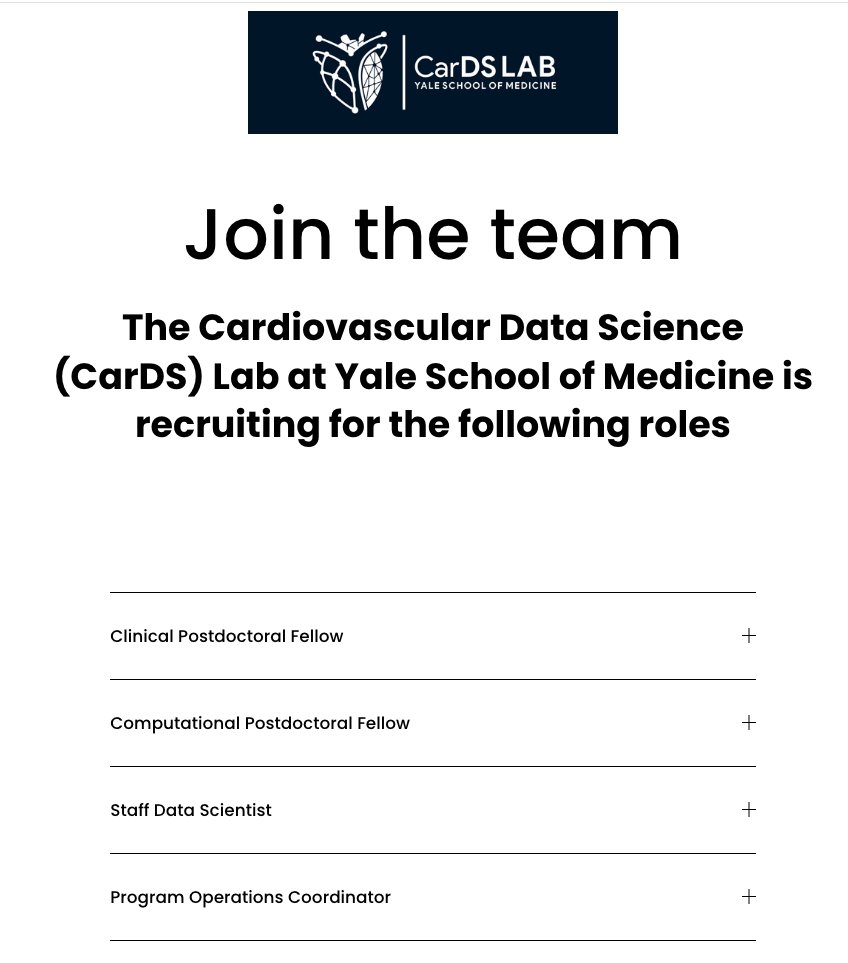
The @cards_lab is growing. We're recruiting for many roles:
(1) Clinical postdoctoral fellow
(2) Computational postdoctoral fellow
(3) Data Scientist
(4) Program Coordinator
Find out more here:
🔗https://t.co/2k2xhZrtfw
Please share with your network!
@YaleMed@Yale
Fully funded PhD opportunity with me @JoeCostelloPhD and @MattDicks7
🏔️ ‘Optimising the selection, preparation, and protection of individuals exposed to high altitude environments’ 🏔️
https://t.co/DVirOyrD7X
Deadline: 19/01/24
Start: Oct 24
📧: [email protected]
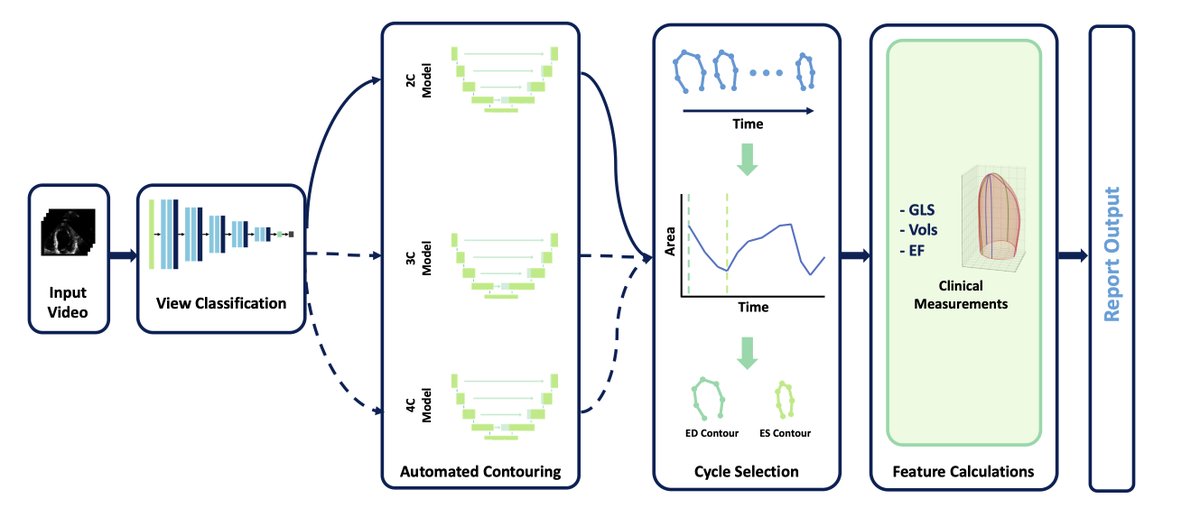
Automated LV volume and strain assessment using AI analysis software predicts adverse events in patients with chest pain. @ultromics continues to lead technological advancement in the automation of echo imaging adding significant clinical impact https://t.co/v03ugjLUNW
Upper-limb HIIT ⬆️ VO2peak by 16% and both HIIT and heat therapy ⬆️ anaerobic threshold ~10% in patients with osteoarthritis prior to hip/knee replacement 🦵@otago@heartotago
Read more about our RCT here: https://t.co/W1Am2sk30o
Fully funded PhD opportunity at @LJMUSportSci@LiverpoolCCS investigating different lifestyle modification (e.g. diet/exercise/diet+exercise/control) on hypertension and physiological measures of cardiovascular health
https://t.co/5hYxOPKQCZ
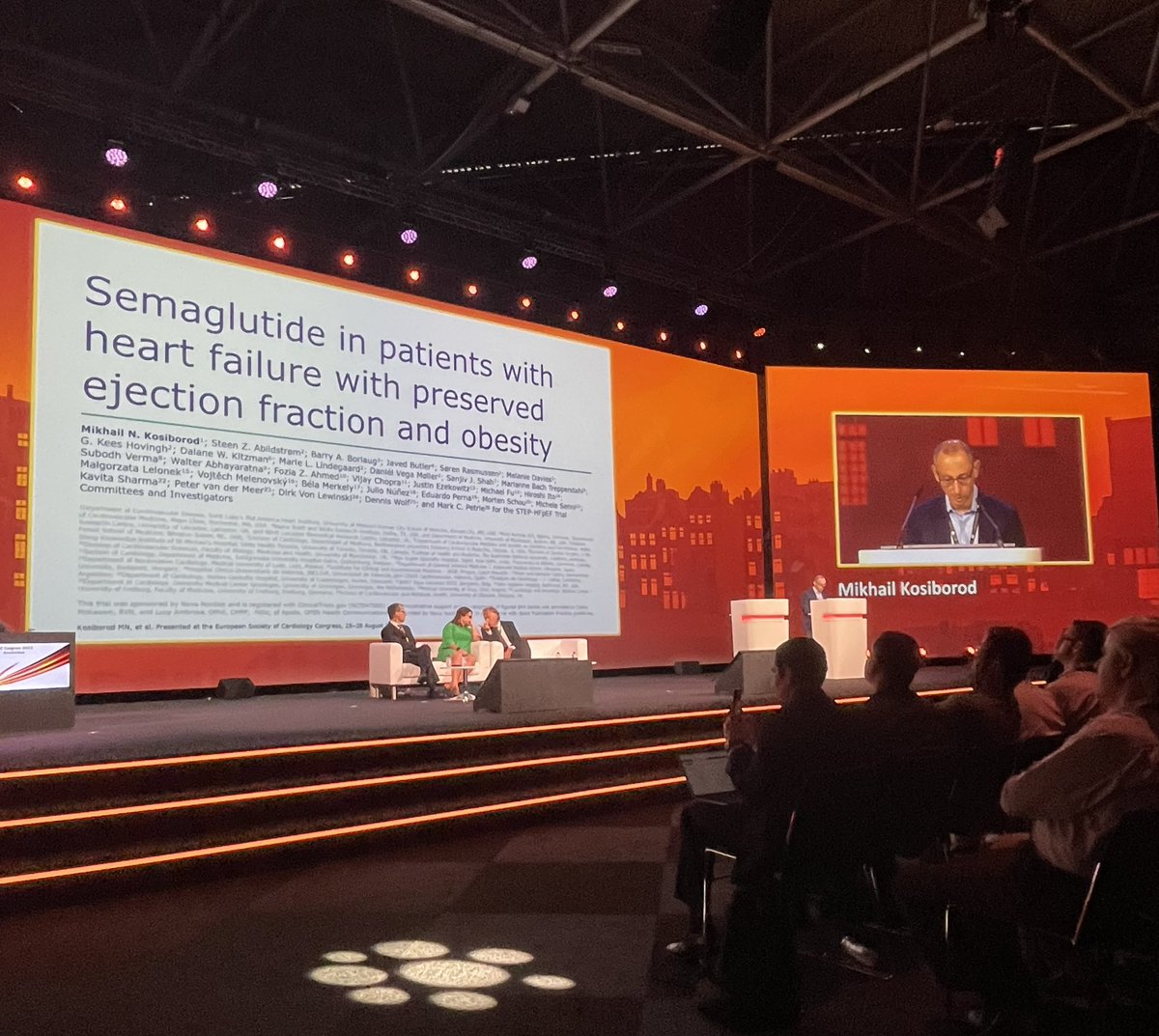
🔥 BREAKING 🔥
@MkosiborodMD from @MidAmericaHeart
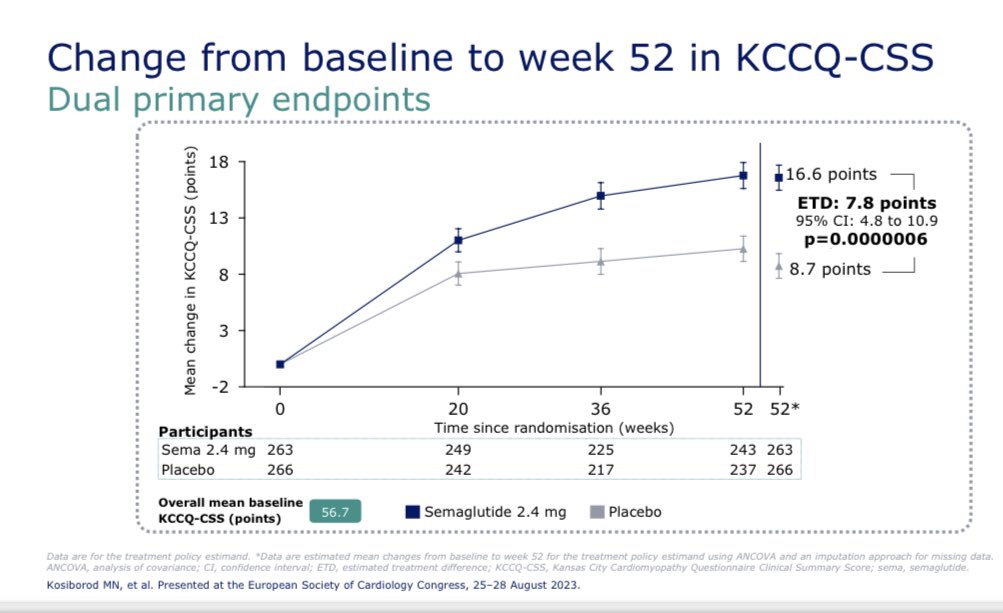
❇️STEP-HFpEF, semaglutide
Obesity-phenotype HFpEF
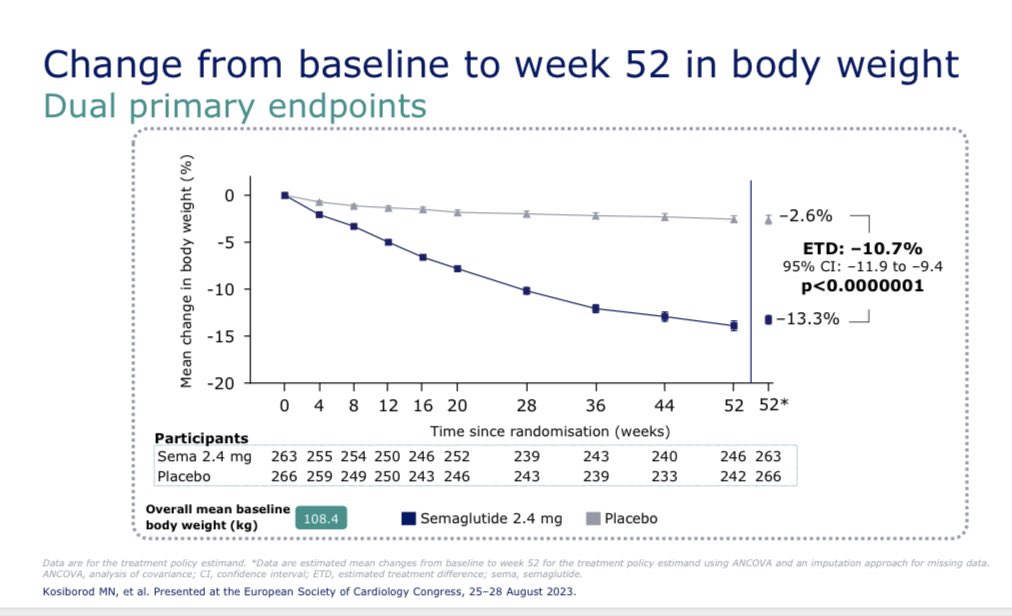
🔆 Dual primary endpt. achieved
1. 🔼 health status (KCCQ)
2. 🔽 weight
3. 🚶 🔼 walk distance
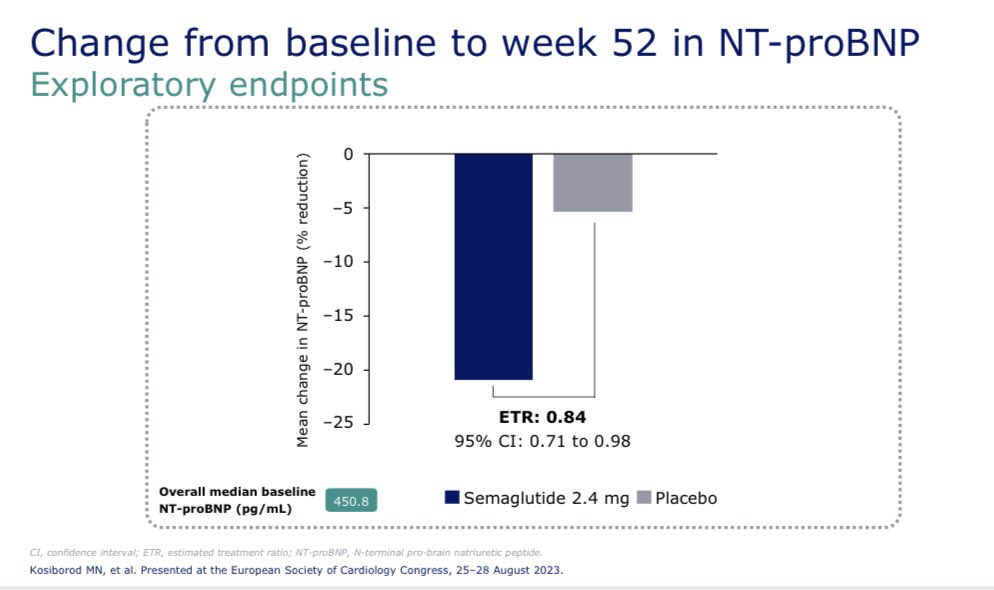
4. Reduced NTproBNP
The beginning of a new era of therapies for this phenotype
@David_Ouyang@DrRossUpton This discourse might have run its course; perceived “gotcha” moments aren't productive. You're more interested highlighting there might be a bias, which we’ve acknowledged, but not engaging with its impact, which we’ve tested.
@David_Ouyang@DrRossUpton The presented analyses highlight that when potential bias in age is considered by matching (ST3) or accounting for age in modelling, the performance is still acceptable, and the model useful in detecting important clinical outcomes.