Happy Cyber Monday! Today we are having a sale on all nuclear rocket development programs! DM us if you want to build a nuclear rocket and fly around in space!
Howe Industries is developing state-of-the-art nuclear plasma propulsion technologies for interplanetary space exploration! See more about the Pulsed Plasma Rocket at https://t.co/5hBHdQiZT5
Check out this interview about Howe Industrie's ThermaSat propulsion system! The team is still working on this concept support by a @NSF Phase I SBIR. #space#innovation https://t.co/PMb7SaKRrz
We are proud to announce that Howe Industries has been awarded phase 1 grant from the National Science Foundation for the development of ThermaSat. With the support of @NSFSBIR, the future of CubeSat propulsion will not only be faster but eco-friendly.
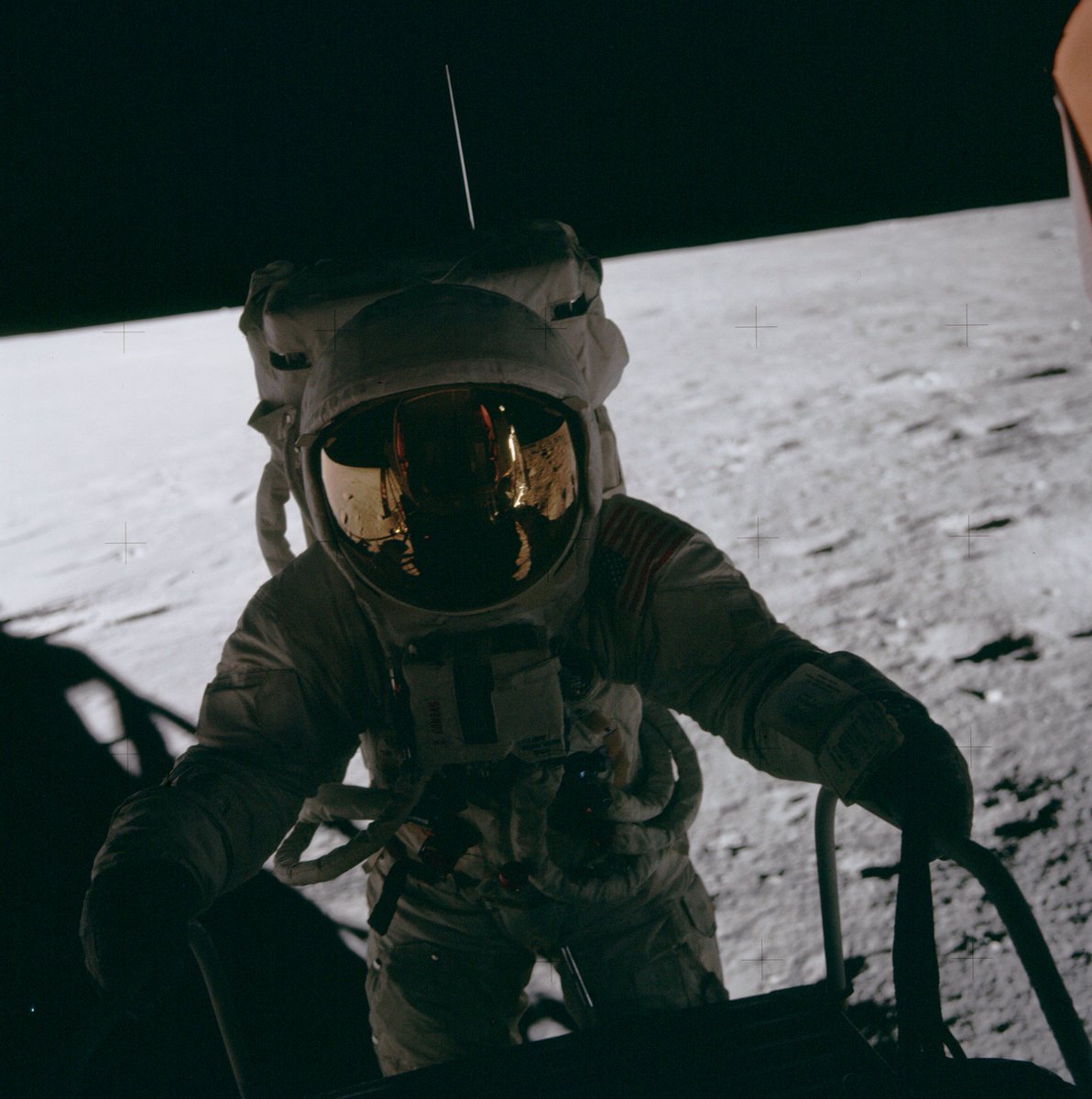
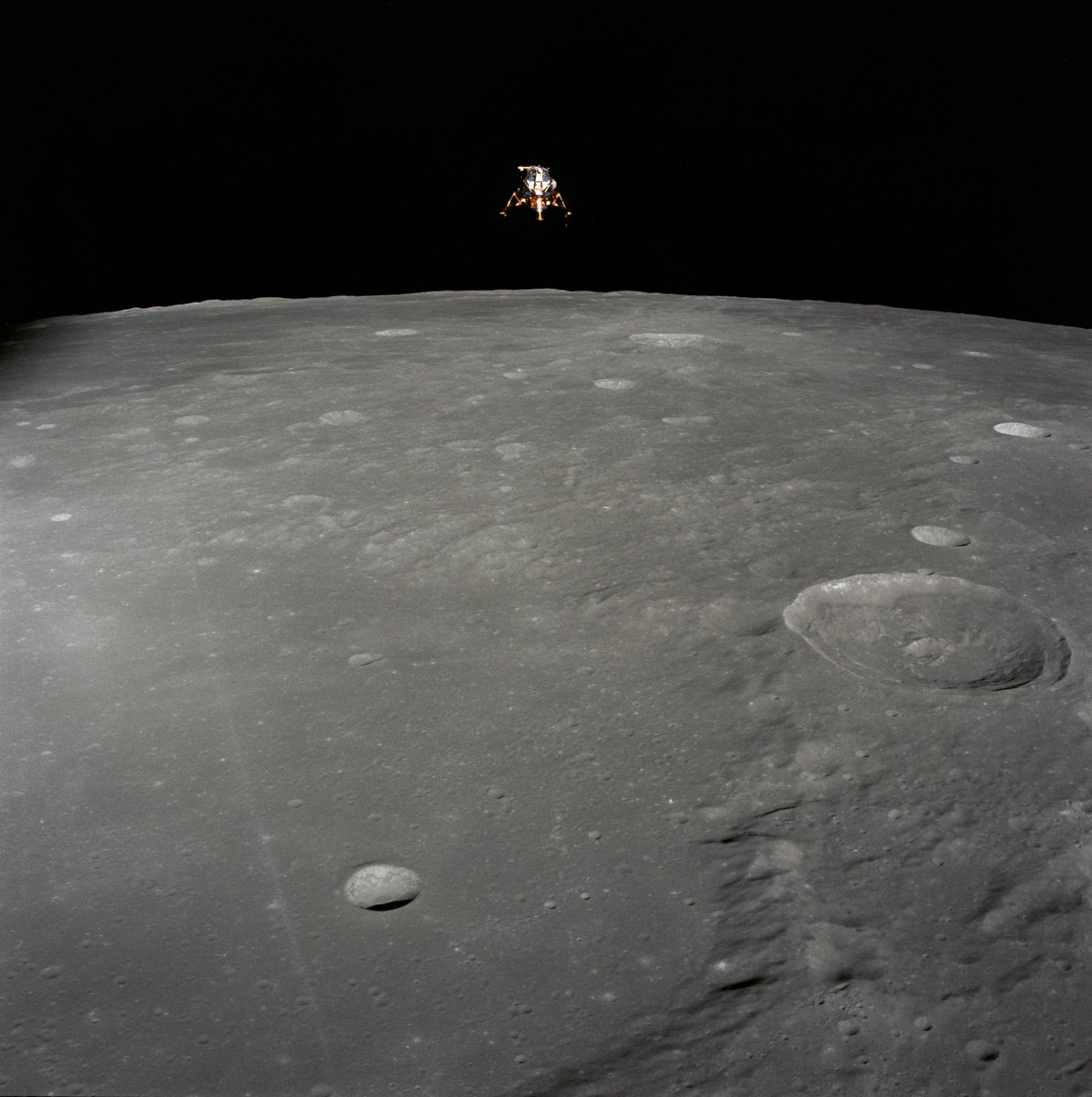
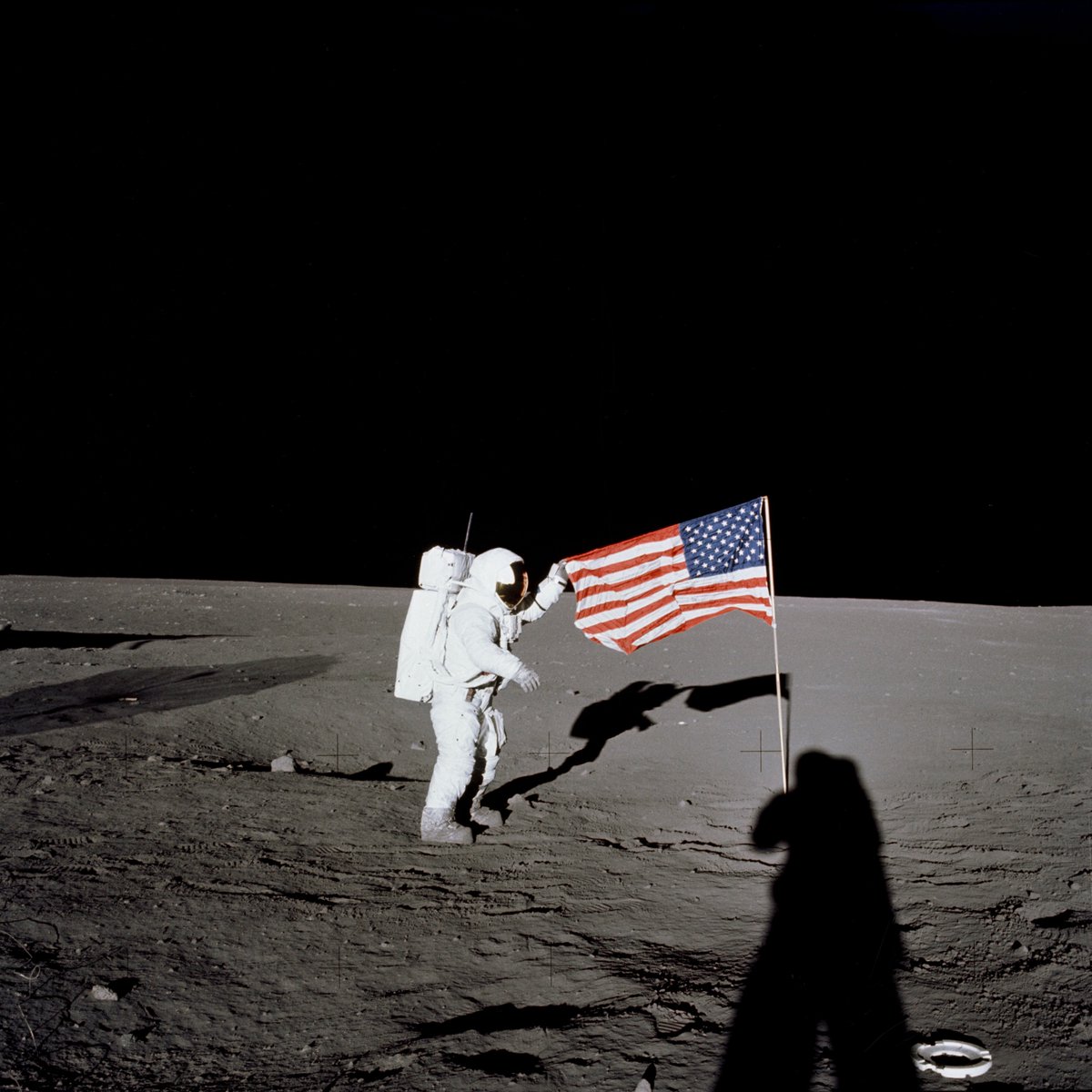
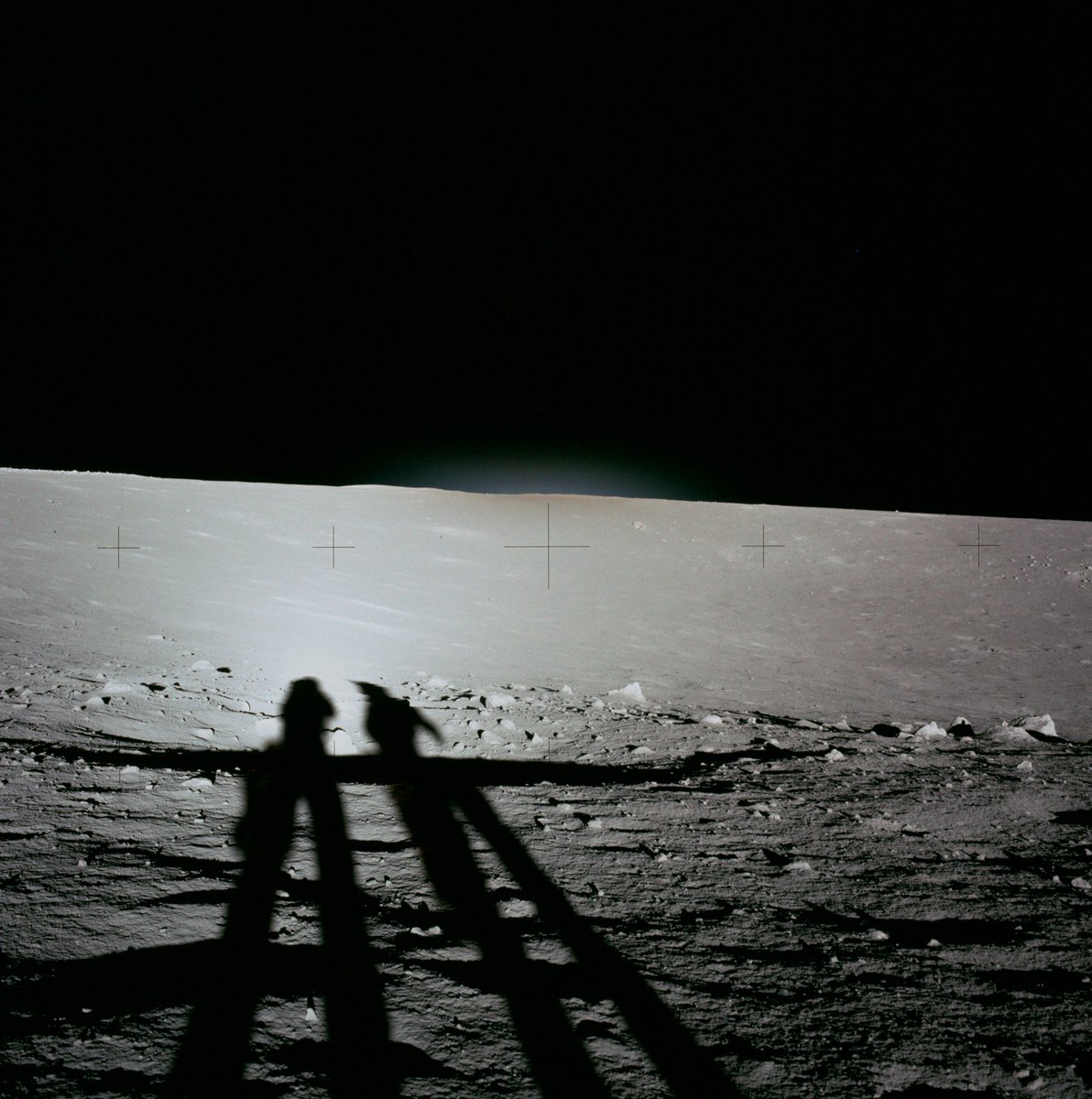
50 years ago, the number of human visitors to the lunar surface doubled. On Nov. 19, 1969, #Apollo12 astronauts Pete Conrad & Alan Bean landed their Lunar Module on the Moon, then completed 2 spacewalks. Richard Gordon orbited above in the Command Module. https://t.co/PQN0eUfNMm
Confirmed: there's water vapor present above the icy surface of Jupiter's moon Europa.
A research team led from @NASAGoddard made the detection — which supports the idea that below the ice, Europa has an ingredient necessary for life: liquid water. More: https://t.co/ic1w7MrlOo
Hayabusa-2 probe is making its way back to Earth today to bring home samples from the asteroid Ryugu. What an exciting mission. #space#science#universe
https://t.co/0tywcrViRq
🧭 Explorer
📸 Photographer
⛰️ Geologist
🧪 Chemist
@MarsCuriosity does it all! The rover captured images for this celebratory #selfie, after its 2nd-ever "wet chemistry" experiment using solvents to help its portable lab detect organic compounds. Zoom in: https://t.co/TiFiJOtSw9
Paolo Venneri, William Kowalski, and Steve Howe discuss nuclear energy in space from the private sector point of view.
@PaoloVenneri @WilliamOnSpace @ask_howe
@GovNuclear@iaeaorg We are working on a nano reactor that will run for 100 years without refueling. This development is based on a NIAC project funded by NASA. Follow us for updates!
LIVE NOW: our @NASASun ICON mission briefing. Watch: https://t.co/6pdQPLhERr
🚀 Set for launch tomorrow, ICON will study the zone where Earth weather meets space weather — a region that plays a major role in the safety of satellites and reliability of communications signals. 📡