We're hosting a Software Carpentry workshop at ADASS (Nov 4-5) and you can attend even if you don't register for the conference (but please register for the workshop https://t.co/v0xR4zGVZA). Feel free to DM me with questions @azstewobs @thecarpentries@swcarpentry@UArizonaLPL
#SpaceDrafts91 is coming your way, Sep 19 @ 7:30pm @ Borderlands Brewing Co (Toole location) / https://t.co/YV0aYFkTqg! @azstewobs astronomers Nick Schragal and Azalee Bostroem (@astro_az) will talk about eclipses and the wonderful @NASAHubble! RSVP: https://t.co/qxa0HF08HA
Some terrific young astronomers doing excellent work studying supernovae are featured in this article, including Griffin Hosseinzadeh, Azalee Bostroem @astro_az, Wynn Jacobson-Galán @Wynn_Lose, Sergiy Vasylev, and Monika Soraisam
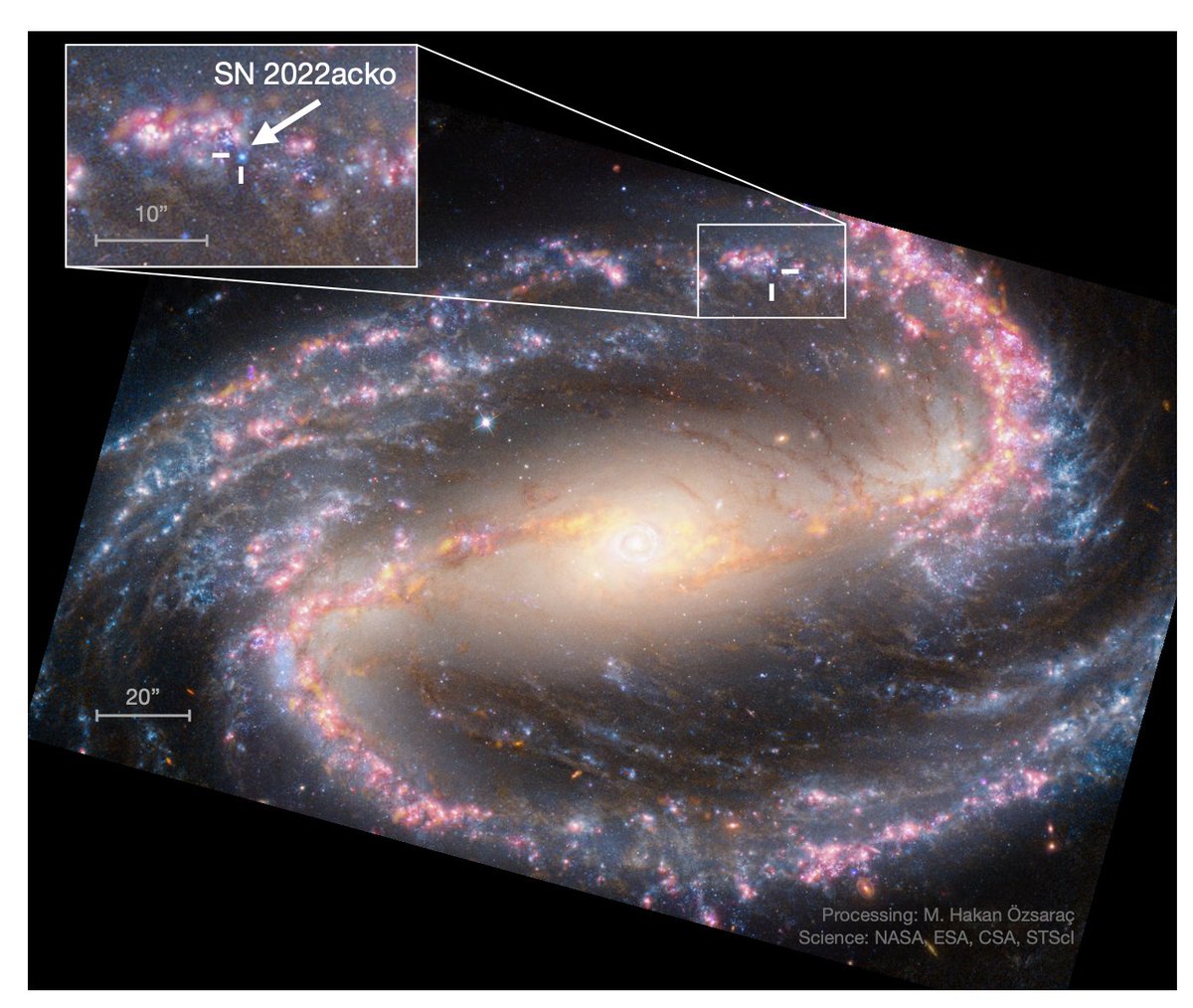
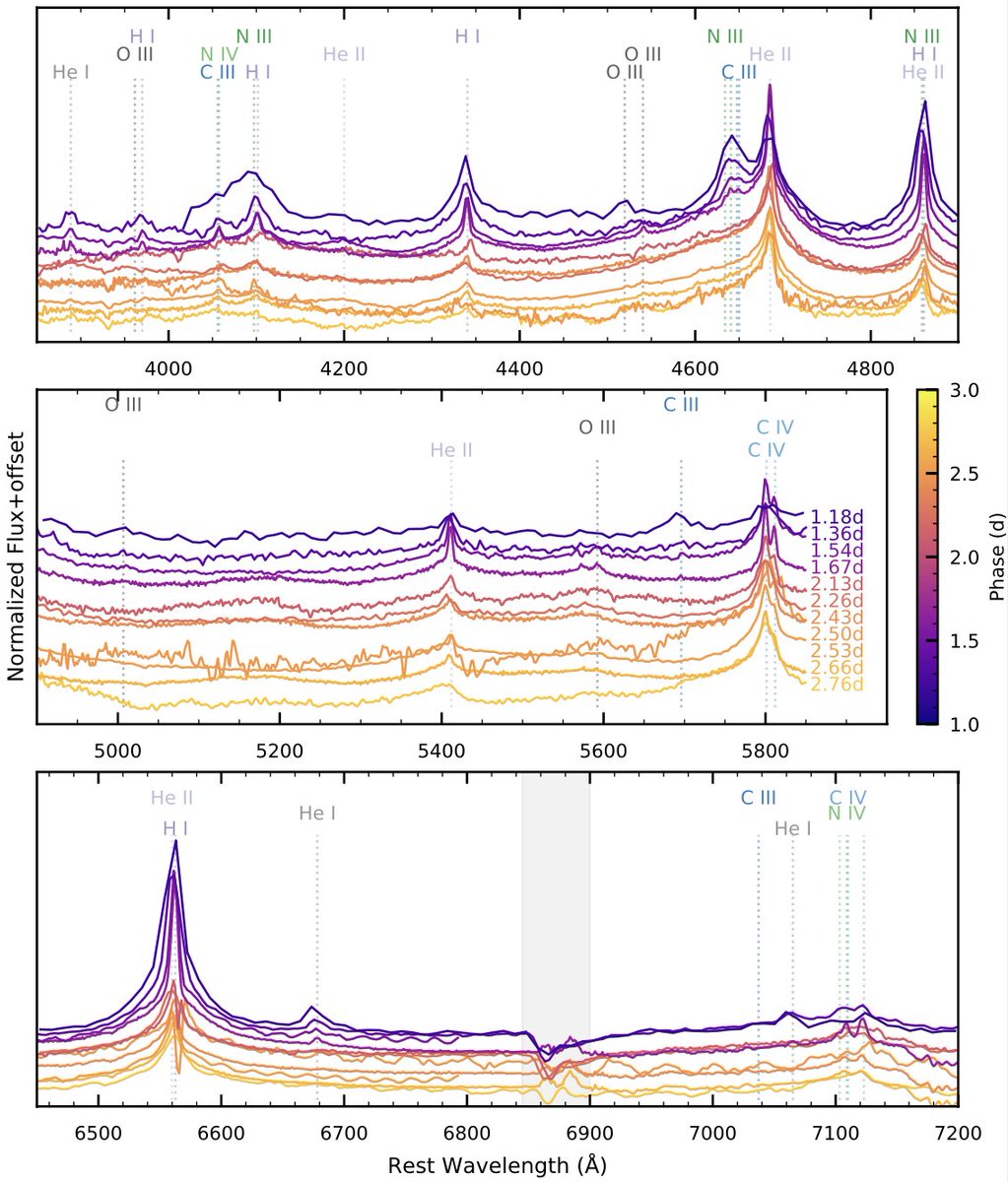
SN 2023ixf is an amazing opportunity to study a supernova interacting with material surrounding the progenitor star in exquisite detail. Check out how the spectra evolve within the first night with our incredible @azstewobs and DLT40 dataset! https://t.co/7oIj6zUEnm
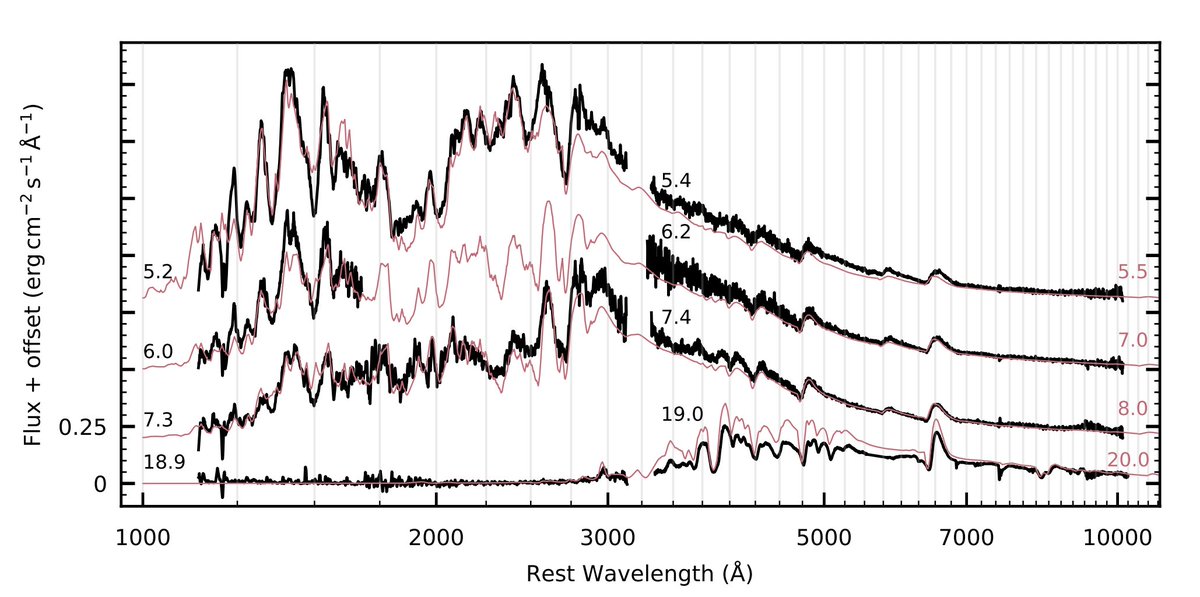
So excited to share this paper from our team led by @astro_az on the earliest Far-UV spectra of a Type II supernova to date. The dataset is AMAZING, and will be incredibly useful for years (decades?) to come for understanding CCSNe! https://t.co/ceGbnqNoLG
I'm super excited to share the earliest FUV spectrum of a Type II supernova! This was a huge feat to discover, classify, and execute a disruptive ToO with @NASAHubble. There are a lot of high ionization metal features that we haven't seen in later spectra. https://t.co/nfVYYM2nVD
@merrdiff We chose the GD1 dataset that the Foundations of Astronomical Data Science curriculum is based on because of the work that @adrianprw shows in this repo: https://t.co/AhKEUXJoh1. I see there's a paper directory too
ICYMI, new Data Carpentry curriculum on astronomical data science is now fully incubated and released thanks to the hard prolonged work of the Astronomy Curriculum Data Carpentry (ACDC; ) Committee!
New on the blog: Foundations of Astronomical Data Science Launch
The long-awaited Data Carpentry curriculum for working with astronomical data is now available to teach!
Learn more:
https://t.co/baO8Wo2aav
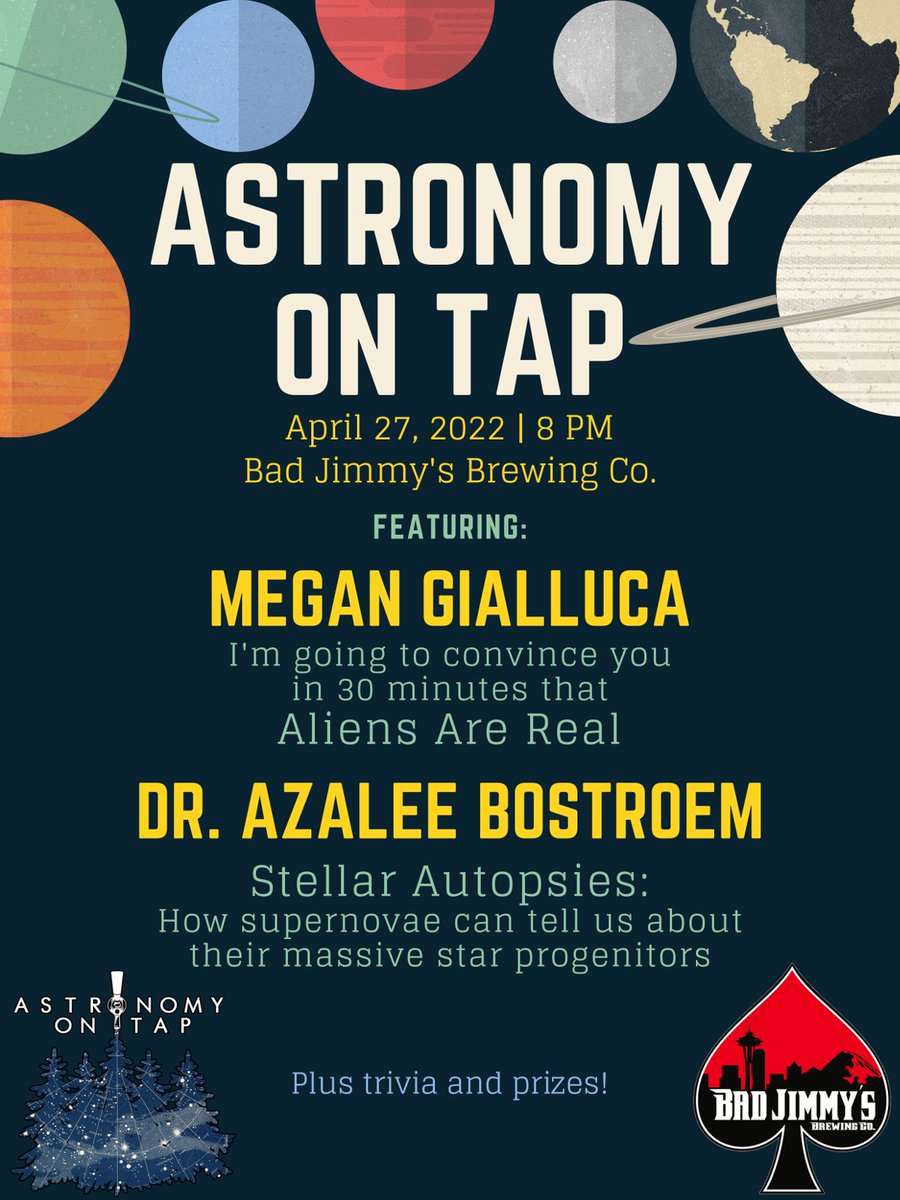
We've got two great talks for #AstroOnTap@BadJimmys at 8pm for you on April 27th! Come to learn about looking for aliens with Megan Gialluca and massive star supernovae with Dr. Azalee Bostroem!
FB: https://t.co/VO3vj9RWVE
The Carpentries is seeking Curriculum Advisors to provide oversight, vision, and leadership and guide large-scale updates for our open-source curricula, including Foundations of Astronomical Data Science (https://t.co/FY4mWbvjFF). See https://t.co/nbKkKQzLuq for details. Due 9/29
On the first day of astro, the cosmos gave to me a Big Bang full of energy! During the Big Bang 13.8 billion years ago, the universe expanded from subatomic size to the size of a golf ball in a hundredth of a billionth of a trillionth of a trillionth of a second, creating space!
“I thought the universe was complicated – it turns out people are complicated too" - thank you to @astro_jje for sharing her story: https://t.co/esFrdGy09i