Today's Progress flight was the fastest ever from Earth to ISS at 3h18m34s; the third fastest Earth-to-LEO-docking flight ever (after Gemini 11 and Soyuz 7K-OK No. 5)
VERY IMPORTANT FROG CONTENT:
This is Rhombophryne testudo, described in 1880 by Oskar Boettger. I have longed to see one alive since I started working on the genus five years ago. Tonight I got that wish fulfilled and I could not be happier about it. Look how R O U N D he is!
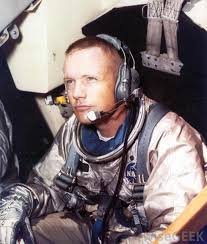
It took 99 tests flights to put this man on the Moon.
Mercury: 15
Gemini: 19
Apollo: 19
Surveyor: 7
Lunar Orbiter: 5
Explorer: 6
Ranger: 9
Project Fire: 2
Scout: 2
Little Joe I/II: 7
Pioneer: 8
It's easy to think of Apollo in isolation, but the testing program was fundamental.
Cool: asteroid Bennu is actively spraying gravel. Less cool: the activity is being called Particle Ejection Events, which means my 7 year old can say “mom, Bennu is PEEing”, and I can’t tell him otherwise.
A @NASA spacecraft that will return a sample of a near-Earth asteroid named #Bennu to Earth in 2023 made the first-ever close-up observations of particle plumes erupting from an asteroid’s surface. | @OSIRISREx @UofA https://t.co/7ewgFyMncR #TeamRadar
Bet you didn't notice the colors in the #SuperSnowMoon. The color is there, but it's drown out since the moon reflects the color of the sun, glaring white. When you filter all that out though, it comes to life showing lava flows, valleys, mountains, and endless character! #moon
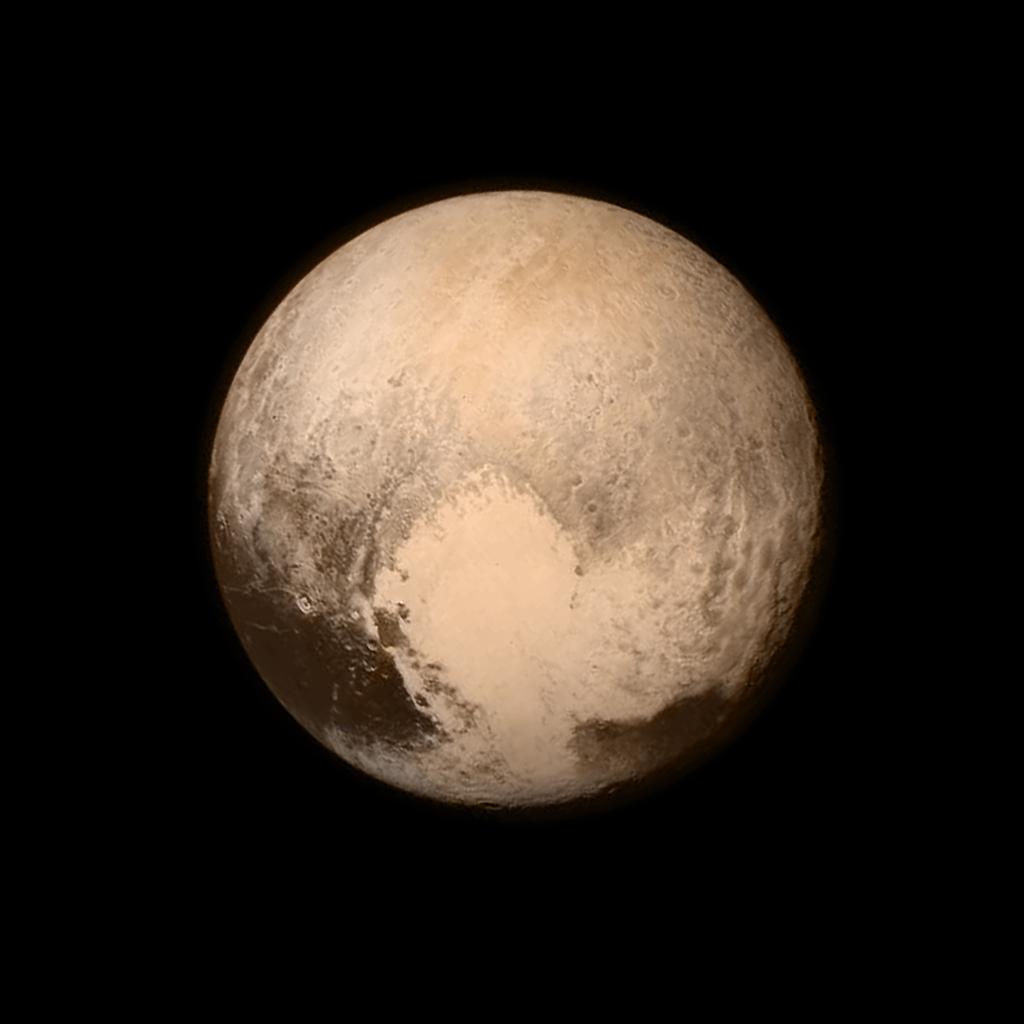
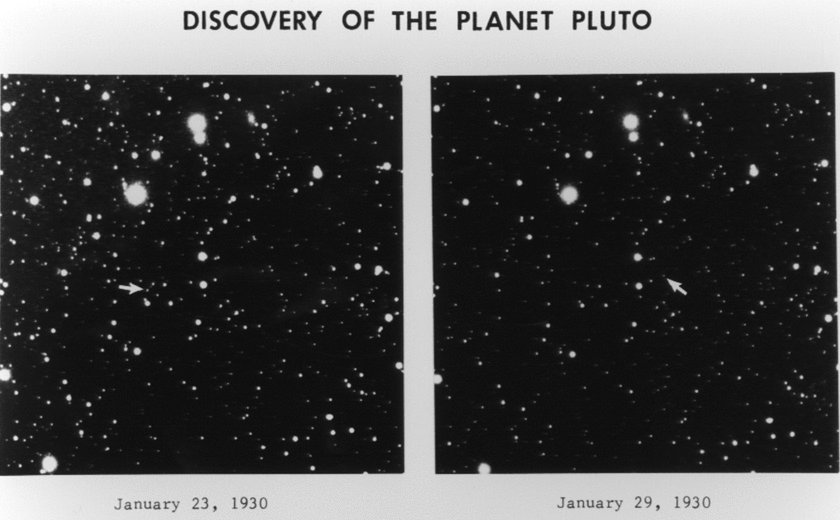
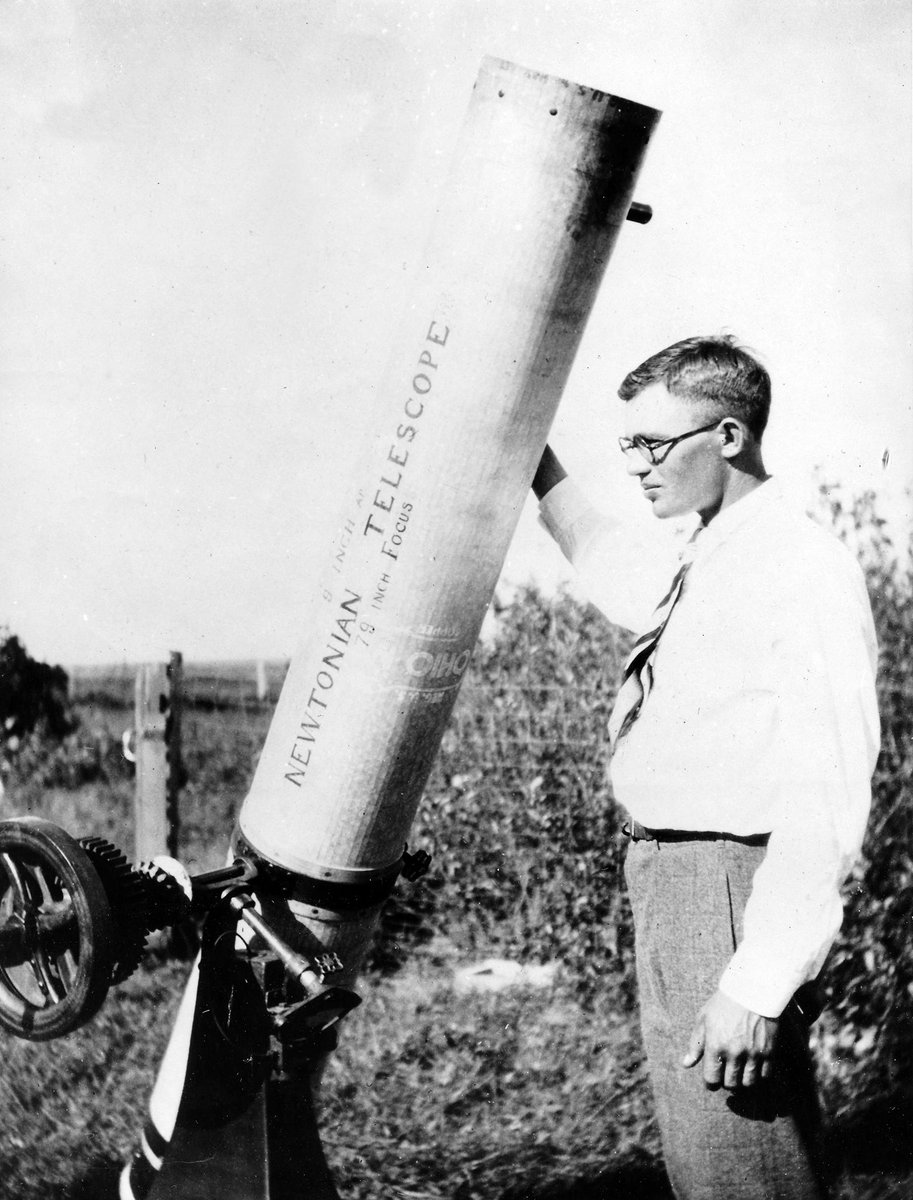
#OnThisDay in 1930, Clyde Tombaugh discovered Pluto, a small planet on the outer frontier of the #solarsystem. Almost 90 years later we continue Clyde’s legacy of exploration with New Horizons which, in 2015, revealed this small world’s icy wonders.