Space science and materials research group at UCD.
Our research involves: GRBs, TGFs, pulsars, blazars, and development of novel high-energy instruments
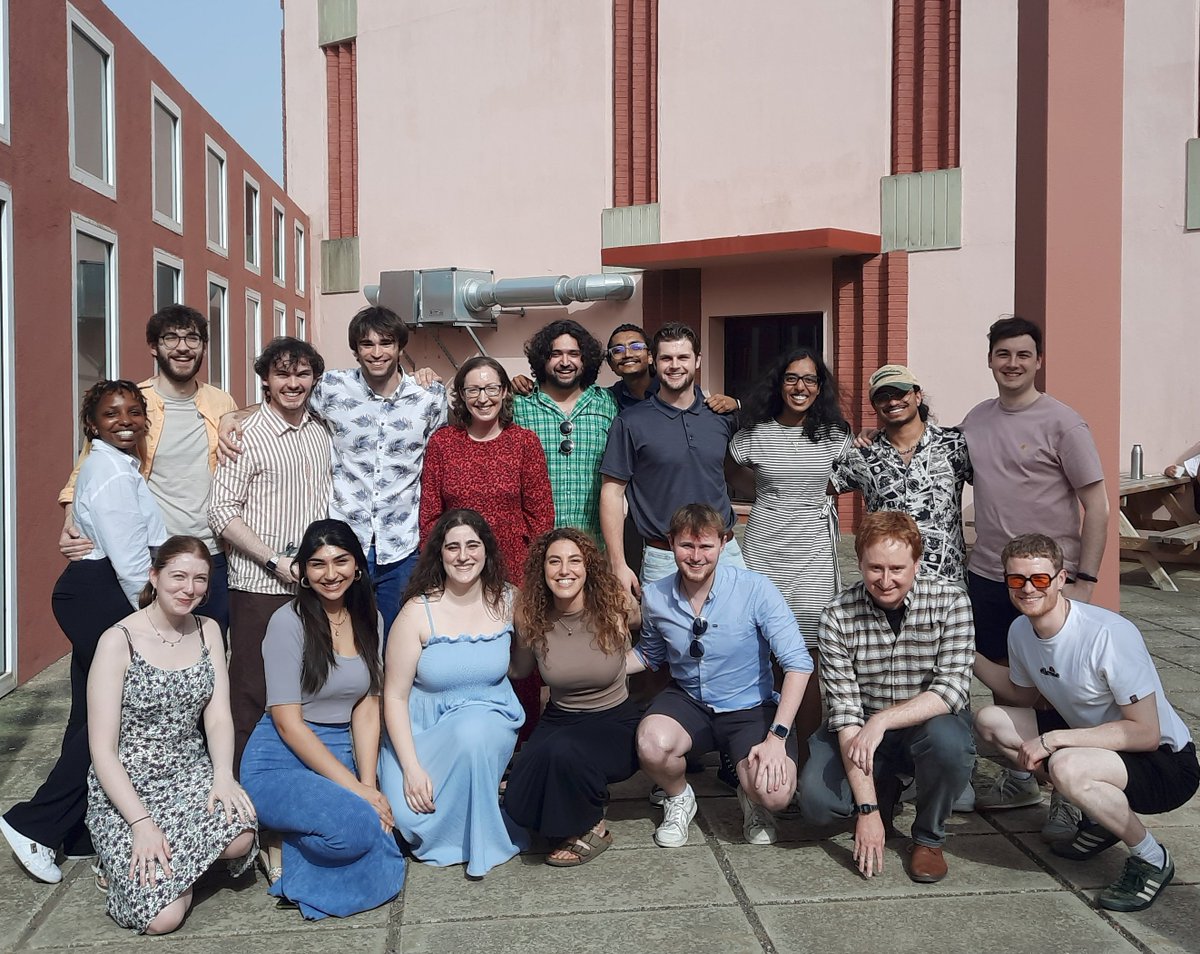
Well done to our Space Science & Technology MSc students @ucddublin@UCD_physics on completing Space Mission Design in Tenerife with our colleagues at the Universities of Southampton @AstroPhysSoton and La Laguna. Special thanks to PhD student Cuán & our former colleague Robert!
Best of luck to Dr. Robert Jeffrey on his last day in @UCD_Physics as he takes on a new role in @AstroPhysSoton.
Robert has made made major contributions to many areas in the school & especially to the Space Science & Technology MSc.
@astroucd@UCD_Cspace@ucdscience
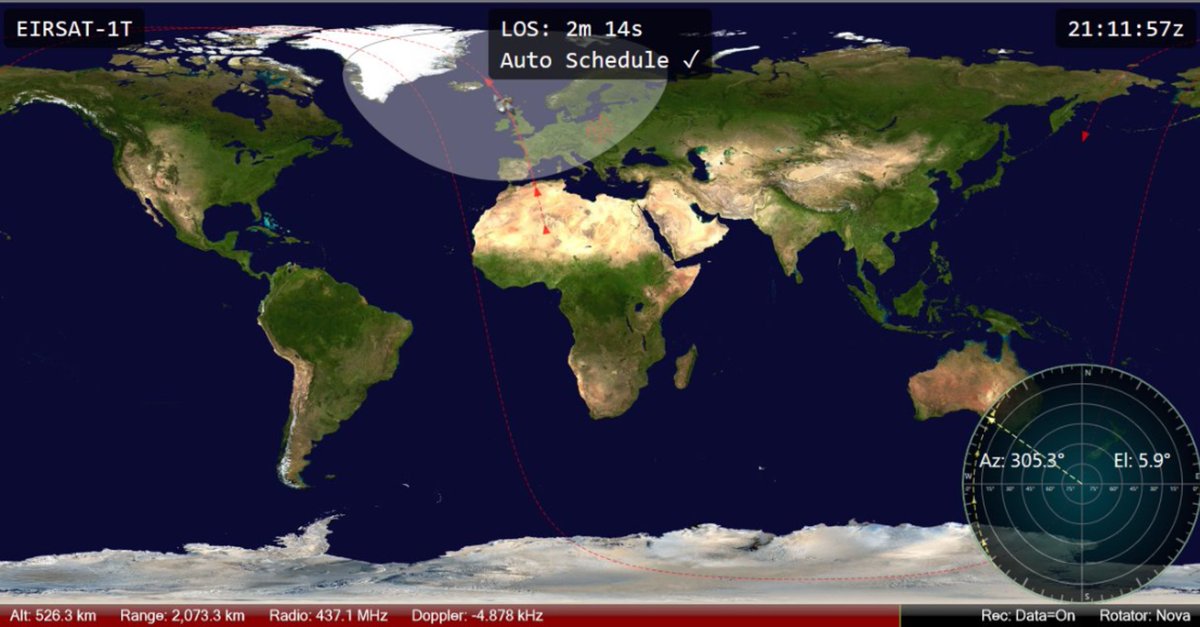
📡🛰️ Shortly after EIRSAT-1's deployment, hundreds of radio amateurs from all over the world tuned in to catch the first signs of activity from Ireland’s first satellite.
📻 The first beacons were transmitted around 20:30 GMT, soon after the deployment of the satellite's antennas. Dedicated radio amateurs from all over the world were ready to catch those signals and sent the first recordings around 21:05 UTC (22:05 CET).
🚀 The miniature cube satellite, designed, built, and tested at UCD under the guidance of the European Space Agency (ESA), took flight at the Vandenberg Space Force Base in California aboard a Falcon 9 SpaceX rocket Friday evening (IST), 1st December.
🔗 Find more on the winners: https://t.co/cT0bHUoTD0
Picture of the Month for December: A strong gamma-ray burst detected by INTEGRAL has had a caused a pertubation in Earth's ionosphere. Read more here: https://t.co/X3EQX1I5N2
Our paper presenting the second spectroscopically observed kilonova is finally out on Nature! Contrary to what it is normally expected, the gamma-ray burst associated to it was quite long . And bright, really really bright. Second brightest of all time! @ucdscience@UCD_Research
What a summer! First @ESA_Webb helps us confirming a new supernova based on a request I led, and now I have @HUBBLE_space monitoring its evolution. So exciting! 🤩
Thanks to the team at @SpaceTelescope for their support during these observations
The @NASA's @chandraxray observatory crossing the sky as imaged last night (May 4, 03:04-0:37 UT) with our wide-field BOOTES-1 robotic telescope at @intaespana-CEDEA (Huelva, Spain). A sudden decrease in brightness starting at 03:27 UT may be due to a repointing of the spacecraft
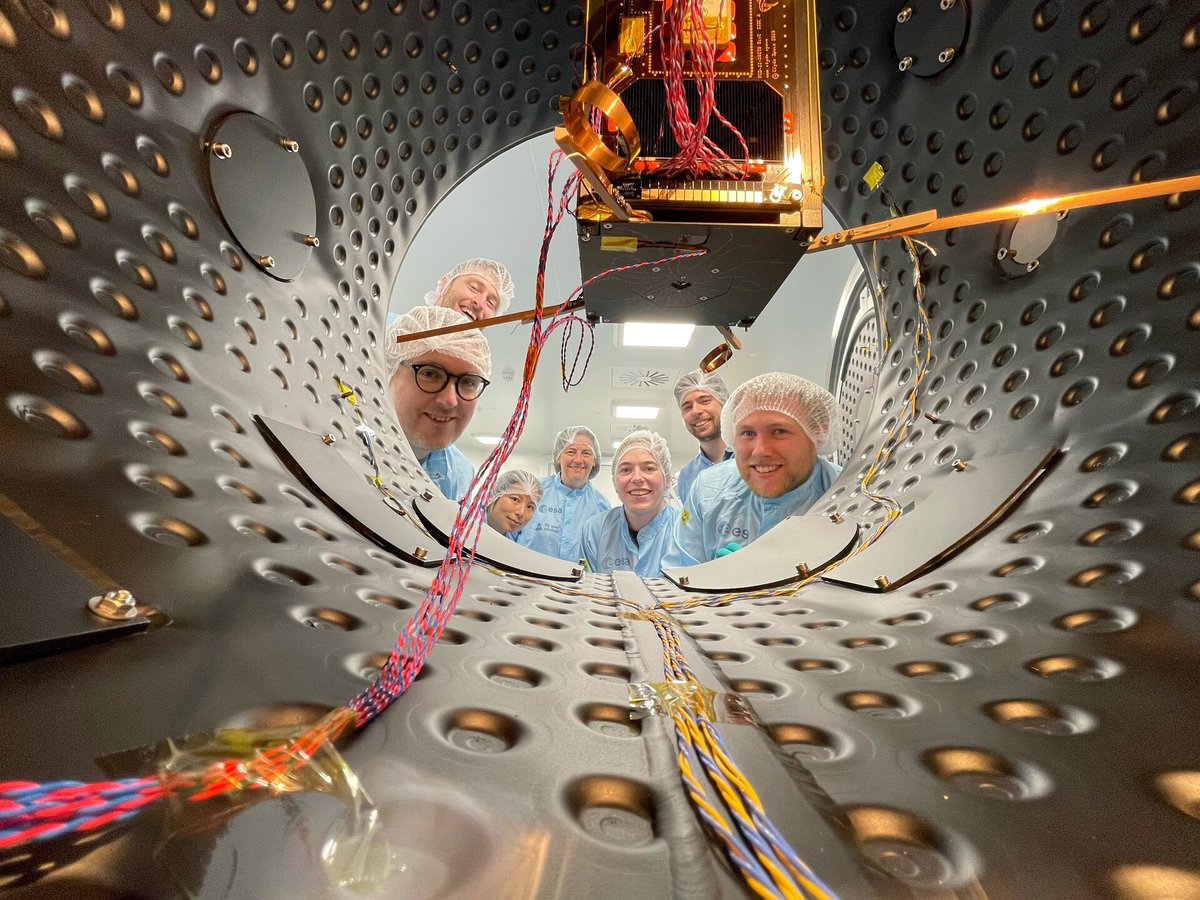
🛰🤞 Six years in development, Ireland's first space satellite, @EIRSAT1, could finally launch this year.
👩🚀 The story began when educators and students @ucdscience and @UCDEngArch applied for a place in @esa's Fly Your Satellite! programme.
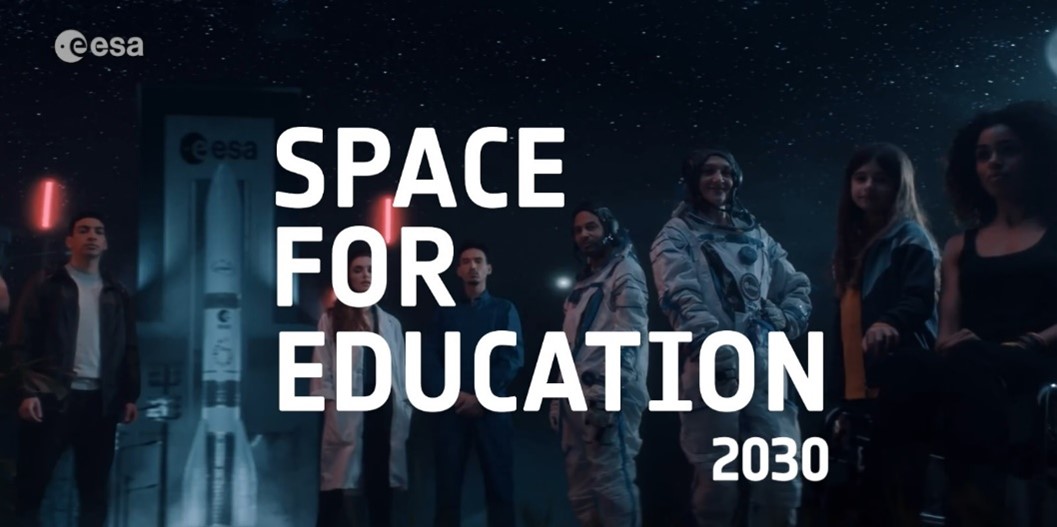
Space for Education 2030 is the evolution of the ESA #education programme.✨Take a look at what the Education office has in store for #students and young people of all ages at the dawn of a new space era 👇https://t.co/ccaUrj3sGI
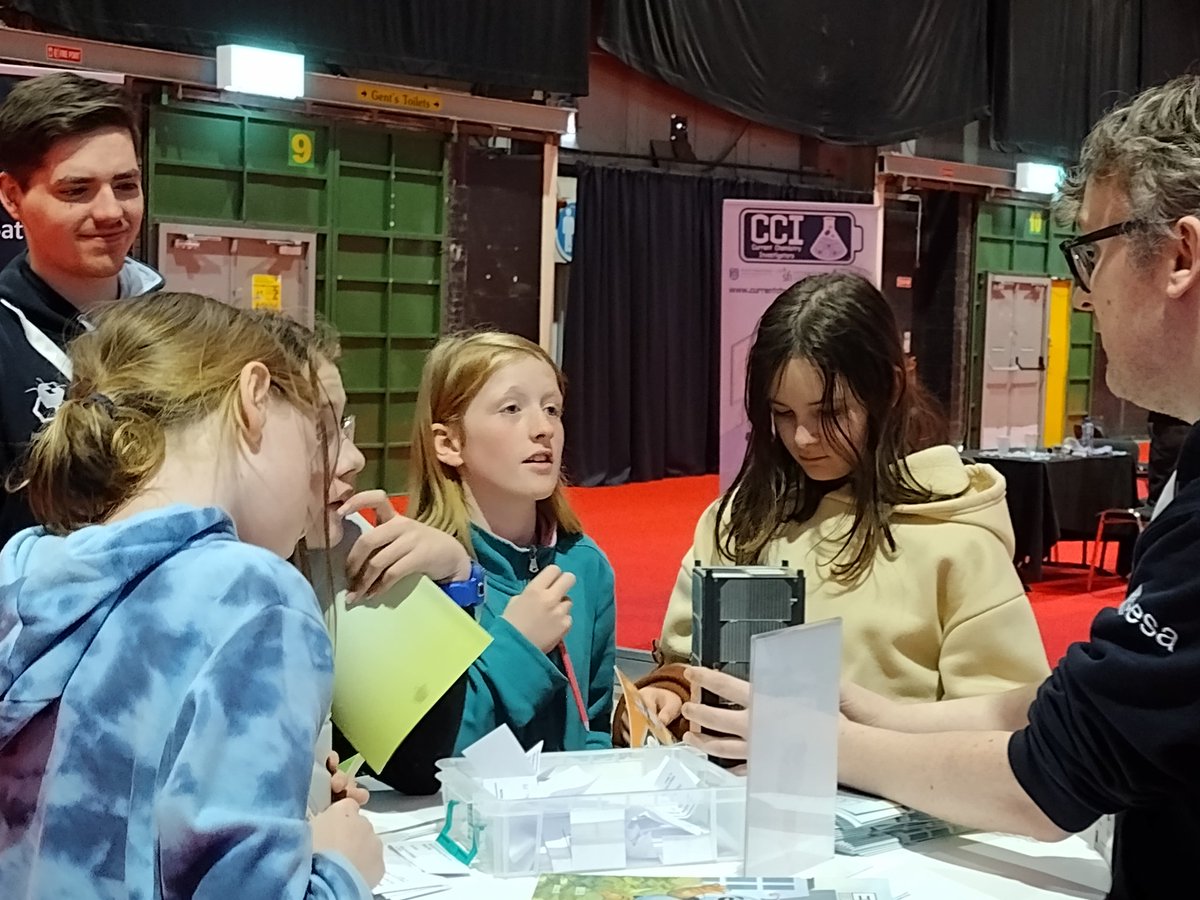
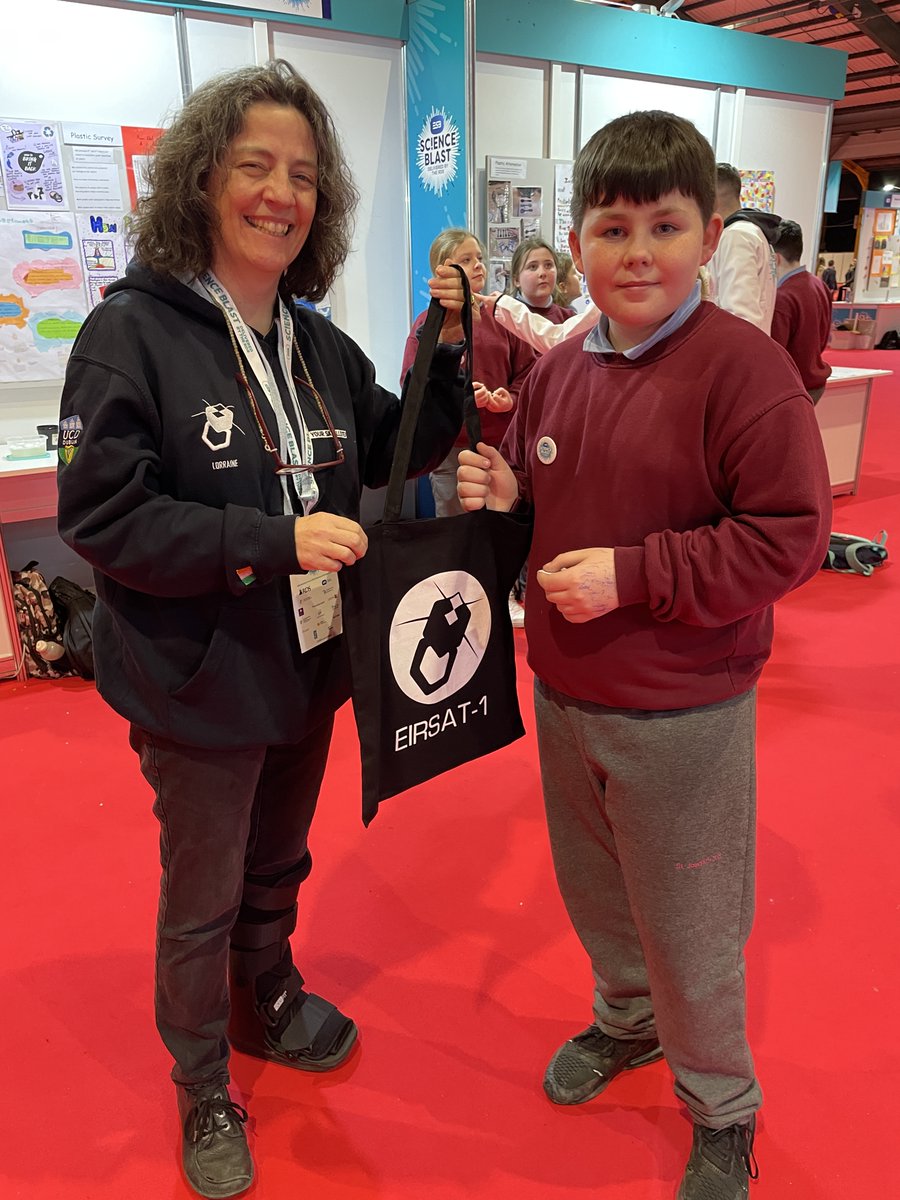
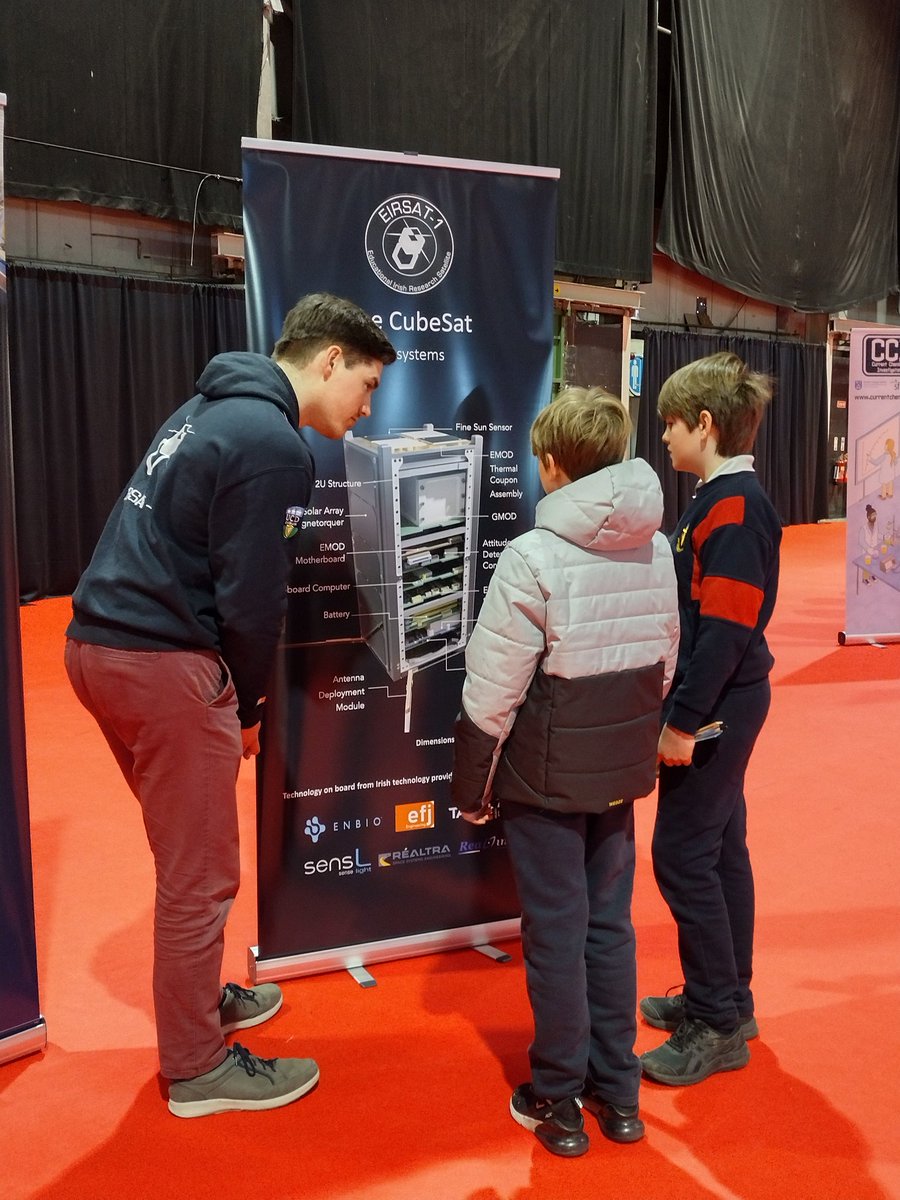
Visit @EIRSAT1 at @esbscienceblast@TheRDS this week and meet the @ucddublin team behind Ireland's first satellite.
Team #EIRSAT1 will be joined in the EXPO Hall today by space technology company @RealtraSpace to talk about the exciting world of the Irish space industry!
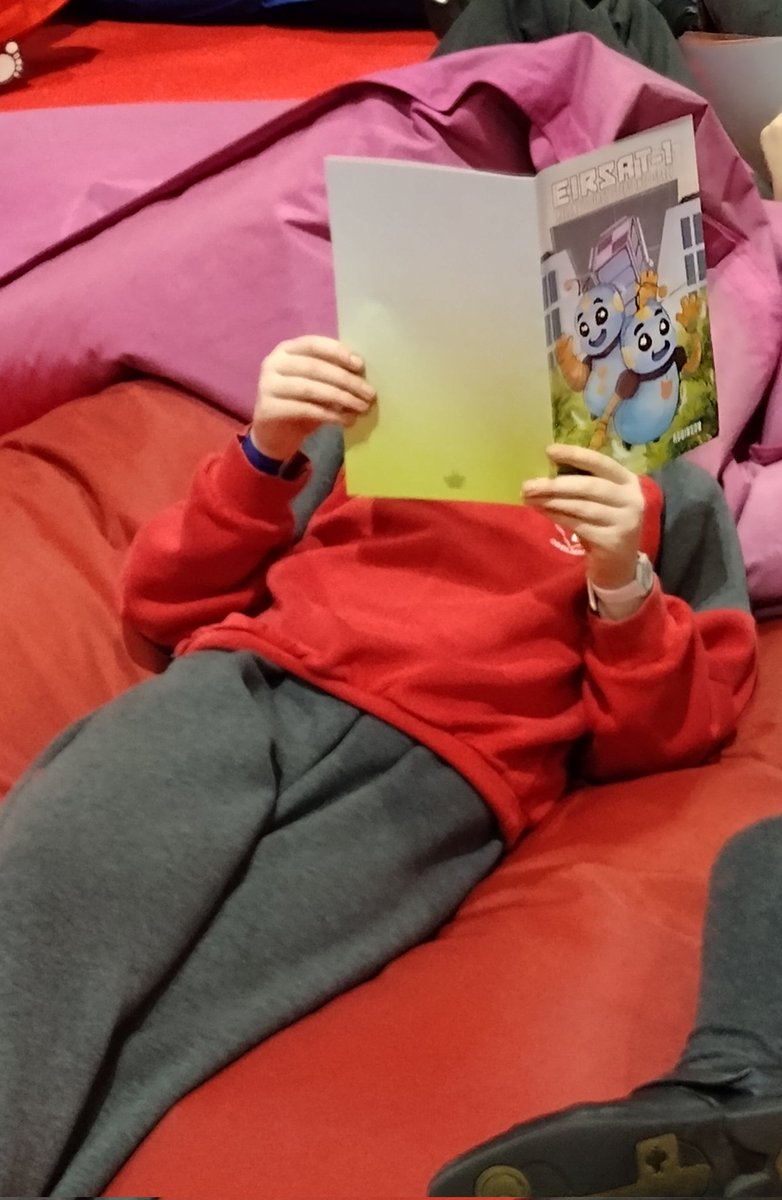
We chatted all things space @esbscienceblast on Day 1, with a popular draw for space swag, talks by Gabriel, and our comic book providing some wind-down reading. More tomorrow 🚀 #IrelandinSpace
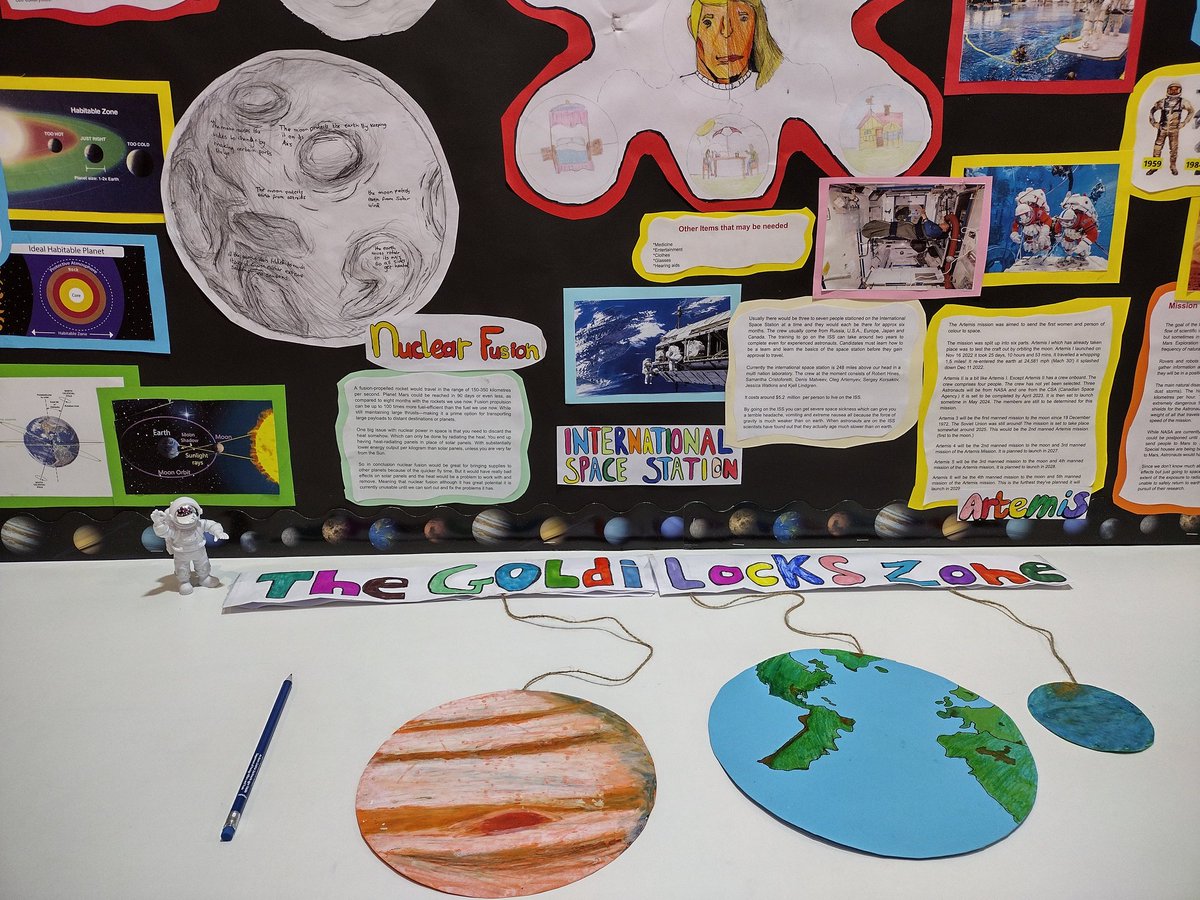
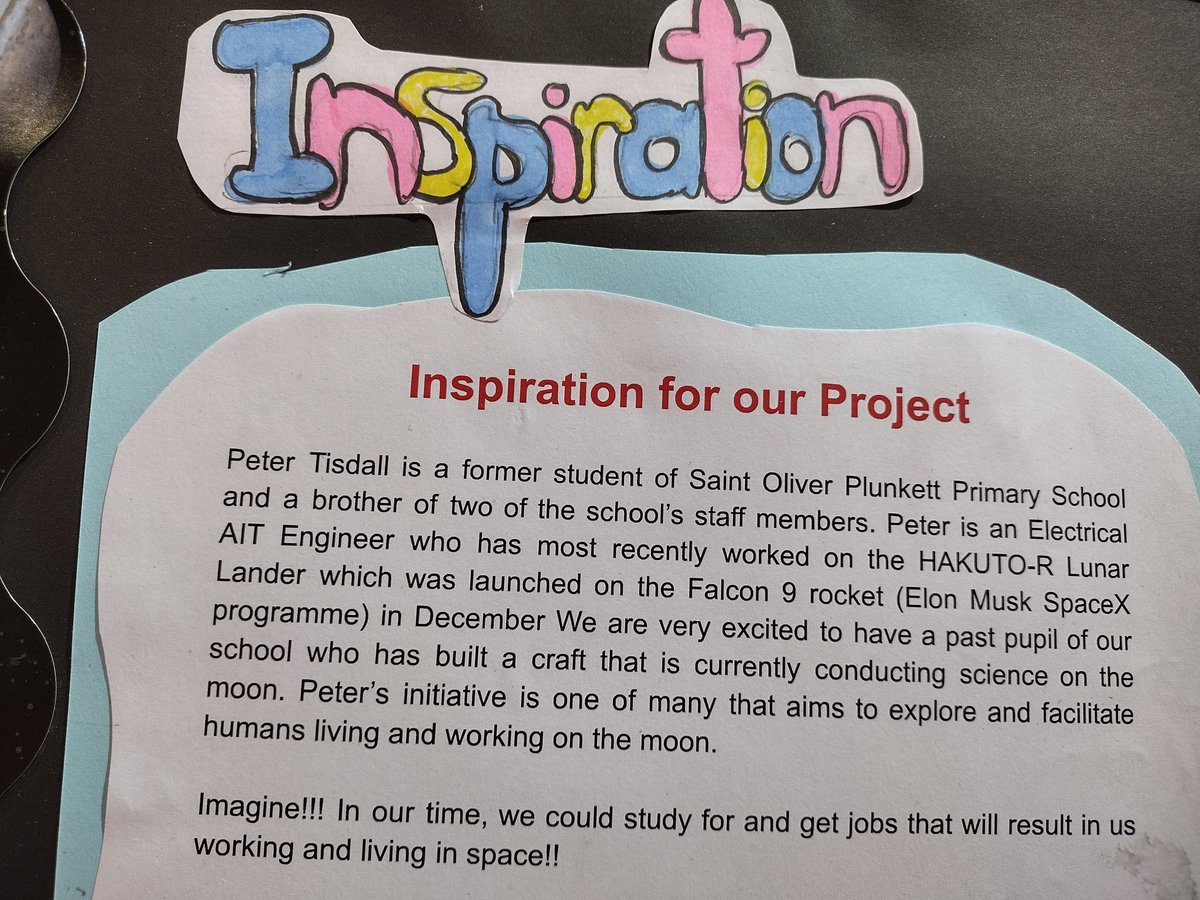
Wonderful @esbscienceblast project by pupils at St. Oliver Plunketts school in Malahide - inspired by @astroucd graduate Pete Tisdall to explore if humans could live on other planets #IrelandinSpace
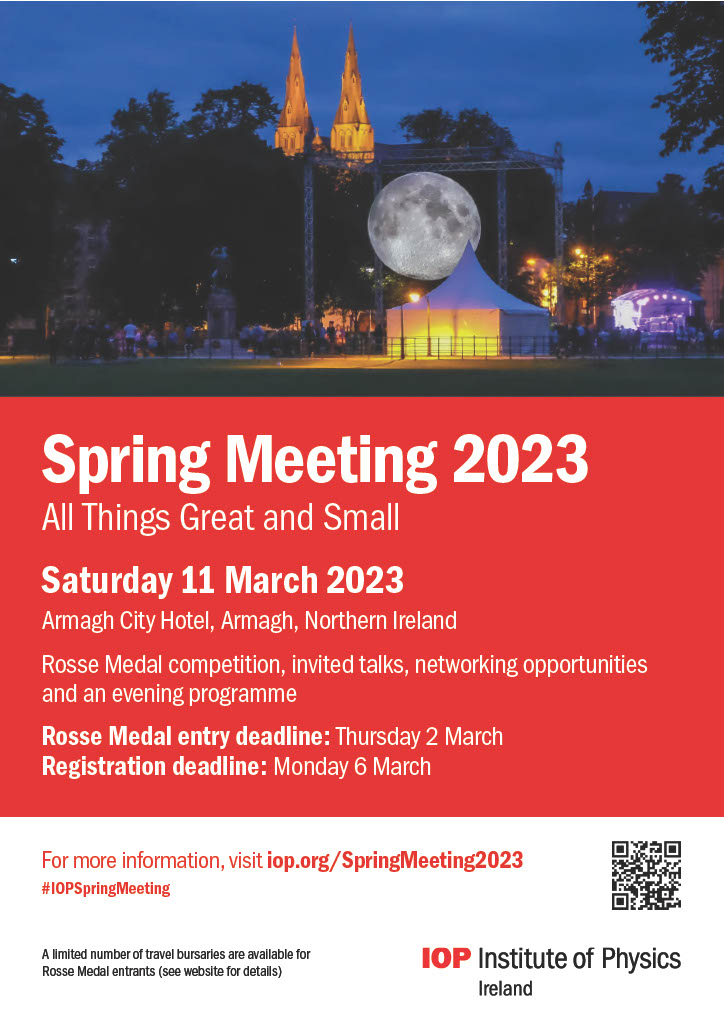
Come along to Armagh for a journey across the scale of our universe! This event is open to both IOP members and interested members of the physics community. Enjoy talks, networking, AOP's inflatable planetarium and an evening reception.
Image provided by @ArmaghPlanet
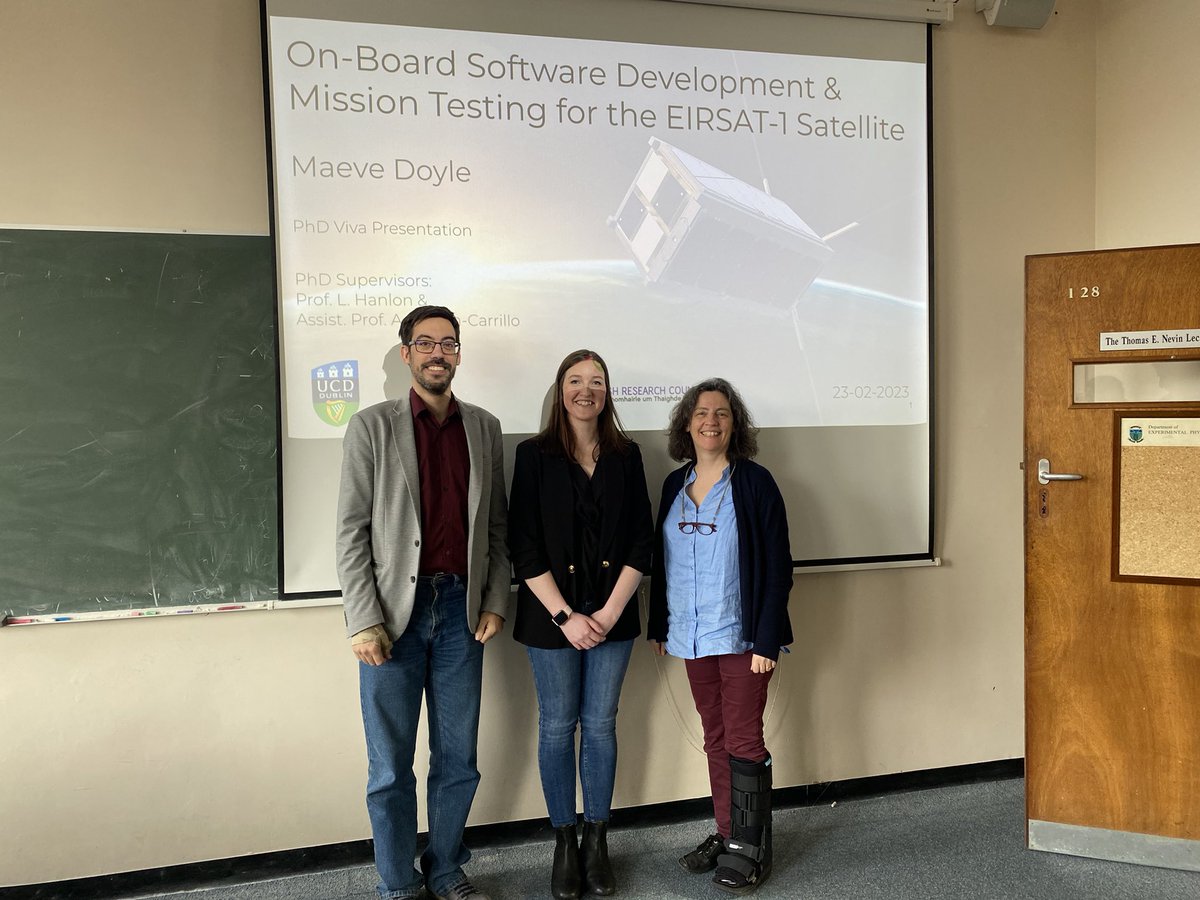
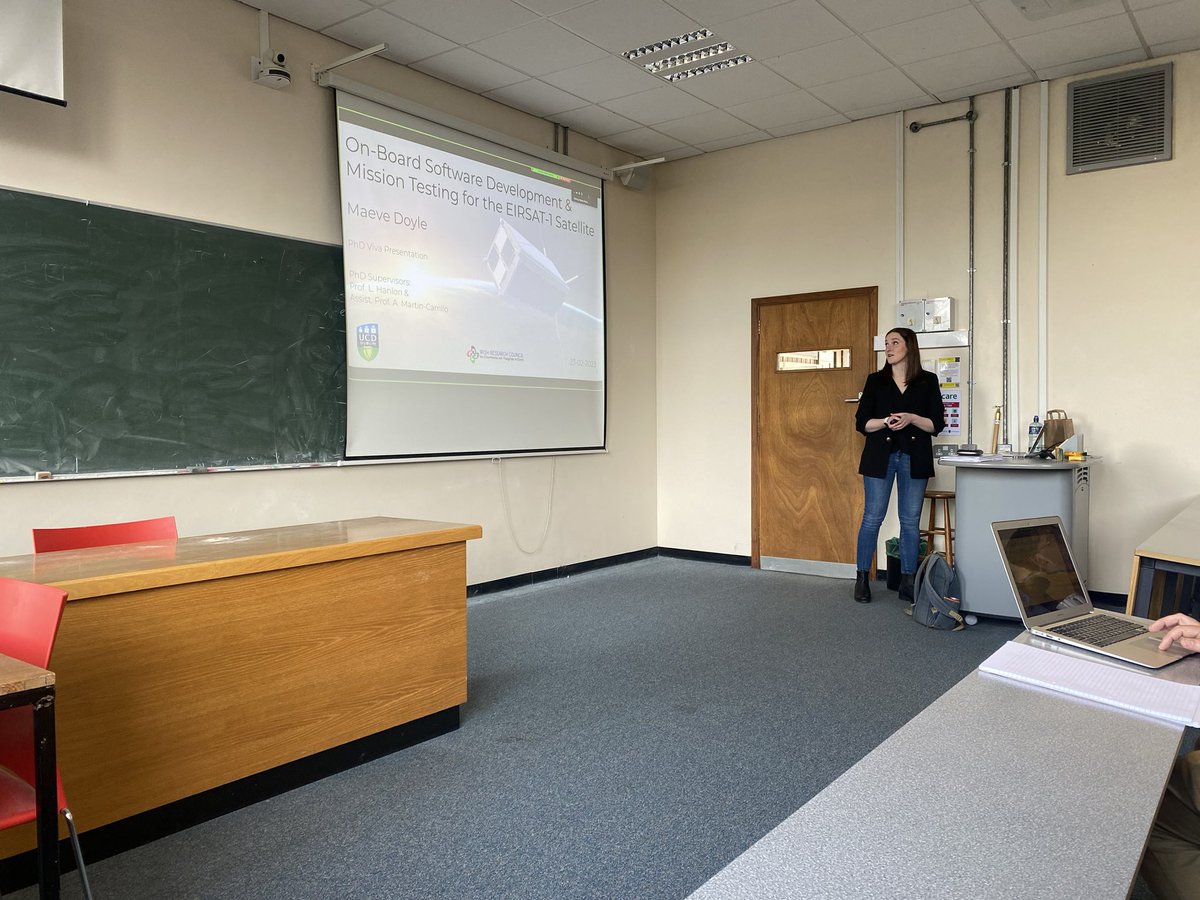
Huge congratulations to @MaeveDoyle10 for passing her PhD viva today. Your two supervisors (@LorraineHanlon1 & myself) are really proud of you. It has been a great pleasure supervising you at different stages of your career.
Believe it because it is true Dr Doyle! 😉🎉🎉👏🏻
Very interesting paper today on @arxiv regarding the kilonova AT2017gfo/GW170817 co-authored by our colleague & former @ucdscience graduate @darach. Apparently the kilonova emission may be more symmetrical that we have previously thought
https://t.co/mUkKeVh1Qk