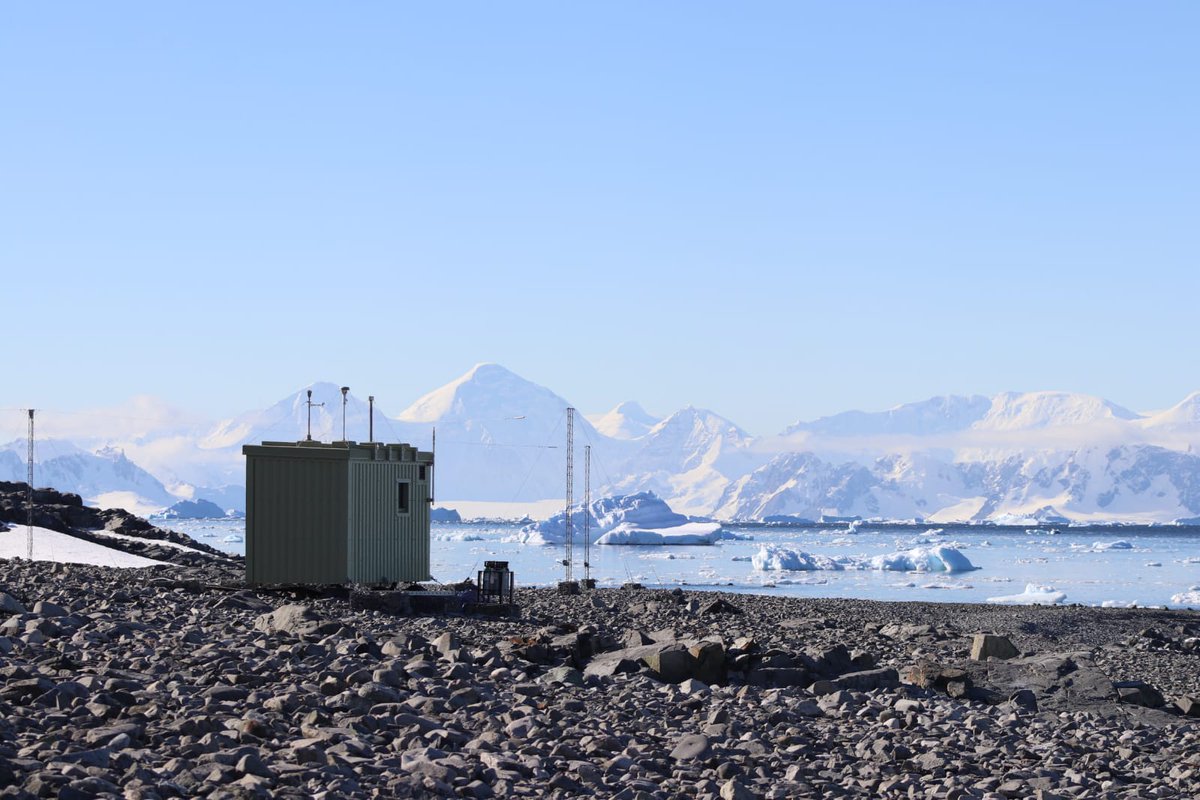
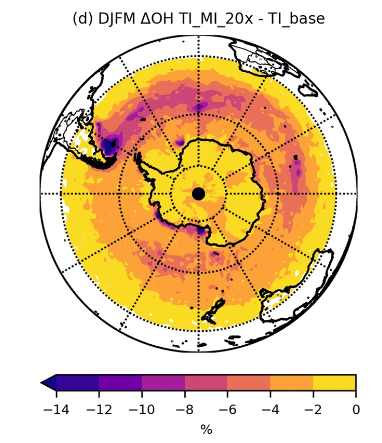
Great to see our paper out in @NatureComms 🎉 We observed high #isoprene concentrations in the @_SouthernOcean 🌊 linked to air masses from the marginal ice zone. Comparing with models, we found current emission estimates needed at least a 20x increase to account for obs... 🧵1/4
[1/2] 🌍 Are you passionate about analysing complex environmental matrices? Don't miss our free webinar on 3rd February!
🎙️ Featuring Dr Ferracci @atmos_vf and Dr Wright, who will discuss air pollution and microplastics.
📅 Save your spot now: https://t.co/9qYOk9WTwD
🚨 New paper alert - a review on the key biases and correction methods for low-cost sensors applied to #airquality. Comparisons between different studies are made difficult by the lack of a standardised approach to calibration/correction https://t.co/oVdcmaHi0r
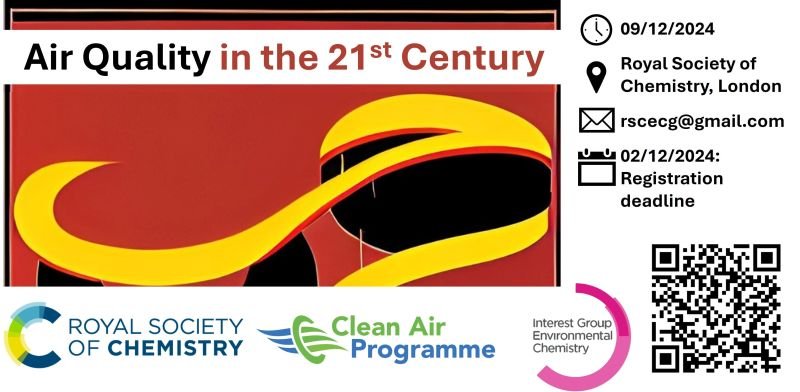
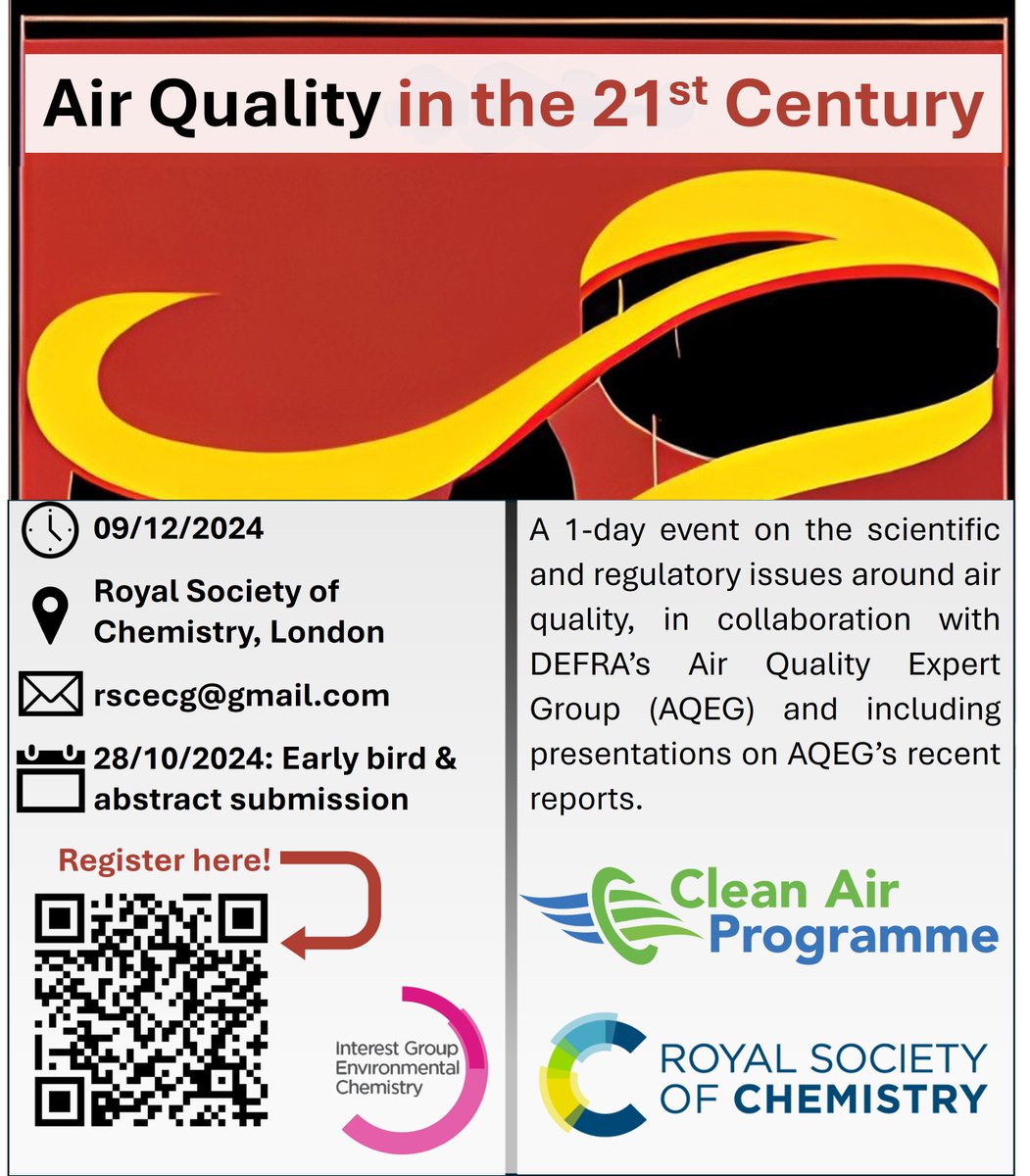
📣 Only a few days left to register for Air Quality in the 21st Century!
🚨 Check out the programme at https://t.co/m5TrZkDRgp (registrations close on Monday 2nd Dec)
📅 Join us on 9th December for the latest insights into #AirQuality! 🚨With presentations from DEFRA's Air Quality Expert Group and a keynote by Anna Hansell.
📝 Abstract submission & early bird registration deadline: 28th October 🔗 Register here: https://t.co/IgjMzlHRR9
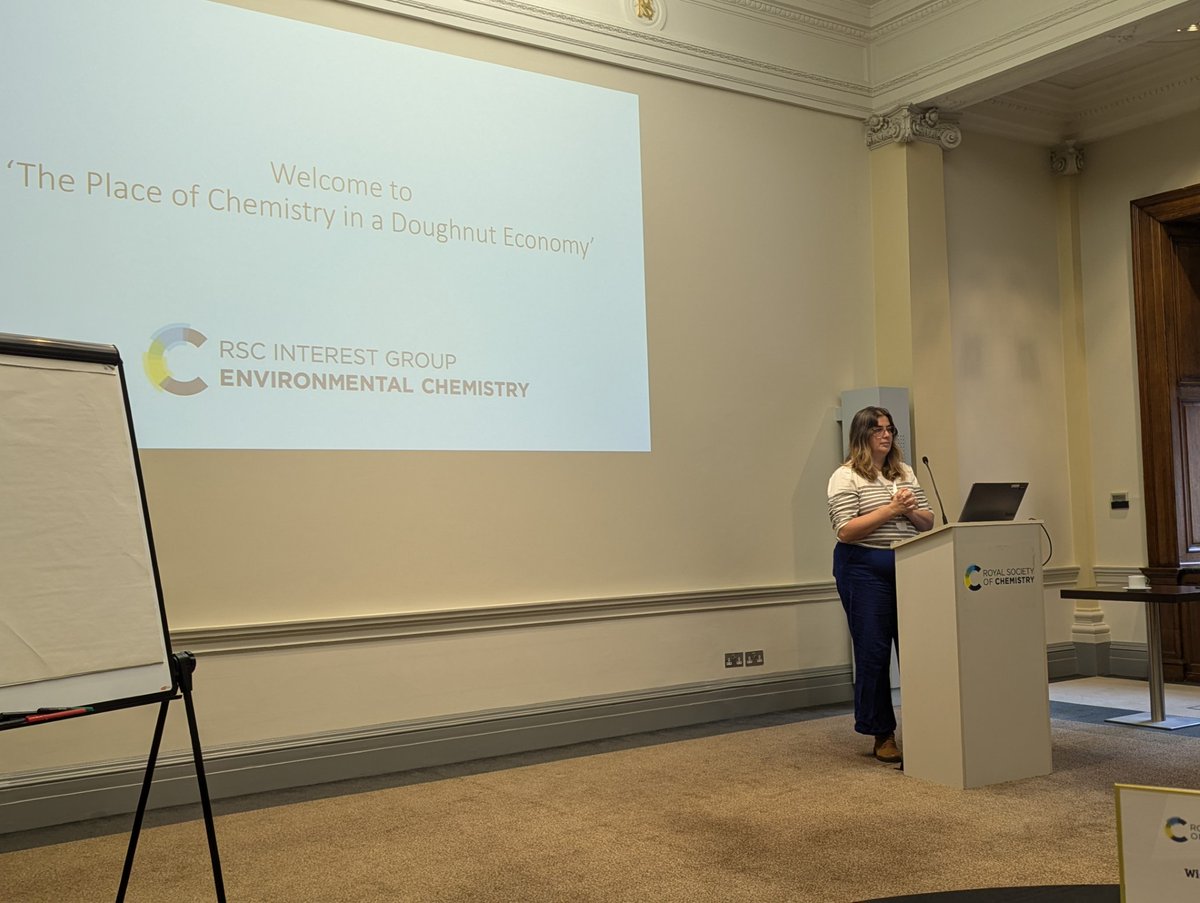
📢Don't forget to register! We have less than a month to this incredible collaborative workshop👥
We'll discuss #environmental law, equity, justice and so on! From different perspectives and topics like 🌬️air and 🫧 water!
➡️Follow this link: https://t.co/gm873RKnb9
If you have expertise with sampling and measuring volatile organic compounds (VOCs) and you are looking for a postdoc position, consider bringing your knowledge and expertise to the Finnish Meteorological Institute by joining our group.
Atmospheric modellers - has anyone looked at the impact of emissions from seaweed farms under different growth scenarios? Wondering if enough #DMS or #BVOCs can be emitted to impact #Climate? 🤔
Seaweed is the ideal crop because it grows fast and doesn’t require fertilisers, pesticides, freshwater or land. But that doesn’t mean it’s risk free. Cultivating seaweed on a larger scale could disrupt the oceans’ ecosystems.
https://t.co/FC6GQJG5Ar
--------------**We are Recruiting**------------------
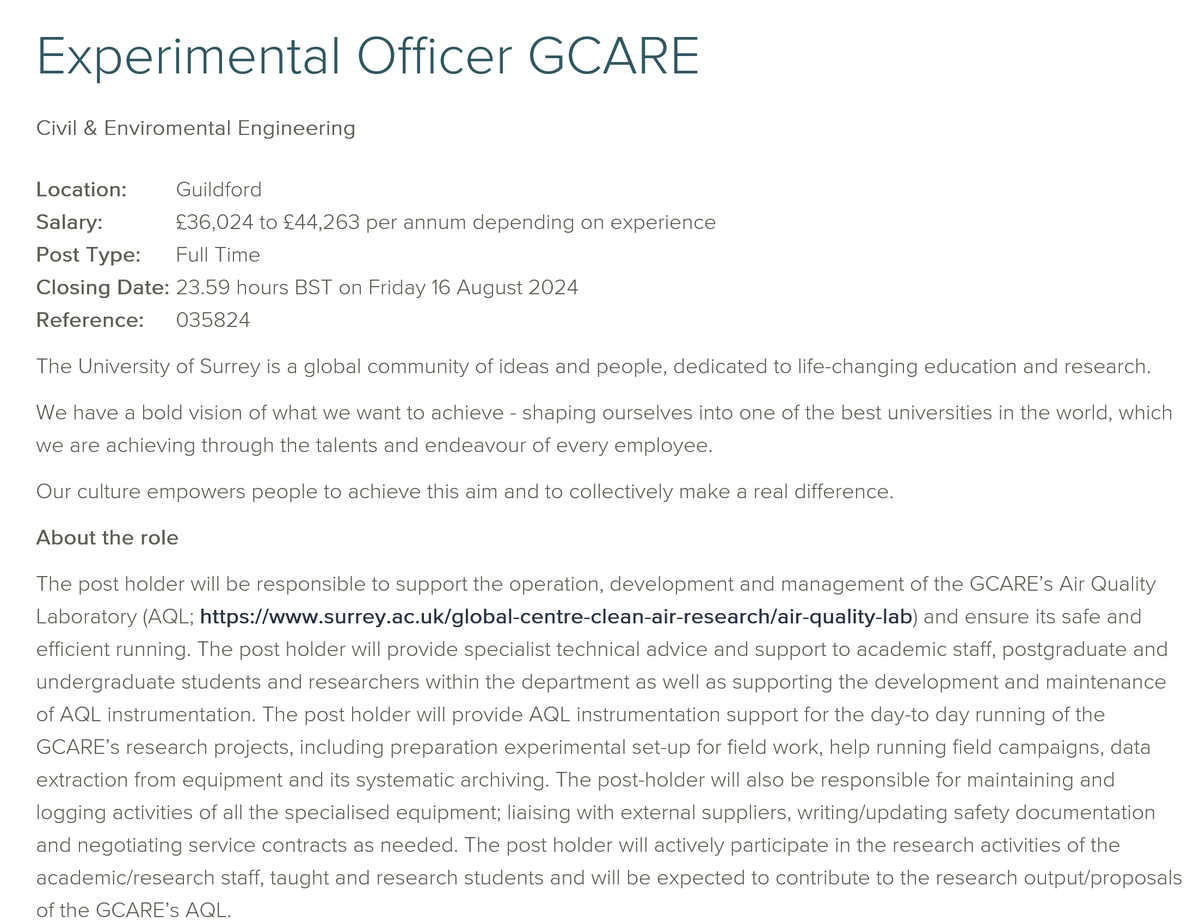
We have just opened a permanent GCARE Experimental Officer position. If you are passionate about air pollution research, this is an excellent opportunity.
Apply: https://t.co/SWdtVlLCB1
I would like to introduce our new paper in Nature Communications, which is the result of a highly successful international collaboration with @VOLT_center , @Riikka_Rinnan , @atzukac , @LundJing , @lejishvettikkat , and other great collaborators. We found that the sedges in the Arctic have a different temperature response curve compared to other known isoprene emitters, which explains the high temperature sensitivity of isoprene emission observed through whole-ecosystem flux measurements. By integrating our findings, the updated model predicted a 20% increase in isoprene emissions from the high-latitude regions in the Northern Hemisphere. We also found that the existing model had underestimated the long-term trend of isoprene emissions by 55% for high-latitude regions with Arctic warming https://t.co/sAvAbye4Gx.
@Pana34161801@ticketek_uk We've had the same problem (gig tonight 22/06) - turns out you need to download the O2 venue app, register with the same email address you used on Ticketek, then sign in and hopefully your tickets will be there. Would've been useful if they told ppl about this
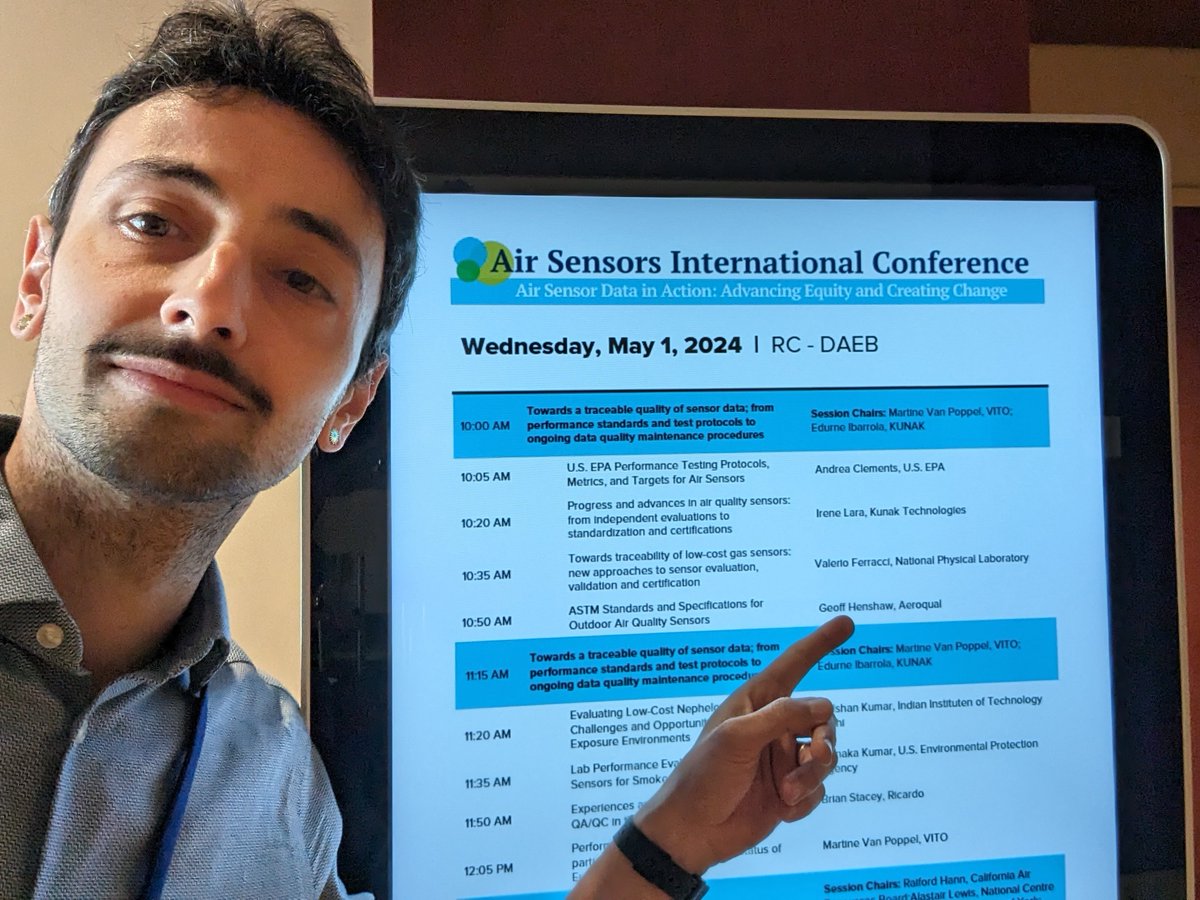
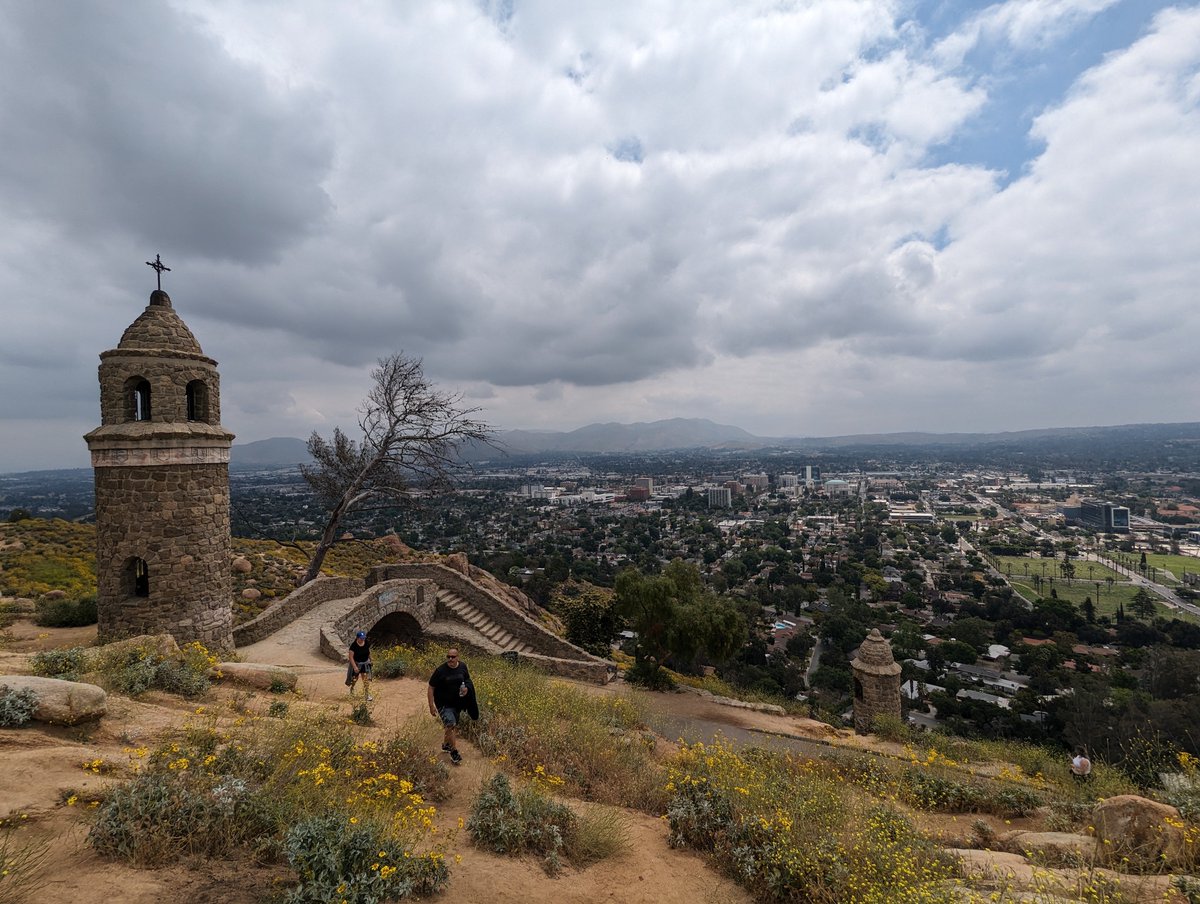
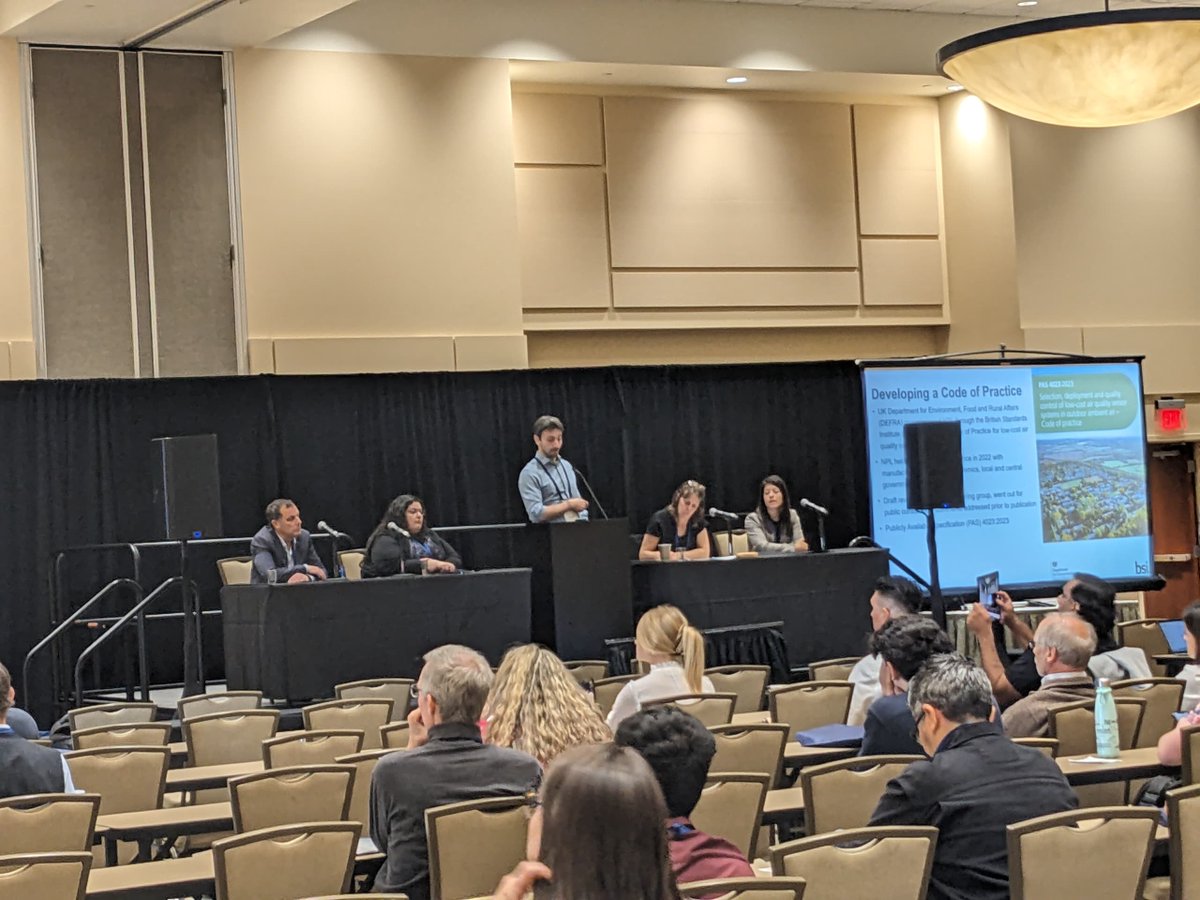
As I make my way back to the UK, I look back on the last week spent at #ASIC2024. Great to see colleagues old and new 👥, to hear about community projects on #airquality and the latest developments in #sensors and #standardisation 📊. Until next year 👋"
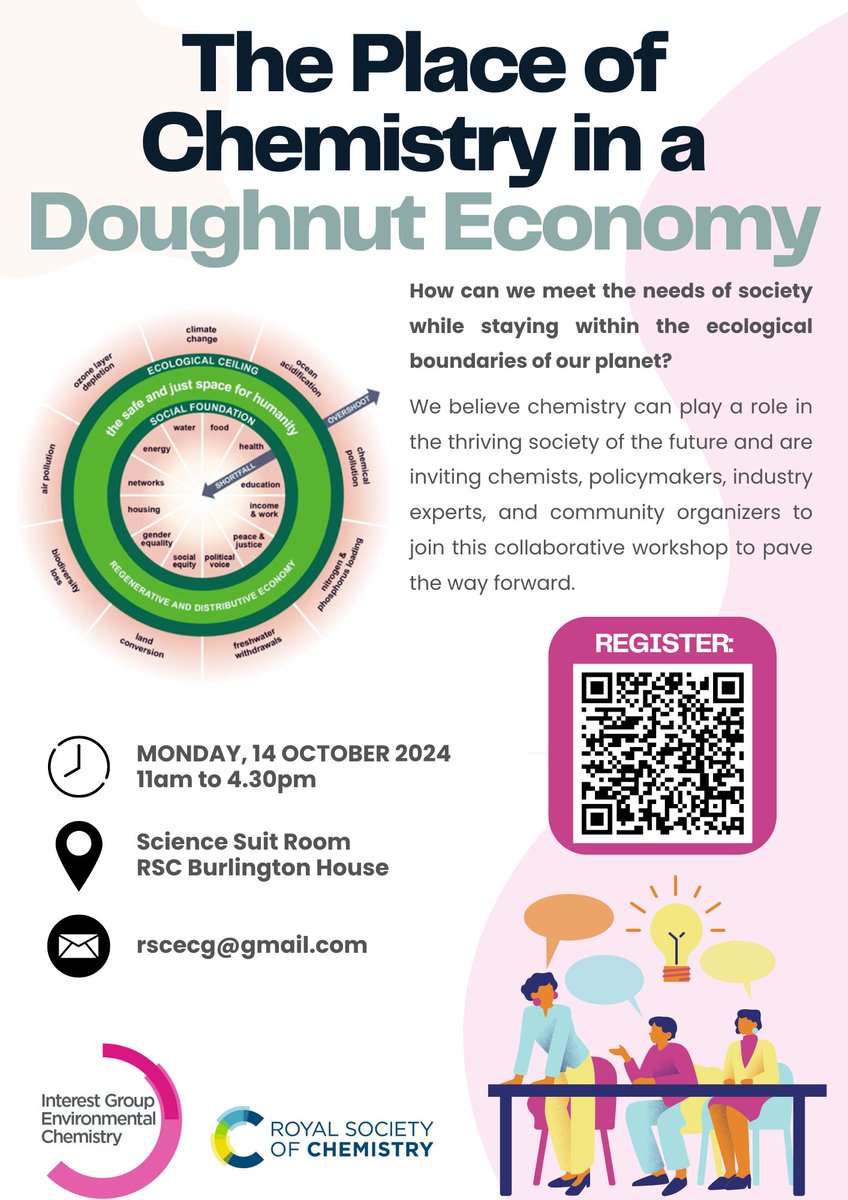
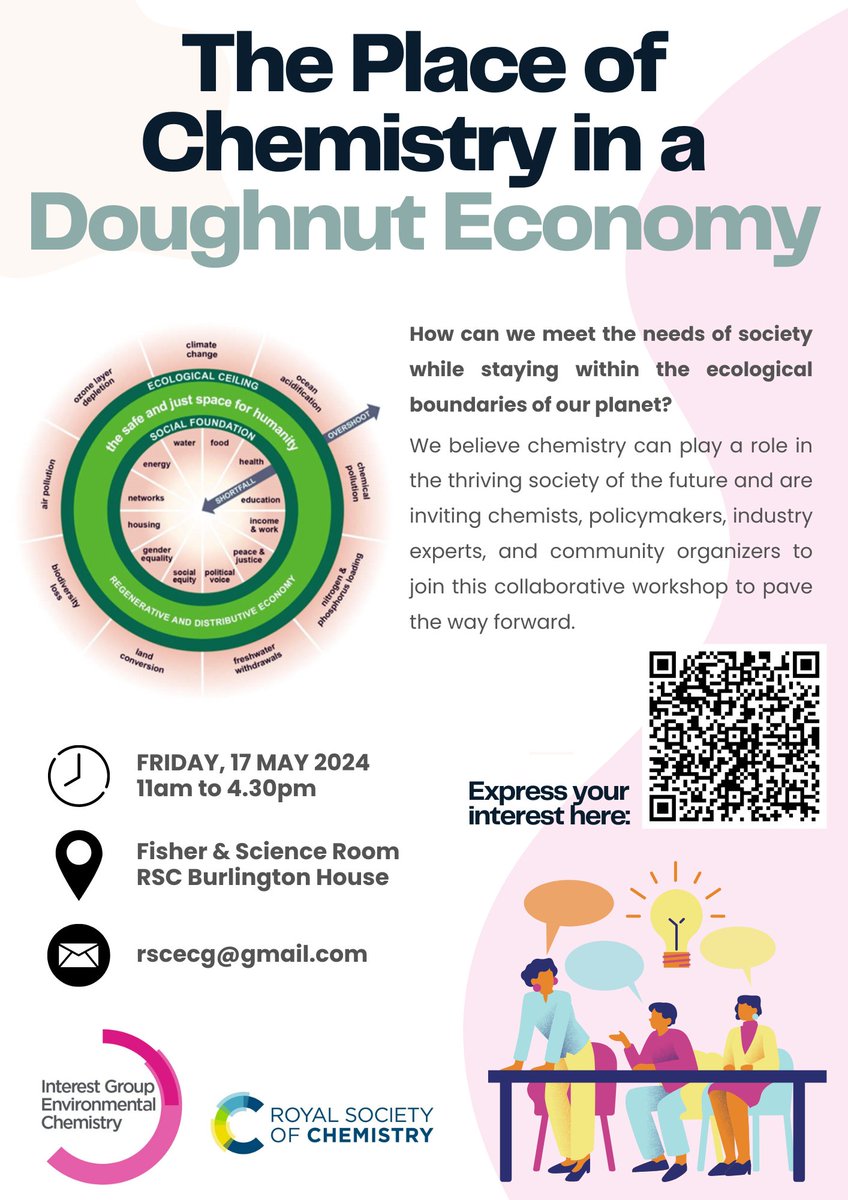
Come and see what chemists can do to meet the needs of society! Let's talk about the place of chemistry in the 🍩economy in this workshop!
Please follow this link for EOI: https://t.co/gm873RKnb9 🧪🚰🌳🍩#environmentaljustice#policymakers#collaboration
Great to see our paper out in @NatureComms 🎉 We observed high #isoprene concentrations in the @_SouthernOcean 🌊 linked to air masses from the marginal ice zone. Comparing with models, we found current emission estimates needed at least a 20x increase to account for obs... 🧵1/4
... and it only emerged in its current form after a conversation with @Atmos_Pem in front of my poster at @IGACProject 2022 about using @UkesmProject to model marine isoprene. A big thank you to all involved @Atmos_Pem@simolab_@pablorros_@gatamagat 4/4
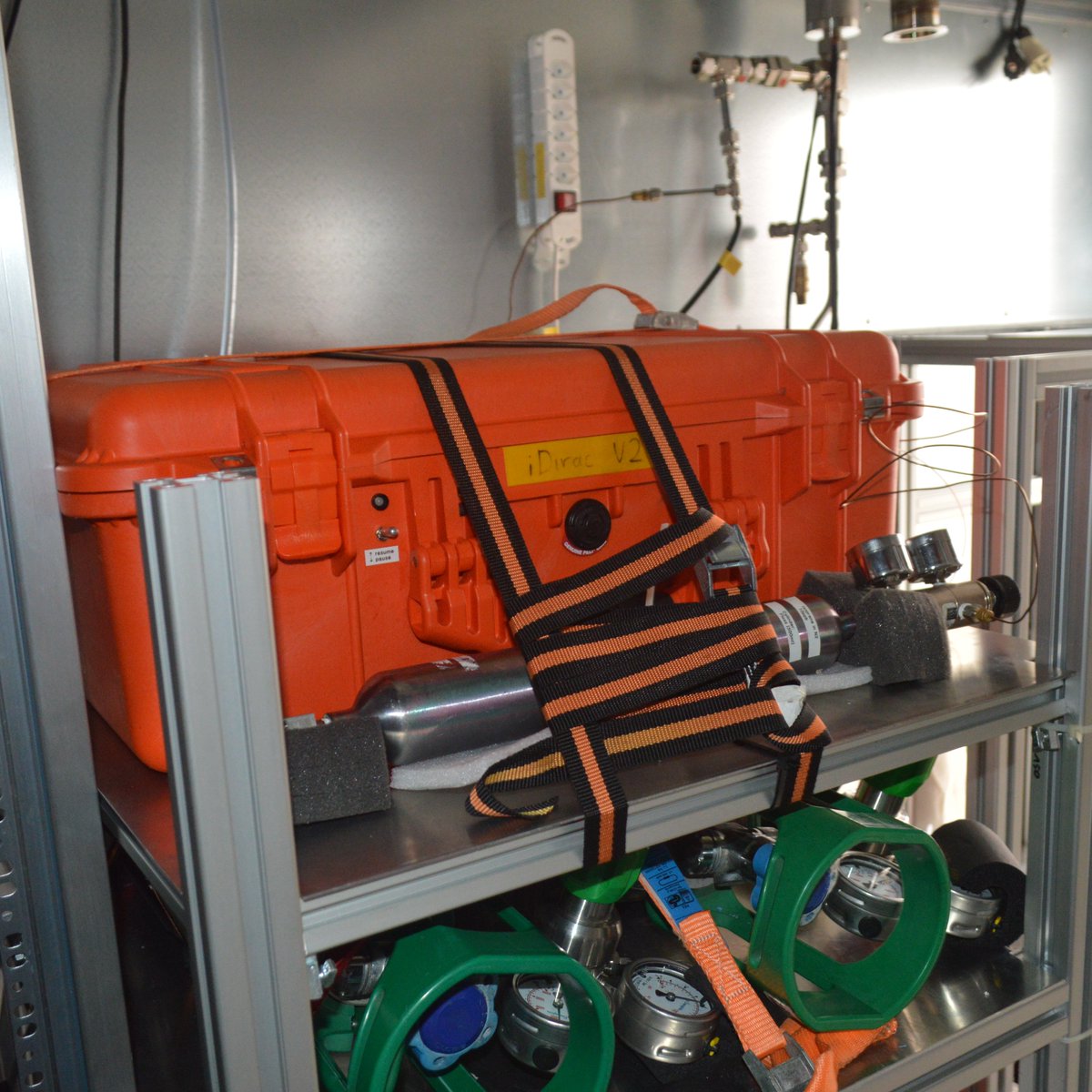
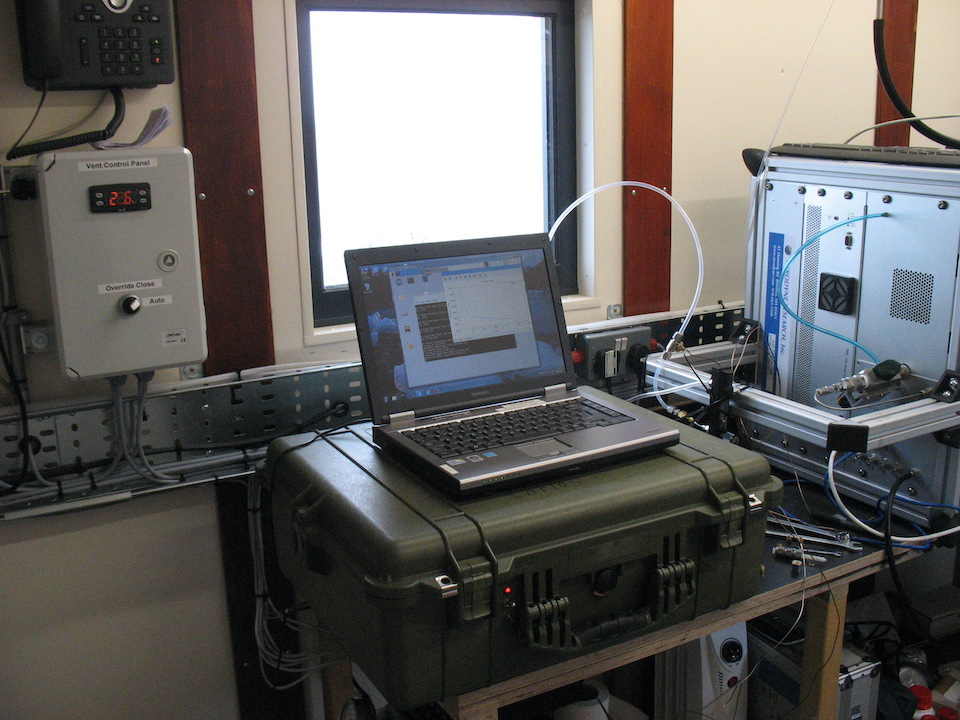
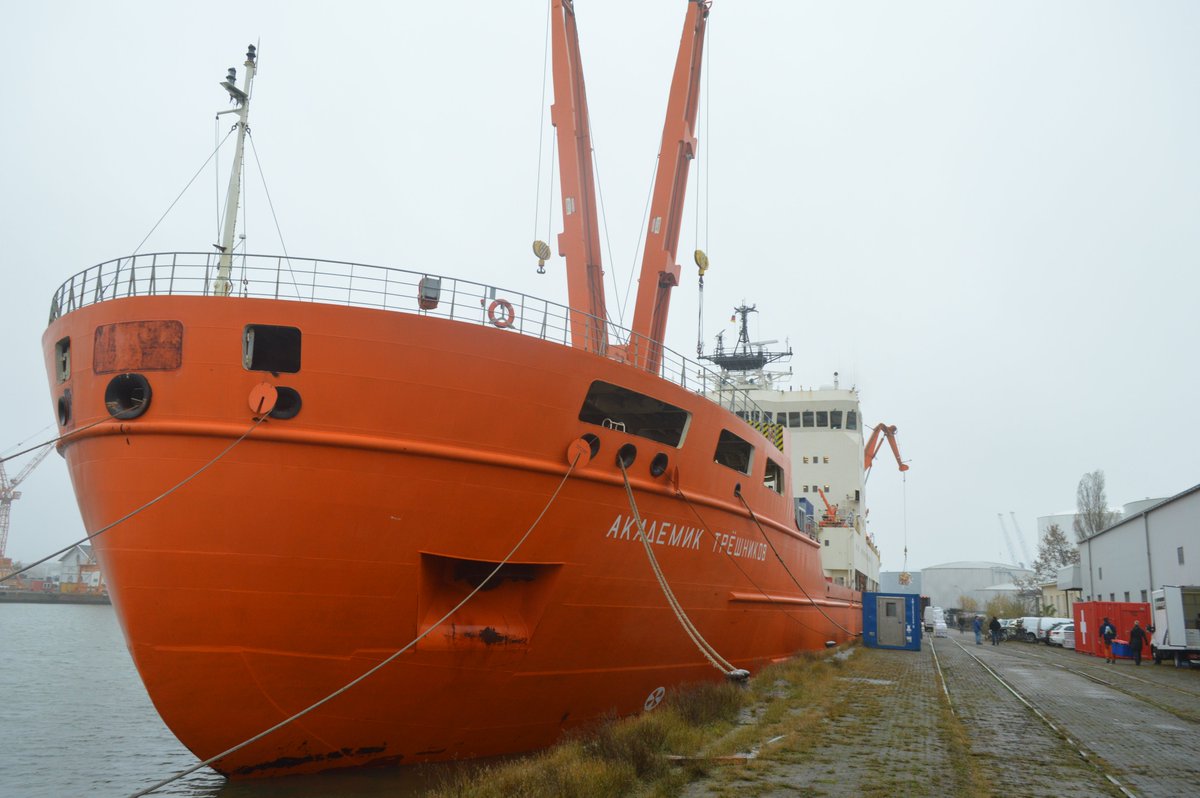
This work was a long time in the making, starting almost 8 years (and 3 jobs!) ago when our portable gas chromatograph #iDirac first set sail on the @ACE_Expedition🚢 (pics by Conor Bolas 📸) 3/4









![RSC_ECG's tweet photo. [1/2] 🌍 Are you passionate about analysing complex environmental matrices? Don't miss our free webinar on 3rd February!
🎙️ Featuring Dr Ferracci @atmos_vf and Dr Wright, who will discuss air pollution and microplastics.
📅 Save your spot now: https://t.co/9qYOk9WTwD https://t.co/ycCdeqZyvi](https://pbs.twimg.com/media/GiZhL85WIAAI8Ca.jpg)