“Practice any Art: music, singing, dancing, acting, drawing, painting, sculpting, poetry, fiction, essays, no matter how well or badly, not to get money & fame but to experience becoming, to find out what's inside you, to make your soul grow.”
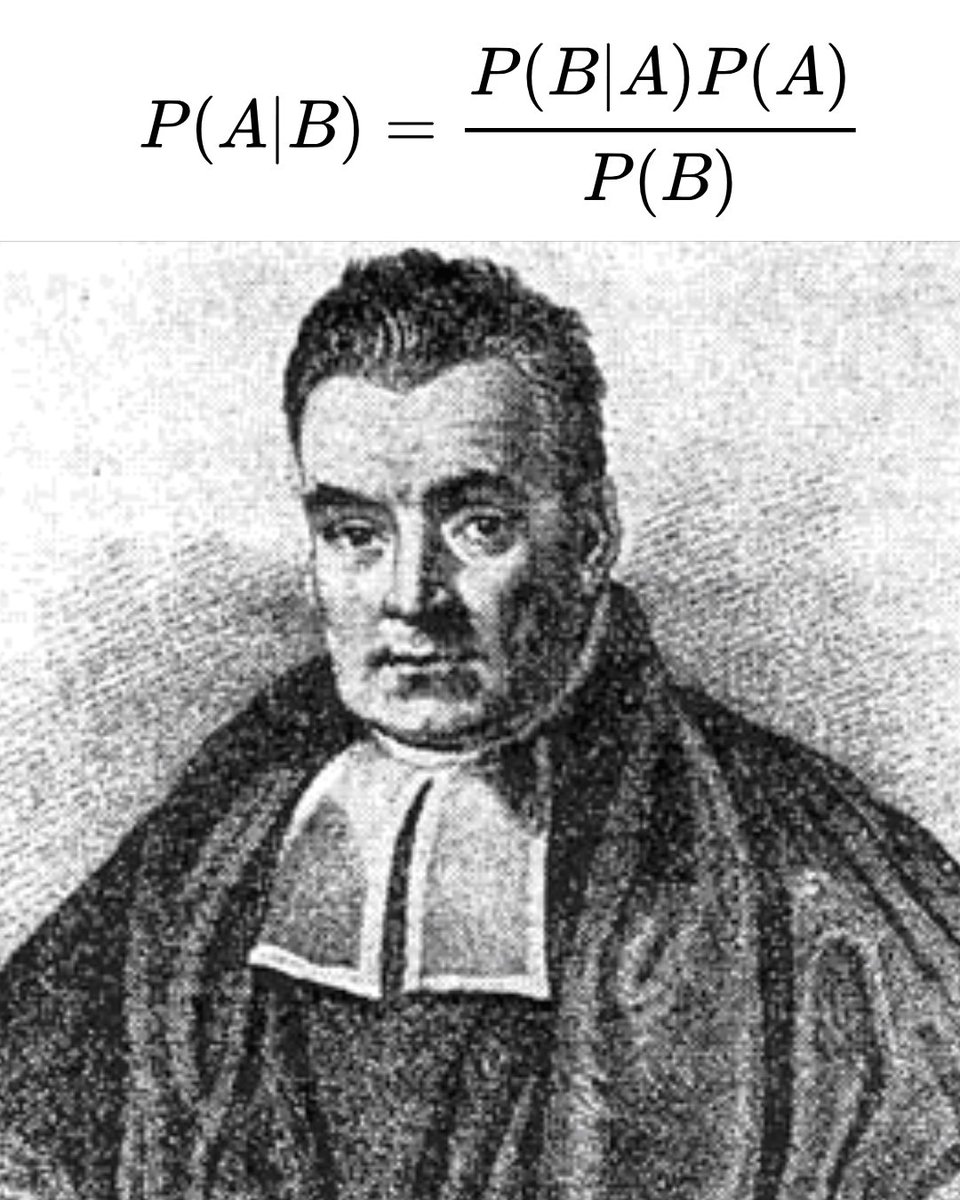
Bayes’ theorem is probably the single most important thing any rational person can learn.
So many of our debates and disagreements that we shout about are because we don’t understand Bayes’ theorem or how human rationality often works.
Bayes’ theorem is named after the 18th-century Thomas Bayes, and essentially it’s a formula that asks: when you are presented with all of the evidence for something, how much should you believe it?
Bayes’ theorem teaches us that our beliefs are not fixed; they are probabilities. Our beliefs change as we weigh new evidence against our assumptions, or our priors. In other words, we all carry certain ideas about how the world works, and new evidence can challenge them.
For example, somebody might believe that smoking is safe, that stress causes mouth ulcers, or that human activity is unrelated to climate change. These are their priors, their starting points. They can be formed by our culture, our biases, or even incomplete information.
Now imagine a new study comes along that challenges one of your priors. A single study might not carry enough weight to overturn your existing beliefs. But as studies accumulate, eventually the scales may tip. At some point, your prior will become less and less plausible.
Bayes’ theorem argues that being rational is not about black and white. It’s not even about true or false. It’s about what is most reasonable based on the best available evidence. But for this to work, we need to be presented with as much high-quality data as possible. Without evidence—without belief-forming data—we are left only with our priors and biases. And those aren’t all that rational.
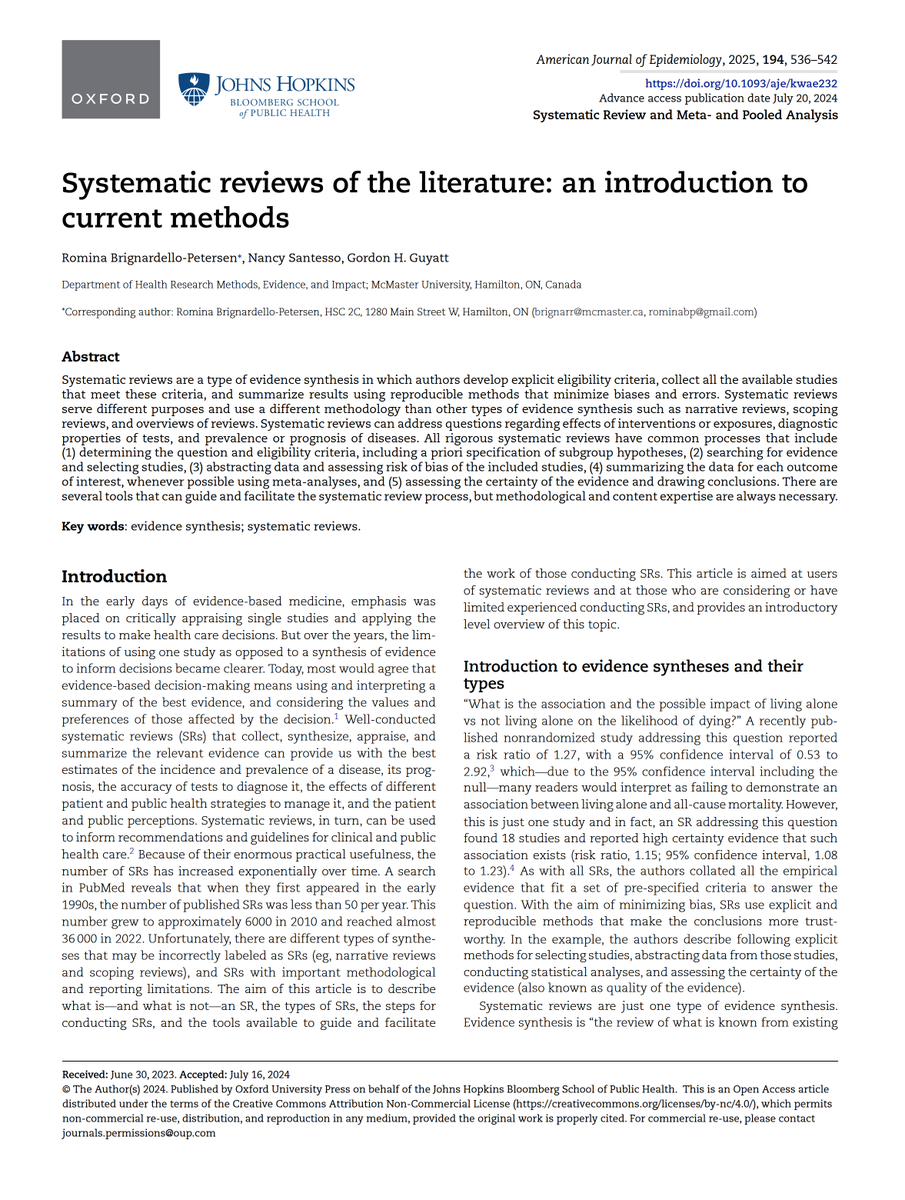
📑Brignardello-Petersen R, Santesso N, Guyatt GH. Systematic Reviews of the Literature: An Introduction to Current Methods. Am J Epidemiol. 2024;194:536–42. doi:10.1093/aje/kwae232.
➡️Descripción general introductoria de las #RevisionesSistemáticas#SysRev
https://t.co/yGOpIgY8fu
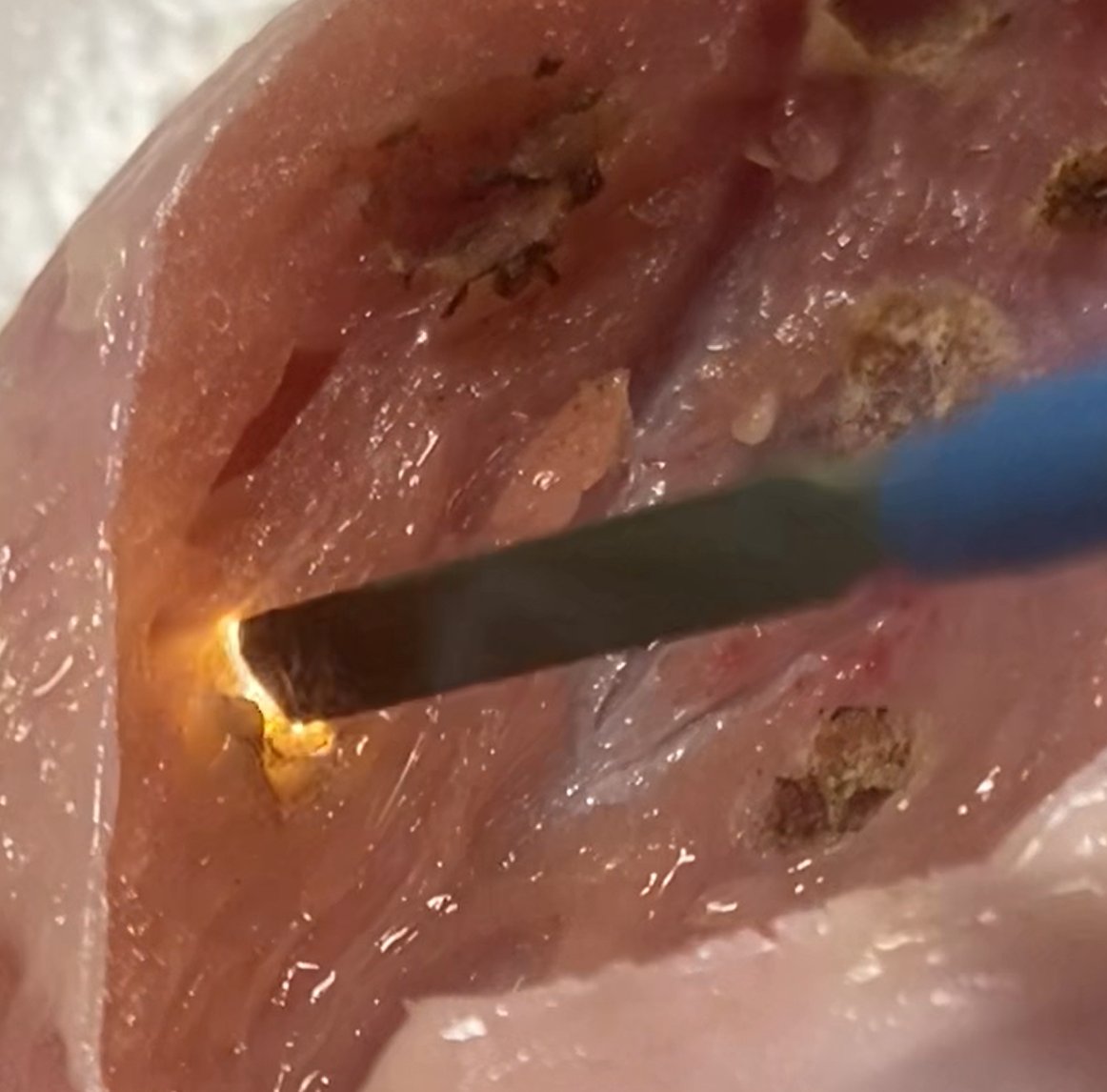
🧵regarding errors that can be made when using the Bovie during surgery.
This is the followup from my 🧵from last month, which went over some of the basics of the Bovie (link at the end).
Here we will look at a few of the common mistakes that can be made using the Bovie.
(1/ )
Por primera vez en México el violinista griego Leonidas Kavakos se presenta con la Orquesta Filarmónica de la UNAM en la Sala Nezahualcóyotl.
28 y 29 noviembre | Sala Nezahualcóyotl
• Toda la información: https://t.co/s7Qi9rXkNm
• Boletos a la venta: https://t.co/rfFtQN1vGJ
#MúsicaUNAM #CulturaUNAM
Por primera vez en México el violinista griego Leonidas Kavakos se presenta con la Orquesta Filarmónica de la UNAM en la Sala Nezahualcóyotl.
28 y 29 noviembre | Sala Nezahualcóyotl
• Toda la información: https://t.co/s7Qi9rXkNm
• Boletos a la venta: https://t.co/rfFtQN1vGJ
#MúsicaUNAM #CulturaUNAM
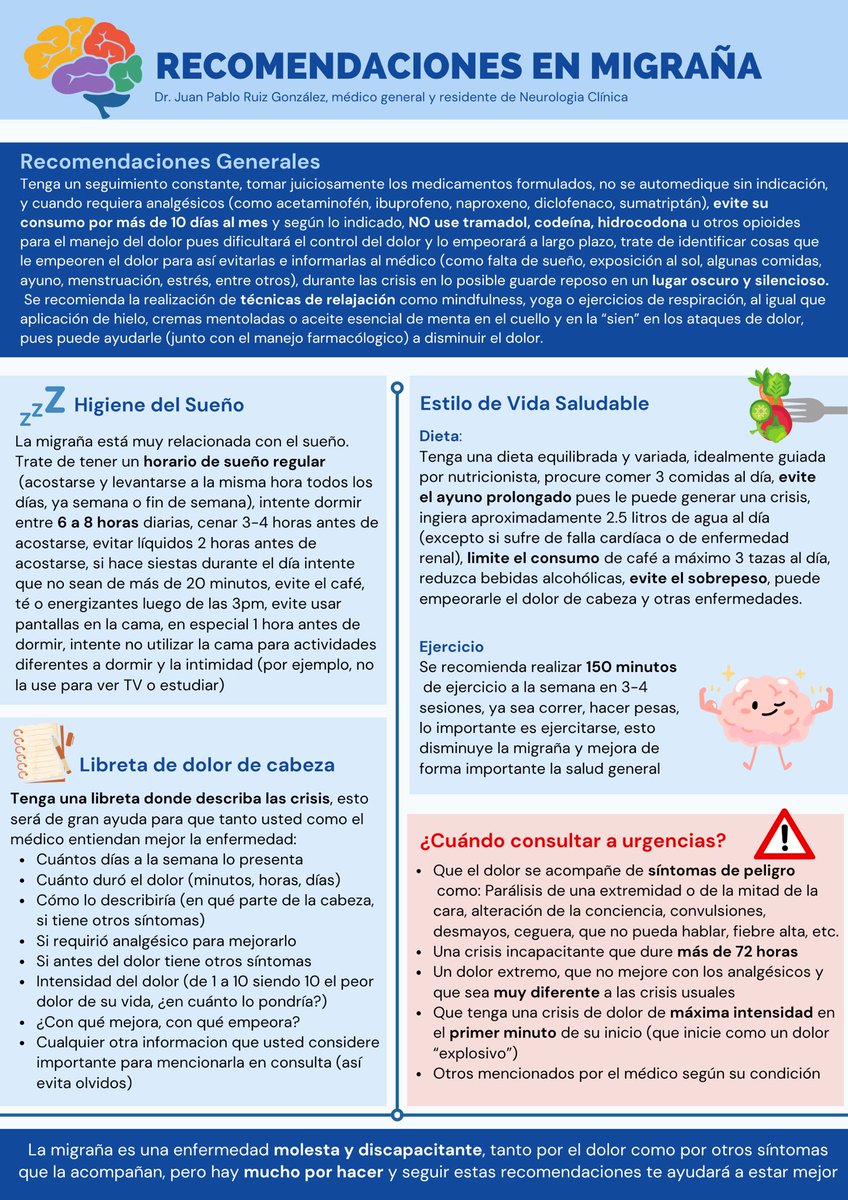
Como la migraña es TAN común hice un doc para mis pacientes con recomendaciones (basadas en evidencia actual y recomendaciones de expertos) que les pueden ayudar a mejorar la enfermedad
Se los comparto por acá para quien tenga migraña o conozca a alguien que la tenga 🧠🫶🏻
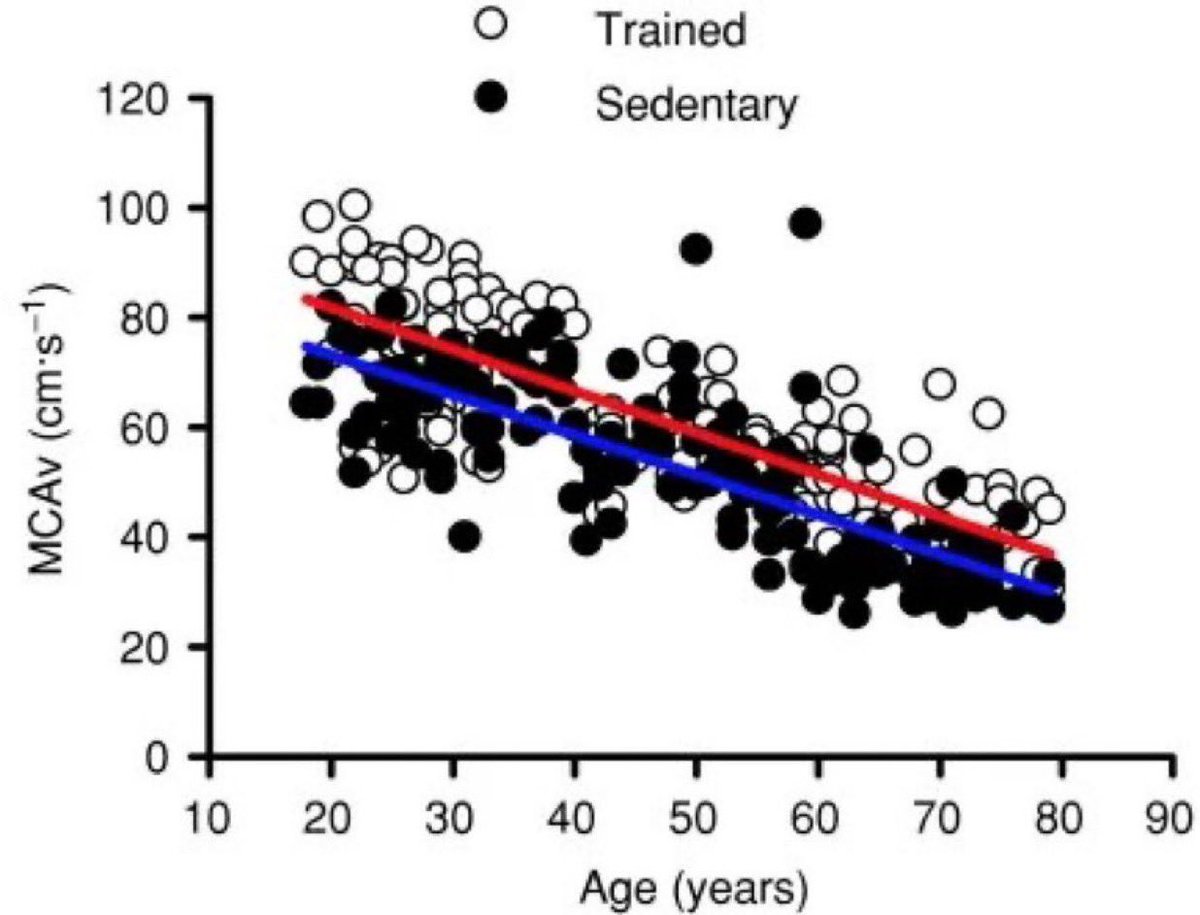
🧠 LA EDAD DE TU CEREBRO DEPENDE DE SI HACES EJERCICIO
🫡Las personas que hacen ejercicio aeróbico habitual son 10 años más jóvenes a nivel de salud cerebral que los que son sedentarios y tienen la misma edad.
⏳ Entrenar es la única inversión de tiempo que te permite ganar tiempo.
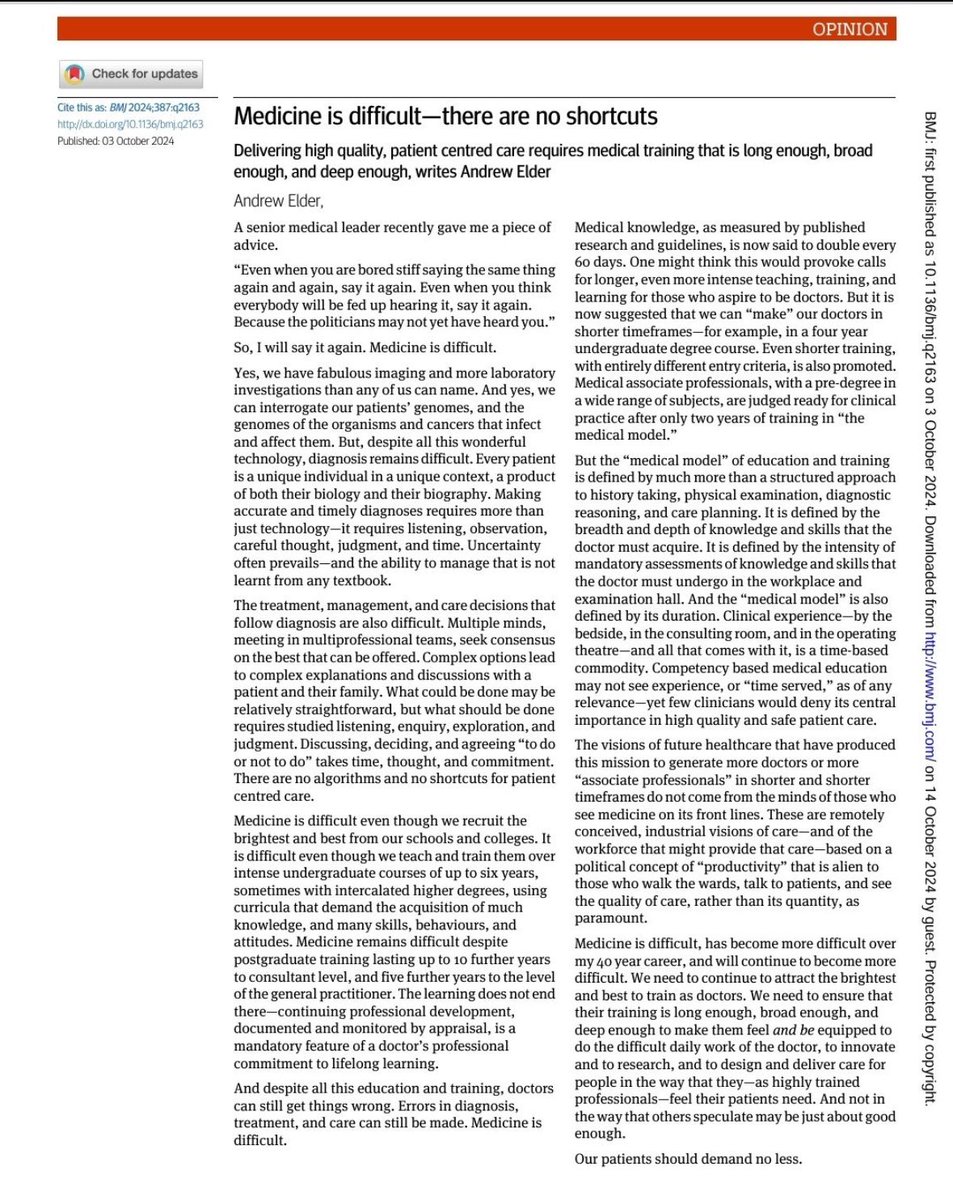
El conocimiento médico se duplica cada 60 días.
No hay formas rápidas de estudiar medicina y cada vez la información es mucho más rápida.
LA MEDICINA ES UN APRENDIZAJE ETERNO.
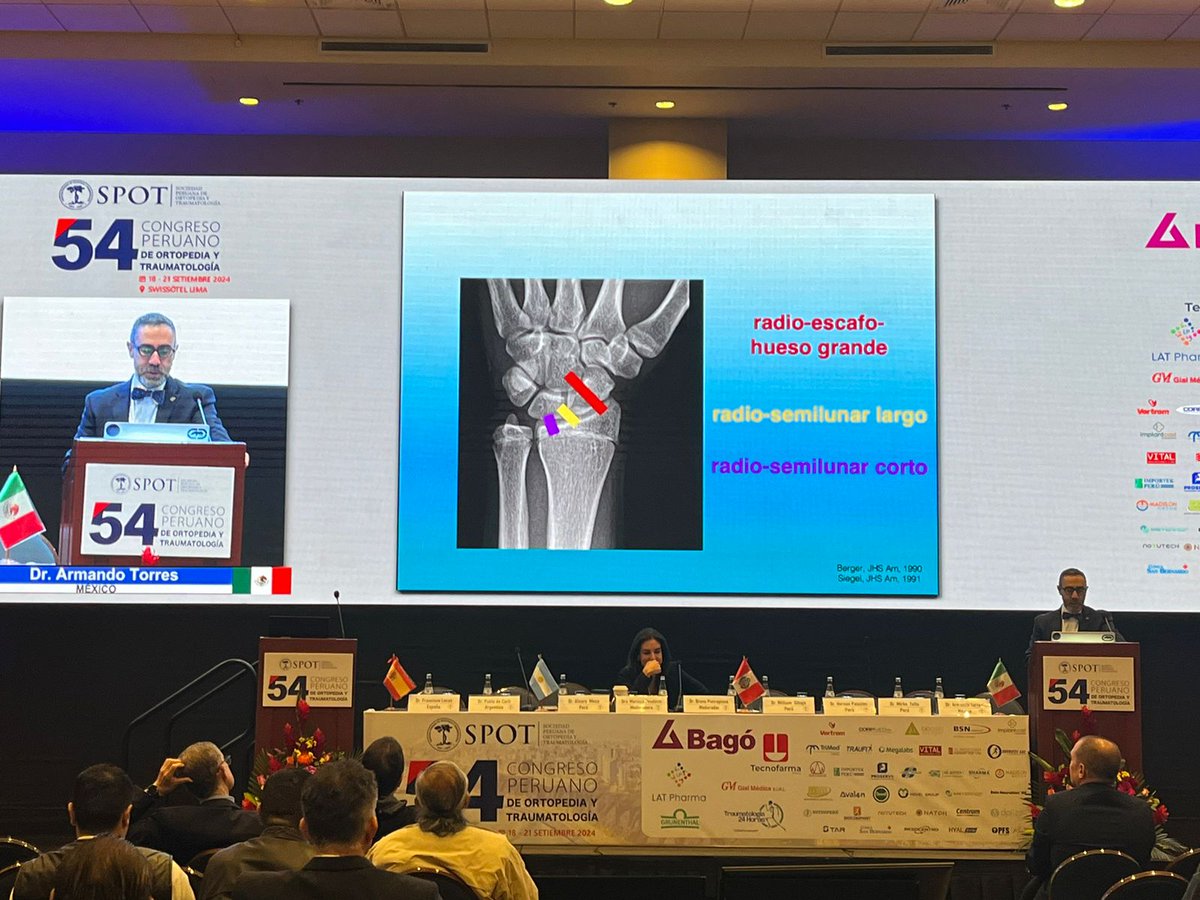
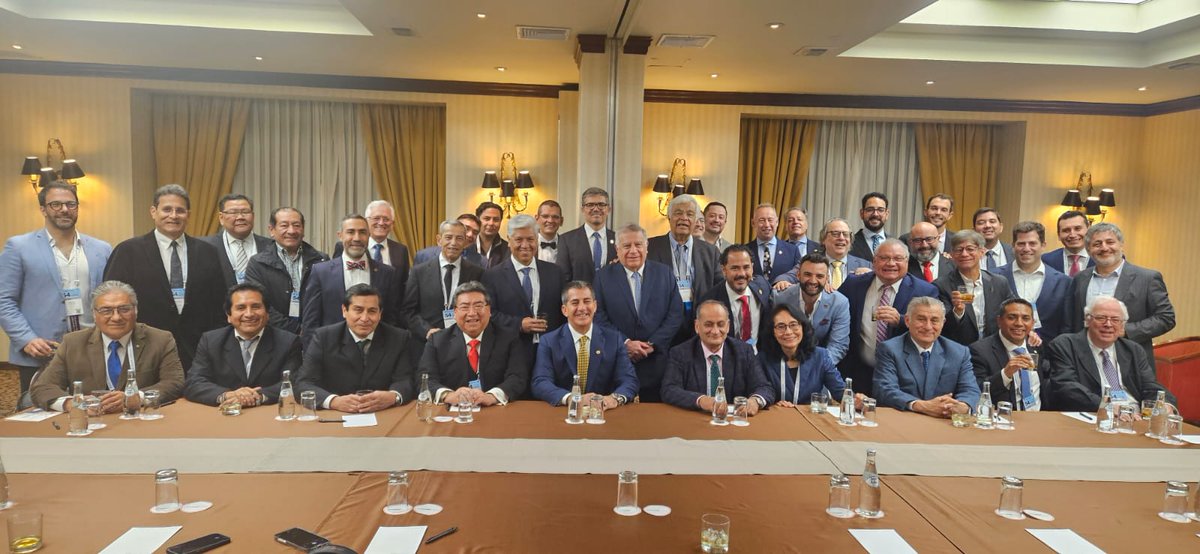
Agradecemos a la Sociedad Peruana de Ortopedia y Traumatología (SPOT) por la invitación a su 54° Congreso de Ortopedia y Traumatología, realizado del 18 al 21 de septiembre; en esta ocasión como representante de nuestro Colegio contamos con la participación del Dr. Armando Torres Gómez, Editor en Jefe de nuestra revista AOM. Esperamos continuar con futuras colaboraciones que nos permitan seguir aprendiendo y compartiendo conocimientos en beneficio de la educación médica continua.
@atorresmd
#somosCMO #UniendoLazos #ortopediaytraumatologia
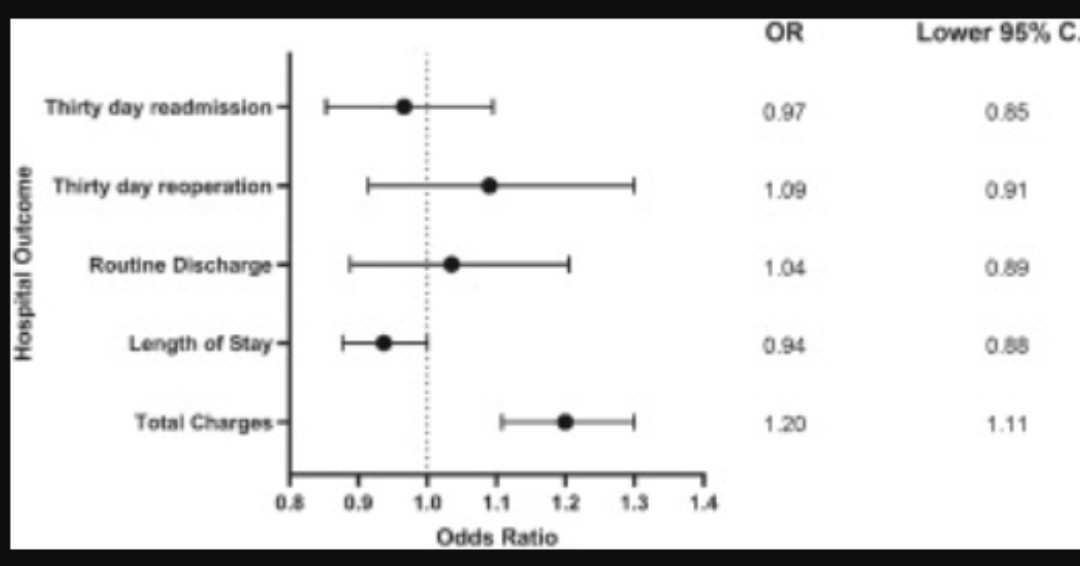
Robotic assistance in THA is associated with an increased risk of surgical complications, including periprosthetic fracture, while incurring greater charges.
https://t.co/rivPsX555s