@USCC_GOV@HudsonInstitute Thanks @USCC_GOV for inviting me to testify and raising the awareness of such pressing issue. Taiwan’s security is interlinked with world’s stability.
"Subsea cable security is not a future risk. It is a present and accelerating danger. Subsea fiberoptic cable carries roughly 97 percent of global intercontinental data traffic."
- Jason Hsu, Senior Fellow, @HudsonInstitute
📺Hearing on U.S.-China Competition Under the Sea
Cheng Li-wun, Taiwan's opposition party leader, is visiting the US this week.
Her message for America is that Taiwan operates under a constitution that supports the principle that the island and the mainland are part of a single China.
Jason Hsu's comments on her trip ⬇️
My latest piece in The National Interest:
https://t.co/YtgVYTHx0x
As Washington and Beijing seek to stabilize relations, there is growing temptation to view Taiwan as an issue to be managed rather than a strategic asset to be strengthened. That would be a mistake.
In Beijing, Xi offered Trump a stabler US–China relationship if Washington reduced its support for Taiwan.
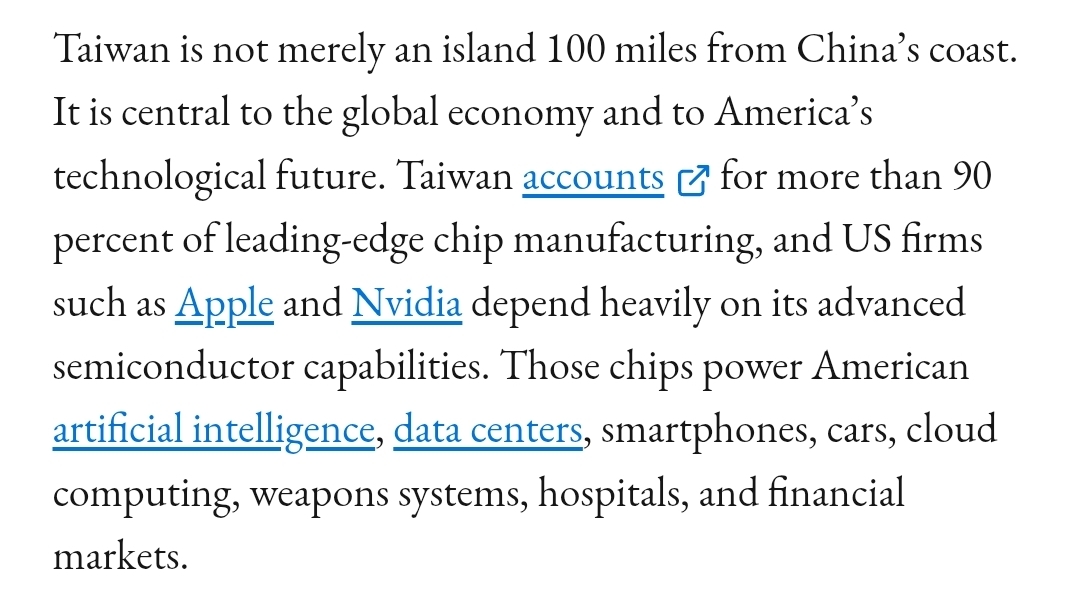
But Taiwan is central to the global economy and to America's technological future. Taiwan cannot be treated like a bargaining chip.
Jason Hsu's latest in @TheNatlInterest
4. Xi is testing whether Taiwan could become a strategic bargain to Trump. The irony is that is that the more Taiwan becomes strategically indispensable, the harder it is to trade away.
2. Beijing’s near-term objective is not forcing an immediate unification, but constraining Taiwan’s strategic space. Xi wants to keep this pressure on Trump.
1. Xi is seeking strategic clarity with Trump by drawing the red line. Taiwan is now central to overall U.S.-China stabilization. Not a side issue anymore.
In our latest episode of #TaiwanFrontlines, @BonnieGlaser and @augama are joined by @brandontseng2, Co-Founder and President of @shieldaitech, to talk supply chains, deterrence, and autonomous warfare in Taiwan.
🎧Catch the latest episode here: https://t.co/V16bWpw9vi
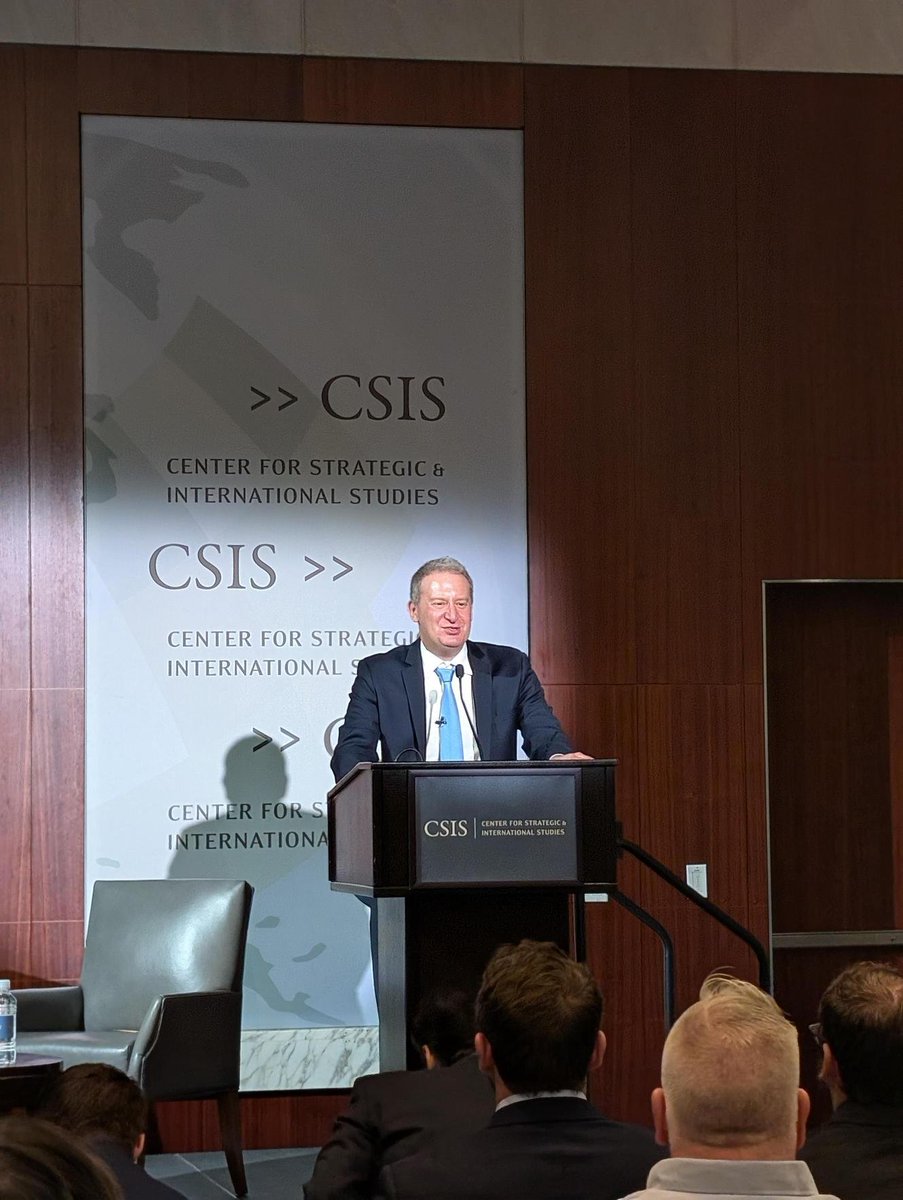
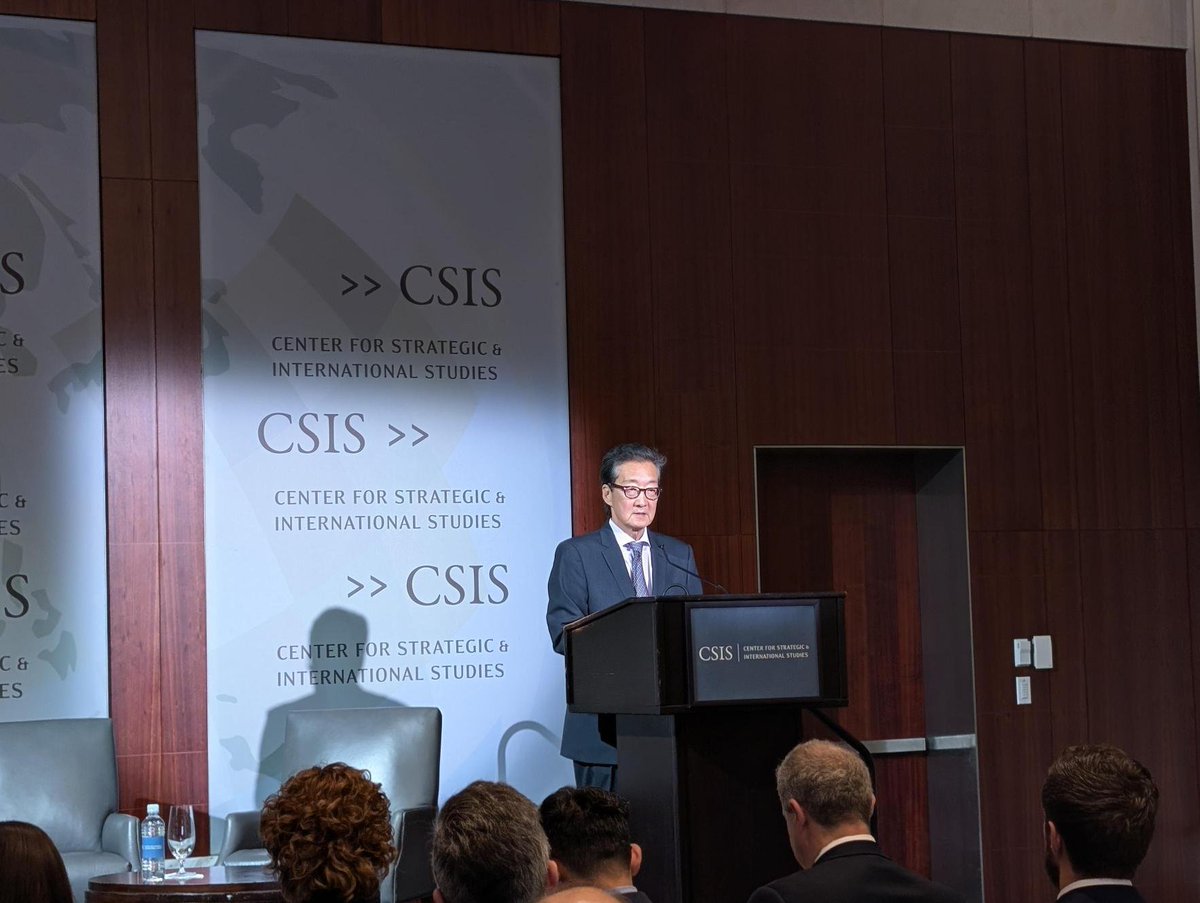
📢 LIVE NOW I Reassessing the Strategic Value of China to Korea
Join us at @CSIS for an in‑person conference featuring leading scholars and former policymakers examining:
♦️China’s strategic value to South Korea
♦️Korea’s role in a potential Taiwan contingency
♦️China’s record on North Korea
📅 May 13, 2026
⏰ 9:00 AM–1:30 PM ET (lunch provided)
🔗 RSVP: https://t.co/UKgdPDL1A7
🎙️ Featured speakers include:
@VictorDCha · @sydseiler · @RushDoshi · @MarkCancian · @AndrewIYeo · @patricia_m_kim · @snydersas · @junghpak1 · @augama · @bostonsunny · @sungminchohi · @Henrietta_Ivy · Joseph Yun · Mark Lambert · Nick Szechenyi
@augama argues China is more likely to pursue targeted, sequential pressure—like blockades or quasi‑quarantines—rather than outright invasion, aiming to shape allied political calculations and keep them sidelined in the first critical 72 hours. By creating ambiguity and a fait accompli, Beijing hopes regional states hesitate long enough to lose the decisive early window to respond.
@augama warns Taiwan is closely watching whether President Trump makes political concessions to Beijing, such as opposing Taiwan independence or delaying U.S. arms packages. Such moves would signal China can shape U.S. behavior and deepen skepticism in Taiwan—giving Beijing greater leverage to divide allied coordination in a crisis.
@augama says energy, not food, is the critical choke point in a Taiwan blockade scenario. Quiet regional planning with Japan and South Korea on LNG swaps and energy coordination to sustain U.S. bases and keep Taiwan operational, as energy resilience will shape crisis response more than any other factor.
🚨 Taiwan’s Defense Crisis: Urgent Warning from Washington
Former KMT legislator and Hudson Institute senior fellow Jason Hsu @augama is sounding the alarm: Taiwan’s defense budget remains deadlocked in the legislature, risking the island being branded an “irresponsible ally” under President Trump.
Hsu warns this stalemate — fueled by internal KMT divisions — gives Beijing a dangerous opening to claim Taiwan doesn’t take its own defense seriously, even as Chinese gray-zone incursions, cable sabotage, and cyberattacks continue relentlessly.
His blunt message: “Speak softly, carry a big stick — but Taiwan must first pick up the stick.”
Full story: https://t.co/hfnN5SyYR0
#Taiwan #Defense #Budget #KMT #DPP #China
It was great to host @TedWittenstein & his @yalejacksonsch colleagues today for an amazing conversation on U.S.-China technology competition, including insights from their recent China trip.
cc @augama@VictorDCha@Henrietta_Ivy & Kate Koren
Watch here: https://t.co/VjD4rWgMet