He is one of the richest people in India — Anand Deshpande. He recently entered the list of billionaires with billion-dollar wealth. He is the founder of Persistent, a multinational software company. The company, which has 53 offices across 18 countries, recently did a ‘Griha Pravesh’ / housewarming at yet another new location.
When you hear “software company”, what comes to mind is usually ‘Western culture’. But Persistent is an exception. See this photo. They entered the new place by performing a Satyanarayan Puja in the traditional Indian/Hindu way. In this company, holidays are given only for Indian festivals — meaning Hindu festivals, and specifically Marathi ones. So the New Year holiday isn’t on 1st January, but definitely on ‘Gudi Padwa’. No holiday for Christmas, but there _is_ a holiday on both days of Ganesh Murti Sthapana and Visarjan.
In Hinjewadi, Pune, the office has 4 towers named after Rigveda, Samaveda, Yajurveda, and Atharvaveda. The 2 towers of the office near Nal Stop are named after ancient Indian scientists Pingala and Aryabhata. The office building on Senapati Bapat Road is named Bhagirath. And inside the buildings, references from the Vedas are displayed on the walls at various places.
Just saying “Hindu culture is great” doesn’t achieve anything. To uphold its greatness, you have to send that message through action — and this company has done that, time and again. I’ve experienced the work culture here closely (I worked there for 2.5 years). Let me tell you a small thing: even though it’s an IT company, the women members here celebrate traditional customs like ‘Haldi-Kumkum’ with great joy. Even Satyanarayan Puja is performed properly. And despite all this, Persistent stands at a completely different peak in the IT sector. Last quarter, revenue was a whopping ₹1,491 crore.
The people working here aren’t called ‘employees’ but ‘members’ of the Persistent family. With over 15,000 members worldwide, this company’s turnover runs into hundreds of crores. We know Ratan Tata for “simple living, high thinking” — but Marathi Anand Deshpande Sir is an equally inspiring personality. (By Deviprasad, an ex- employee of Persistent)
இந்த மாதிரி ஒரு அறிவுரை எல்லாம் நமக்கு இலவசமா கிடைக்க பெற்றது நமது அதிர்ஷ்டம்.
@shyamsek சார் மாதிரி ஒரு நிபுணர் எல்லாம் இந்த அறிவுரைகளை நேரம் செலவு செஞ்சு இலவசமா சொல்ல அவசியம் இல்லை..
Thanks to guidance like this, I came out of a 15 month equity hibernation and made the most out of these 105 days. 🙏
Now the decade long waiting (his key advice) starts 🤟
https://t.co/b6csxLNTft
#திருச்செந்தூரில் 70 ஆண்டுகளாக நடைபெற்று வரும் அரசு உதவி பெறும் ' இந்து துவக்கப்பள்ளி' யின் பாதையை அடைத்துள்ள தனியார்.
இதை ஆரம்பித்து நடத்திவந்த சுந்தரம் அவர்கள் சிறந்த பொதுநல சேவகர். ஊருக்குள் மிகுந்த மரியாதைக்குரிய நபர். ஏழைக் குழந்தைகளின் கல்விக்காக அவர் ஆரம்பித்த இந்தப் பள்ளிக்கு எந்தத் தடையும் வராமல் பார்த்துக் கொள்ள வேண்டிய பொறுப்பு மாநில அரசைச் சார்ந்தது.
உடனடியாக மாவட்ட ஆட்சியர், கோட்டாட்சியர், கல்வித்துறை அதிகாரிகள் இதில் தலையிட்டு பள்ளிக்கான பாதையை மீட்டுக் கொடுக்க வேண்டும் என்கிறார்கள் அப்பகுதி மக்கள்.
@CMOTamilnadu@imrajmohan@KesavaVinayakan
*✒️நாவல் பழங்கள் அதிகம் காய்ப்பதன் பின்னணி என்ன?*
கடந்த முப்பது ஆண்டுகளில்
நாம்
பார்த்திராத அளவுக்கு, இந்த ஆண்டு சந்தையில் நாவல் பழங்கள் அபரிமிதமாகக் குவிந்திருக்கின்றன.
நாவல் பழங்கள் உண்மையில்
குவியல் குவியலாக விழுகின்றன.
கடந்த ஆண்டு மிகக் குறைவாகப் பழங்கள் காய்த்த மரங்கள் கூட,
இப்போது
அதிக அளவில்
நாவல் பழங்களை உதிர்க்கின்றன.
ஏற்கனவே
பழங்கள் காய்த்த மரங்கள்
இப்போது
அவற்றை ஏராளமாக உதிர்க்கின்றன.
சரியாக என்னதான் நடக்கிறது?
தாவர அறிவியலின்படி, இந்த வியப்பூட்டும்
மற்றும்
அதே சமயம் திகைப்பூட்டும் செயல்முறை
“மாஸ்டிங்” (Masting)
அல்லது
“ஸ்டிரெஸ் ஃப்ரூட்டிங்”
(Stress Fruiting)
என்று அழைக்கப்படுகிறது.
தங்கள் சொந்தச் செலவில் கூட, முடிந்தவரை
அதிக அளவில் பழங்களை உற்பத்தி செய்வதற்கான
மரங்களின் இந்த இறுதி முயற்சி,
சில சமயங்களில்
“தற்கொலைப் பழம்” அல்லது “அதிகப்படியான விளைச்சல்
” என்றும் குறிப்பிடப்படுகிறது.
உயிர்வாழ்வதற்கான உள்ளுணர்வு
இது
"இனங்களின் உயிர்வாழ்வுக்கான" இயற்கையின் விதியாகும்.
ஒரு மரம் நிலத்தடியில்
நீர் பற்றாக்குறையை உணரத் தொடங்கும்போதோ அல்லது
பெரிய காலநிலை மாற்றங்களுக்கான அறிகுறிகளைப் பெறும்போதோ
, அது ஒரு
"தற்காப்பு நிலைக்கு" மாறுகிறது.
எதிர்காலத்தில் தன்னால் உயிர்வாழ முடியாமல் போகலாம் என்பதை
அந்த மரம் உணர்கிறது. அத்தகைய நேரத்தில்,
தன்னைத்தானே காப்பாற்றிக்கொள்ள முயற்சிப்பதற்குப் பதிலாக,
தனது இனம்
பூமியில் தொடர்ந்து உயிர்வாழ வேண்டும் என்பதற்காக,
அது
தனது ஆற்றல் அனைத்தையும் விதைகளை (பழங்களை) உற்பத்தி செய்யப் பயன்படுத்துகிறது.
புதிய இலைகள்
மற்றும்
கிளைகளை நிறுத்துதல்
அத்தகைய ஆண்டுகளில், மரம் புதிய தளிர்களை உருவாக்குவதையோ அல்லது கிளைகளை வளர்ப்பதையோ முற்றிலும் நிறுத்திவிடுகிறது. ஏனெனில், புதிய இலைகளைப் பராமரிக்க அதிக நீரும் ஊட்டச்சத்துக்களும் தேவைப்படுகின்றன. மரம் அந்த ஆற்றலைச் சேமித்து,
நாவல் பழ உற்பத்தியை அதிகரிப்பதில் மட்டுமே கவனம் செலுத்துகிறது. இதனால்தான்
கடந்த ஆண்டு
சில பழங்களை மட்டுமே தந்த மரங்கள் கூட இப்போது பழங்களால் நிரம்பி வழிகின்றன.
வறட்சியுடனான தொடர்பு
தாவரங்கள் மனிதர்களை விட
மிக முன்னதாகவும், அதிக உணர்திறனுடனும் சுற்றுச்சூழல் மாற்றங்களைக் கண்டறிகின்றன.
நாவல் மரத்திற்கு மண்ணில் ஆழமாகப் பரவியிருக்கும் ஆணிவேர் அமைப்பு உள்ளது.
நிலத்தடி நீர் மட்டம் கடுமையாகக் குறையும்போது மட்டுமே இந்த வேர்கள் நீர் பற்றாக்குறையை உணரத் தொடங்குகின்றன.
இந்த நீர் பற்றாக்குறை, வரவிருக்கும் வறட்சி அல்லது கடுமையான கோடைக்காலத்திற்கான ஒரு அறிகுறியாக அமைகிறது.
எனவே,
கோடைக்காலத்தில் முன்னெப்போதும் இல்லாத அளவுக்கு நாவல் பழங்கள் ஏராளமாகக் கிடைக்கும்போது
அது
வரவிருக்கும் வறட்சி காலத்தைப் பற்றிய இயற்கையின் எச்சரிக்கையாகும்.
சுருக்கமாக...
நாவல் மரம் தற்கொலை செய்துகொள்வதில்லை; மாறாக,
அது
தன்னைத் தியாகம் செய்வதன் மூலம்
(தன் விதைகள் வழியாக)
அடுத்த
தலைமுறையின் பிறப்பை உறுதிசெய்ய முயற்சிக்கிறது.
இயற்கையின் இந்தச் சுழற்சி வியக்கத்தக்கது.
இங்கே
, தலைமுறை தலைமுறையாக அவதானிப்புகளும் அறிவியல் கோட்பாடுகளும் கச்சிதமாகப் பொருந்துவதாகத் தெரிகிறது.
இந்த ஆண்டு நாவல் பழங்களை உண்டு மகிழுங்கள்
, ஆனால்
இயற்கை நமக்கு அளிக்கக்கூடிய
இந்த "வறட்சி எச்சரிக்கையையும்" தீவிரமாக எடுத்துக்கொள்ளுங்கள்.
நீரையும்
மற்ற வளங்களையும் கவனமாகவும் பொறுப்புடனும் பயன்படுத்த வேண்டியதன் அவசியத்தை இது நமக்கு நினைவூட்டுகிறது.
....
Today we remember Veera Vanchinathan who sacrificed his life for the freedom of Bharath. On 17 June 1911, Vanchinathan entered a first-class compartment at Maniyachi Junction and shot Tirunelveli Collector Ashe, who was responsible for the repression of the Swadeshi movement and the persecution of V.O. Chidambaram Pillai and Subramania Siva. Moments later, Vanchi took his own life rather than be captured.
He was only twenty-five. He had given up his career, distanced himself from family life and chosen a path from which he knew there would be no return. His method may be debated, but his courage, sacrifice and uncompromising commitment to Bharat’s freedom cannot be denied.
On his remembrance day, let us honour the martyr who placed the nation above his own life.
@tskrishnan Vanchi Maniyachi Rly Stn. As a child when I used to travel with my dad in early 60's, the train will stop in the stn(then just Maniyachi) for abt 3mnts in midnight. My dad wud wake me up, ask me to get down onto the PF, without footwear, ask me to do namaskarams on its soil
As we will be observing the memorial day of Veera Vanchinathan this week, here is a tribute to a forgotten martyr whose courage, sacrifice and uncompromising commitment to India’s freedom deserve to be remembered.
https://t.co/tvbFoJyFSR
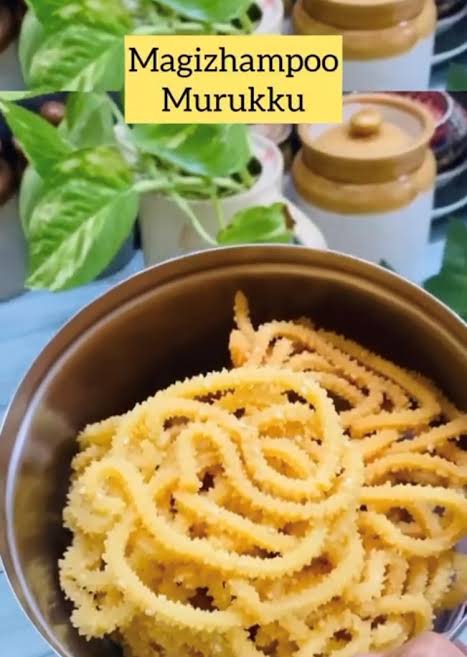
There are varieties of murukku as in TN:
1. Kai Murukku or just Murukku (முறுக்கு) - the twisted coil, best done by hand. It takes months of training to attain perfection. Machines have come but cannot match the texture of hand made murukku. Usually three or four coils. The expanded version with six or seven coils is made for special occasions.
2. Thaenkuzhal (தேன்குழல்) - non-twisted version. While murukku is slightly light brown, thaenkuzhal is more Caucasian yellow. Coils are not on a plane but randomly twisted up and down. Like Murukku, this is better when butter is added in the dough.
Occasionally, thaenkuzhal is broken into medium sized pieces and mixed with boiled jaggery water to make citrus sized balls. This sweet is called Manoharam. It is used to make Paniyaarakkaai cones to be kept for Ganapati or Vishwaksena poojas.
3. Manoppu/ MuLLu murukku (முள்ளு முறுக்கு) - the 'thorned' murkku variety. Similar to murukku but with the appearance of a thorn garland. The word manoppu is from Magizhampoo Murukku (மகிழம்பூ முறுக்கு), which means Murukku that resembles a garland strip made of bullet wood flowers. This is usually made like with three or four coils, while the ones made for special occasions expand to six or seven coils.
Images from the web.
@saravin2@Fintech03 Wow, u nailed it - rather murukked it beautifully...oh, reading about Manoharam 😍 night 12pm with no possible Blinkit ..Life is cruel😒
This is perhaps the most heavily paraded "gotcha" fact by armchair food historians. They absolutely love to smirk & tell us, "You know Jalebi is not Indian, right? It is a Persian dish called Zolbiya/Zalabiya brought by invaders in the medieval era!"
They mistake a linguistic corruption for the birth of a culinary concept. They confuse the trade name that eventually stuck with the actual evolutionary genealogy of the recipe. The entire liberal historian argument rests on 1 fragile pillar: the 10th century Arabic cookbook Kitab al-Tabikh, which mentions Zalabiya. They smugly point out that detailed Indian texts appear only in the 15th century & declare victory.
But here is the fatal flaw in their timeline trap: They mistake the date of the 1st surviving written recipe for the date of invention & popular practice. Ancient Indian texts were primarily medical & philosophical, they classified broad food principles, not every street vendor’s technique. The absence of a detailed halwai-style recipe earlier does not mean the dish did not exist. It means our ancestors did not write down casual street sweets the way later cookbooks did.
Technically, India had already mastered the 2 pillars that define real Jalebi centuries earlier: large-scale sugarcane crystallization into refined sarkara & syrup (perfected during the Gupta era) & the uniquely subcontinental art of lactic acid fermentation (khameer). These gave us the signature tangy, porous batter that aggressively absorbs syrup, something far superior to the honey-based versions in West Asia.
Our dish was referred to as Jalavallikā (from Jala meaning water/juice & Vallikā meaning a creeping vine/coil). It literally translates to "the juice-filled coil." Another classical name was Kundalikā (derived from Kundala, meaning a circular coil/ring, the exact same root used for Kundalini energy).
If Jalebi was some foreign royal import tied to Islamic court culture, why does it make its 1st formal appearance in Indian literature inside a strict, vegetarian Jain religious text? The Priyamkara-nrpa-katha, composed by the Jain author Jinasura in 1450 CE, describes an elaborate feast hosted by a wealthy indigenous merchant. Jalebi appears right alongside deeply traditional Indian sweets, already fully integrated into local high cuisine.
Shortly after, the 16th century Sanskrit text Bhojana Kutuhala by Raghunatha & the Gunyagunabodhini (pre-1600 CE) give the exact, unambiguous recipe for making Kundalikā: fermented fine flour batter, fried in pure desi ghee & immersed in flavored sugar syrup, 100% identical to what our local halwai does today.
Ancient Indian culinary science was obsessed with the sour-sweet axis (Amla-Madhura). The genius of Jalebi lies in leaving the batter to ferment naturally overnight. This lactic acid fermentation creates that perfect tangy, porous crust. When deep-fried in hot ghee & plunged into hot sugar syrup, a spectacular thermodynamic reaction occurs, the sour crust aggressively drinks up the sweet syrup. This mastery of fermented frying (khameer-pakwa) is uniquely subcontinental.
India was never a culinary blank slate waiting for outsiders to teach it how to fry flour in circles. When West Asian traders arrived, they encountered a popular, thriving local street sweet called Jalavallikā/Kundalikā. They had a similar (but inferior) fried sweet back home called Zalabiya, so over centuries of marketplace haggling the 2 names merged.
The shorter foreign name stuck in common parlance, but the dish itself, its technique, its fermentation, its syrup mastery, its crisp-yet-juicy soul & its deep roots in vegetarian feasts was entirely home-grown. The invaders did not bring Jalebi to us. We perfected it & they simply borrowed the name.
Modern sleep studies show that if a daytime nap exceeds 20-30 mins, we enter deep, slow-wave sleep. Waking up from this causes sleep inertia, leaving us groggy, destroying our night sleep & messing up our insulin sensitivity.
Ancient India prevented this through a mandatory post-lunch ritual called Vama-Kukshi.
Vama means left & Kukshi means womb/side. The protocol mandates that after a midday meal, we must lie down specifically on our left side for a short duration (traditionally calculated as the time it takes to take 8 to 16 deep breaths, ~15-20 mins).
Lying on our left side keeps the stomach below the esophagus, preventing acid reflux. More importantly, it activates the Pingala Nadi (the right nostril breathing channel, connected to the sympathetic nervous system), which stimulates digestion, while keeping the brain in a state of light, restorative rest rather than letting it plunge into a deep, heavy slumber.
The Sushruta Samhita explicitly warns that long, heavy sleeping during the day destroys metabolic health (causes Kapha & Meda/fat accumulation). But a short Vama-Kukshi, a quick, left-sided power nap was prescribed to restore mental clarity, relieve stress & preserve vitality (Ojas).
It is the exact ancient counterpart to the modern 15 min "power nap."
It is incredibly frustrating to watch celebrity chefs & pop-history influencers look directly into a camera & confidently state, "Did you know our favorite South Indian staple, the Idli, actually came from Indonesia?" This entire narrative is a colossal house of cards. It is a classic case of academic confirmation bias that transformed into viral disinformation.
When an entire nation is taught to believe that they could not even figure out how to steam w/o foreign intervention, we have to look at the raw data to puncture the bubble.
Almost every single article/tweet/celebrity chef video claiming that the idli is Indonesian can be traced back to exactly 1 source: a single speculative paragraph written by the late food historian K.T. Achaya in his 1994 book, Indian Food: A Historical Companion. Achaya theorized that between 800-1200 CE, Indonesian kings traveling to India brought royal chefs who introduced a fermented, steamed dish called "Kedli."
Yrs after this book was published, investigative food journalists (such as Janaki Lenin) & linguistic researchers actually went to Indonesia to look for this legendary precursor. The word "Kedli" does not exist in any Indonesian language/dialect/historical dictionary. There is no historical record/recipe/anthropological trace of an ancient Indonesian dish called "Kedli." Achaya completely misread/manufactured the term based on a loose phonetic guess, yet it became an accepted "fact" because no 1 bothered to check the data.
The claim that India did not have idlis until the 12th century is thoroughly obliterated by our own ancient libraries. The evolution of the idli is meticulously recorded in indigenous Indian encyclopedias & literature centuries before Achaya’s timeline:
- 920 CE (Vaddaradhane): A classical Kannada text by the Jain monk Shivakotiacharya explicitly details a dish called Iddalige. It was a staple food item offered to Jain ascetics. - 1025 CE (Lokopakara): The earliest available Kannada encyclopedia, written by Chavundaraya II, gives a literal recipe for it: soaking split black gram (Urad Dal) in buttermilk, grinding it into a fine paste, mixing it with spices & the clear water of curd.
- 1130 CE (Manasollasa): The Western Chalukya King Someshvara III wrote a monumental Sanskrit encyclopedia detailing royal cuisine. He explicitly gives the recipe for Iddarikā describing how the urad dal cakes are prepared & cooked.
When skeptics are confronted with these ancient texts, they quickly shift the goalposts. They argue: Okay, fine, India had Iddalige, but it was just made of Urad Dal. It did not use rice/long fermentation/steaming... those techniques came from Indonesia! This is textually & technologically false.
Critics often cite the 7th-century Chinese traveler Xuanzang, who claimed India did not use steaming vessels. But we do not need a specialized metallic Chinese steam-cooker to steam food. For millennia, Indians practiced Kopotapaka & basket-steaming, tying a thin muslin cloth over a standard clay pot (Kunda) filled with boiling water, placing the batter on top & covering it with a lid. In fact, the Kanchipuram Idli is still steamed in traditional bamboo baskets lined with Mandhara leaves.
To say India did not understand fermentation until the 12th century is a historical joke. India is the cradle of complex biomaterial fermentation. The Rigveda & Ayurvedic Samhitas from 1000s of yrs ago are packed with advanced formulas for fermenting grains, herbs & dairy to create Asavas, Arishtas, Kanji & Dahi (Curd). The natural wild bacteria (Leuconostoc mesenteroides) required to leaven idli batter live natively on the husks of black gram found right here in the subcontinent.
Why do celebrity chefs keep repeating this lie? Because of a deeply ingrained post-colonial inferiority complex that dominates modern food media. There is a structural bias that assumes any advanced, scientific culinary technique, like molecular leavening/pasteurization/specialized steaming must have been imported to India from somewhere else. It sounds edgy, counter-intuitive & intellectual for a chef to tell an Indian audience that their national breakfast is not actually theirs.
The idli is a native, organic, ground-up evolutionary masterpiece of South Indian kitchen science. It evolved naturally from the lentil-based Iddalige of the 9th century into the perfectly balanced rice & lentil fluffy wonder we eat today. The next time a chef tries to tell you the idli is from Indonesia, ask them to show you the recipe for "Kedli." Watch how fast they fold.
சிலர் கஞ்சிக்கு உப்பு இல்லைனு அலையரா.
சிலர் காப்பிக்கு சக்கரை இல்லைனு அலையரா.
நாங்க முதல்ல சொன்ன ரகம்.
பெரிய நகரத்துல இருக்கற கோயில்களுக்கு ஏகப்பட்ட வரும்படி.பக்தர்கள் அங்க போய் குமியறா.
அதுல கொஞ்சம் பேர் குக்கிராமங்கள் போய் அங்க உள்ள பெருமாள் கோயில்,சிவன் கோயில் எப்படி இருக்குணு பாக்கணுமா இல்லியா?
அங்க கைங்கர்யம் பண்றவாளும் மனுஷாதானே. அவாளுக்கு யார் ஆதரவு.
நன்னா யோசிச்சு பாக்கணும்?
அங்க இருக்கற கோயில்கள்ல எங்கேந்தோ TVS50 ல கஷ்டப்பட்டு ஓட்டிண்டு வந்து கோயில திறந்து தீபம் ஏத்தி ஒரு சொம்பு ஜலம் விட்டு ஸ்வாமிக்கு பழைய வஸ்திரத்தை அவிழ்த்து புது வஸ்திரம் மாத்தி,கூடவே தன் கையில கொண்டு வந்த நந்தியாவட்ட பூவை போட்டு தூக்குல இருக்கற மஹாநைவேத்யத்தை எல்லா சந்நிதிக்கும் காமிச்சு மறுபடியும் கதவை சாத்திட்டு போறாரே அவர யார் கவனிக்கறது.
சிட்டில உள்ள கோயில்களுக்கு மெய்காப்பாளன் உண்டு. குக்கிராமங்கள்ல எல்லாமே குருக்கள் தான்.
இதானே நடக்கிறது.
இத எத்தனையோ தடவ நான் சொல்லியாச்சு.
தயவு செய்து குக்கிராமங்களுக்கு அங்க கைங்கர்யம் பண்ணறவாளுக்கு,அவா குடும்பத்துக்கு அள்ளி அள்ளி குடுங்கோ.ஒங்க சந்ததிகள் ரொம்ப நன்னா இருப்பா.
சிட்டில கோயில்ல இருக்கற குருக்கள்,அர்ச்சகர் ஒரு நாளைக்கு 2000,2500 ரூபாய் தட்டுல கிடைக்கும்.மேலயே கிடைக்கும்.
இந்த தொகையை குக்கிராமங்கள்ல இருக்கற சிவாசார்யாள்,பட்டர் தட்டுல பாக்க ஒரு மாசம்,2 மாசம் ஆனாலும் ஆகலாம்.
அவாளுக்கு நிரந்தர வருமானம் Zero.
இப்போ நன்னா யோசியுங்கோ.
Chennai Meenambakkam possibly records its warmest night in more than 25 years. "Has never been hot like this before" is an anecdotal evidence we all tend to use often. Even if the numbers are the same the perspectives often change based on the POV of the person using the data. But certain anomalies tend to show up in plain sight. Like this year's night time temperature from the IMD observatory at Chennai Meenambakkam. Eight 30°C+ nights so far this year while the previous 26 years in total contributed only eight 30°C+ nights. Excluding the 33°C on 8th June 2003 in the IMD DSP website which seems suspect the 31.6°C recorded today is the 3rd warmest June night since 1969 and 4th warmest night since 1969 along with 28th May 1998. Trationally Chennai Nungambakkam has always been seeing warmer nights and possibly this year seems to be par for course.