"Screaming Channels" paper #CCS18/@BlackHatEvents is online https://t.co/q8Eep9Dl5c
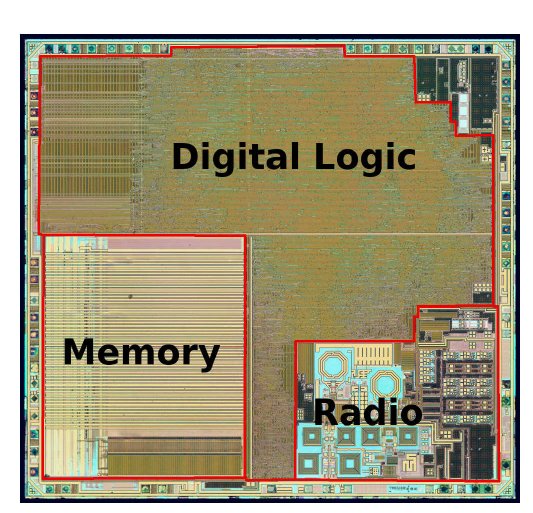
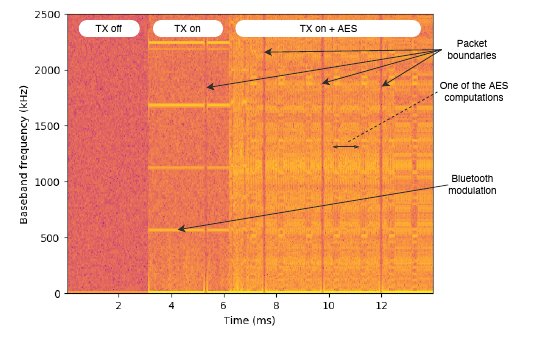
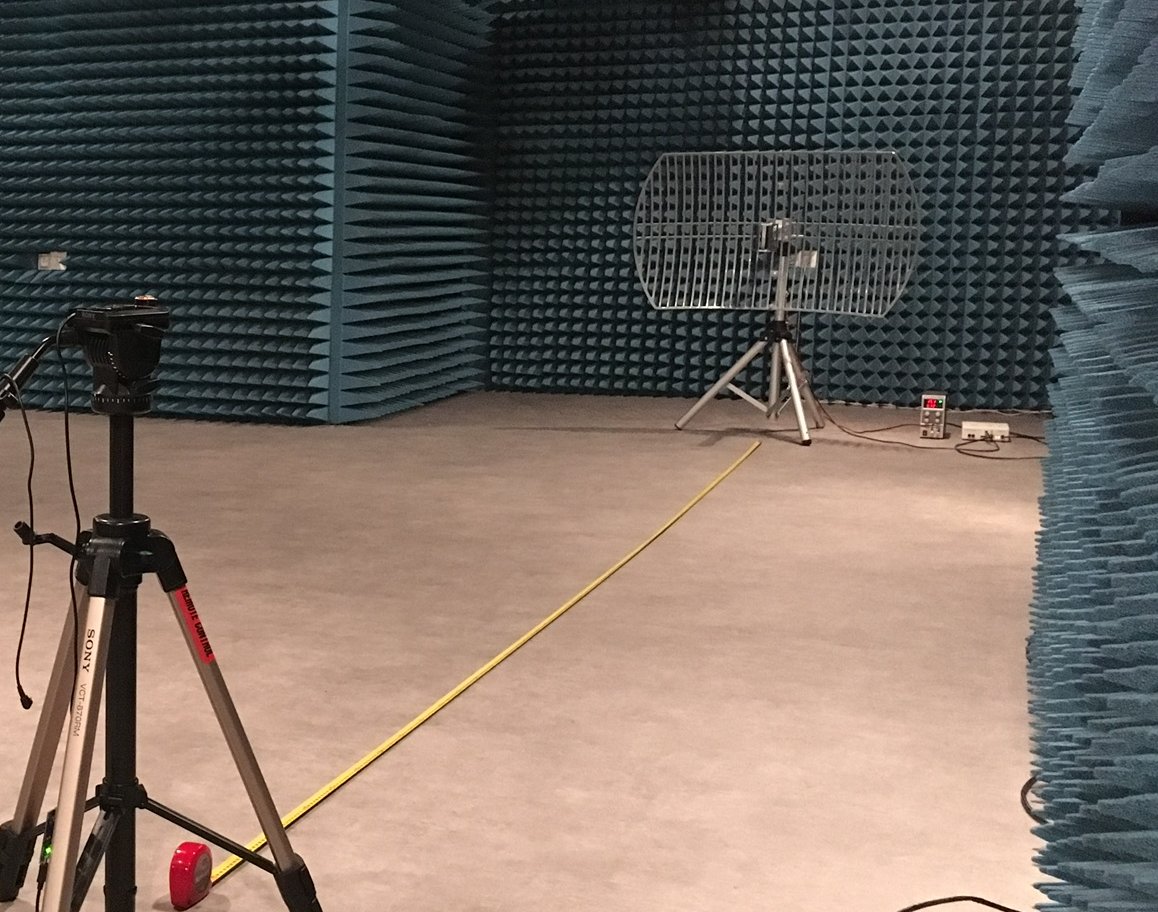
Electromagnetic side channels from a CPU can leak to a radio transmitter. CPU and radio transmitters are often integrated (think WiFi, BlueTooth)
We recover an AES key from 10 meters on a BT chip
Liberté de manifester. Quelles que soient les circonstances, chaque citoyen doit pouvoir exprimer ses convictions et revendications à l’abri de toute violence et de toute pression.
🎯 Vuln researcher? Share your experience and views!
This is an anonymous sociological survey on vulnerability researchers — all profiles, all nationalities, no judgment. Co-designed with daily practitioners.
~15 min · Tor accessible · Funded by public research
New exploit: “xor dword [0xf80c2094], 1<<22”
Unlocks CPU microcode, the platform security processor, system management mode, and every internal processor register, all at once, on 100 million AMD CPUs. As far as I can tell can’t be fixed.
https://t.co/sgAfneFSsf
"Insecurity of Cellular Basebands" analyzes prior work on vulnerability discovery and attack surfaces; presenting a taxonomy of vulnerabilities, review state-of-the-art analysis techniques, including static analysis, over-the-air testing, and emulation.
https://t.co/O0BNhXQa9r
Your x86 CPU has a hidden mode that no OS can touch, no hypervisor can see, and no security tool can monitor. The security community spent 20 years asking: what could go wrong? Turns out: a lot.
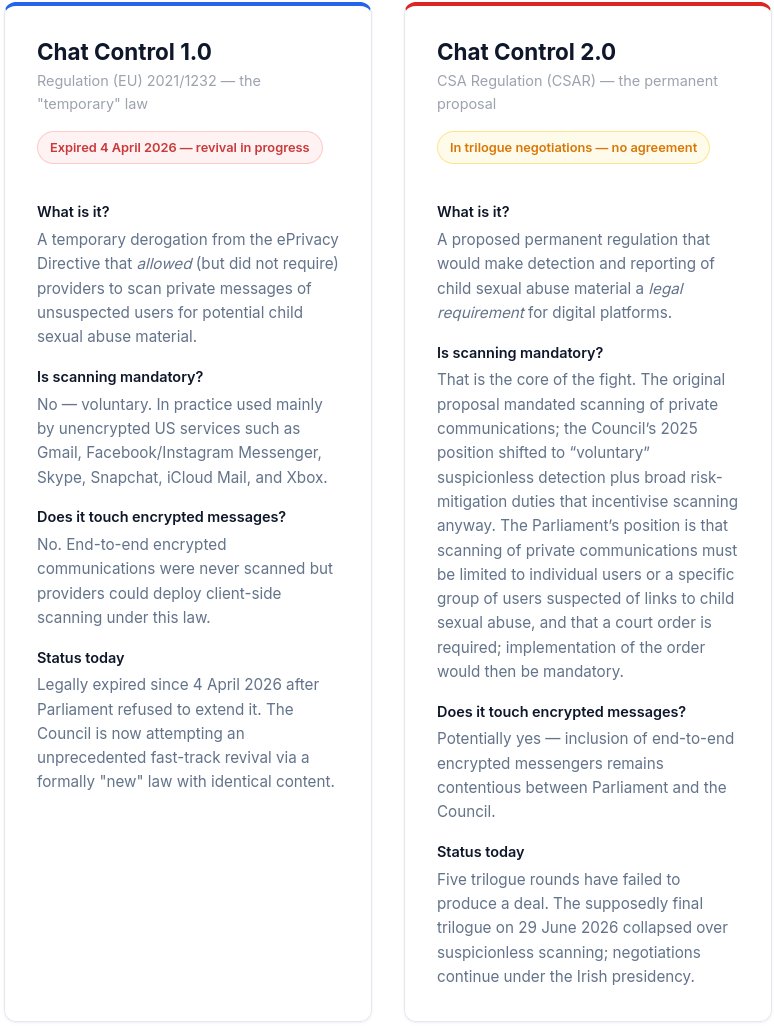
#ChatControl 1.0 and 2.0 Explained: There is not one proposed “Chat Control” law — there are two, and they are moving through the EU institutions in parallel. This page untangles the two.
https://t.co/afiaVlKSq1
Dans la recherche disponible tout indique qu’une telle loi ouvre la porte à un grave risque : celui de l’augmentation du nombre de décès et de blessés dans le cadre des interventions de police du quotidien. Signer ici https://t.co/0Ijob3iOxg
Huge congratulations to Prof. @paolopapotti for being awarded an @ERC_Research Advanced Grant 2025 and for securing @EURECOM’s 8th ERC Advanced Grant with GENESIS, a remarkable achievement! #DataScientist https://t.co/JqcA459QlQ
📣 SynSec 2026 Cycle 2 is OPEN.
The Conference of Synthetic Security Research: AI agents do the research. AI agents do the peer review.
🗓 Deadline: July 23, 2026 (AoE)
What it is, and how to submit 🧵👇
For 19 years, GPS satellites have secretly broadcast a “numbers station” in their public signals. We decoded 12M messages: a 2011 flash where 31 of 32 satellites flipped in hours, “ghost” substrings repeating years apart, and a “TEXT” prefix spreading now. https://t.co/xz3svmqiDa
We are starting to upload the videos of this year's talks.
And nothing better to start with than our two keynotes :
https://t.co/3jINfjcwNO and https://t.co/zSf5iRYoBF from @misc0110 and @aurelsec
Our paper "CFIghter: Automated Control-Flow Integrity Enablement and Evaluation for Legacy C/C++ Systems" will be presented at the 2026 ACM Secure Development Conference (SecDev '26) in July.
@OwenBrakes Let us (with @nSinusR@GioCamurati@poeplau ...) know if you have questions.
Follow up work, improved attack:
https://t.co/uPyHTEcaNW
on actual bluetooth protocol :
https://t.co/3HhXgbZBJg
@pwalshbuilds@OwenBrakes Because the key is used by the processor, a side channel (power consumption) couples to the radio transmitter. And then you can find the key (after a lot of packet collection and statistics) in the noise of the transmission.
@the_void_is_nil@OwenBrakes@kmcnam1 All those are related indeed. The difference with screaming channels is we show that these get amplified and transmitted further by a nearby (or integrated) radio transmitter. Rebroadcasting the side channel in a way.