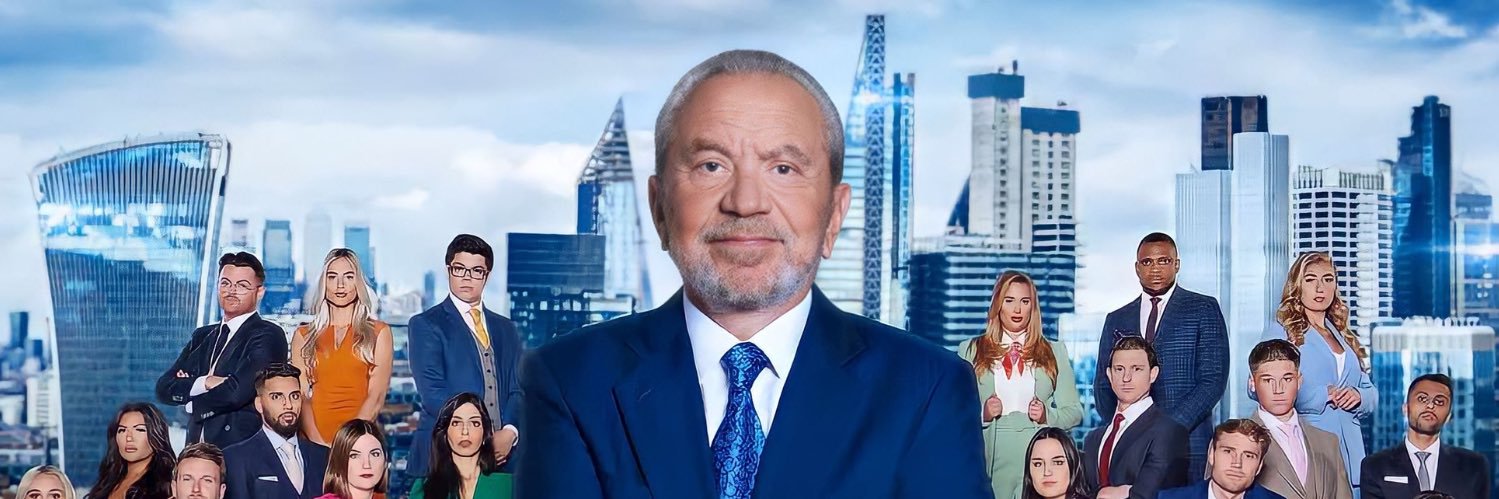
BREAKING NEWS: I'm on The Apprentice! 🎬
And no, I'm not just there to make the coffee.
Last year, I was in a banking job feeling unfulfilled. But I took a risk, quit my job, and now I'll compete on TV and get bossed around by Lord Sugar.
Wish me luck! 🤞
#TheApprentice
@ASOS_Menswear@ASOS_news Hi Team, I ordered £900 worth of items from ASOS. Want to return items. One tie never arrived. Missed the return window by just a few days due to startup launch. Loyal customer. Refused refund despite missing item. Can someone please help? Thank you!
This week I’ve been thinking about the inevitable trade-offs you have to make in life.
The things you need to put down in order to pick something else up.
The life paths you have to kill so you can pursue others.
Christopher Hitchens once said: “In life, we must choose our regrets.”
I haven’t really been able to stop thinking about that over the last few weeks.
In life we must choose our regrets.
I’d never considered things that way.
I’d gone through life with this assumption that it’s somehow possible to have no regrets at all if you get things right.
If you make precisely the right choices at the right moments then maybe you can totally avoid regrets.
I’d presumed that any regret is essentially the side-effect of a sub-optimal decision.
I never considered that regrets could be unavoidably baked into the fabric of life.
They’re features, not bugs.
Upon reflection, this seems obvious.
Opportunity cost demands that we sacrifice one thing in order to do another.
You can make the absolute best choice, and yet still regret not making some other one.
Plus, we don’t get to run life twice, so you never know whether the decisions you made were right.
So, regrets are unavoidable.
What does it mean that in life we must CHOOSE our regrets?
Well, a lot of the time we’re going to incur some pain no matter what decision we make.
We need to choose between a relationship and a new job.
Either decision is going to cause regret, and given the fact that regrets are unavoidable, which regret do you WANT?
I think this adds a lot of clarity to big, difficult decisions.
Rather than working out which decision you want to live with, imagine which decision you couldn’t bare living without.
Which regrets could you put up with having chosen, and which could you never forgive yourself for?
In life, we must choose our regrets.
I’m thrilled to release my latest YouTube vid, exploring six crucial behaviours that forecast success.
What separates extraordinary people from the rest?
🔗 Watch now to find out!
https://t.co/j6Qr9gFc5l
In 2001, Warren Buffett gave a talk at the University of Georgia.
He asked them the most Warren Buffett question ever:
• If you could invest in a friend and get 10% of their income for life -- who would you pick?
Once the students answered the question, he then asked this:
• Why would you invest in that person?
• What character traits do they have?
Now they have a list of character traits to adopt.
Shortly after this, Buffett asked:
If you could short a friend's earnings, who would you pick and why?
Now you have a list of character traits to avoid.
----
1. Do not think this thought experiment is limited to money.
If you don't care about money -- you can use it for whatever currency you value instead.
E.g. Happiness coin
If you could get 10% of a friend's happiness, who would you invest in and why?
If you could short someone's happiness, who would you pick and why?
You can run the same thought experiment with Fitness coin, Friendship coin, Romance coin, etc`
2. This thought experiment is genius because it hacks a bug in life's video game:
Humans are terrible at self-awareness.
But we are great at spotting things in other people.
E.g. If your friend is in the wrong relationship, you can realize in 10 minutes what may take them 10 years.
Daniel Kahneman summarised his book on cognitive biases with the following:
“The premise of this book is that it is easier to recognize other people’s mistakes than our own.” - Daniel Kahneman
3. Nuance - It has to be purely from merit.
Buffett says it can't be because someone will inherit a large sum from their parents.
It has to be based on their behavior.
E.g. If you want 10% of someone's fitness coin, it's not because of incredible genetics -- is because of the actions they take.
Alex Hormozi is going to be a billionaire by 2033.
He made $50M by selling his businesses and is now using video content to disrupt traditional private equity (his portfolio is already at $200M/year)
How he is using YouTube to become a billionaire right in front of your eyes 🧵
Three things that will make you 5x more likable:
1. Never complain about anything
2. Stop blaming other people or circumstances for your current situation
3. Don't criticize anyone ever (esp to other people when they aren't around)
I dive into the top 3 things to do when you've hit that $1,000 milestone in savings.
Watch to learn how to boost your bank balance and make your money work harder for you!
https://t.co/2GOGZeqQWI
I've been anonymous for 7 years.
My real name is Joseph Ayoub, I was the Crypto Research Lead @Citi
I quit to build the future of Crypto x AI
Welcome to @rug_ai
My two simple lenses for friendship:
1) Do they genuinely root for you when you win?
2) Do they make you better?
Finding people who do even one is rare. Both even rarer.
Which is why they get the highest title of “friend”
Ever noticed how so many successful people say they worked insane hours for years before burning out and then finding a better balance.
They warn young people about the folly of losing work life balance. But here’s the rub, if you ask them if they’d have become successful without that kind of work they all say no.
The formula is work damn hard, get a massive breakthrough, almost burnout, become reformed, preach work-life balance to others.
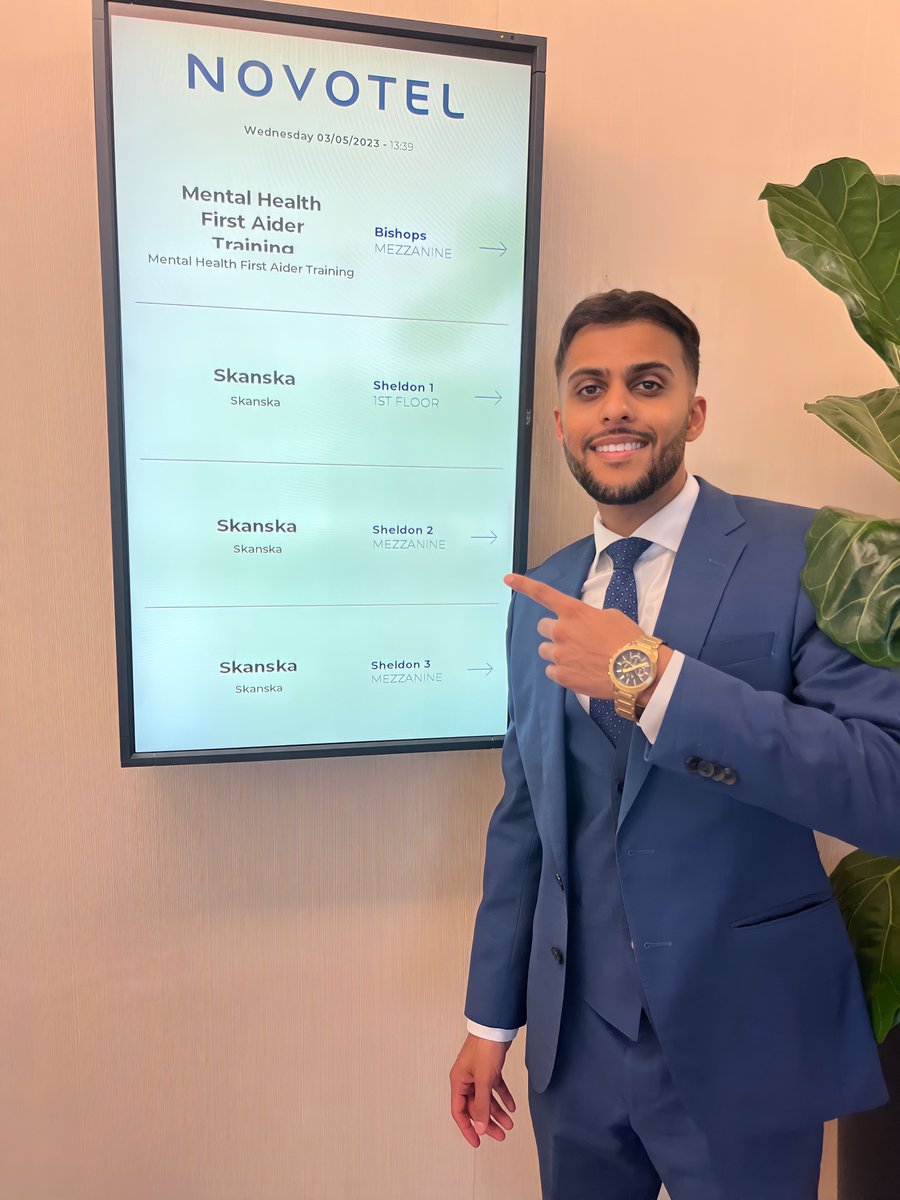
From The Apprentice to Skanska's stage! 📢
I covered golden lessons I learned, like leadership and time-management. ⏳
Thank you @SkanskaUKplc for the opportunity.
Moments like these spark my drive! ⚡
#AviTV#Skanska