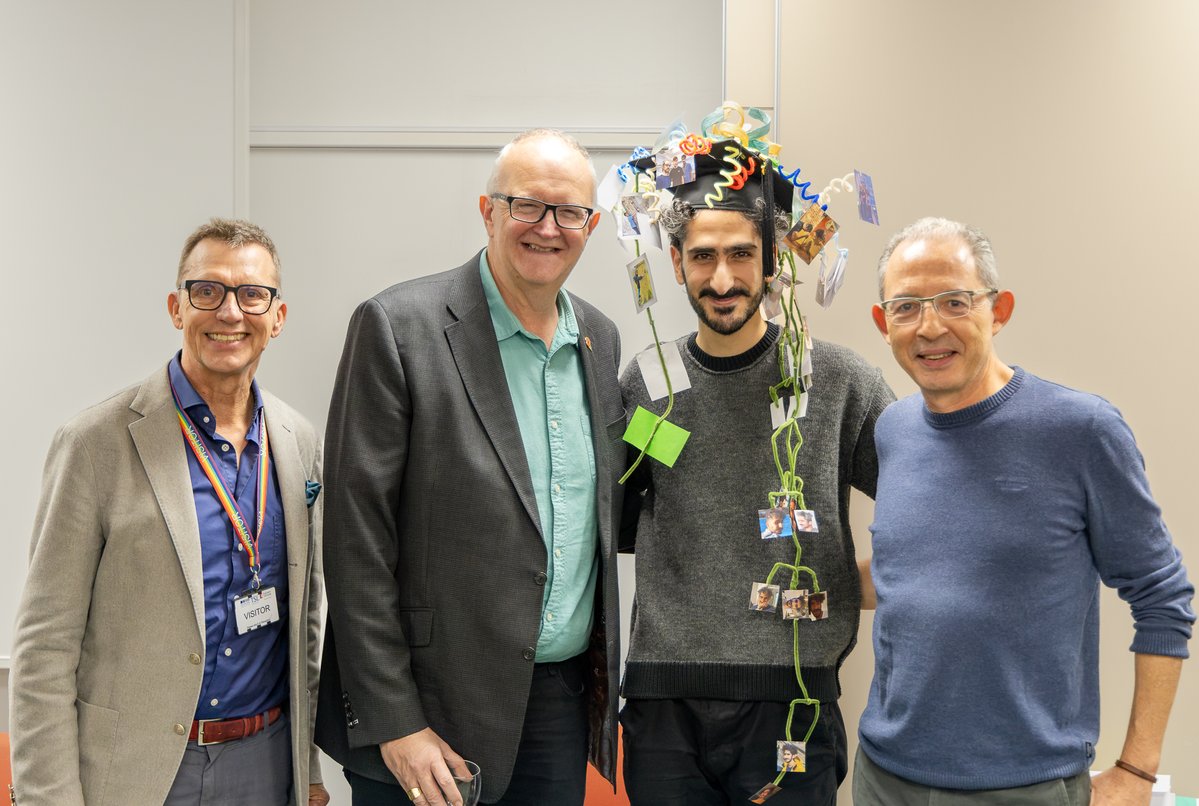
Huge congratulations to @amiralito_ on the successful defence of his PhD thesis. Thanks to the examiners Detlef Weigel and @talbotlabTSL . Another graduate from the @KamounLab
Root hairs and mycorrhiza represent alternative phylogenetically conserved strategies for belowground absorptive surface maximization
https://t.co/Tm28A0OY0O
(🧵 1/4) On the cover of our #LatestIssue: The liverwort Marchantia polymorpha reproduces asexually through clonal propagules called gemmae. Gemma formation is controlled by a developmental program that balances auxin levels and restricts gemma-cell identity...
The Spirogyra pratensis genome illuminates the evolution of developmental programs and spiral chloroplast biology (Elisa S Goldbecker , Deepti Varshney , Anja Holzhausen , et al) https://t.co/Rciy3ODySS @ASPB#PlantSci
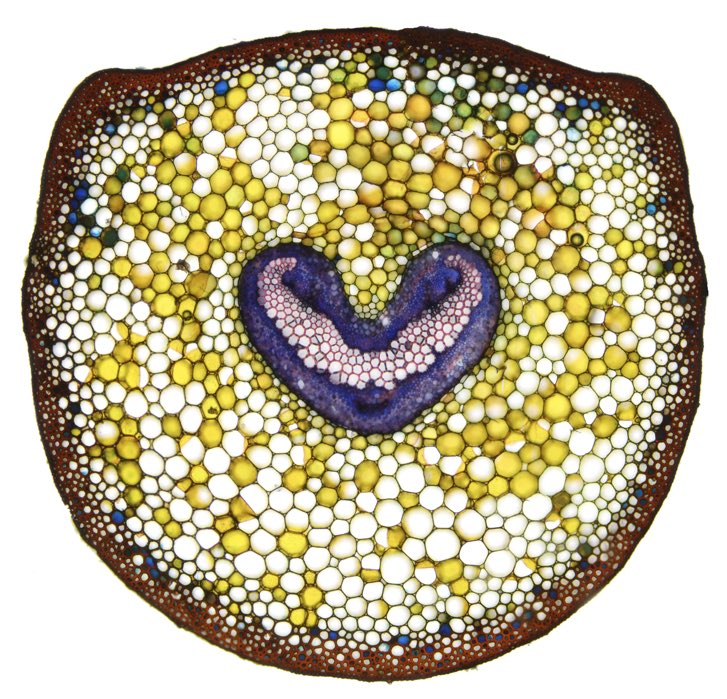
Why did the earliest plant vascular systems diversify so rapidly? We think they evolved to tolerate drought. We show why xylem connectivity was critical for preventing hydraulic failure. @BoudaLab@WasonLab@KyraPrats @HuggettLab @Medullosa 🧵👇
https://t.co/vHLTRqTZyY
New OA Article: "Fern phloem evolution records a trend of decreasing conductivity through geological time" https://t.co/EjCRFnud2G
With Research Briefing: "Phloem conductivity decrease over 300 million years of fern evolutionary history" https://t.co/ePvJCKL1nv
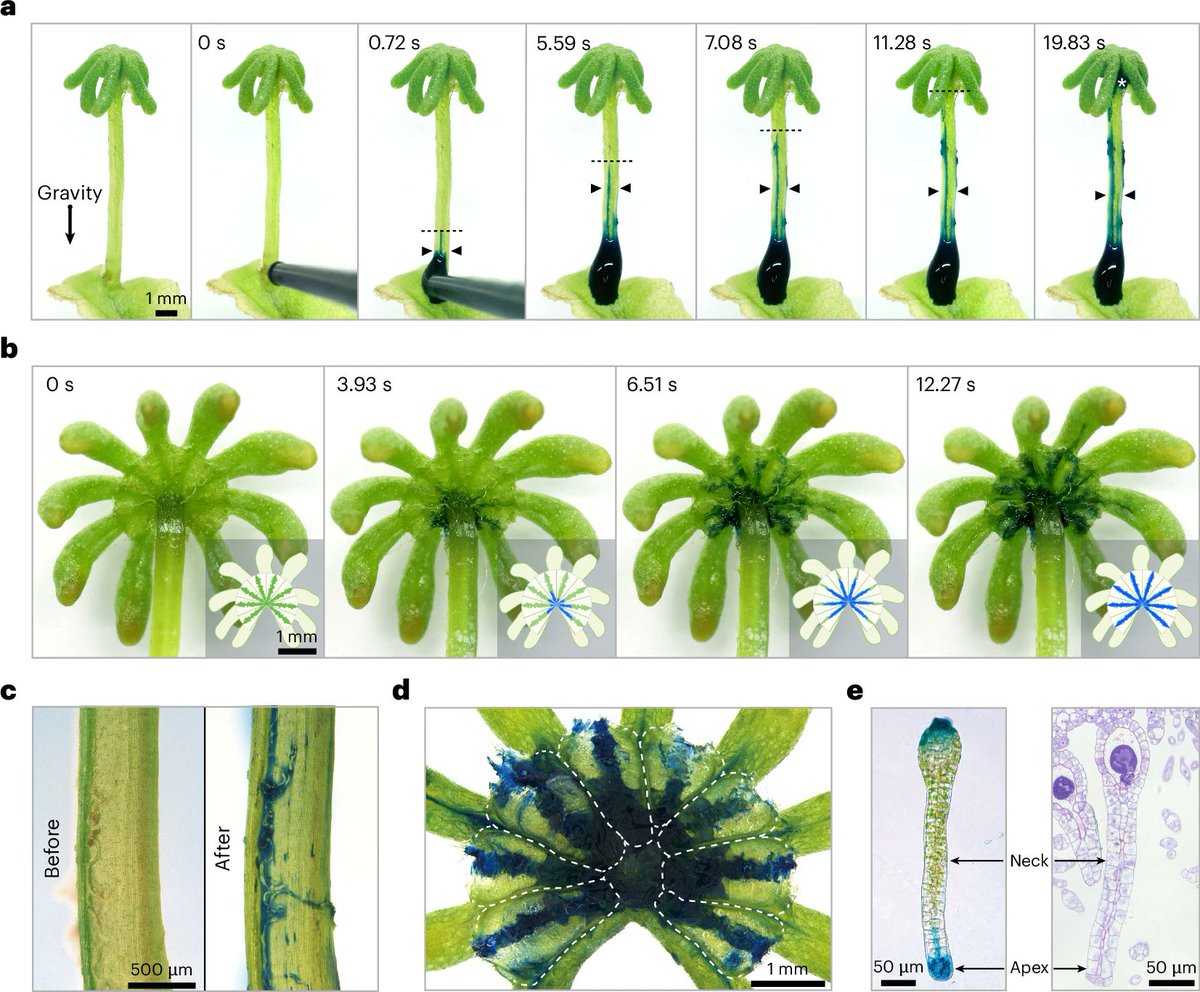
New Article: "Directional water transport system resolves fertilization–dispersal conflicts in Marchantia" https://t.co/iPdZSoGpnO
In Marchantia, the female reproductive structure evolved a directional water transport system to ensure fertilization success on land.
Postdoc opening in my lab! Looking for someone excited about genomes, symbionts and plant–insect interactions to join our team at @TheSainsburyLab 🧬🍄🌿🦟
Applications reviewed from 16 Nov.
https://t.co/ECezWOJE5T
Phylogenomic analysis supports the deep and gradual evolution of water-conducting tissues (Alexander M C Bowles) https://t.co/qFmUFUqdkI @_AlexBowles@ASPB#PlantSci