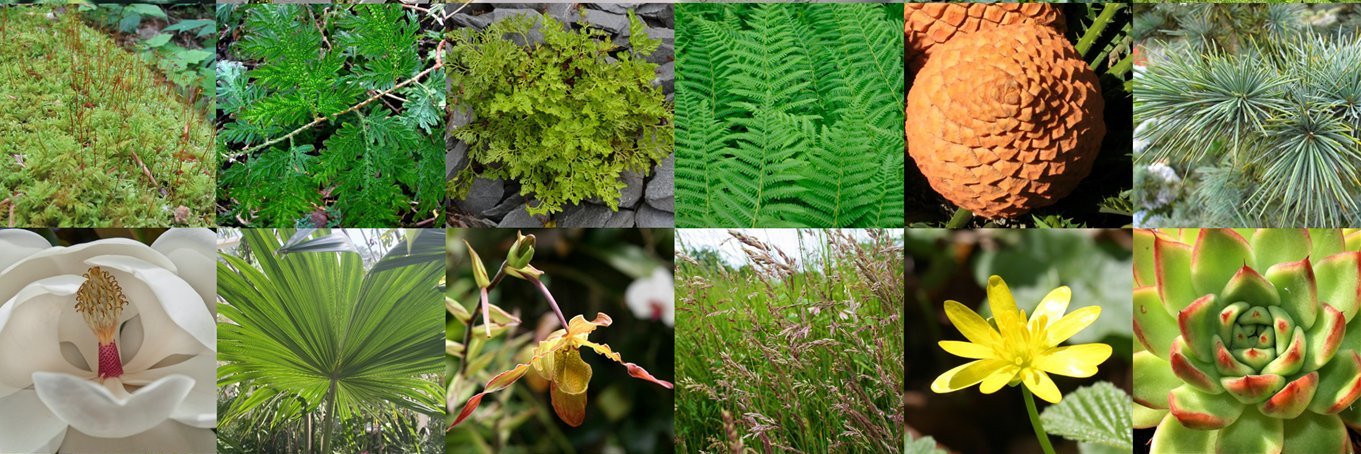
The hidden history behind every rose blooming this summer
For @ConversationUK https://t.co/qtdrHmvHjG
A story, millions of years in the making, unfolding beneath every petal 🌹🌍
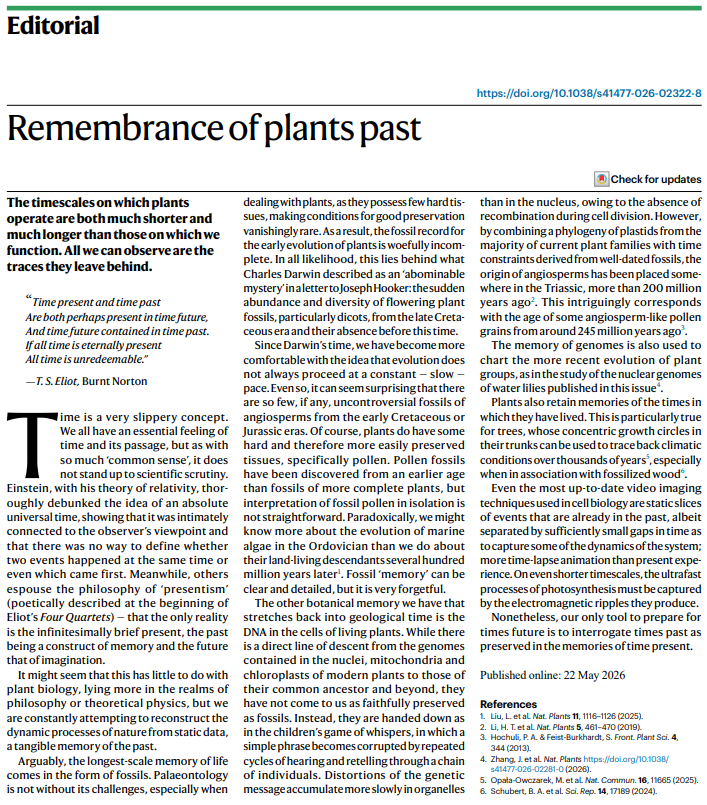
New Editorial: "Remembrance of plants past" https://t.co/oXhXYTNEs5
The timescales on which plants operate are both much shorter and much longer than those on which we function. All we can observe are the traces they leave behind.
New Article: "Water lily complete genomes illuminate the innovations of water lilies and early angiosperms" https://t.co/DiVwVP4t3c
Gapless genomes for three water lily species: genetic keys to fertilization, floral colour and scent, and evolution of early flowering plants.
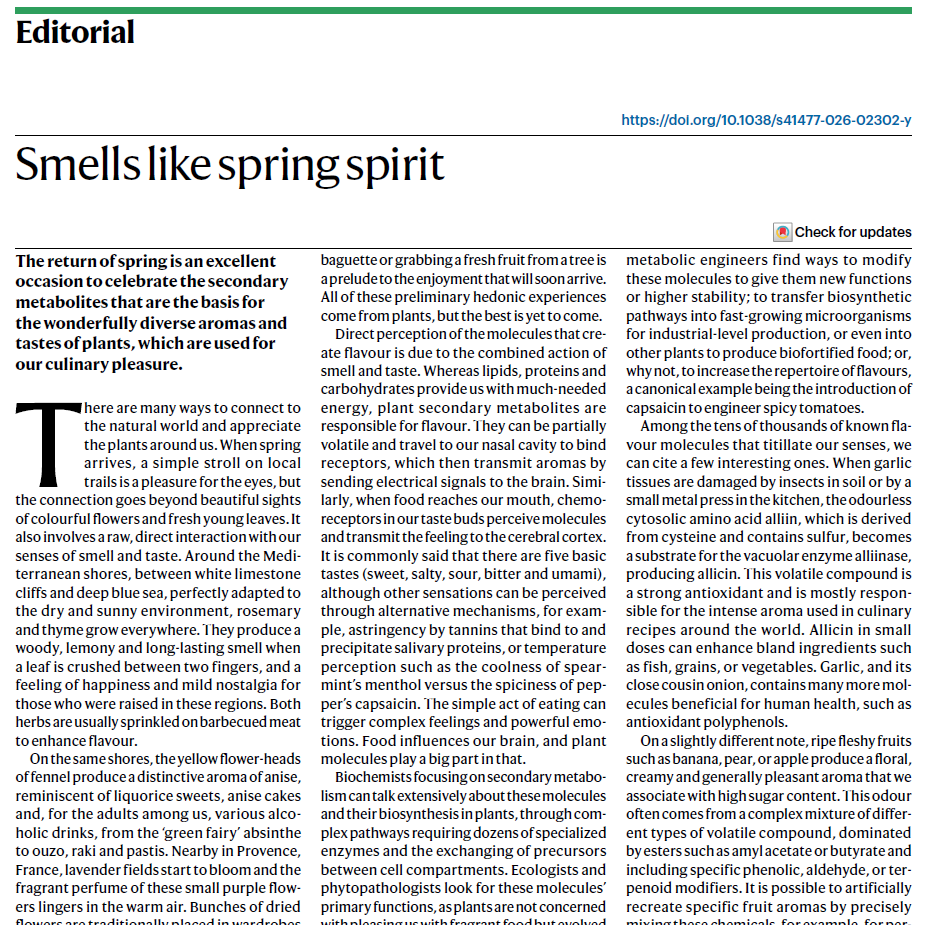
New Editorial: "Smells like spring spirit" https://t.co/GxYl2lblQv
The return of spring is an excellent occasion to celebrate the secondary metabolites that are the basis for the wonderfully diverse aromas and tastes of plants, which are used for our culinary pleasure.
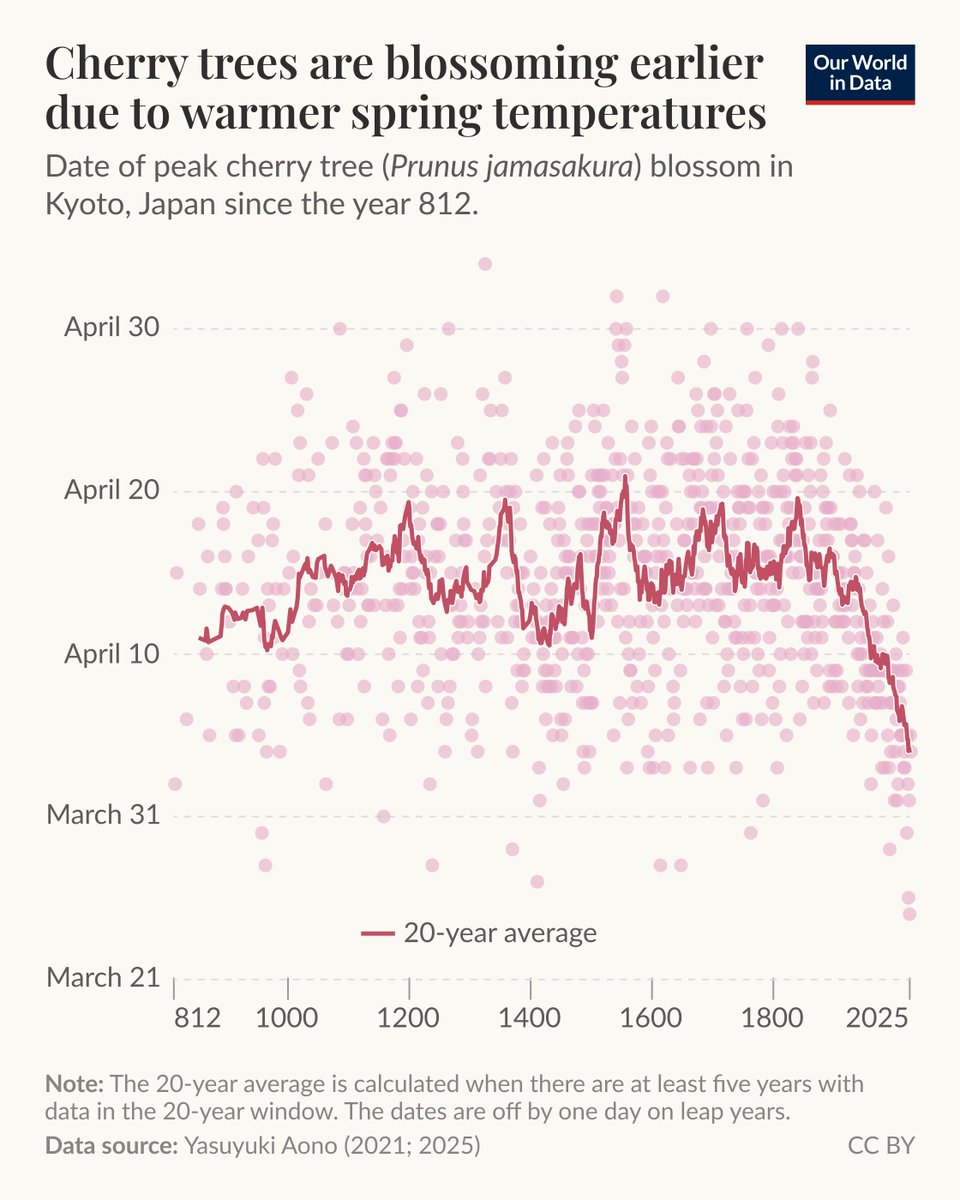
I'm a data scientist @OurWorldinData and I need help from a botanist or someone local to Kyoto, Japan! 🌸
We present one of the world’s longest climate records: 1,200 years of peak cherry blossom dates in Kyoto.
The researcher who maintained it, Professor Yasuyuki Aono, sadly passed away last year.
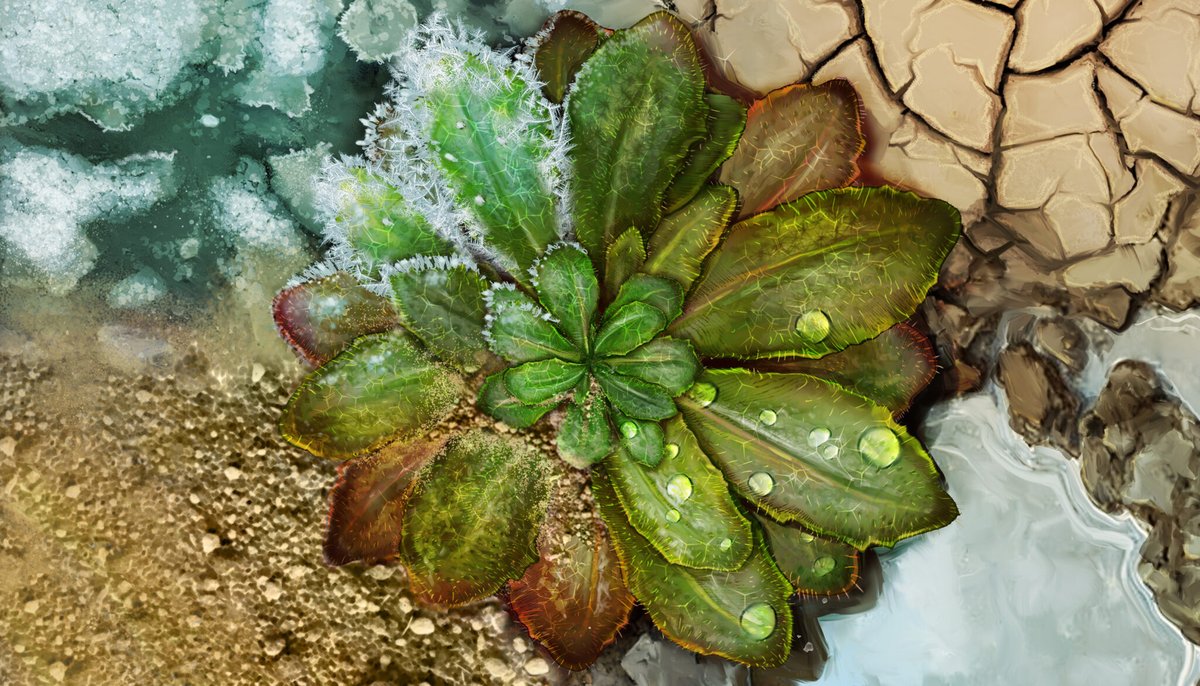
Our new experimental evolution study across 30+ locations using the plant Arabidopsis thaliana —— we direct "see" adaptation and extinction to different climates at the genetic as it happens!
Read it in Science
https://t.co/dac5M0n6jj
@UCBerkeley@hhmi_science
New research provides insight into succulent development and could be applied in agricultural contexts to engineer water conservation strategies.
Learn more in this week’s issue of Science Advances: https://t.co/GxOOCywvZr
The smallest bacterial genome, further blurring the bacteria-organelle boundary!
Convergent extreme reductive evolution in ancient planthopper symbioses
https://t.co/GERbt5OUeR
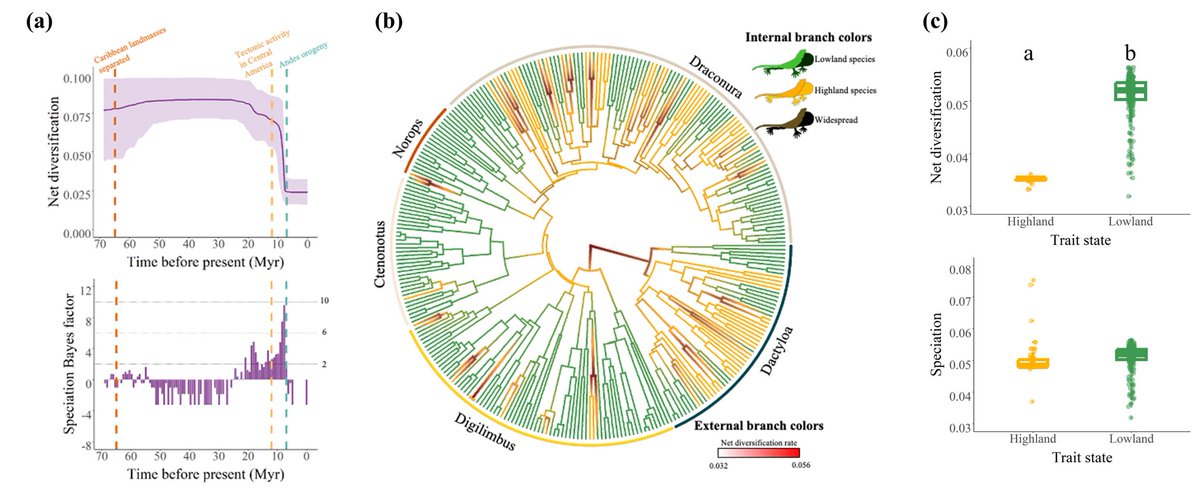
I’m happy to share that the third chapter of my doctoral dissertation has been published in Global Ecology and Biogeography: Diversification and Evolutionary Dynamics in Tropical Montane Regions
Huge thanks to my co-authors for their support!
https://t.co/3QUwvJWC3V
Hiding in plain sight! 2.3M conserved non-coding sequences traced back 300M years across 284 plant species
Ground-breaking study in First Release @ScienceMagazine from labs of Madelaine Bartlett, Idane Efroni & Zach Lippman
▶️ https://t.co/7Ukf22WwrC
▶️ https://t.co/OiFhHoDd4Q
Petunia hybrida has been bred into an incredible diversity of colors and patterns.
Most arise from mutations in the anthocyanin pathway or post-transcriptional gene silencing that turns pigment genes on and off 🧬🎨
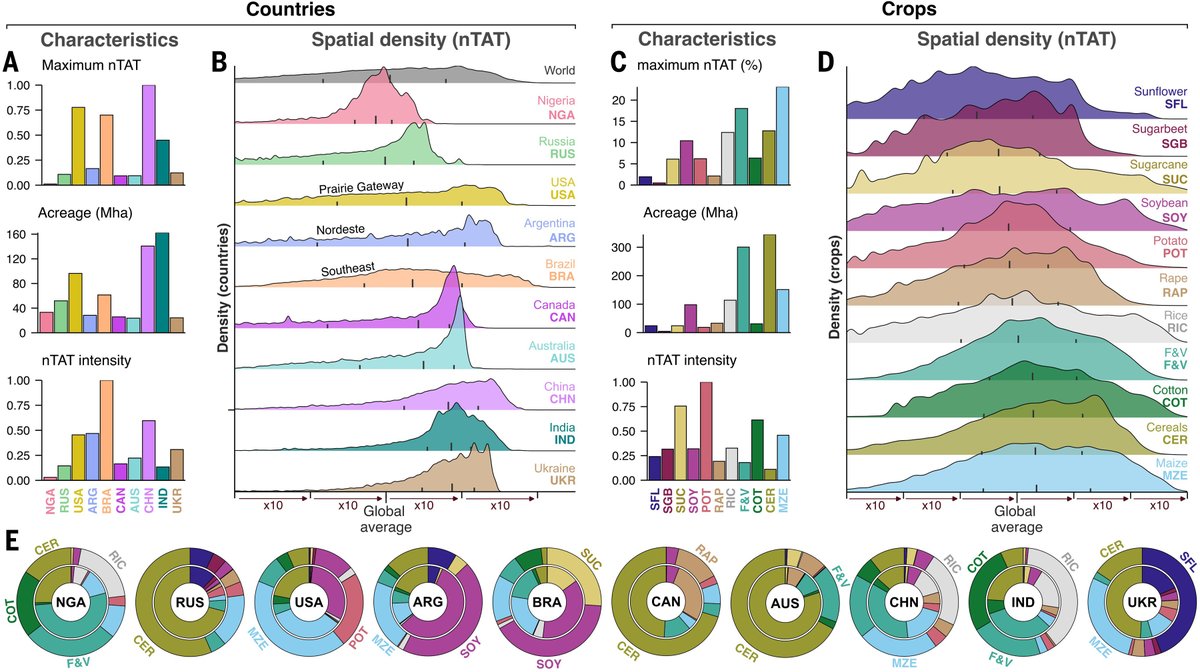
Around the world, the total toxicity and ecological harm from agricultural pesticides are rising, despite recent United Nations commitments to halve pesticide use and risks by 2030, according to a new study in Science.
The findings establish a global, toxicity-weighted baseline for pesticide use and identify a subset of pesticides, crops, and countries driving the most biodiversity impacts. https://t.co/5EcRYBNlIV
The first-place-winning video in Nikon’s Small World in Motion Competition 2025 documents the self-pollination of a thymeleaf speedwell flower. Filming at 5X magnification, winner Jay McClellan used a custom-built motion-control system to capture the flower. https://t.co/juZI2Y0qtK
A 2015 @ScienceAdvances study found that #Christmas trees once had a second set of genes—a feature that allows one copy to change what it does without affecting the organism’s survival. https://t.co/VrW9j1tTlE
“the students and researchers of plant science are primarily motivated by curiosity and enthusiasm for plants. We argue that this inherent fascination with plants needs to be a centerpiece of communication and outreach strategies to lead plant science to a fruitful future”
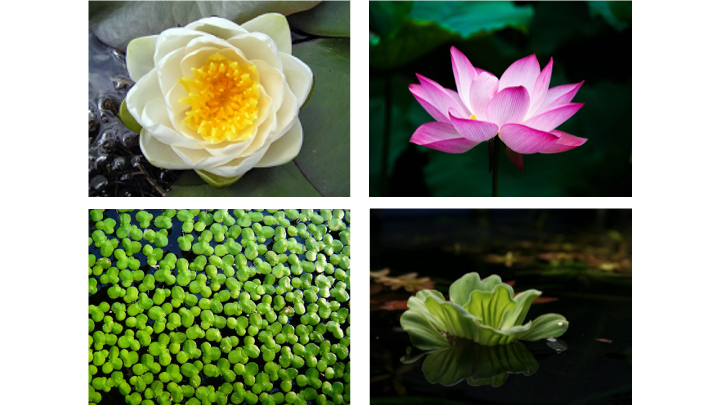
🌱 Dispatch for @CurrentBiology - Plant evolution: Making a splash!
Discover how plants have evolved to life in water in surprising ways
🔗 https://t.co/DWurtLQHVa