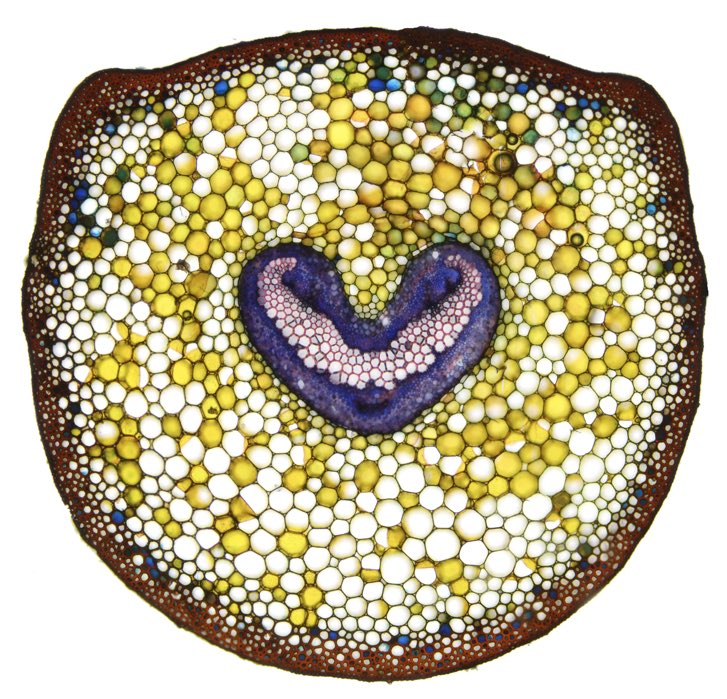
Why did the earliest plant vascular systems diversify so rapidly? We think they evolved to tolerate drought. We show why xylem connectivity was critical for preventing hydraulic failure. @BoudaLab@WasonLab@KyraPrats @HuggettLab @Medullosa 🧵👇
https://t.co/vHLTRqTZyY
This conversation article describes some recent work we did when Prof Craig Brodersen @brodersen_lab visited Tasmania and brought his bubble laser with him.
https://t.co/uJNtWTZCuL
New exciting paper from @brodersen_lab!
A new method for guard cell turgor determination leads to novel understanding of their evolution.
https://t.co/5MqOeF4MNJ
We're looking for a plant ecophysiologist working in natural systems with an eye towards global change. Tenure track hire @WakeForest in @wfubiology. Fantastic place to live and work--join us!
Details here, app review rolling:
https://t.co/UfF65u9Vj5
@ForestPlots
Really excited to share: our research on the hidden world inside living trees now available as a preprint! 🌳🔬🦠🧬Did you know trees, like humans, have their own microbiomes? We explore the unique bacteria, fungi, and archaea living inside trees. 🧵👇 https://t.co/hx64tyx10x
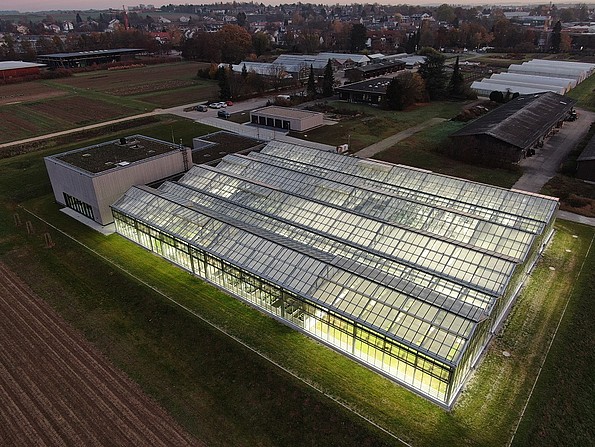
The new Plant Ecophysiology department @UniHohenheim has opened a 3-yr postdoc in plant hydrodynamics.
If you want to test new theory on plant hydraulic function and failure, come here to exchange ideas & stay for the great facilities.
Full description:
https://t.co/X86JcoTQao
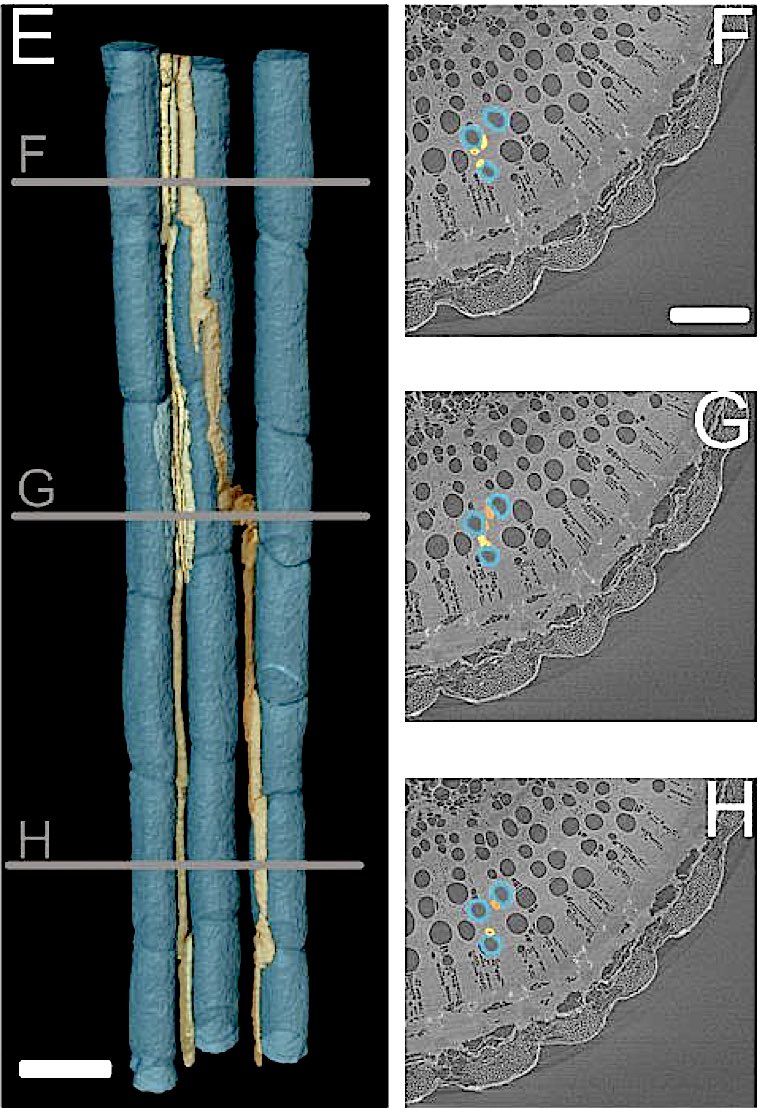
New paper out on 3D xylem networks by Ana Fanton, and @BoudaLab! Xylem-dwelling pathogen unaffected by local xylem vessel network properties in grapevines (Vitis spp.) https://t.co/9ggNXCCr3s
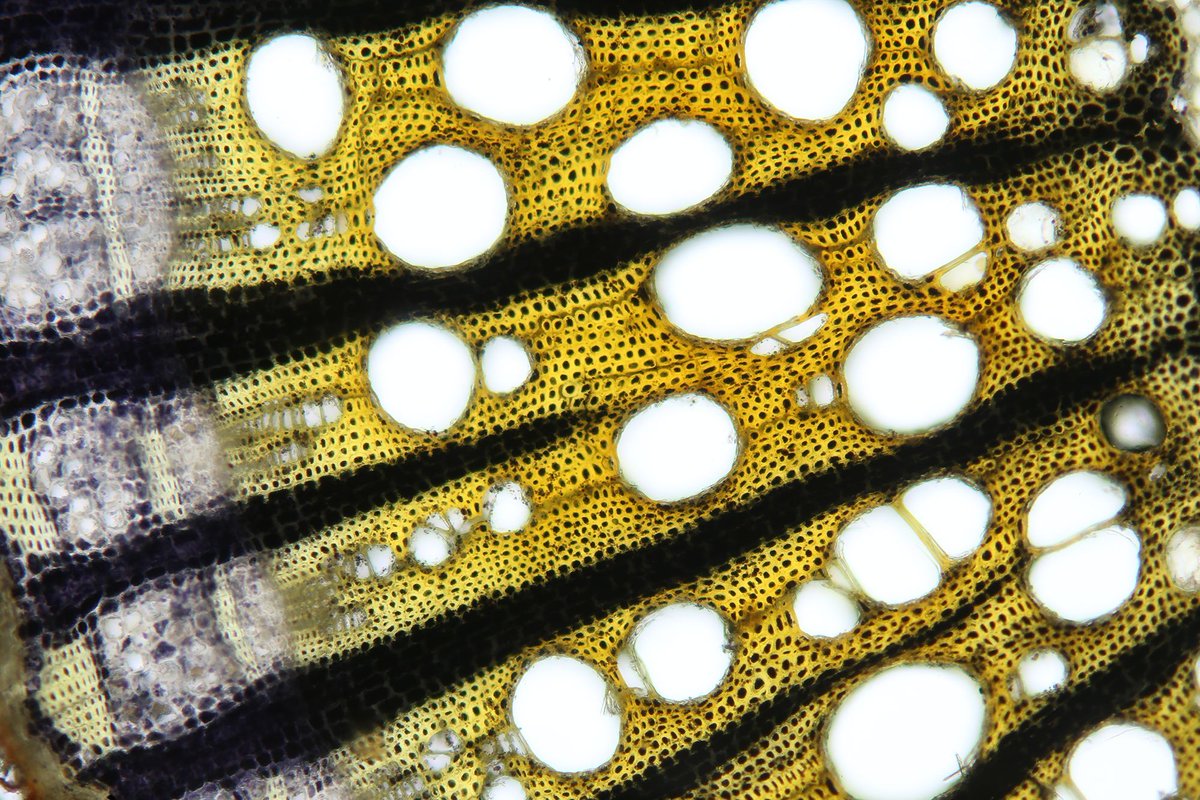
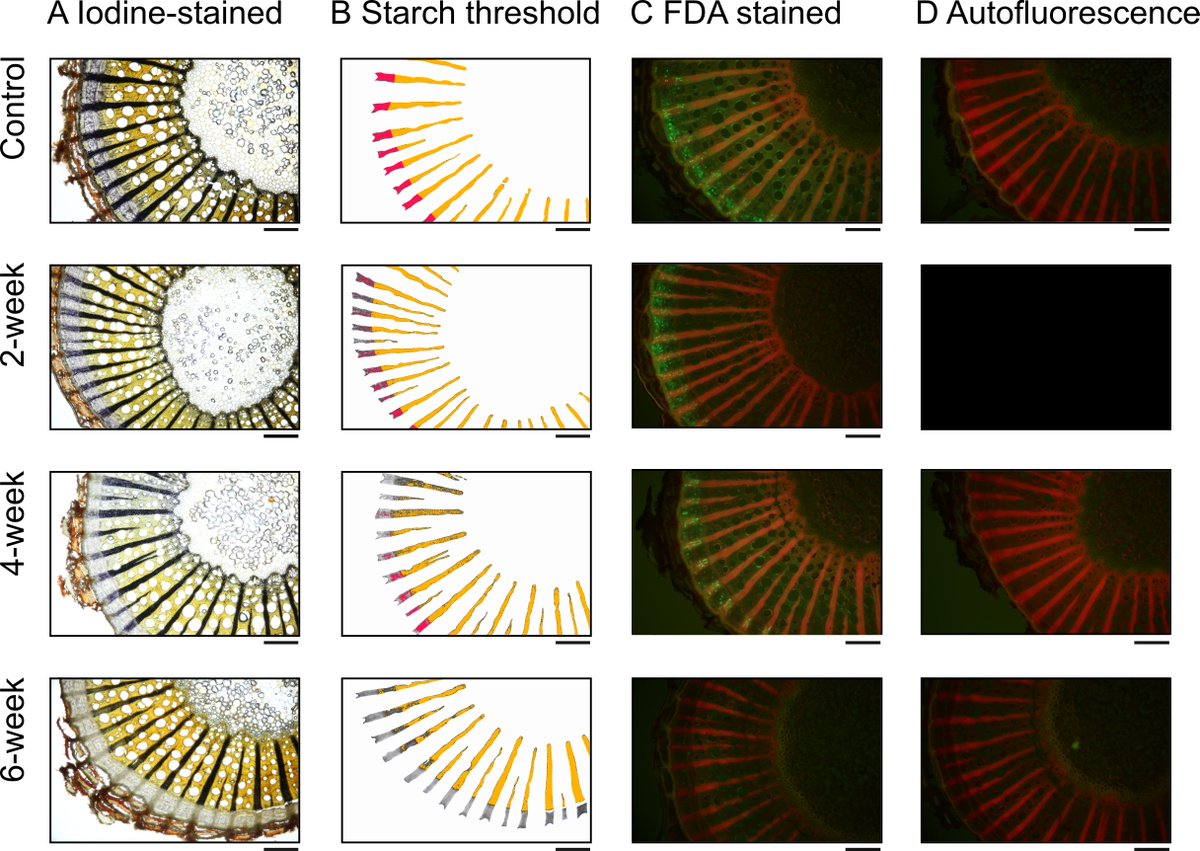
💧🌿 New article in @AoB_PLANTS on spatial and temporal dynamics of starch consumption and cell viability within Vitis riparia stems, as a strategy to cope with prolonged drought. By @KyraPrats Ana Fanton @brodersen_lab @morganfurze
Full #openaccess
👉 https://t.co/XIS2EXRbb0
@PaulineGrierso1 @HarvardForest Please use them for teaching/outreach! And, if your favorite species isn’t online, we might have already scanned it and can make the data available.
Come join our lab at the Yale School of the Environment. We’re hiring a new postdoc to collaborate with engineers and developmental biologists to understand the tradeoffs and constraints in optimizing photosynthesis and leaf biomechanics: https://t.co/kd6ObFDpuK
The tension is gripping, and Prof Tim Brodribb FAA loves it. He studies the tug-of-war between forces as plants draw water up from the soil. His team use cameras mounted on leaves to observe the process in realtime. It's as thrilling as it is vital. @UTAS_
Many congratulations to our Associate Editor Tim Brodribb @Brodribb_Lab@UTAS_ on his election to the Fellows of the Australian Academy of Science @Science_Academy!
Watch the brilliant video all about Tim's vital research below 👇
Join @YaleEnvironment as a postdoc to study the causes & consequences of forest degradation in Amazonia.
Let’s work on solutions & tools to prevent future degradation.
Let’s understand how agri intensification is changing the tropics.
@YaleBiosphere
https://t.co/2hxxxecqtT
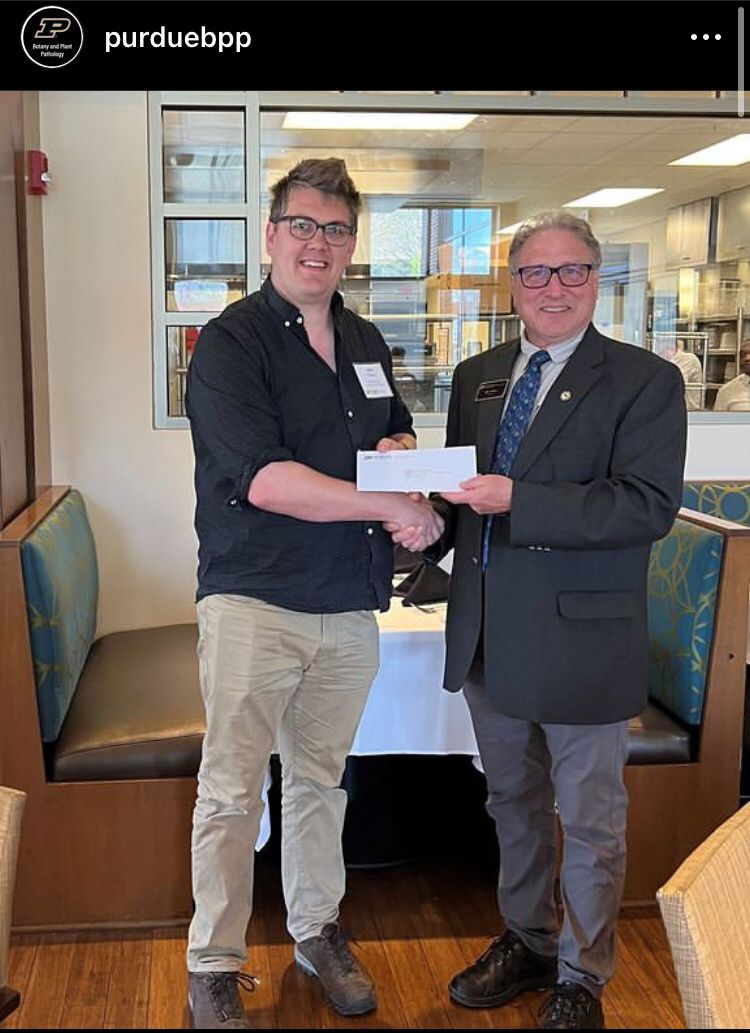
Officially promoted to Associate Professor today, wow time has gone by so fast! I would not be here without the inspiration and help of everyone that shared a joy for discovering the evolution of plant water relations. Can't wait to keep botanizing @PurdueBPP@PurdueAg
Join our team @YaleEnvironment. The Research Associate position is to support our team with data wrangling, organization, visualization, analyses, and more.
Not required, but lots of opportunities to visit the Amazon.
https://t.co/OE0K68hSH3
3 PhD positions at Ulm University (Germany) in plant ecophysiology, functional anatomy, and fluid transport in plants; for details and applications (by 01.02.2023), please contact [email protected]
#postdocposition I am looking for two postdocs to join the SPIRES Lab at the Yale School of the Environment. More information here: https://t.co/x6TREpD0Ae
Please RT, more information below: