made it to https://t.co/EvVLht2eSX! you can just build things and be in the company of all these sick projects, so cool! shout out to @fedesarquis + @OpenAIDevs
@fildotai Completísimo, el doing es lo más divertido pero es un buen recordatorio de que es condición necesaria pero no suficiente. Hoy justo he empezado a trastear con esto y me parece un buen recurso beginner-friendly también
Have you built a language model? You should. It's so much fun to chat with something you made.
Anyone can do it, too. I made an app that teaches the fundamentals and gives you everything you need to build your own: https://t.co/nLjFfpczbV
made it to https://t.co/EvVLht2eSX! you can just build things and be in the company of all these sick projects, so cool! shout out to @fedesarquis + @OpenAIDevs
Weekend project: interactive workout coach with Codex Voice.
Built a CLI for a velocity sensor that attaches to the weight I'm lifting. It measures the speed of each rep, and Codex reads results aloud and records them as they happen. It then adjusts the weight, rest or number of the next sets. No manually logging each set in an app, just talk to Codex to guide you through your workout. @OpenAIDevs
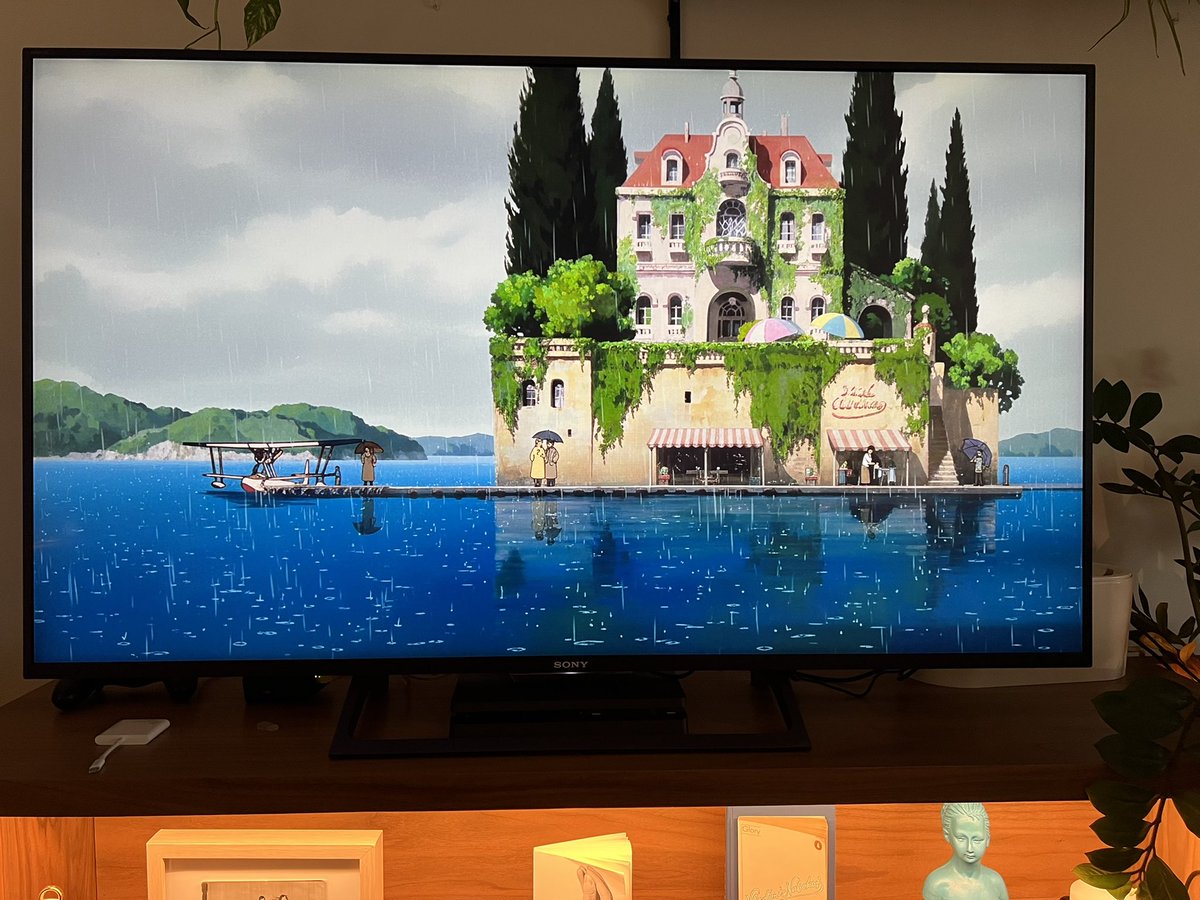
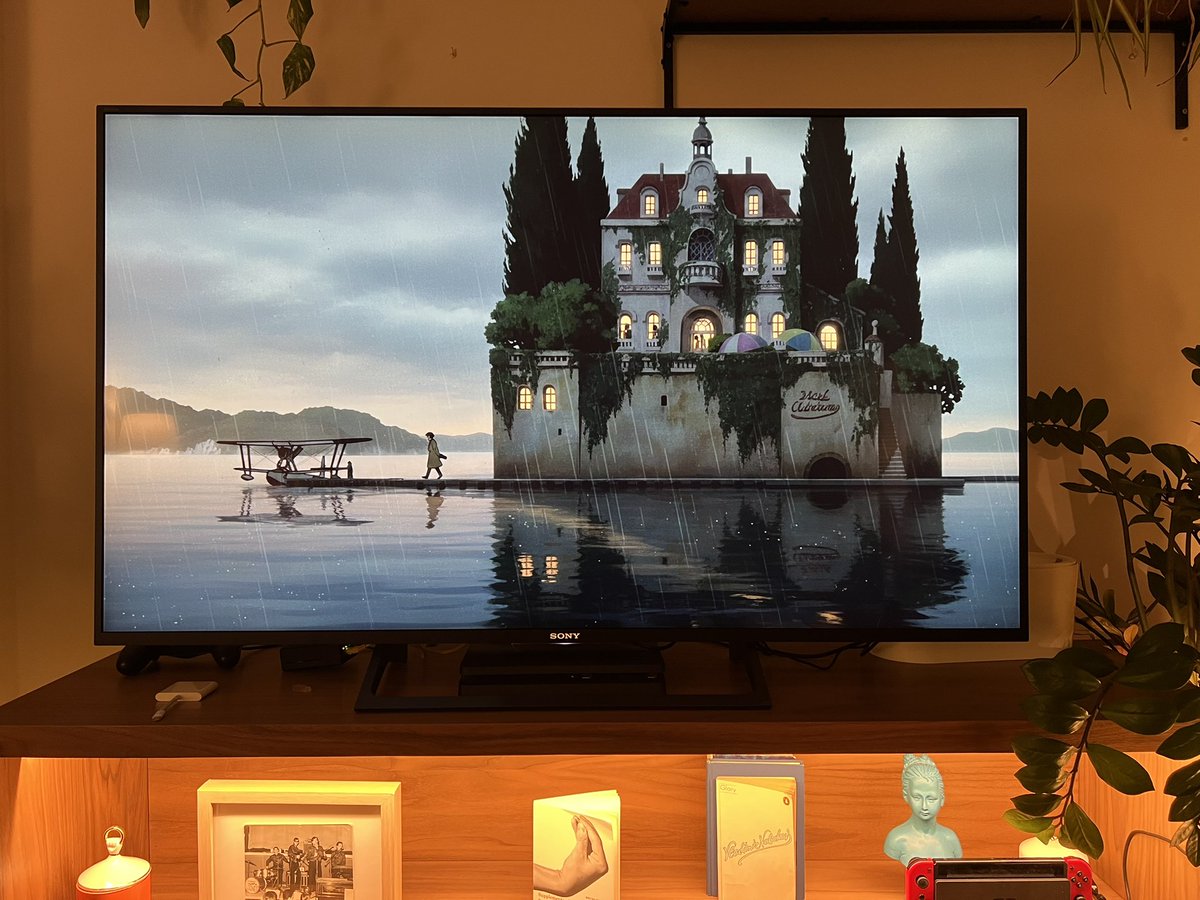
Made a few updates to the living art TV display:
Now it tells a story throughout the day, instead of one-off random generic scenes. More slice of life type thing, digging it so far. Codex gets the original image + weather forecast and writes a story split into hours. Making these interesting was harder than expected. Solution ended up being that the process had to be split to plan distinct situations first, and then connect them into a story. The other trick was giving the system prompt both the original image (keeps art style consistent) and the previous scene (keeps characters and story consistent).
Changed it to run as a native Android TV screensaver, no more Raspberry Pi needed to display it. So I've got an idle Pi, looking to do something cool with it 👀 @OpenAIDevs
Also switched image model to GPT 2.5 Sunburst, has better taste keeping the artwork style, and upgraded to 2K resolution at a great price, best bang for the buck rn.
@idir_ouhab Nunca he usado GPT Work porque pensaba que si usas Codex ya, Work no tiene ninguna ventaja. Y no es que mi uso principal sea programar, lo uso para todo. Así que supongo que fusión?
Made a few updates to the living art TV display:
Now it tells a story throughout the day, instead of one-off random generic scenes. More slice of life type thing, digging it so far. Codex gets the original image + weather forecast and writes a story split into hours. Making these interesting was harder than expected. Solution ended up being that the process had to be split to plan distinct situations first, and then connect them into a story. The other trick was giving the system prompt both the original image (keeps art style consistent) and the previous scene (keeps characters and story consistent).
Changed it to run as a native Android TV screensaver, no more Raspberry Pi needed to display it. So I've got an idle Pi, looking to do something cool with it 👀 @OpenAIDevs
Also switched image model to GPT 2.5 Sunburst, has better taste keeping the artwork style, and upgraded to 2K resolution at a great price, best bang for the buck rn.
Living art on the TV via Raspberry Pi. Every time I walk past the room and see there’s something new I get the right-brained dopamine hits I crave, thanks nano banana
How to build it:
1) Buy and connect the velocity sensor (ADR Encoder): Codex built a CLI so the sensor can send measurements to my Mac over Bluetooth.
2) Rep speed is instantly read aloud: For the lowest latency possible, Made local audio pre-recordings my MacBook as each rep is done.
3) Skill for live, interactive coaching: Use Voice mode to talk to your coach during the workout. My skill gives it the necessary training knowledge, workout records and sensor instructions to coach me. No pain in the ass logging, results are saved as they happen and the next day is programmed automatically.
@idir_ouhab Muy útil, me ha hecho pensar: yo delego de un thread a otros threads, en vez de a subagentes dentro de un mismo thread. Son 2 formas de hacer lo mismo, o alguna ventaja de un método u otro según la situación?
What is effort really? When do you change it it and why not just use max effort for everything?
I dove deep into this problem, looking into evals and doing my own tests and I was quite surprised by the results. https://t.co/KO2D51j34H
@zkevinbai@claudeai Enjoyed the writeup. Are you seeing non-technical people that get really good at Cowork/Code inside companies having new AI-specific roles? That happened to me by building for the middle layer you mention, I have a hunch it might become a thing.
https://t.co/qUdF94wjRt
Unfortunately people will always be this dumb *sigh*
Le Figaro, 16 January 1859: An article reporting on photography said “Art has absolutely nothing to do with this imagery.” It mocked photographers as failed painters.
Le Figaro, 3 April 1876: Described an Impressionist exhibition as something “said to be painting” by “so-called artists”), and concluded that they had elevated “the negation of everything that was art” into a principle.
That’s the load-bearing insight. The quiet part is: this isn’t a bug, it’s a feature.
Zoom out. The takeaway? It just works. Seamlessly. Effortlessly. No notes. Rest is noise.
And honestly? That’s the whole ballgame. Let that sink in.
It’s not X—it’s Y.