Can a fasting mimicking diet lower biological age?
1/4) A diet made people 2.5 years biologically younger.
It took 15 days of eating. And there was no association between change in biological age and weight loss.
It's called the fasting mimicking diet. Here's how I'd do it.
Let’s discuss🧵
This review synthesizes current knowledge on circadian rhythmicity and exercise from observational and clinical studies conducted in humans with type 2 diabetes and obesity.
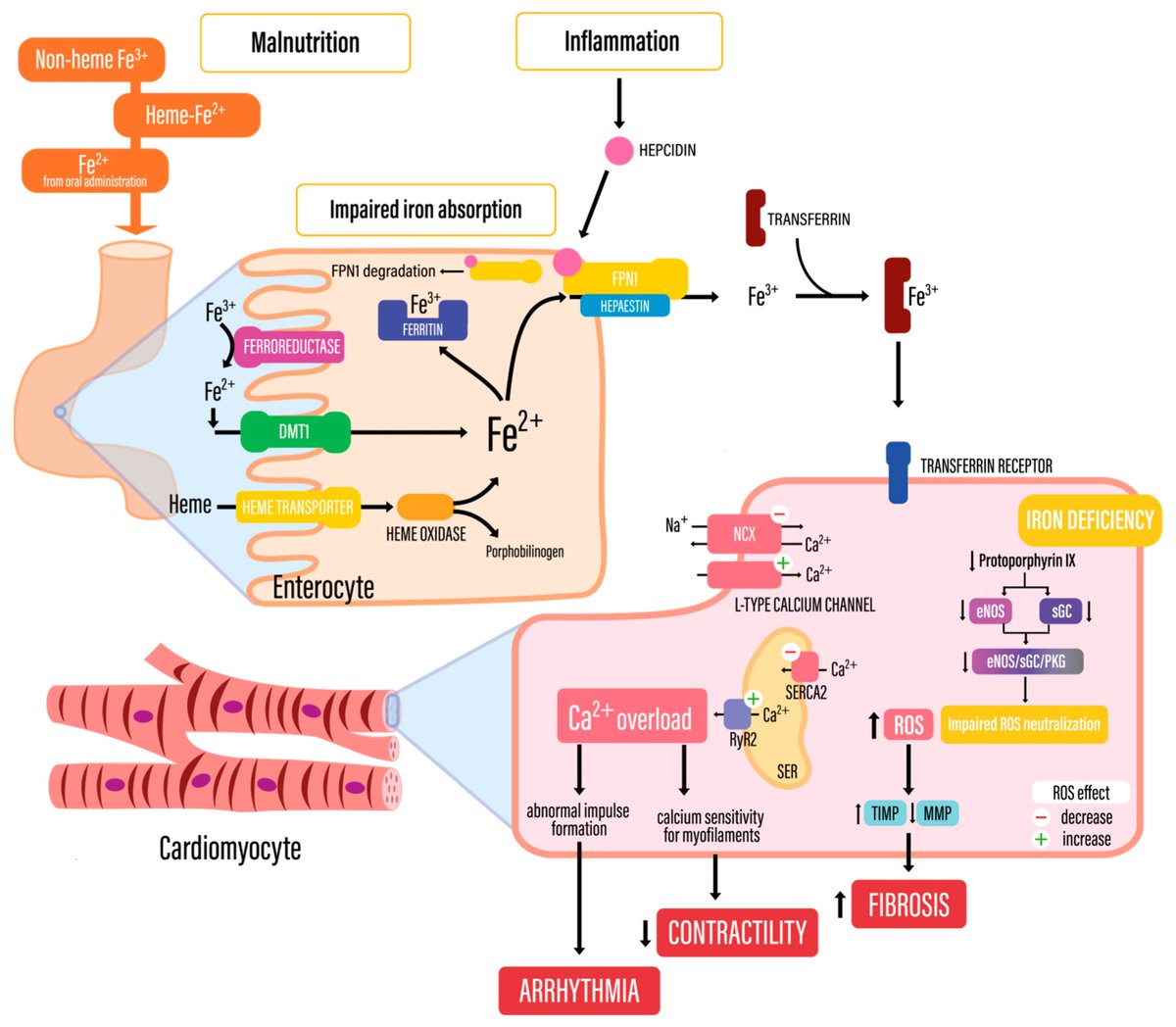
🫀Iron deficiency in acute coronary syndromes is linked to worse outcomes, lower exercise capacity, and more hospital readmissions. Emerging evidence suggests supplementation may also be associated with reduced myocardial scarring.💉 #AcuteCoronarySyndrome
https://t.co/qcO16taBxG
🍽️ How might ultra-processed foods relate to IBD?
A Nutrients review examines emerging links with gut microbiota and intestinal barrier function.
Amanda Luísa Spiller et al.
🔗 https://t.co/TxSYQHB0Tf
#IBD#Nutrients
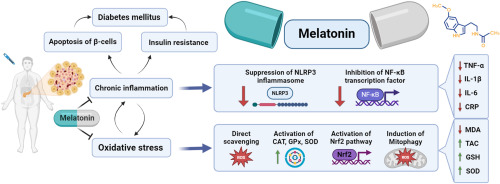
Melatonin beyond sleep
Melatonin at larger doses (10 mg/day) has been seen to lower inflammatory markers, like CRP and TNF-alpha, in clinical trials.
Doses of 10 mg/day have also been seen to improve cardiometabolic risk factors like blood pressure, cholesterol, and blood sugar.
Meta-analyses on the topic:
Inflammation: https://t.co/62N9M9wUje
https://t.co/oBs9D7PGUY
Cardiometabolic risk factors: https://t.co/cF2WaFp0cr
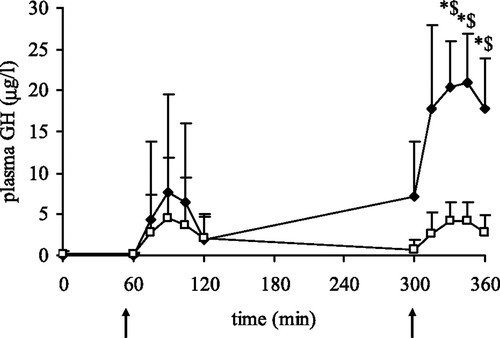
SPRINTING boosts human growth hormone anywhere between 500% and 750%
20-30 second sprint, rest 90 seconds and repeat this 8 times.
Sprinting can be as a effective as injecting human growth hormone.
Look at most Olympic sprinters they are jacked.
What your visceral fat says about your body composition and metabolic health:
50–100 g → Exceptionally low
Very lean and low body fat overall. Peak metabolic health. Top 1-3% for men and women aged 20-30.
101–200 g → Very low
A lean profile. Great metabolic health and insulin sensitivity. Top 10% for men around 30 and women around 50.
201–300 g → Low
Still lean and insulin sensitive. Top 10% for men around 40, average for women aged 18-29.
301–400 g → Low to moderate
Still below the 425g average for men aged 18-29. For a woman in her 20s, higher than average.
401–500 g → Moderate
Average amount of visceral fat for men. At age 50, top 10% for men, but highest 10% for women. Can still have normal metabolic health and insulin sensitivity.
501–700 g → Increasing accumulation
Suboptimal insulin sensitivity and metabolic health. For men in their 60s, top 10%. For women, middle of her age group.
701–1,000 g → Poor metabolic health territory
Early signs of insulin resistance and poor glucose control. More common in people over 70. In young people, this occurs mostly in people with obesity.
>1,000 g → High visceral fat burden
This corresponds to obesity, insulin resistance, and metabolic syndrome. More common in older than younger people.
Men tend to carry more visceral fat than women, and visceral fat generally increases with age in both sexes.
Want to know what your health %-ile is? Take the quick assessment to get your score and find your biggest bottlenecks: https://t.co/6BrWir8FqN
Data based on DEXA scan results from over 10,000 people (PMID: 32123345).
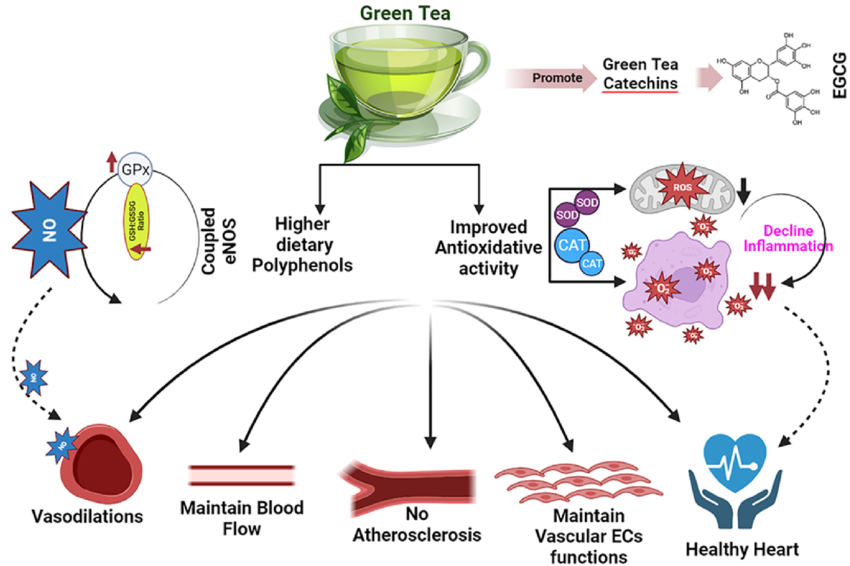
Green tea is one of the healthiest beverages in the world
- improves cardiovascular disease risk factors
- improves heart health
- improves metabolic health markers
- targets all hallmarks of aging
- reduces visceral fat
- is associated with lower mortality
Full thread on green tea benefits⬇️⬇️
Graph from: DOI:10.20944/preprints202309.0582.v1
People who drank more coffee had less body fat, less visceral fat, and more lean mass than less-frequent or non-drinkers.
The biggest benefit was seen at 5 or more cups per day.
And for men, every extra cup per day was associated with a ~10 ng/dL higher total testosterone. Higher coffee intake was also associated with better glucose and insulin regulation in men.
This was an observational study, but mechanistic and experimental evidence actually supports coffee's benefits on metabolic and hormonal health. I'm willing to believe there's a real link here rather than draw a conclusion such as "coffee drinkers live healthier lives in general."