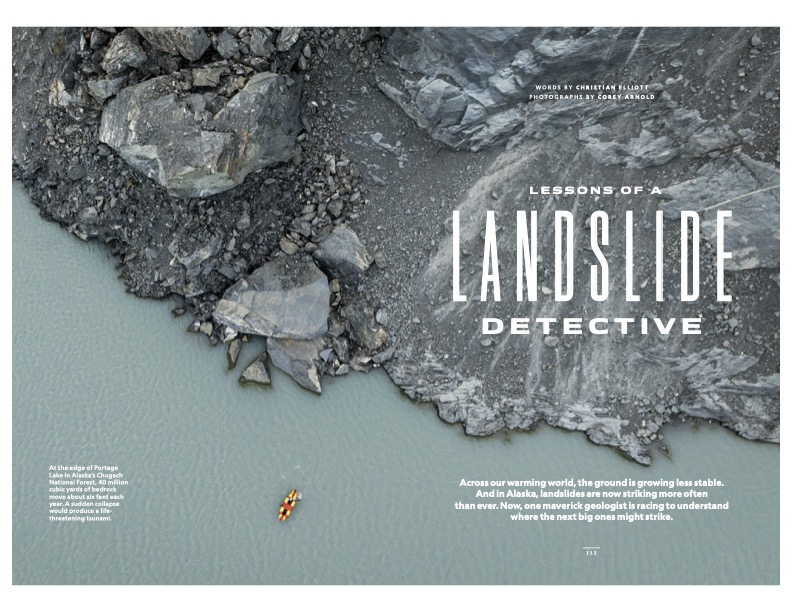
Scientists around the world are taking note, and are studying these landslides alongside Hig to better understand changes that might take places in the Alps, Himalayas, or other cold ranges around the world.
@NASA@NASAArtemis 9:25 am ET - NASA astronauts Reid Wiseman, Victor Glover, and Christina Koch, along with CSA (Canadian Space Agency) astronaut Jeremy Hansen just woke up and the launch team is conducting a countdown status check.
Asked @marincogan to find out what Artemis II means to the @NASA staffers who grew up watching Apollo.
Love this piece. We're on this heartfelt intergenerational journey. There's no end to where it may lead https://t.co/CMSZBOAxGE
Here’s what the lunar surface could become if we’re lucky. And what it might turn into if we’re not. Thinking about this @natgeo cover story by @cfishman
https://t.co/tBfRQC2Vlq
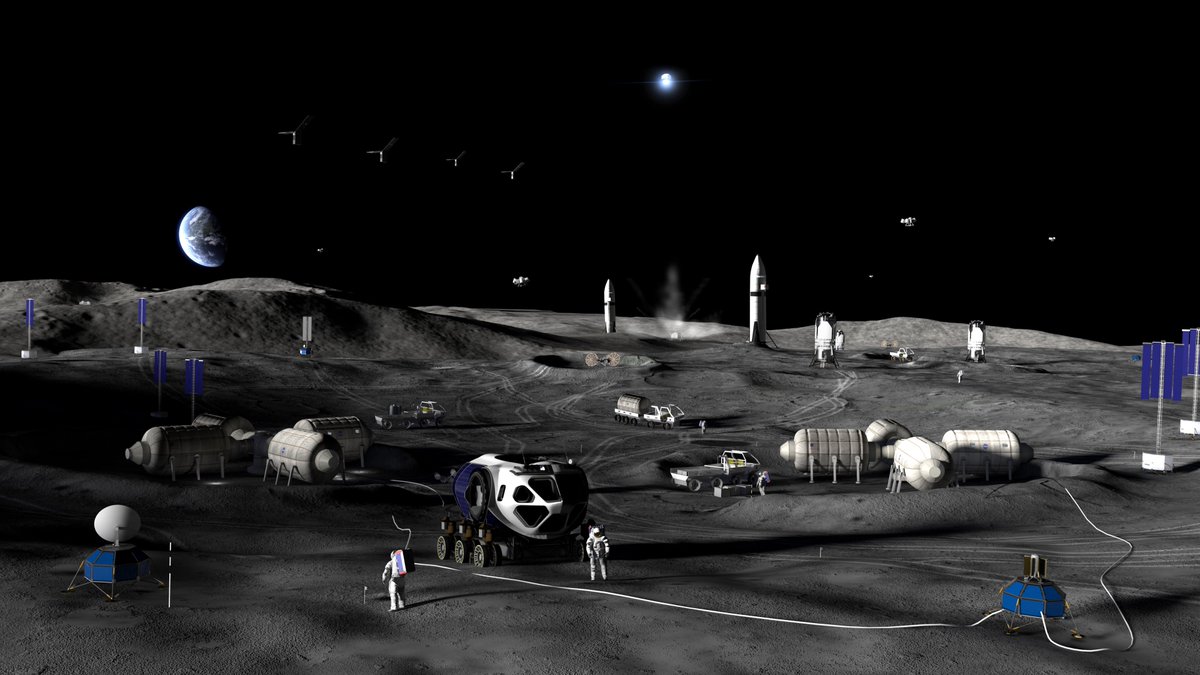
To build a sustained human presence on the Moon, we are building @NASAMoonBase, prioritizing surface operations and scalable infrastructure.
- Frequent robotic landings and mobility testing including MoonFall drones
- Starting in 2027 nearly monthly cadence of equipment and rovers with scientific payloads landing on the Moon.
- Investments in power, communications, and surface mobility
- Scalable infrastructure to support long-term human presence
The objective is clear: build the foundation for an enduring lunar base and take the next step toward Mars.
Scientists are a lot closer to a cure for type-1 diabetes than I think a lot of people realize. Human trials with engineered insulin-producing cells are already underway https://t.co/P3y35AHsyh
NASA personnel moved the Artemis II rocket to its launch pad this weekend—and it was no easy feat. It involved a complex choreography with some of the most massive machines on Earth. https://t.co/K6Y2ZIZldP