Reminder: Myers-Briggs personality types (e.g. 'INTJ' or 'ESPF') are outdated, unreliable, crude, silly, not-very-predictive pseudo-science, based on WWII-era Jungian psychoanalytic ideas.
The Big Five personality traits (discovered in the 1980s) are far superior in almost every way -- except they're not as intuitively compelling to our monkey-brains that prefer simplistic binary ways to categorize people (e.g. 'extravert' or 'introvert' -- when most people are in between).
@JulieS604@LaughingLegend0@Scentofawoman10 This happened to my Mom too. Really frustrating for her, and made worse by the lack of understanding even amongst some medical professionals. Sending you and her best wishes.
@heavenly_otter@GE9438677369693@Caribbrexiteer@JonathanPieNews I worked in the energy industry pre and post privatisation. I can second that. I initially bought into the theory of the benefits of the free market. The actual administrative and marketing costs were ridiculous.
@JaneWardenGray How awful.
I urge anyone in this situation, or a witness, to report to BTP immediately.
5 yrs ago a chap moved to sit by me & started masturbating. I told the station manager but not BTP until the next day. He went on to harass a young woman that night. 😢 He was jailed. Thx BTP.
Most transformation efforts fail. Major new research from @BainandCompany says only 12% of big change programmes produce lasting results. They identify six "good practices" for large scale change strategies that greatly increase the likelihood of success:
1) Treat transformation as a continuous process rather than a discrete programme.
2) Build it into the operating rhythm of the organisation
3) Explicitly manage energy for change - sequence changes to avoid widespread organisational fatigue
4) Use aspirations, not benchmarks, to set goals - top-down data driven mandates can crush transformational thinking
5) Adopt a “middle-out”, rather than "top down" approach
6) Allow sufficient funding (in the research, nearly every failed transformation wasn't funded properly)
https://t.co/bJnJ4jm4X7. Via @HarvardBiz
@LadyScorcher@AdamMGrant I agree Cheryl. The research article actually makes some practical suggestions about what employers can do to improve the number of female applicants. Blaming women is not the author's 'go to'.
@HelenBevan In my experience, a lot of people interpret this as 'any quantitative measure is, at best, useless'. Important to emphasise the need to think carefully about the measures, not just throw them out altogether.
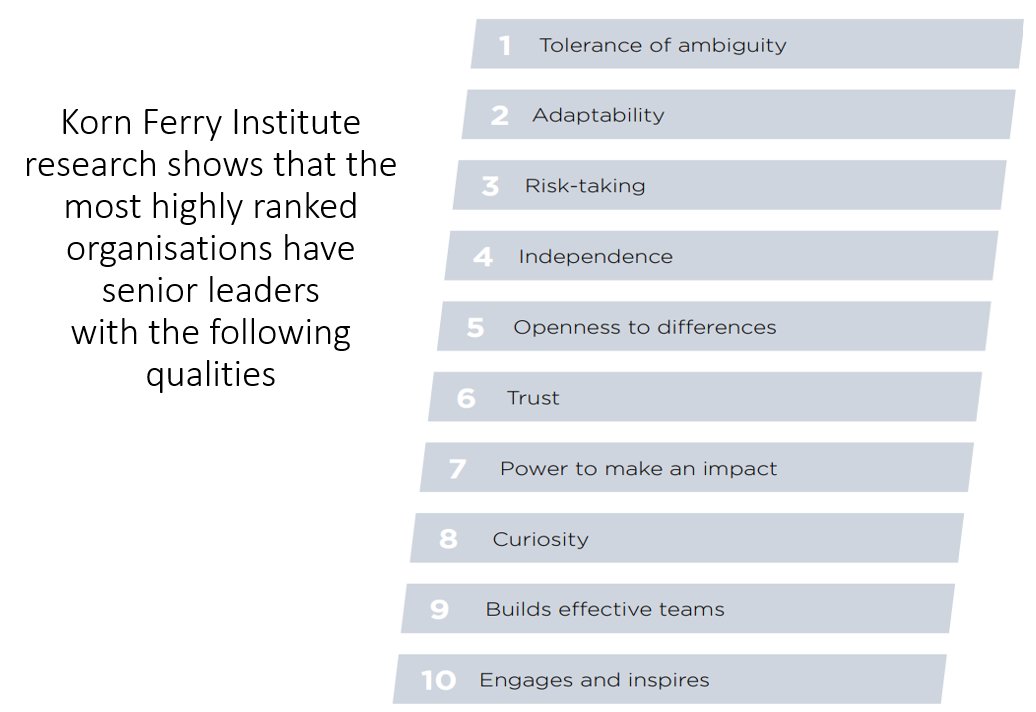
Research by @Korn_Ferry into the qualities of senior leaders into the future. They conclude that leaders will need to be more curious, humble, continuous learners and system/network players. The role leaders play will have both more & less control than ever: https://t.co/q9p5idQ7GK. Via @JodemeGoldhar
@fatwhitebloke That certainly requires careful thought, incorporating both proximal and distal measures. I believe the Ericsson work includes measures covering things like allyship, as well promotion etc.
@MerPolFORE Very sad news. I didn't know Karen well, but she was incredibly kind, generous and supportive. We spoke just a few times, but she really made a difference to me. Condolences to her family and friends.
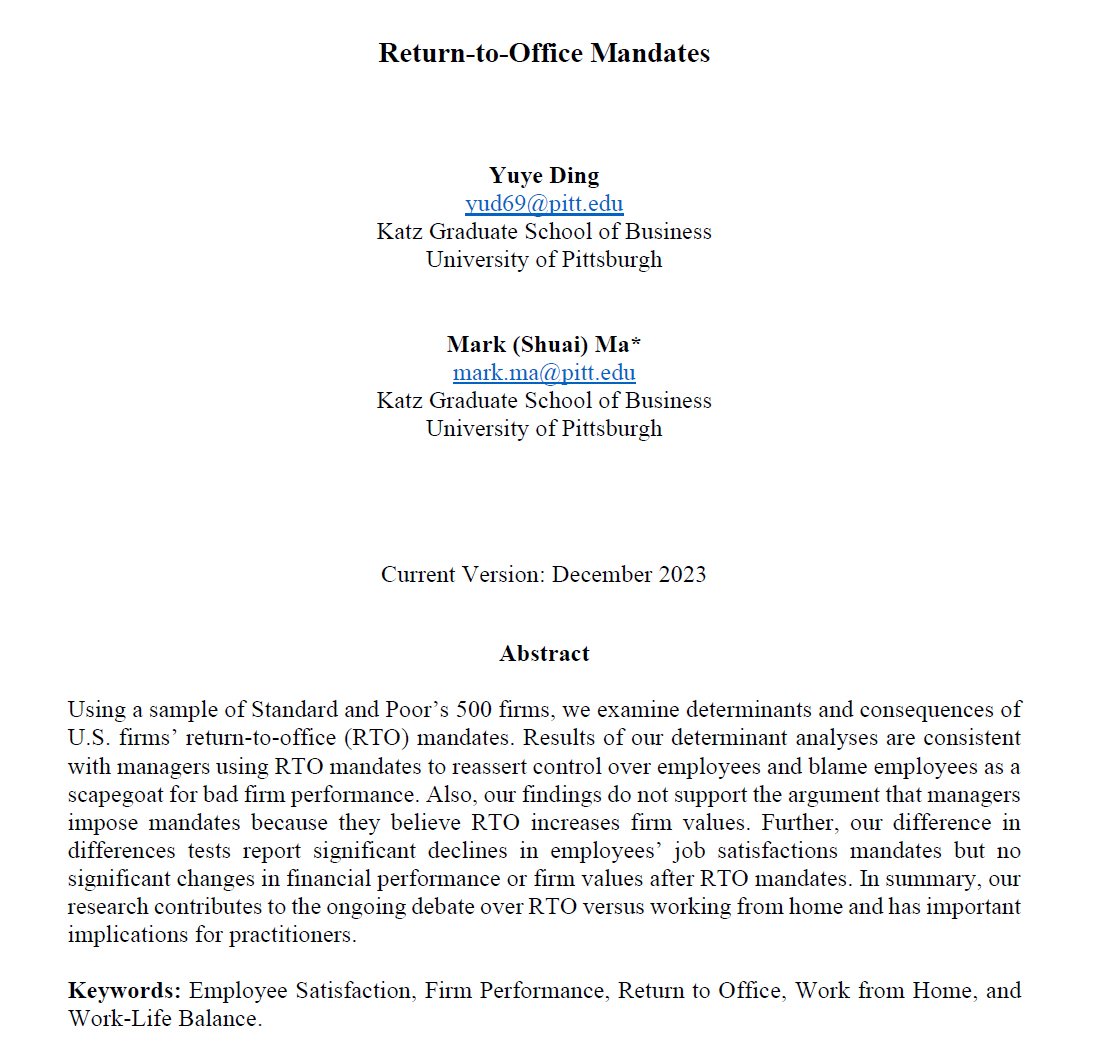
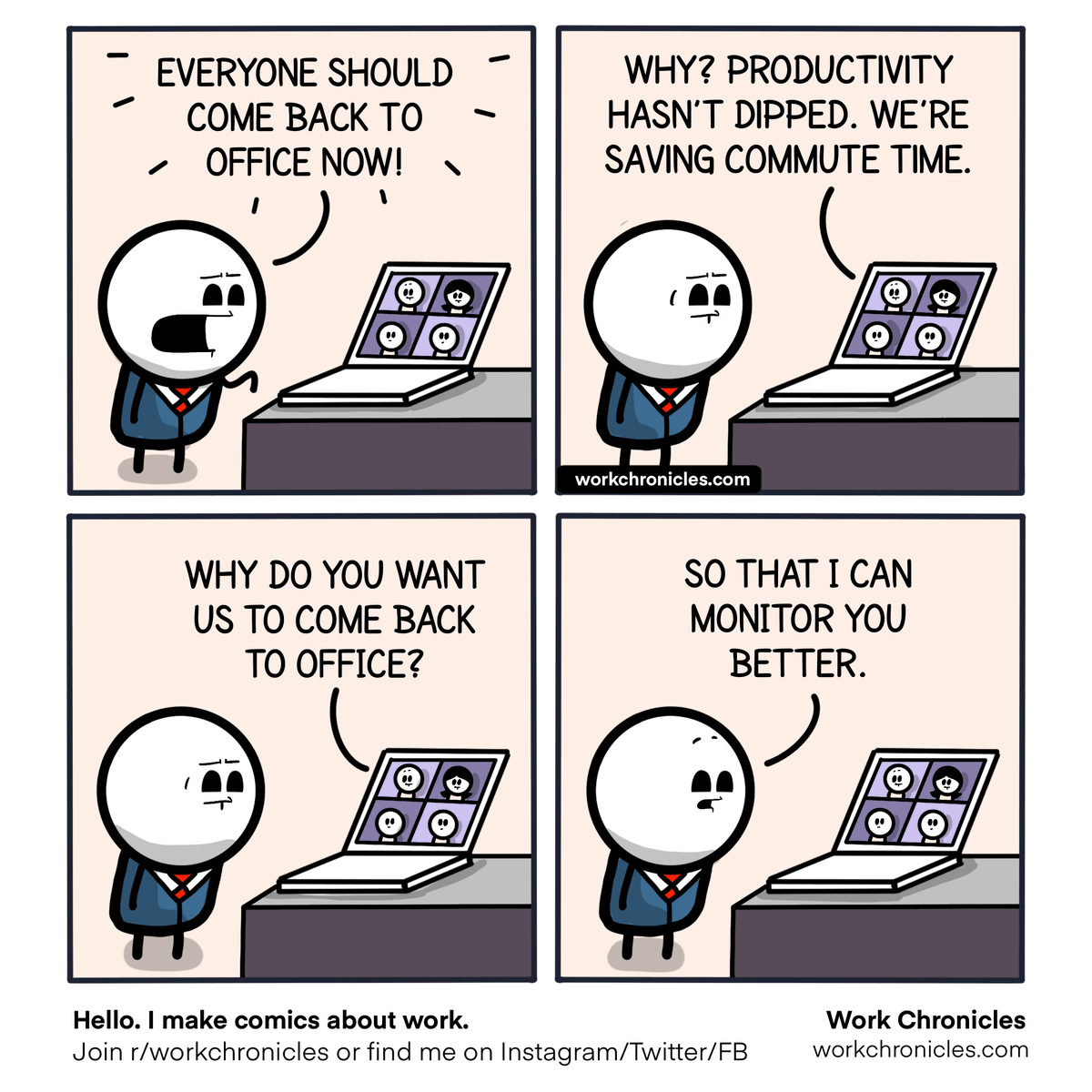
Return-to-office mandates might be a mistake.
4-year study of S&P500: when firms required people to come in, profits failed to climb—while job satisfaction & work-life balance fell.
If you want people onsite, don't treat them like toddlers. Make the trip worth their time.
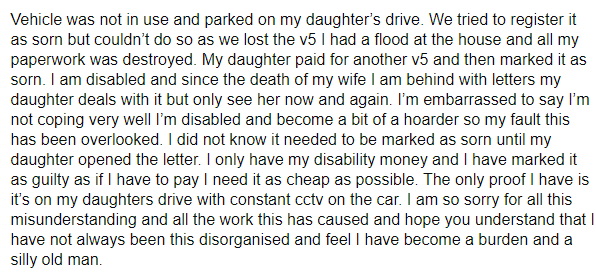
Disabled widower from Caerphilly, 78, prosecuted for not insuring a car he no longer uses.
He's not coping after his wife's death and his papers were destroyed in a flood
Convicted via Single Justice Procedure, court bill: £106
DVLA didn't read this letter.
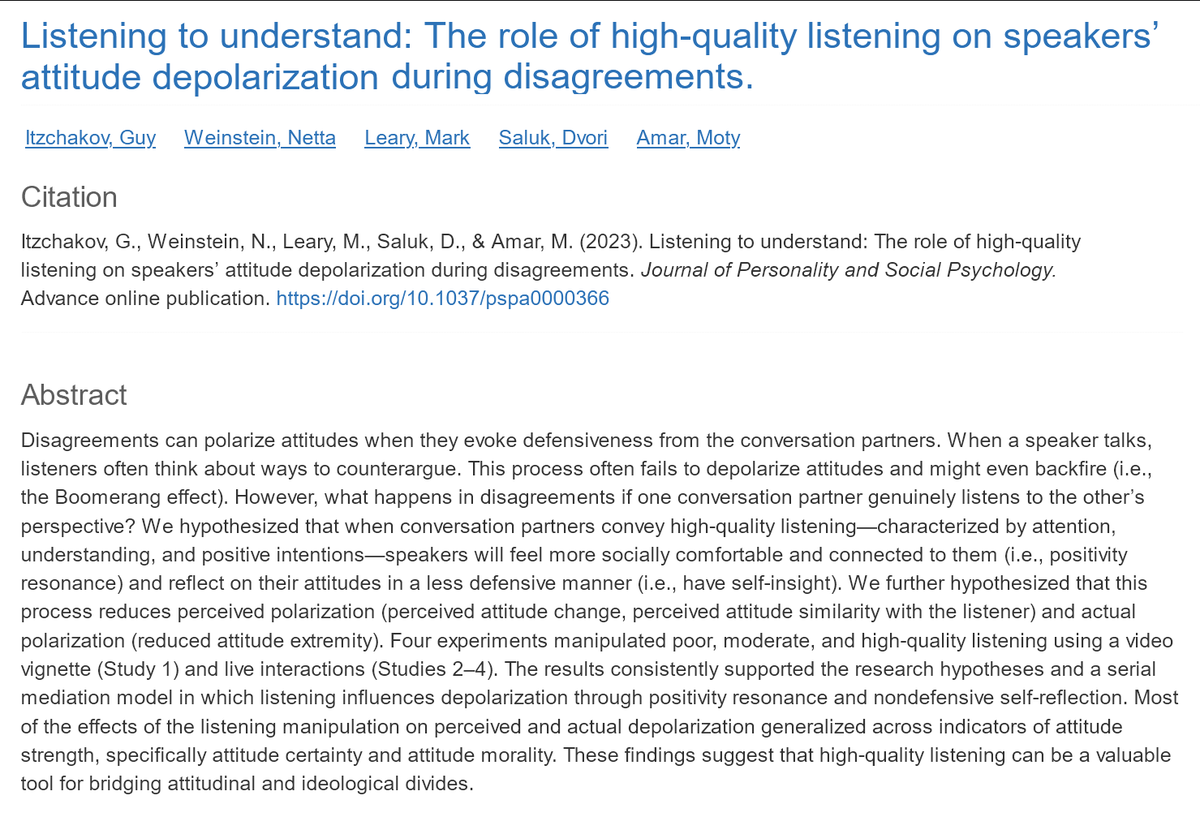
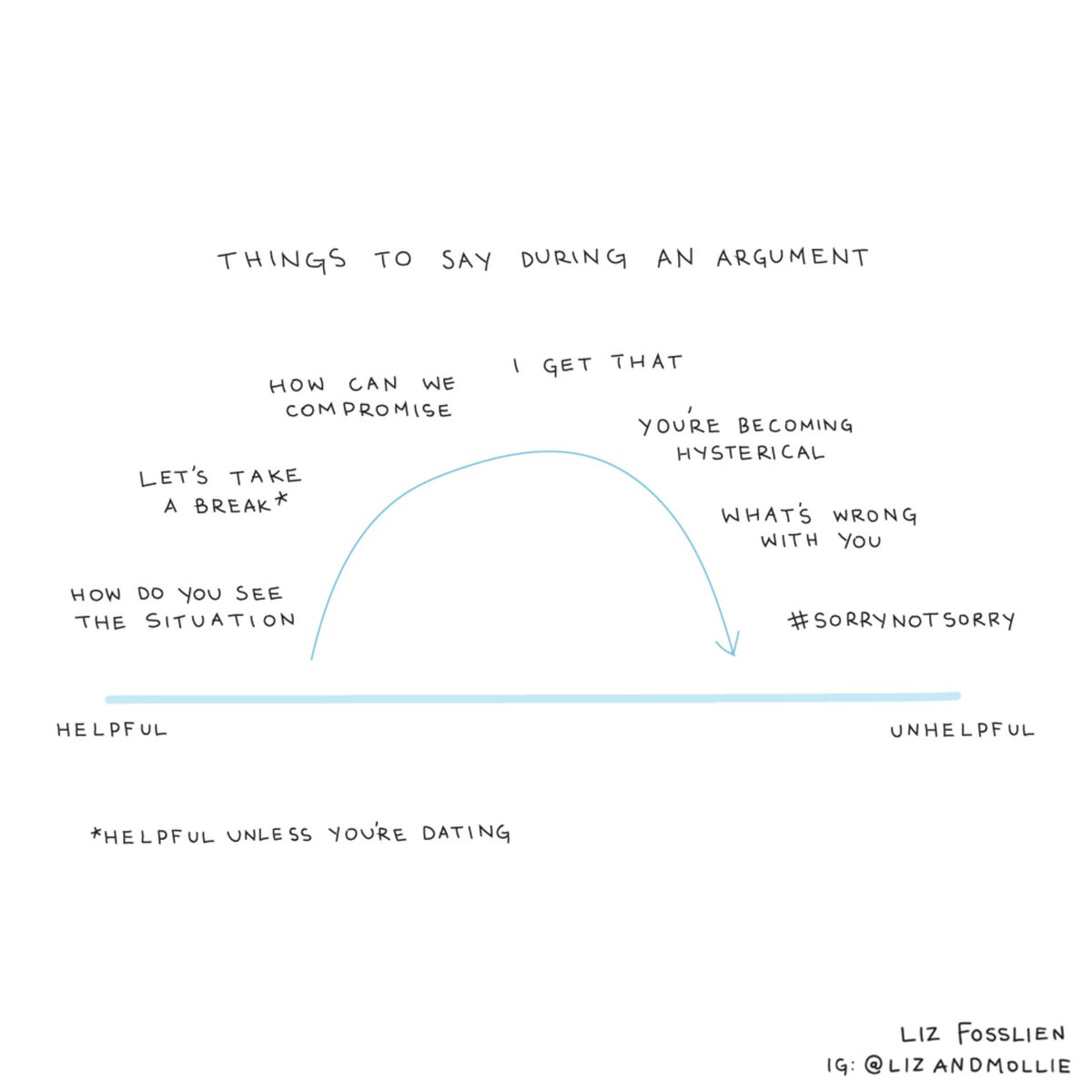
The best way to open people's minds isn't to argue with them. It's to listen to them.
When people feel understood, they become less defensive and more reflective—and develop less extreme, more nuanced views.
Productive disagreements begin with curiosity, not persuasion.
@ChaoticNeutralQ @EHRC "discrimination related to hair or hairstyles disproportionately affects pupils from specific racial groups..often because of the way some school rules relating to hair or hairstyles are designed and implemented." Eg school uniform policies, policies related to hair / hairstyles.