Be stronger to live longer.
A new analysis of 1,890 “oldest old” individuals (aged 90+) across 28 countries found:
- Handgrip strength was inversely related to all-cause mortality over 4.2 years (mean follow-up)
- Those in the 10th percentile for strength had 27% higher mortality risk
- Those in the 90th percentile had 31% lower mortality risk
Improving muscle strength - even in the oldest old - could boost life expectancy.
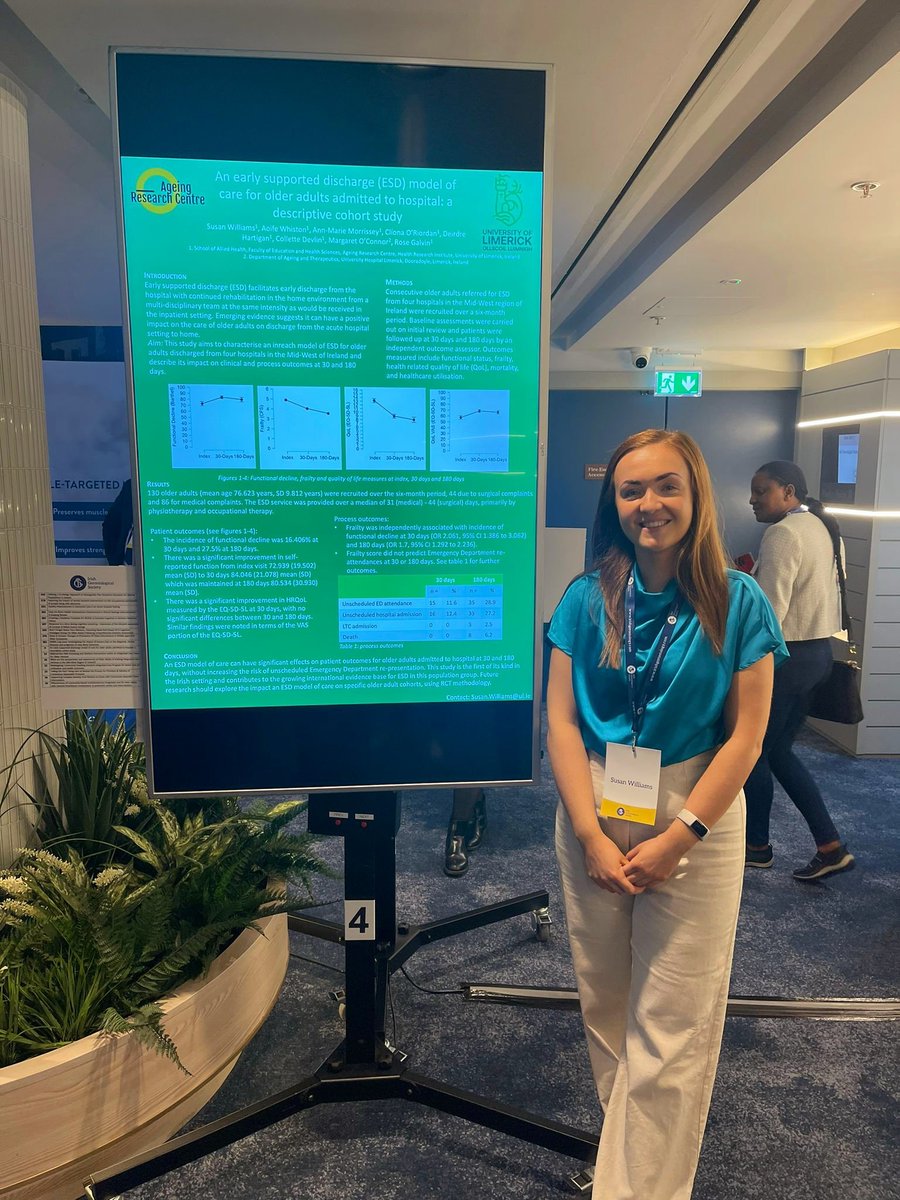
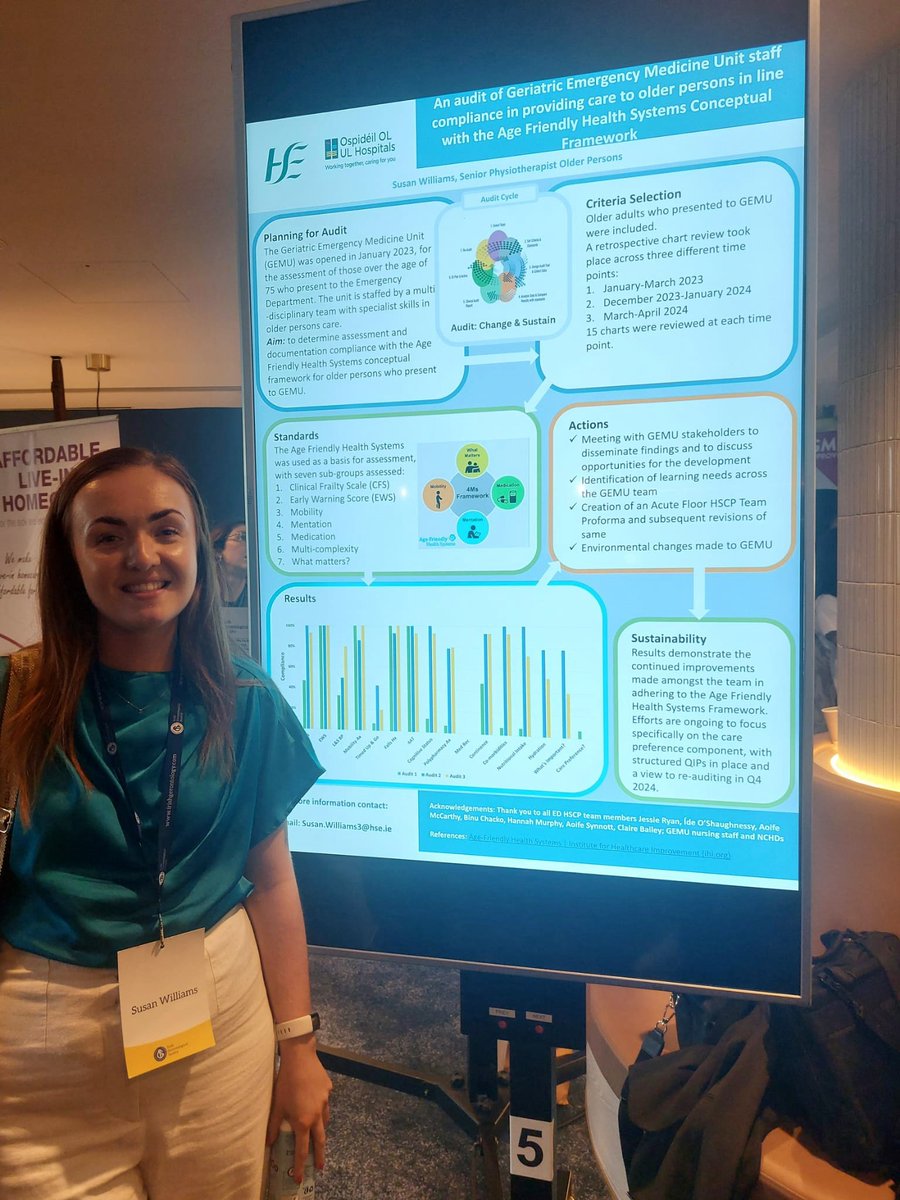
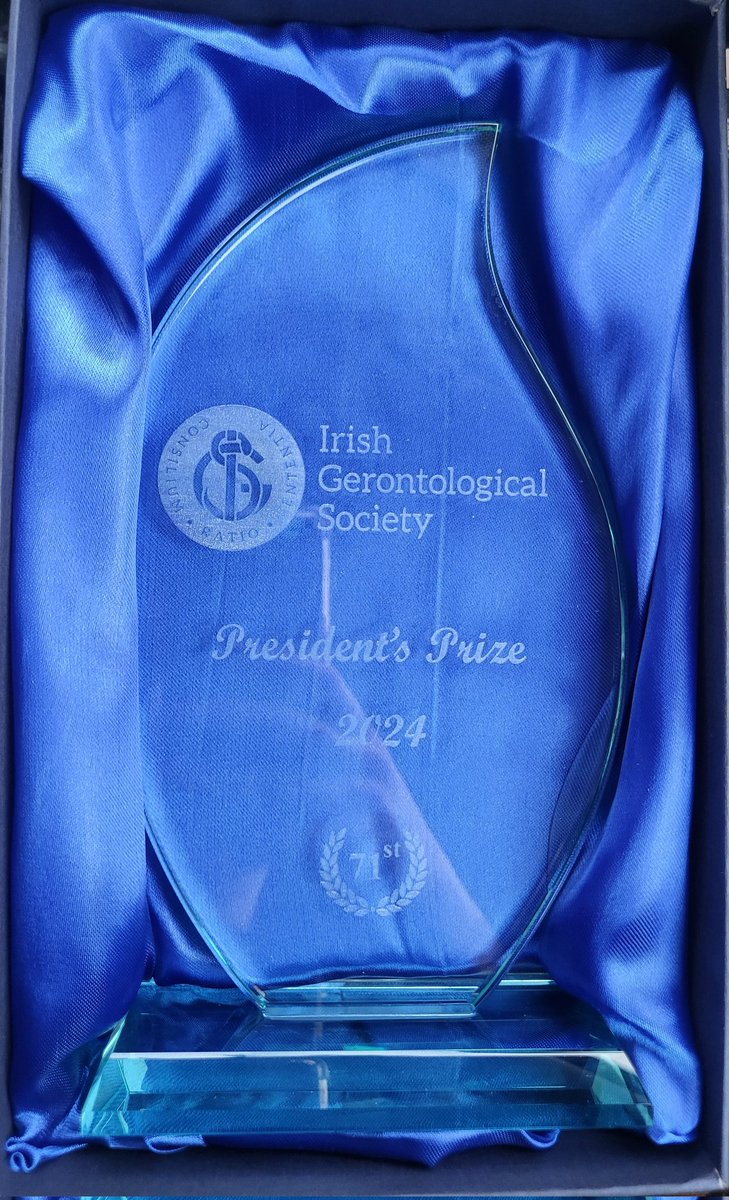
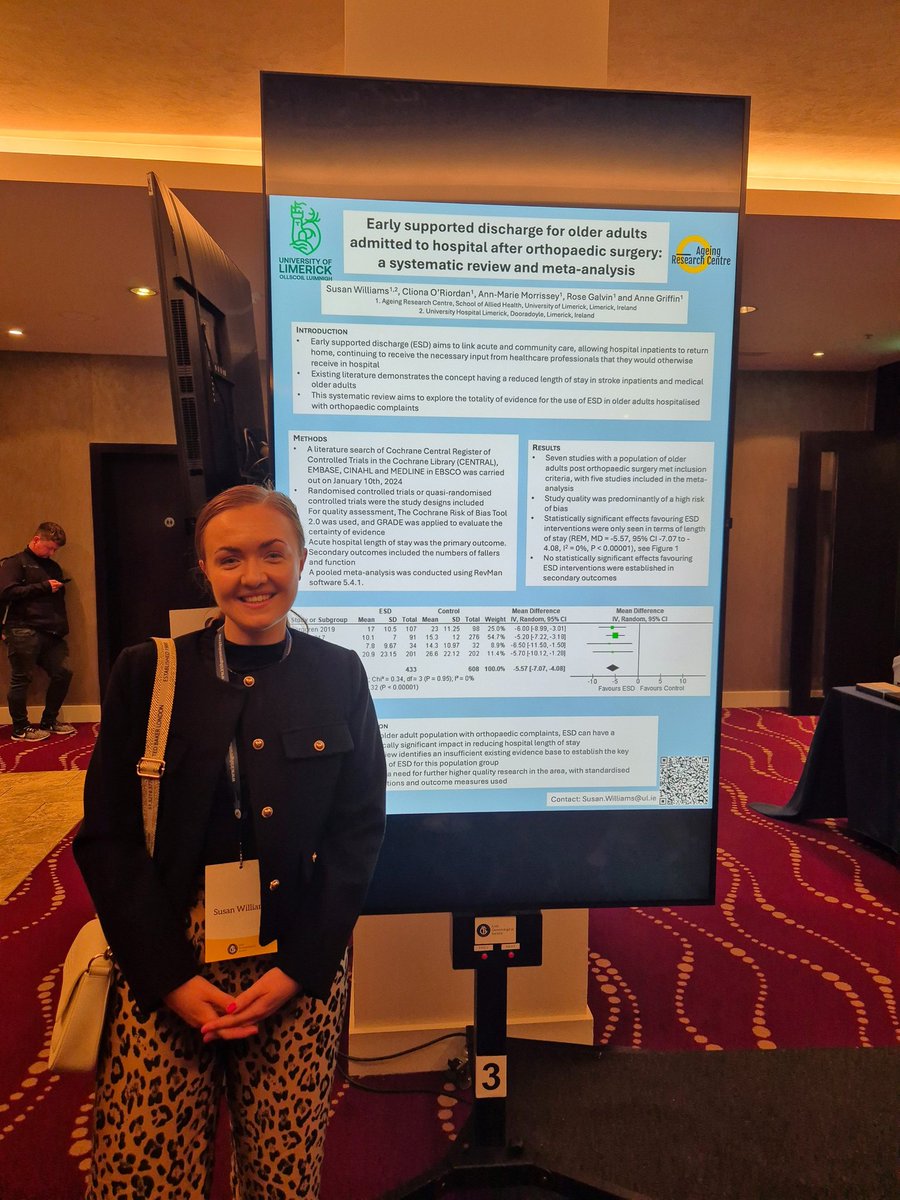
Two insightful days of learning at @irishgerontsoc#IGS2024 ⭐️
Delighted to present three posters this year, and to win best poster for my PhD work exploring ESD for orthopaedic older adults 🦴
Thanks to all at @ARC_UL for their support 🙌
@UL_Research@HSEMidWest
August 8, 1982. A line drive foul ball hits a four year old boy in the head at Fenway. Jim Rice, realizing in a flash that it would take EMTs too long to arrive and cut through the crowd, sprang from the dugout and scooped up the boy. He laid the boy gently on the dugout floor, where the Red Sox medical team began to treat him.
When the boy arrived at the hospital 30 minutes later, doctors said, without a doubt that Jim's prompt actions saved the boy's life. Jim returned to the game in a blood-stained uniform. A real badge of courage. After visiting the boy in the hospital, and realizing the family was of modest means, he stopped by the business office and instructed that the bill be sent to him.
This is what a sports Hero looks like! ❤️
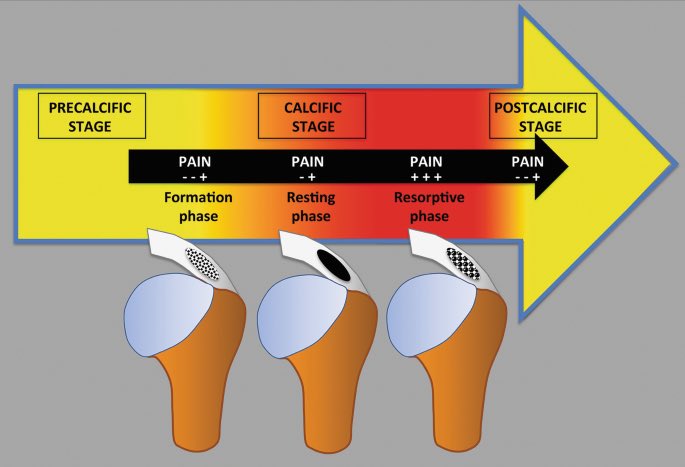
Shoulder Calcific Tendinopathy
✅cause not known
✅a dynamic & self-limited process
✅calcifications tend to resolve after a period of worsening & intense pain
✅3 distinct stages: precalcific, calcific, postcalcific)
#shoulder#tendinopathy#pain
https://t.co/LPaV6jyWQT
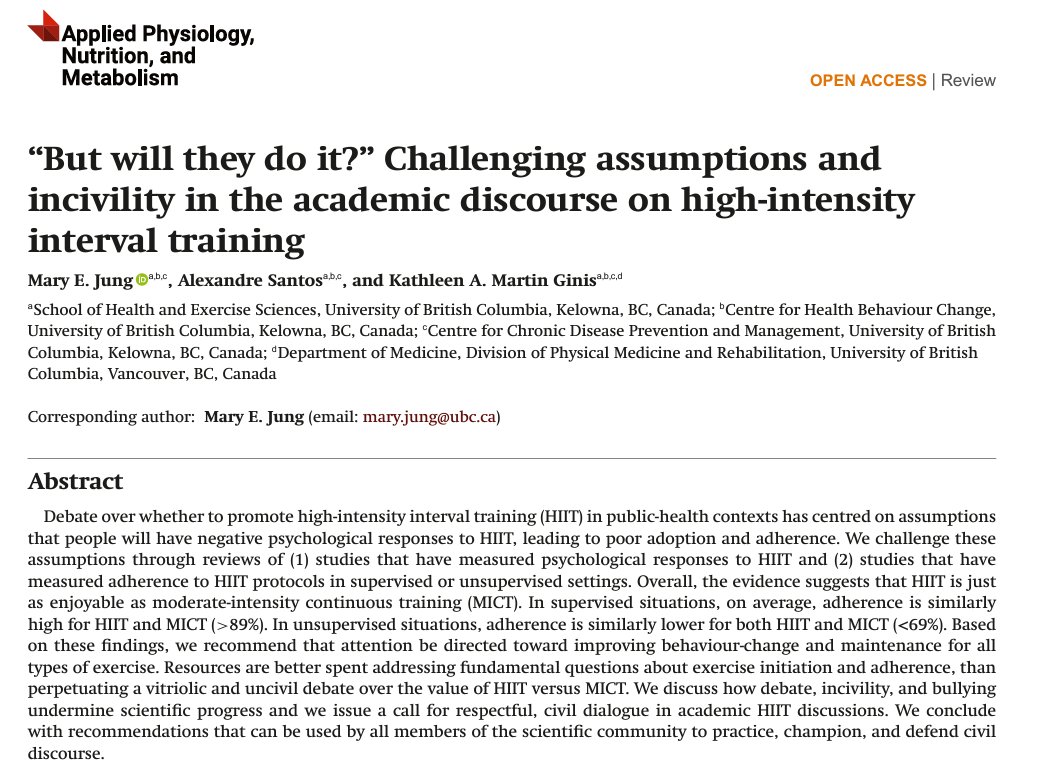
High-intensity interval training (HIIT): “but will they do it?”
“Rather than pitting and conjecturing about HIIT versus continuous training, we believe the focus should shift to the core issue of how to improve long-term behaviour-change and maintenance for all types of exercise.”
A timely reminder of the need for more work and discussion on how to keep people engaged with any form of exercise.
BUT most importantly - ensuring this is done in a collaborative, respectful, and civil way.
https://t.co/KsgSUzhFzX
Big weights aren’t mandatory to improve muscle mass or strength.
Problem is, many fear they are.
Lighter weights have their advantages (and challenges) too.
But it’s clear you don’t need to lift heavy to benefit from resistance training.
https://t.co/l6DbtgaBP6
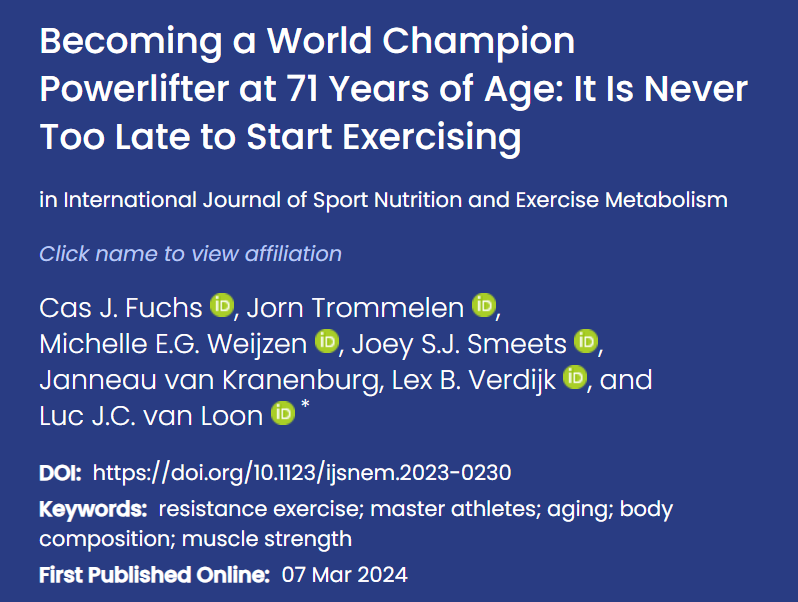
It’s never too late to benefit from exercise.
Like this world champion powerlifter - who started lifting at age 63.
At age 71 she now has greater (vs. aged-matched controls):
➡️Quadriceps size (+37%)
➡️Handgrip strength (+33%)
➡️Leg press strength (+36%)
➡️Skeletal muscle index (+33%)
➡️Type II muscle fibre size (+46%)
Nothing like resistance training to buck the trend with ageing.
https://t.co/icHUA7M7ua
Low muscle strength predicts early mortality and disease risk with ageing.
This systematic review of 117 studies identified 10 factors linked to accelerated declines in handgrip strength across the lifespan, including:
- Inflammatory markers
- Depressive symptoms
- Cardiovascular diseases
Interventions to address these modifiable risk factors may help preserve strength across the lifespan.
https://t.co/4uvEca03nS
Muscles are for more than just movement.
Exercising muscle releases hundreds of myokines allowing crosstalk with other organs including:
➡️Gut
➡️Skin
➡️Liver
➡️Bone
➡️Brain
➡️Pancreas
➡️Vascular bed
➡️Adipose tissue
These pathways may partly explain why exercise lowers the risk of various chronic diseases including type 2 diabetes, dementia, cardiovascular diseases, and cancer.
https://t.co/m5c0qSgWEl
Can prehabilitation improve patient outcomes post-surgery?
This systematic review and meta-analysis of 23 studies found exercise, nutritional, and psychological interventions before major abdominal surgery in frail and high-risk patients:
✅Showed good adherence rates (>75%)
✅Were perceived as acceptable for most patients
✅Improved physical function in the 6-minute walk test (+29.4 m)
These outcomes suggest potential advantages versus rehabilitation or standard pre- and post-surgical care.
https://t.co/A3HXhu89BZ
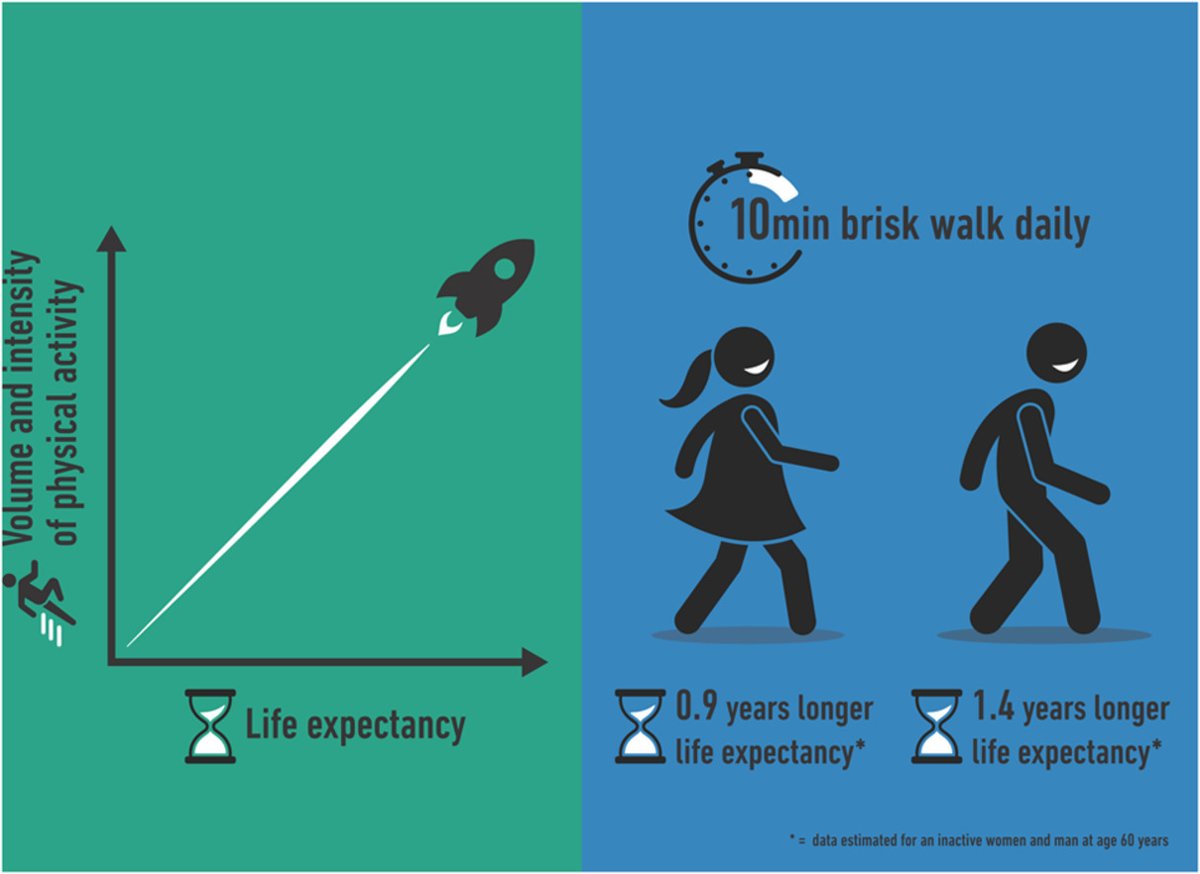
How much exercise is needed to increase life expectancy?
Turns out a little goes a long way.
This new study in over 71,000 people (aged 60+) found:
➡️Higher volumes and intensities of exercise = greater benefits (up to 3.5 to 4.6 extra years for women and men, respectively).
➡️BUT - just a 10 min brisk walk daily was enough to add 0.9-1.4 years to modeled life expectancy.
https://t.co/BtgLU9ruoI
Even simple exercise works.
As little as 3 sets of 5-10 of bodyweight chair stands, 3 times per week, can have big benefits in older adults.
But that doesn’t mean it’s easy, either.
Because sticking to exercise long enough to see these benefits means changing behaviour - and that requires more than just making exercise simple.
https://t.co/SgCDX21USj
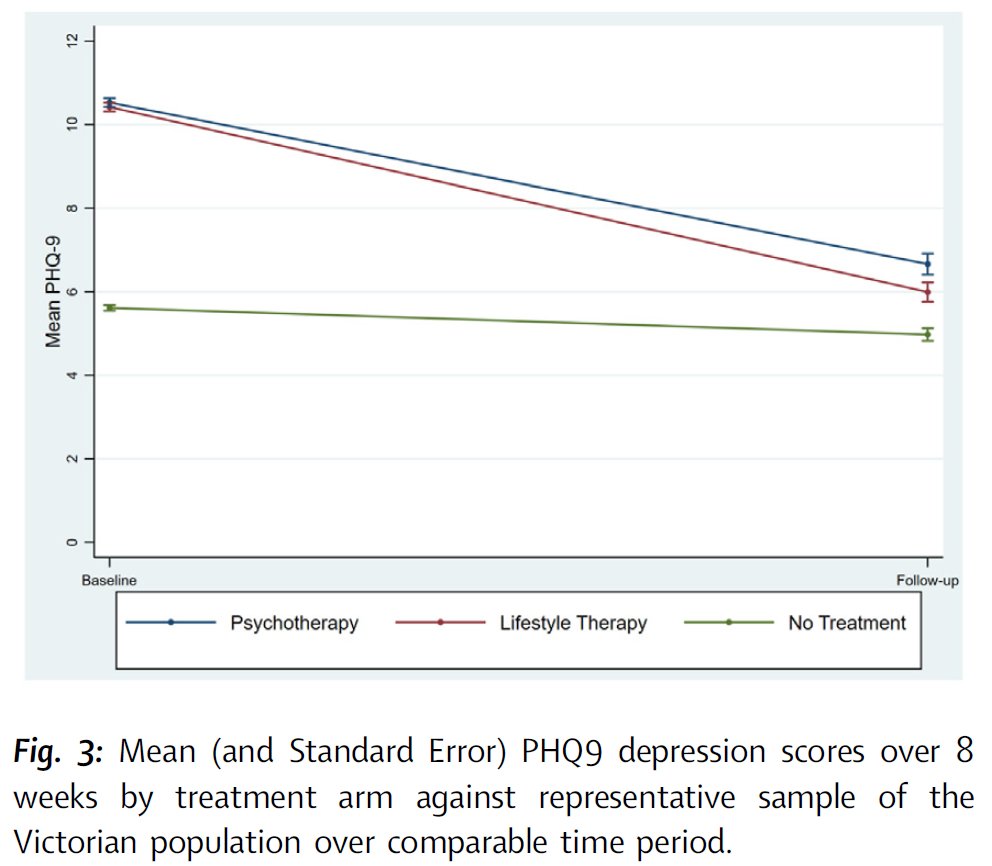
Lifestyle (exercise and diet) interventions can improve mental health outcomes.
But how do they compare to psychotherapy?
A new randomised controlled trial in adults (mean age 45) found both lifestyle therapy (exercise and dietary support) and psychotherapy reduced depression scores when delivered online (6 x 90-minute sessions over 8 weeks) with videoconferencing.
When directly compared, lifestyle therapy was non-inferior to psychotherapy (i.e., did not perform worse) and had similar total costs.
The findings suggest an opportunity for allied health professionals, with appropriate support, to relieve some of the service provision burden on the mental health care system.
https://t.co/uXndu97JZO
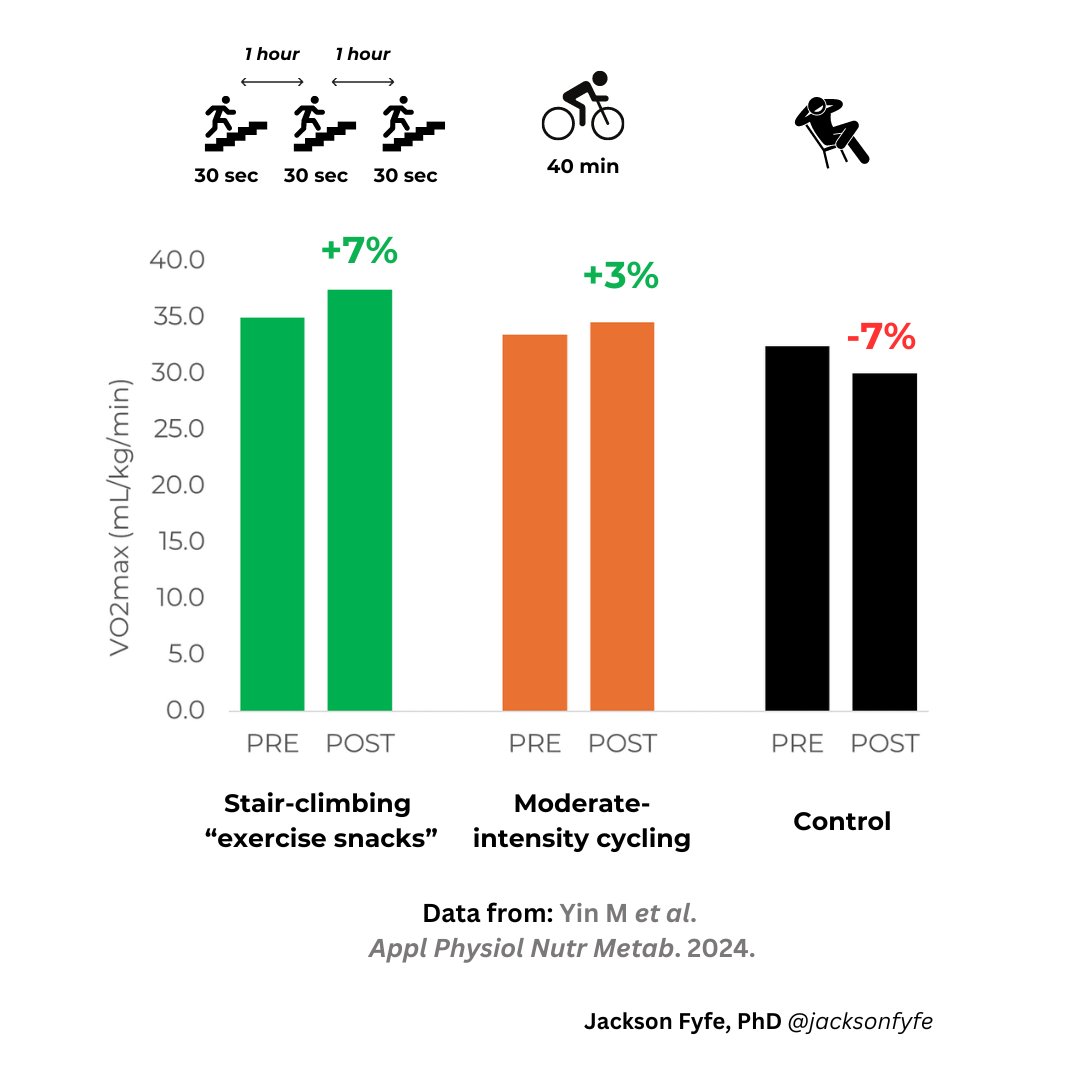
We shouldn’t underestimate the importance of VO2max for health and longevity.
Luckily improving it doesn’t have to complicated or time-consuming.
Even practical stair climbing “snacks” can boost aerobic fitness - but are they sustainable?
https://t.co/pnzW416kKJ
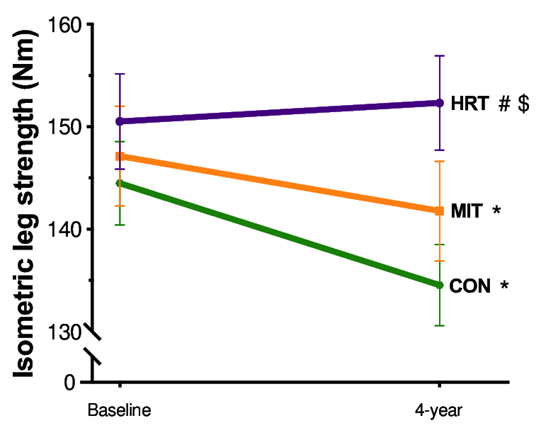
Lifting weights: the gift that keeps on giving?
In 369 participants aged 64-75, just 1 year of supervised heavy resistance training (HRT) was enough to maintain their leg strength 4 years later.
The same effect was not seen with moderate-intensity resistance training (MIT).
These strength gains persisted despite a loss of muscle (lean) mass, handgrip strength, and leg muscle power.
https://t.co/axeWoN1sSv
Are you training to build muscle or improve performance?
Because there’s a difference.
That’s why a program for building muscle can look quite different to one aiming to improve performance in physical tasks.
But does that mean training to improve general strength and muscle mass is a waste of time?
https://t.co/UIOsZEE2ed