Not only is this video simply awesome, it illustrates the current state of AI video. Imagine that someone created this in a single evening, sitting in their underwear, with just a laptop (and probably at least a 10mg gummie). No paid actors, no sets, no funding, no approval required from studio executives. Just an imagination and some AI video prompting skills. The result is cinema quality video pretty much on par with traditional big budget film-making. You might say, "I can tell it is AI generated". To that I say, so what? A cartoon is obviously a cartoon, yet it still does the job of entertaining the watchers, and so does this. And it'll only get better. Be prepared for a future where anyone can make high quality full length films from the comfort of their own home. The traditional movie studios will soon be dead and actors will be out of a job. This is the future of video entertainment.
Everything they taught you about July 4th, 1776 is a lie.
The Redcoats weren't soldiers. They were something else.
We recovered the real footage using Utopai 🧵👇
Things that raise LDL:
- Fasting
- Losing weight
- Cutting the carbs
- Eating more animal fat
- Training with intensity
All catastrophic. If your LDL is rising, please stop lifting, break your fast, and lie down with a bowl of cornflakes until the numbers return to normal.
🚨 HOLY CRAP! The tourist town of Puerto Vallarta in Mexico is UP IN SMOKE right now as cartels wreak havoc on the area
THOUSANDS of American tourists are there at any given time.
Pray for the safety tonight 🙏🏻
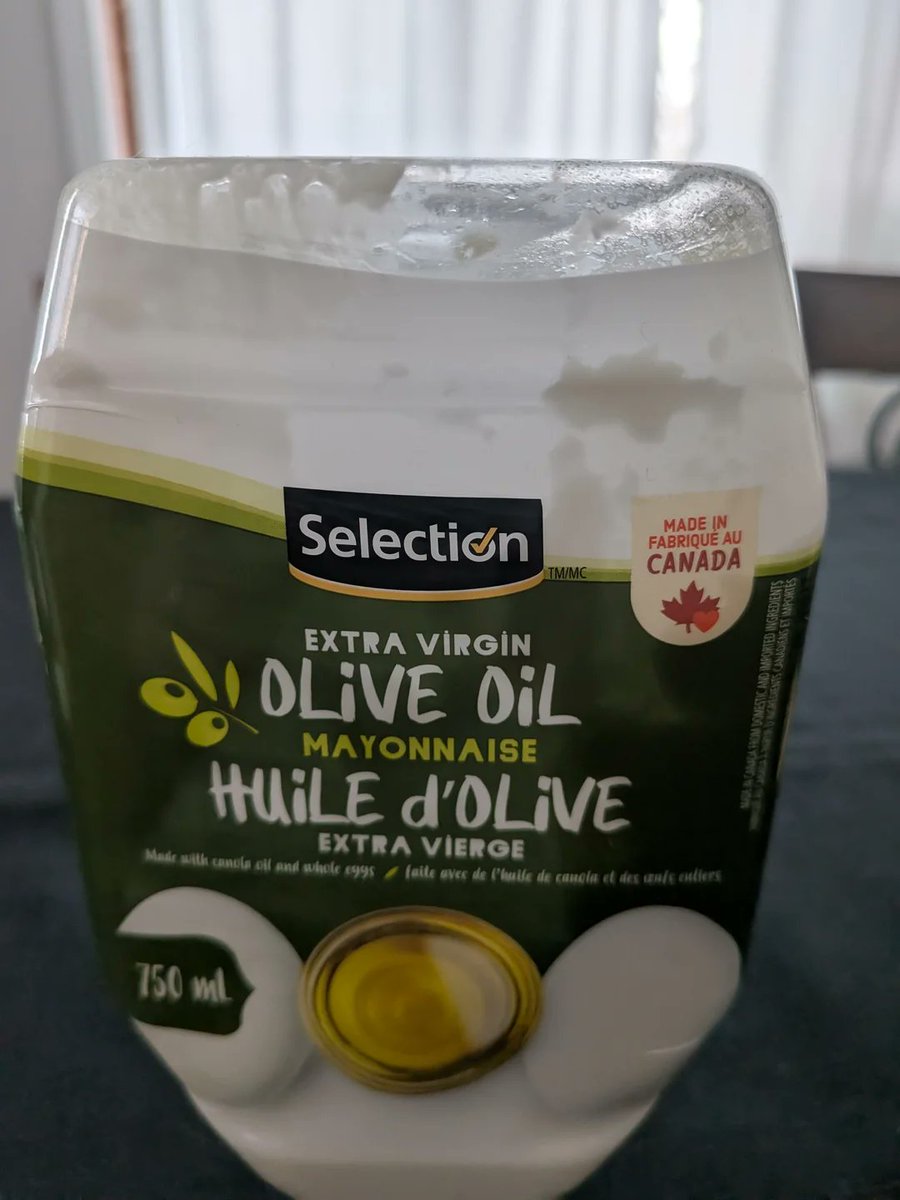
Rapeseed has been grown for 4,000 years. The Romans burned it in lamps. Medieval Europeans used it for lamp oil. The industrial revolution used it to lubricate steam engines. It worked brilliantly: high heat tolerance, doesn't break down easily. Perfect for machinery. Toxic for humans.
The problem: Rapeseed contains 50% erucic acid. This compound causes heart lesions in animals. Feed it to rats, their hearts develop fatty deposits and scarring. It also contains glucosinolates that suppress thyroid function. Your body actively rejects it as poison.
1970s: Canadian plant breeders develop a low-erucic variety. They need a new name because "rapeseed oil" has terrible marketing implications and everyone knows it's industrial lubricant.
They call it "Canola" - Canadian Oil Low Acid. Marketing genius. Same plant, different branding.
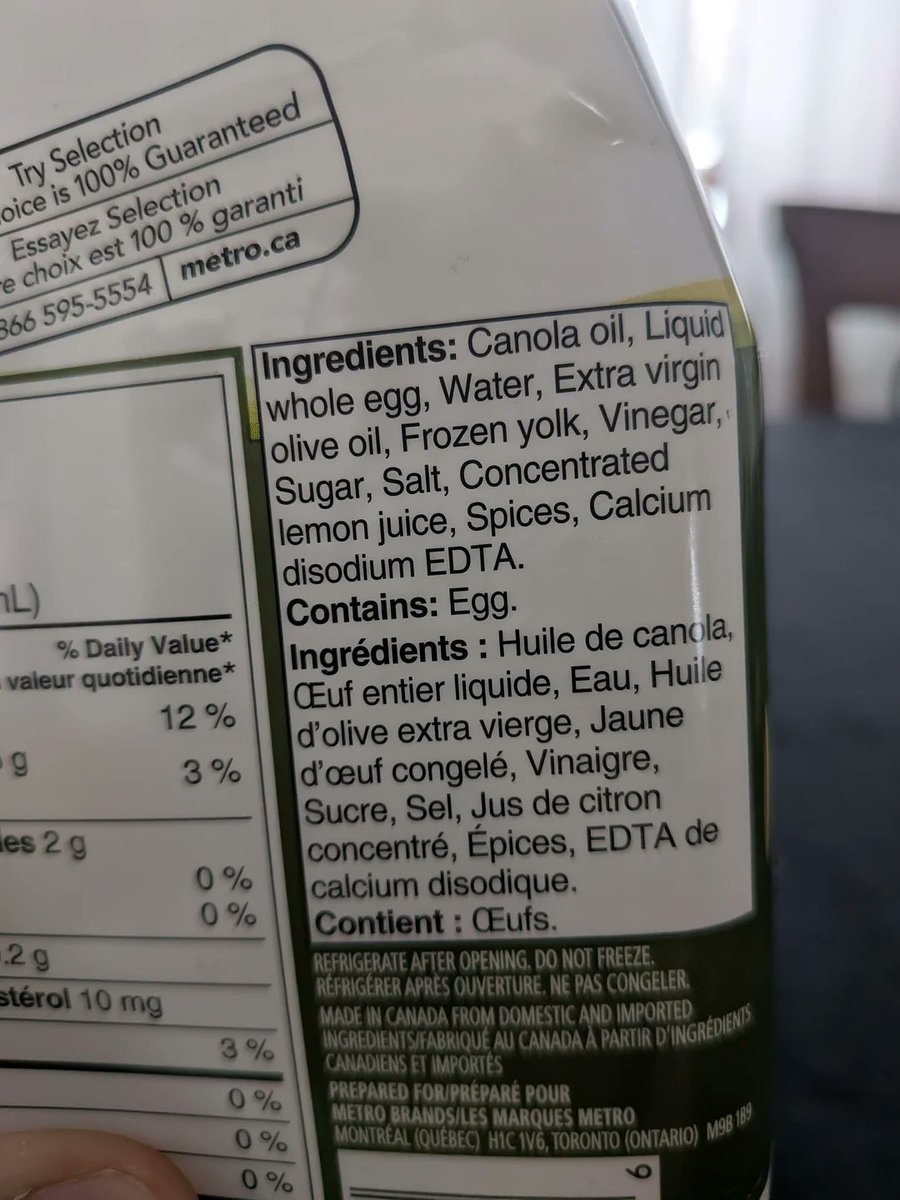
The new variety has less erucic acid. Still requires hexane extraction, high-heat processing, chemical deodorisation, and bleaching. Still oxidises rapidly. Still rich in omega-6 fats that promote inflammation. But now it sounds Canadian and wholesome rather than industrial and toxic.
1985: FDA grants GRAS status. "Generally Recognised As Safe." Canola goes from engine lubricant to cooking oil in one regulatory decision. Food manufacturers love it: cheaper than olive oil, neutral flavour, long shelf life. Restaurants use it in everything.
Nobody questions why a crop bred for lubrication and literally named "rape" needed a complete rebrand to become food. If the product is good, why hide what it is? You don't see "beef" marketed as "friendly muscle tissue" because there's nothing to hide.
Your fish and chips are fried in machine oil. The marketing worked.
Fun fact: Canola stands for "Canadian Oil, Low Acid."
It's rapeseed oil.
Rapeseed oil was used as industrial lubricant in steam engines.
It contains erucic acid which causes heart lesions in animal studies.
In the 1970s, Canadian scientists bred a low-erucic acid version.
Named it "canola" because "low-erucic acid rapeseed oil" didn't market well.
The processing:
- Heat seeds to 95°C
- Press out partial oil
- Add hexane (petroleum solvent)
- Heat to remove hexane
- Refine, bleach, deodorize at extreme temperatures
Result: Oil that's 21% omega-6 polyunsaturated fat (highly unstable, oxidizes rapidly).
Marketed as: "Heart healthy alternative to saturated fat"
Reality: Industrial lubricant that was chemically modified and rebranded as food in the 1970s.
You're cooking with engine oil.
But it's from a plant, so it's definitely healthy.
I should also mention that the $99/month for supervised FSD will rise as FSD’s capabilities improve.
The massive value jump is when you can be on your phone or sleeping for the entire ride (unsupervised FSD).
The much anticipated and debated Bitcoin Core v30 has been released. Don't believe the OP_RETURN fud. Ordinals proved 2 years ago that we can already store large amounts of arbitrary data on the blockchain. It has been possible since taproot. OP_RETURN doesn't enable anything new. It merely encourages storing the data in a more efficient way.