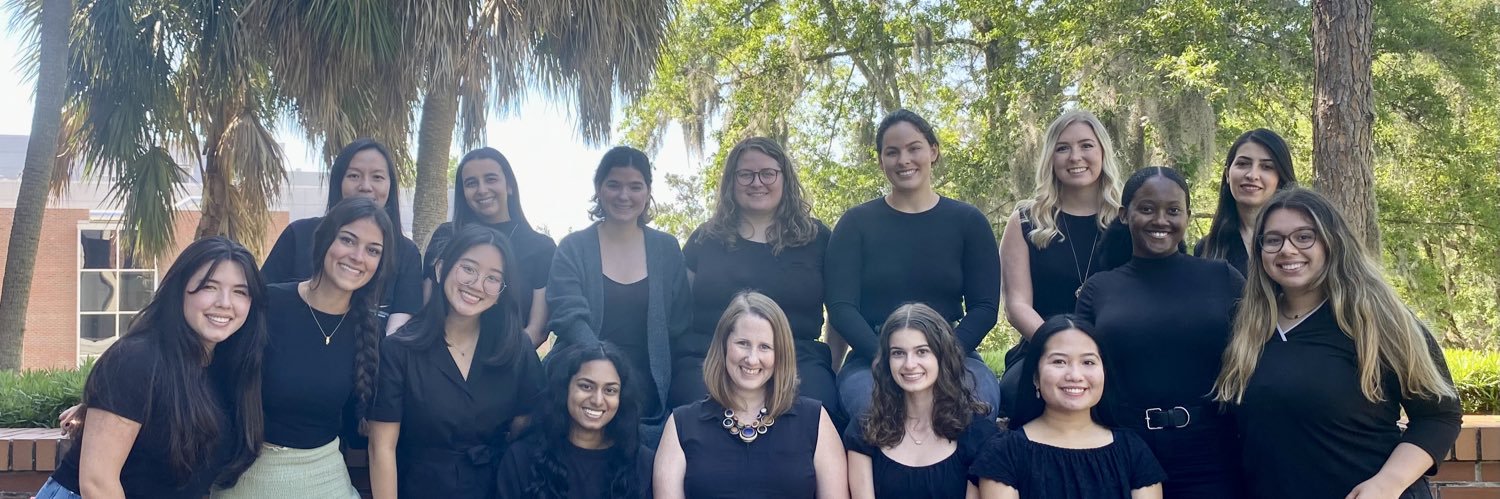
The Brain, Cognition & Development Lab (University of Florida)! PI @lisascottbcd. Expert informed posts/reposts about the science of infant/child development
Are you a BCD Lab alum? Join the @bcdlab networking Facebook group! Join us and share science, accomplishments, pictures, and opportunities! https://t.co/BZq4TN3WSq
Jane Goodall had a remarkable ability to inspire us to connect with the natural wonders of our world, and her groundbreaking work on primates and the importance of conservation opened doors for generations of women in science. Michelle and I are thinking of all those who loved and admired her.
Amazing things happen when lap reading is introduced as a joyful part of your baby’s daily routine.
This little one (12 months), shared to TT by mamaofcutehapas, has spent enough time reading with his parents that he’s already showing off all he’s learned as part of his independent “reading.”
His language is not yet conventional. But listen as he babbles in “board book style,” stringing together short bursts of language… 1 or 2 sentences per page, before proceeding to the next.
And don’t assume that just because his spoken (or expressive) language isn’t yet reflecting it, that he isn’t developing a rich vocabulary as his parents share these texts. Remember that our receptive language (that which we understand when spoken aloud) precedes our expressive abilities.
And there’s little doubt that he’s learning how books themselves are organized and work.
Notice how he holds the book in its correct orientation, proceeding from left to right and front to back.
Only a year old and he’s already putting the pieces together. Kudos to mom and dad for what’s clearly been a steady supply of cuddly, interactive reading.
Join us for a FREE #webinar September 8: “Inside Adolescence: Substance Use Patterns, Predictions, Risk & Resilience in the #ABCDstudy.” Experts will share research findings on early substance use & explore potential protective factors.
Sign up: https://t.co/3xLSta4UcH
Interested in the development of vision and the brain in the first years of life? The @bcdlab is expecting to hire a postdoc and a lab coordinator/tech in the coming months! Send me an email if interested and I’ll make sure to send you the job postings once open!
Cutting-edge science in infancy research is just a click away!
Join us June 19 2025 for the next #ICISWebinar: “Beyond Who’s Speaking When: Machine Learning Tools to Extract Rich Multi-Dimensional Features from Home Audio Recordings”
https://t.co/x49zP0Ksnz #InfantResearch
Who inspires you in the field of infant development? Nominate them for the ICIS Distinguished Contribution Award! Deadline: June 30, 2025
https://t.co/NgYumTnDhj
#InfantStudies#InfantResearch
Some of the most important interactions caregivers have with children happen through play. Play can take many different forms, as seen by this caregiver making the baby laugh with silly actions.
Find even more play ideas here: https://t.co/x3le1CEQAG
#internationaldayofplay
The conditions in the places where children live, grow, play, and learn shape their development and lifelong well-being. Learn more in our InBrief, Place Matters: The Environment We Create Shapes the Foundations of Healthy Development: https://t.co/S8WBeDqZbr
And brain development is amazing and the brain gets set up for learning in the first year of life with the support of parents and caregivers. https://t.co/1HBdas0IlX
We found that infants learn so much about the words and people in the world around them even before they speak their first word. How parents label things in the world helps babies learn by directing their attention. https://t.co/IQIw0GdRNw
We also showed that faces are important learning tools for infants. They learn about and from the people they see and interact with all the time. https://t.co/mu8ZqcMuMr
With all that is going on at NSF, it’s important for me to describe how important NSF has been for my career and the careers of my trainees over the years. This funding is so important for so many reasons.
.@TAngela_dou & @lkcirelli (2025) asked caregivers how they engage musically with their infants: They cite that infants directly influence their home musical repertoire; engaged infant response to song predicts stronger dyadic attachment #infancypapers https://t.co/raBebdnYVt
We are hiring a post-bacc research coordinator to help on projects exploring EEG and MRI measures of neuroplasticity supporting sensory and language learning in the first 2 years of life! Please repost to help us spread the word! more info here: https://t.co/KX5FU4VLb2