At the @bcdlab we have spent a good chunk of the last few years working on innovating the methods of infant developmental science. Below is a thread of methods papers with contributing authors from our lab! /1
New Paul Meehl Graduate School course: Advanced Basic Statistics Workshop: Deepening Your Understanding of Standard Statistical Analyses
March 27, 2026
Sign up:
https://t.co/UEPcTo8ReE
The findings suggest that the brain's ability to prioritize and streamline learned objects develops with experience during the first year of life and that competitive neural interactions support early attention, perception, and learning.
Im very excited about this work out from our recent infant ssVEP study! Led by postdoc Maeve Boylan! After infants learn about objects while reading a book with a parent, their brains prioritize the processing of familiarity. https://t.co/VlCXyZtrEz
We show that competitive neural interactions increased with age. While 6-month-old infants showed no competition, by 9 & 12 months, visuocortical responses favored the trained objects at the expense of untrained objects. And the type of label in the storybook didn’t matter.
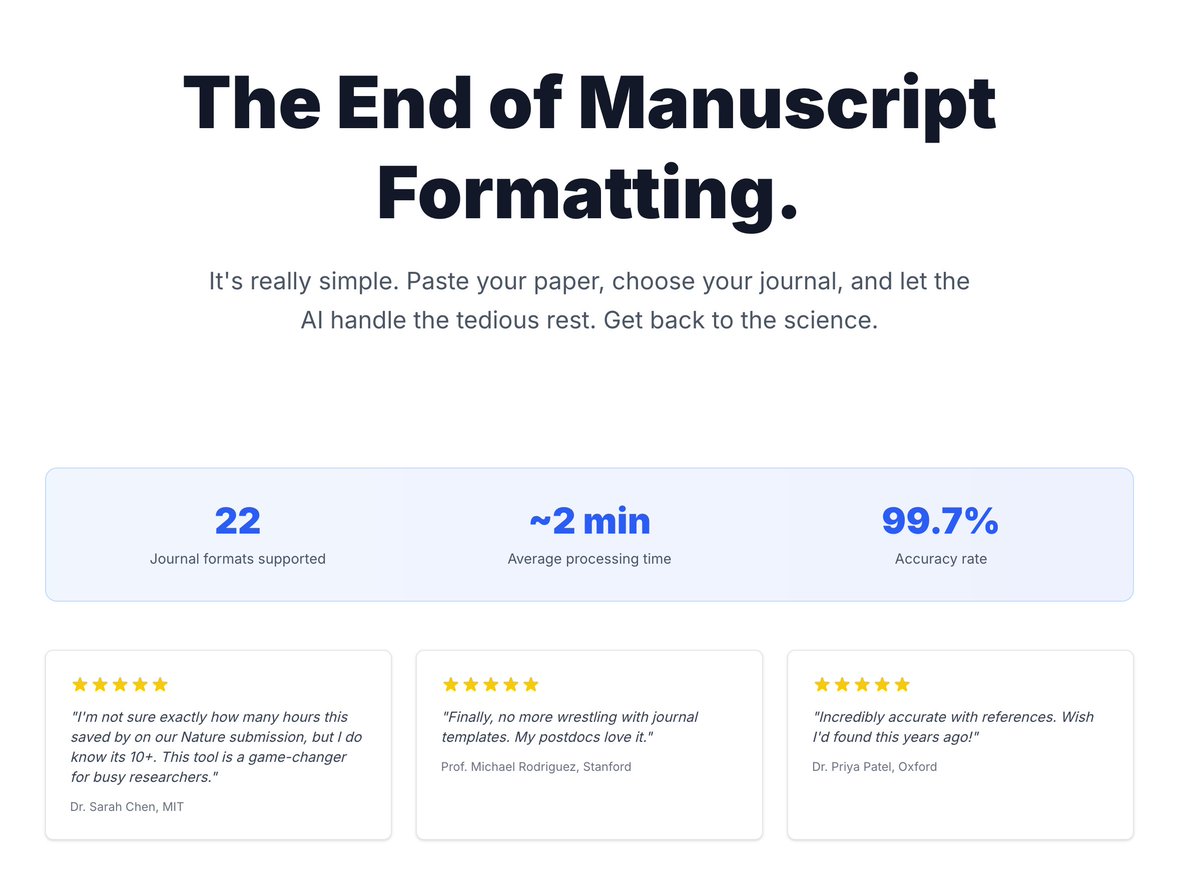
Finally, someone has solved a real problem with AI! No more having to take a paper in the format for a journal that rejected you, and reformat it for a new journal. Well done!!
https://t.co/J5HekY1Pc0
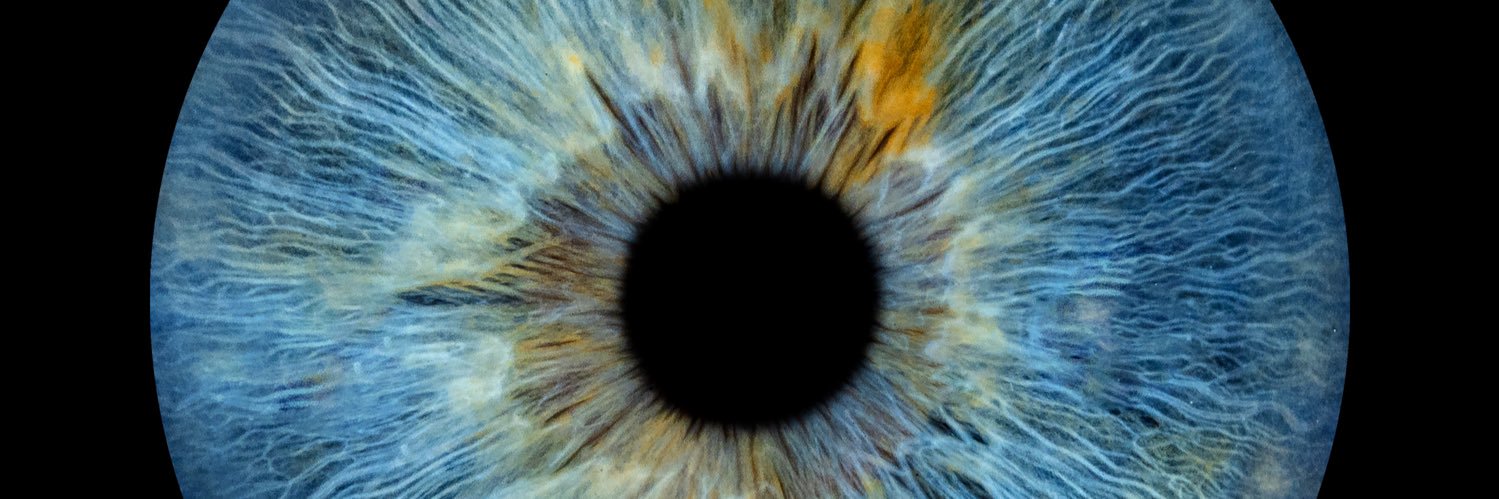
A demo of motion-induced blindness
When fixating on the central cross, the four white dots appear to vanish.
Motion-induced blindness
https://t.co/ROArNNuynS
Today’s ACIP meeting promoted false claims and misguided information about vaccines. AAP will continue stepping up and working with our local, state and federal partners to make sure every child in every community continues to have access to immunizations.
https://t.co/iL3kubqbv2
A paper in @Nature presents a new artificial intelligence model that can predict how a person’s health might change over their lifetime. This tool could help doctors and health planners to better understand and prepare for personalized medical needs. https://t.co/kwMUrjpTL9
Roberti, @HoehlStefanie et al. (2025): By 10 months, infants link emotions to actions: seeing happiness prepares them for positive rather than negative actions, showing early brain sensitivity to social cues #EarlyYears#infancypapers https://t.co/9mgtcnSCtF
Strong Texas AAUP Conference statement on the recent firing of an @TAMU faculty member, infringing on her academic freedom, her right to due process, and students’ right to a truthful, uncensored education. ⬇️⬇️
Five-alarm fire over in TX. A student argues that a Trump executive order declaring that there are only “two genders” means that no student, despite the course focus, subfields, and representative primary texts, can be subjected to “transgenderism.” And the university concedes.
During the first few days of school, student frustration with UF’s funding cuts for the Regional Transit System was clear as people squeezed into crowded — and often late — buses. https://t.co/w7LbCsI6Fn
Ok @uf forcing staff back to work is making traffic horrible & parking impossible. Also people are angry bc traffic for an hour & 30 mins trying to park. Not a good plan: paying people to drive around angry on campus, when they could be peacefully productively working @ home.
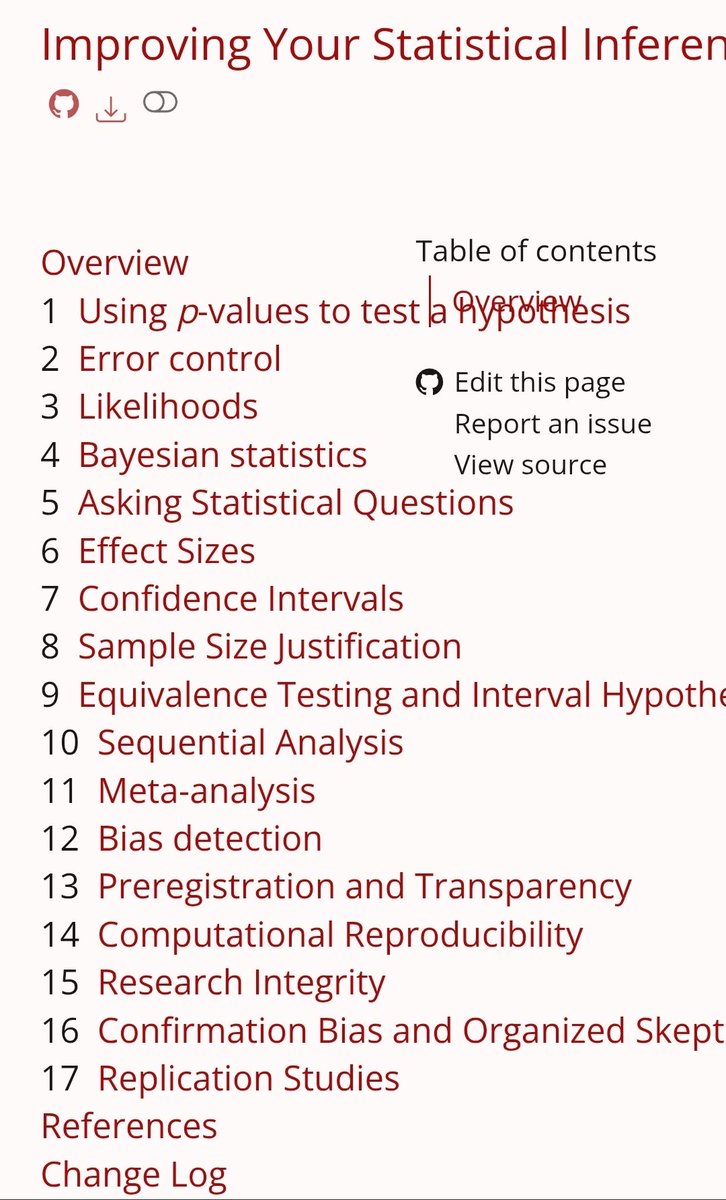
If you are preparing your bachelor statistics course and would like to add optional material for students to better understand statistics on a conceptual level (see topics in the screenshot) my free textbook provides a state of the art overview. https://t.co/FdQIS63fVd
ICYMI: Finally some good news! The senate committee rejected the 40% budget cut for NIH and instead endorsed a $400 million budget increase!
Science for the win.
Where does gerrymandering come from?
In Episode 6 of @NewAmerica's Democracy Deciphered podcast, author Nick Seabrook explores the history of manipulating electoral district boundaries for political advantage—and why the practice persists.
🗺️ https://t.co/QwxtdsnnkC
(1/2) Cychosz, Villanueva et al. (2025): In 2 bilingual communities, infants heard majority societal language from children > adults, and in child‐directed > adult-directed speech, opposite pattern for minoritized language. @NorthwesternCSD#infancypapers https://t.co/VlOopS3qbw