An interesting line in Politico’s coverage of the proposed AI executive order, which, at 16 pages, is also much longer than expected. This is still under discussion and not yet finalized, and everything I'm about to write is conjecture, but it appears the administration intends to regulate US open-weight models.
Here are the reasons why this will almost certainly happen in some form.
Open-weight models are currently about nine months behind the frontier. Once the big labs are subjected to pre-release screening, development itself will not slow down, but the release cadence will. At that point, open-weight development will quickly close the gap - much faster than nine months. When those models surpass the big labs, everyone will switch to using open-weight alternatives.
From the administration’s perspective, allowing this option defeats the entire purpose of regulation. If the government is restricting and vetting models beyond a certain capability level, and people can simply switch to open-weight models that are just as capable - and eventually even more capable as the big labs slow down their release schedules under the new rules - then the situation becomes even worse from the government's perspective. They will not allow this to happen.
Second, the big labs themselves have almost certainly been covertly lobbying for open-weight models to be included in any new regulations. Allowing the public to switch to a superior, free alternative would completely destroy their business models, potentially bankrupting them all. Given the enormous scale of current investment in these companies and in AI infrastructure, the broader economy would also suffer "significant disruption".
That leaves China. If the two dynamics above play out, the same pattern repeats: everyone switches to Chinese open-weight models, which now quickly surpass both US closed and open releases. This produces the same consequences for the big labs, and causes the same issues with regulation. The government therefore has only two realistic options: ban Chinese models from use in the West, or negotiate a deal with Xi Jinping to impose identical regulation and pre-release vetting on open-weight models in China.
The first option would mean China pulls ahead and wins the AI race. So the administration will almost certainly pursue the second. Negotiations are likely already underway, because the ideal outcome for the admin would be to announce that China has agreed to similar restrictions to what they are announcing, thereby blunting domestic backlash. China will know it has the US over a barrel and will insist on compromises. Compromises such as lifting all export controls on NVIDIA GPUs.
I think this was a really bad year for American politics, a mediocre year for the American economy, and an exceptional year for America.
In 12 months, you’ve got
- the largest decline in murder rate ever recorded
- huge declines in traffic fatalities, drug overdoses, and suicide
- first ever personalized gene editing treatment and breakthroughs in HIV and cancer therapy
- continued advances in GLP1 technology that seems to reduce weight and inflammation and a bunch of other stuff
- declines in teen anxiety and despair
- surge in self-driving car technology*
- all this happened in a period when both the SP500 and inflation adjusted median wages hit record highs
@bendreyfuss Guilty as charged. Longstanding lumbar issues mean I have to keep my backside balanced while sitting. Side benefit is that I'm immune to pickpockets. And yes it took some getting used to.
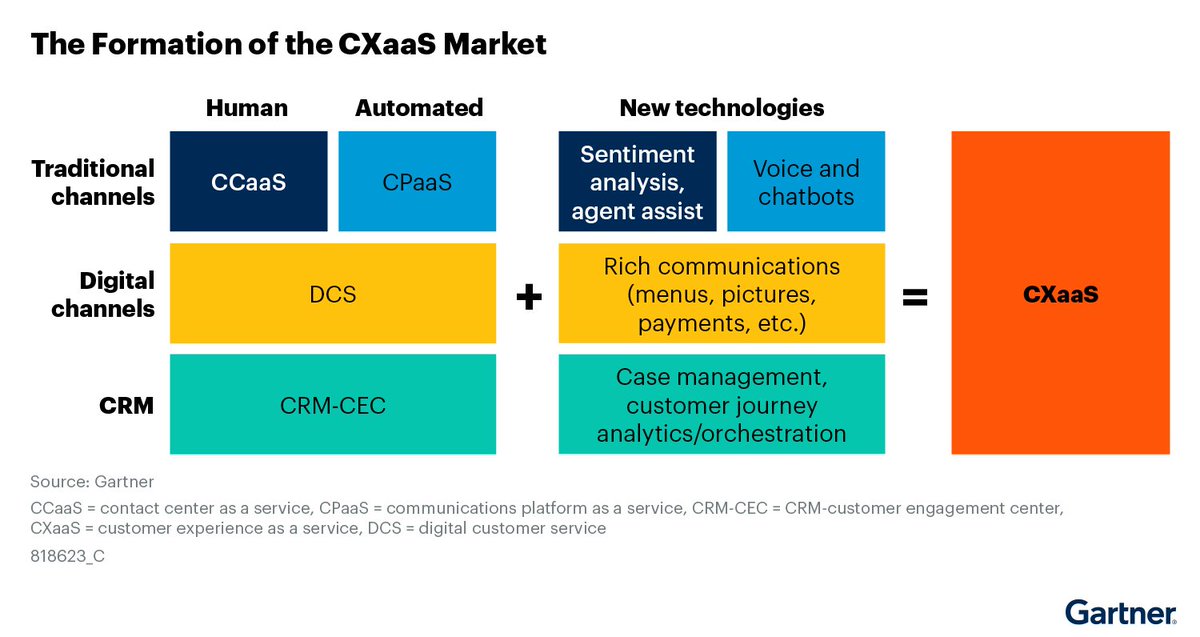
And, if it doesn't answer all your questions, don't hesitate to reach out and schedule an inquiry to discuss what we're seeing. Thanks to my illustrious co-authors @APatankar1, @LFarboud, Megan Fernandez, and @aoddos for their help putting this together! https://t.co/EZGh2akpCE
Happy New Year everyone, and welcome back to work! I am pleased to announce the publication of our newest #Gartner#GartnerHT report (https://t.co/EZGh2akpCE) detailing a #MarketConvergence emerging combining features from #CCaaS, #CPaaS, digital customer service or #DCS, and
This report is targeted at product management leaders for vendors in each space, helping them understand how they can compete uniquely, where they are uniquely weak, and what they need to build to succeed. I hope you all find it useful!
every time i am in the poor villages of this globe i am reminded of one important fact
true absolute poverty is hateful to the human soul, a terrible oppression from which people almost uniformly yearn to be liberated with genuine desperation.
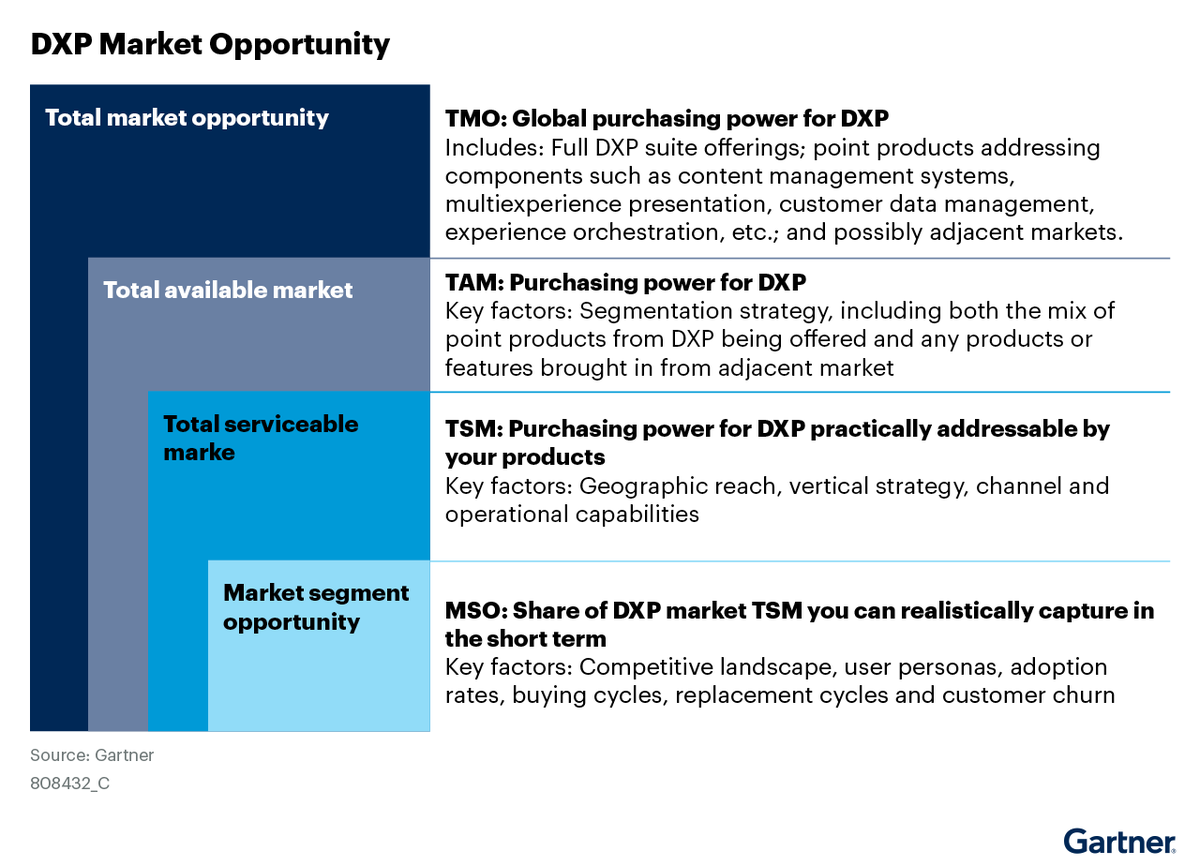
#ProductLeaders in the #DigitalExperience space! Are you struggling to size the market opportunity for your actual or proposed #DXP offering? Kelli Smith and I have written this handy note for #GartnerHT explaining how to do so. https://t.co/LQ0WJS11yc #IT#ProductManagers
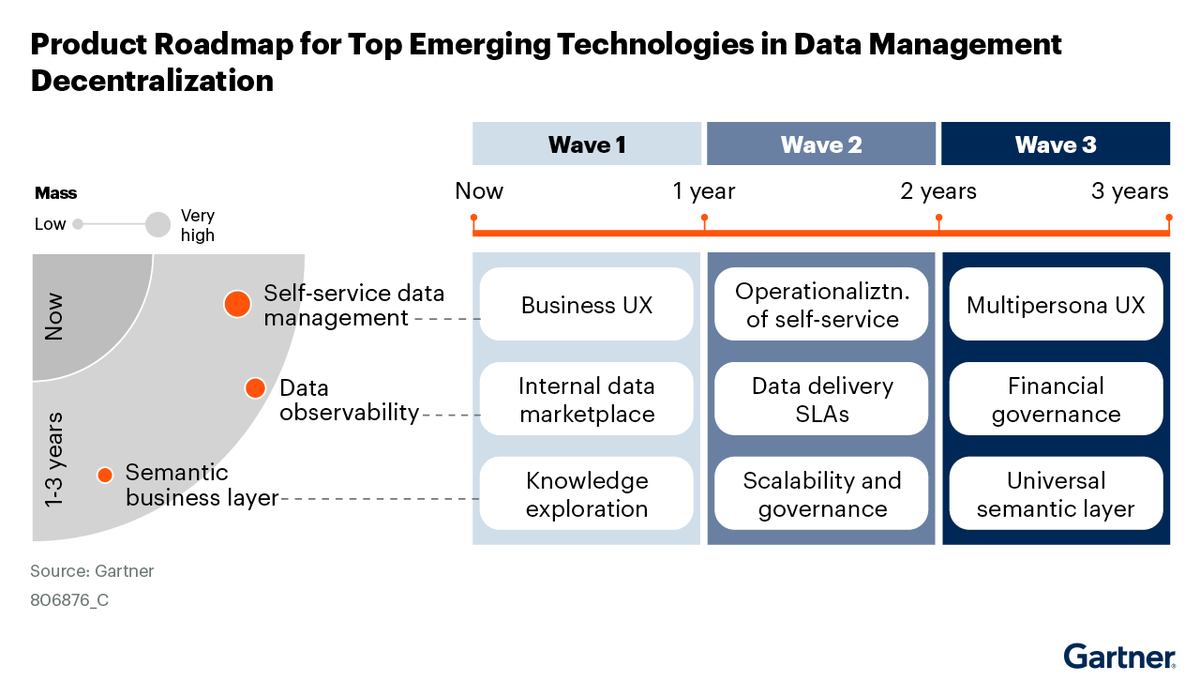
How are new emerging technologies affecting data management ? They're driving empowerment and democratization to business teams through decentralization. Find out more in this new report by Sharat Menon! #Gartner#GartnerHT#DataManagement https://t.co/LCGpxOoHnM
@cruelsardaukar I find they understand the past and its problems but their prescriptions are bunk. He covers Italian city states' entanglement with the Spanish, transition to financial engineering, and subsequent loss of dominance to the industry of the Dutch once they broke free of Spain.