𝐏𝐔𝐁𝐋𝐈𝐂 𝐍𝐎𝐓𝐈𝐂𝐄
The Electoral Commission of Uganda has announced that elections for Local Council I and II Chairpersons will be held across the country on Tuesday, July 28, 2026.
Comparative analysis of similarities and differences between attacks on the legal profession under the Idi Amin and Yoweri Museveni regimes in Uganda.
Similarities
1. Lawyers viewed as political threats
Under both regimes, lawyers, especially those handling politically sensitive cases, have been treated as obstacles rather than neutral officers of the court. Legal advocacy has been conflated with political opposition.
2. Intimidation to weaken access to justice
Harassment, surveillance, arbitrary arrests, and threats against lawyers served a similar objective: to instill fear and discourage robust legal representation for dissidents and regime critics.
3. Undermining judicial independence
In both periods, attacks on lawyers were part of a broader assault on the justice system, weakening courts’ ability to check executive or military power.
4. Culture of impunity
Perpetrators of abuses against lawyers were rarely held accountable, reinforcing the message that the legal profession had little protection when confronting state power.
Differences
1. Nature and visibility of repression
Idi Amin: Repression was overt, brutal, and unapologetic. Lawyers were abducted, tortured, and killed, often in full view of the public.
Museveni: Repression is more covert and bureaucratized. Lawyers face arrests, military interference, surveillance, and occasional violence, often justified under the language of “security” and “law enforcement.”
2. Legal and constitutional context
Idi Amin: Operated largely outside any constitutional framework; rule by decree and raw force prevailed.
Museveni: Operates within a formal constitutional order, but one frequently undermined by militarization of civilian law enforcement and selective application of the law.
3. Methods of control
Idi Amin: Physical elimination and terror were primary tools.
Museveni: Legal harassment, prolonged detention of clients, denial of access to detainees, military trials of civilians, and intimidation of lawyers through arrests and summonses are more common.
4. International posture
Idi Amin: Internationally isolated, with little concern for global opinion.
Museveni: Maintains international legitimacy, often projecting adherence to rule of law even as domestic practices contradict that image.
5. Space for resistance
Idi Amin: Almost no civic or professional space for resistance.
Museveni: Some space remains through bar associations, courts, media, and civil society, but it is shrinking and increasingly contested.
While Idi Amin’s assault on the legal profession was crude and violently direct, Museveni’s has been more subtle, institutionalized, and legally masked. The difference is largely one of form rather than intent: both approaches aim to neutralize lawyers as defenders of rights and constraints on power. The persistence of these attacks across regimes highlights a deeper failure to entrench respect for the legal profession as a cornerstone of constitutional democracy in Uganda.
@adoniaayebare @MahamoudAliYo @AmbDoualeh Even if fake account, are facts false. Comment on his health. I saw your fast comments on judge Julie sebutinde!
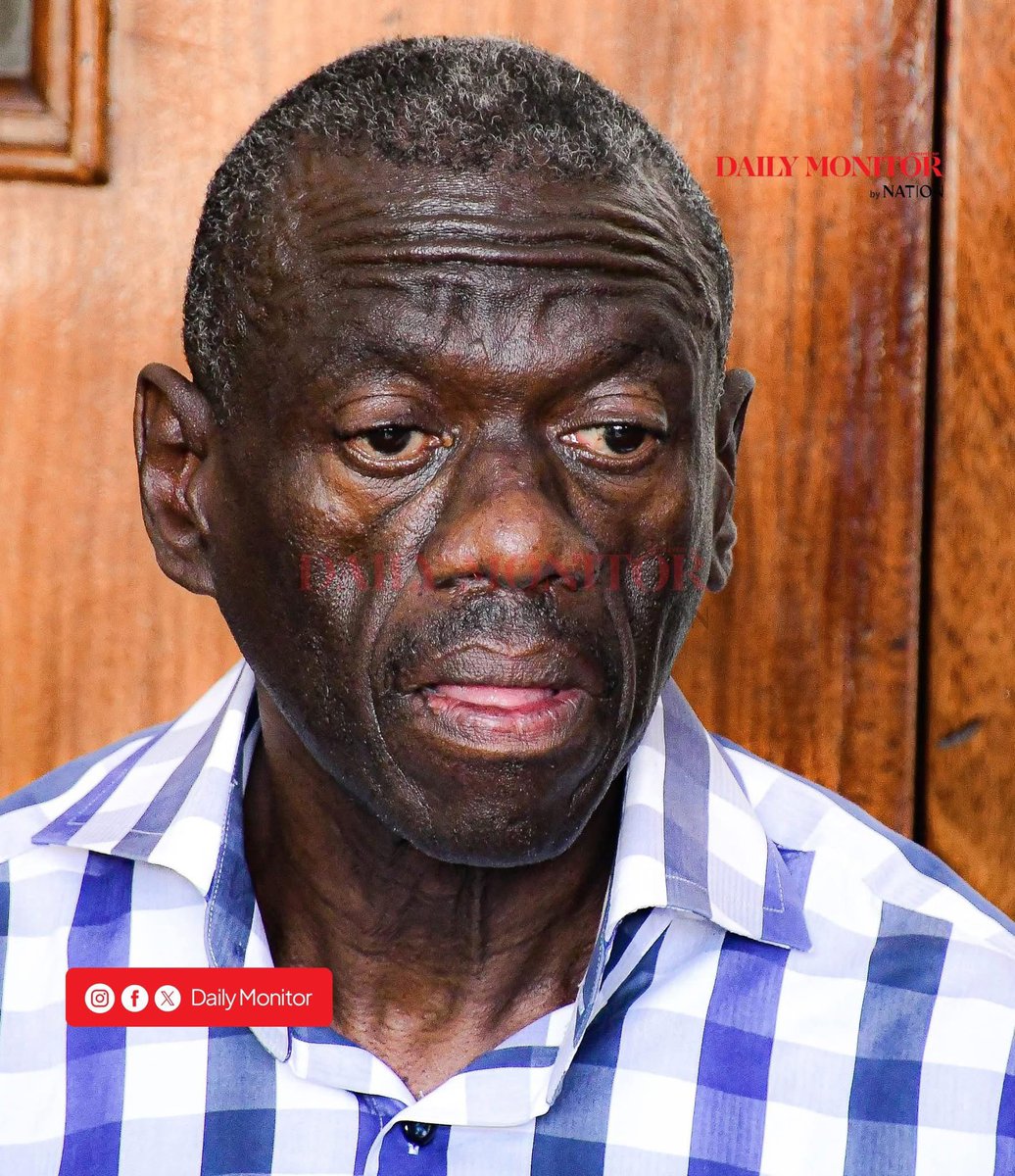
Appalled by the criminal regime's adamant refusal to free Dr. @kizzabesigye1, whose continued detention without trial not only violates the Constitution but also slaps the Supreme Court and its recent decision in the face. He is evidently sick and frail and in need of urgent medical attention. Perhaps his shocking images look good to Museveni, who is persecuting him, and his son, who says that Dr. Besigye will only come out of prison in a coffin or after kneeling down before his brutal father!
I call upon all citizens of the world to join us in demanding for the immediate freedom of Dr. Kizza Besigye and the other prisoners of conscience. While these are definitely very dark times for our country, I want us to find courage in the song which Dr. Besigye loves to sing: DEEP IN MY HEART, I DO BELIEVE WE SHALL OVERCOME SOME DAY.