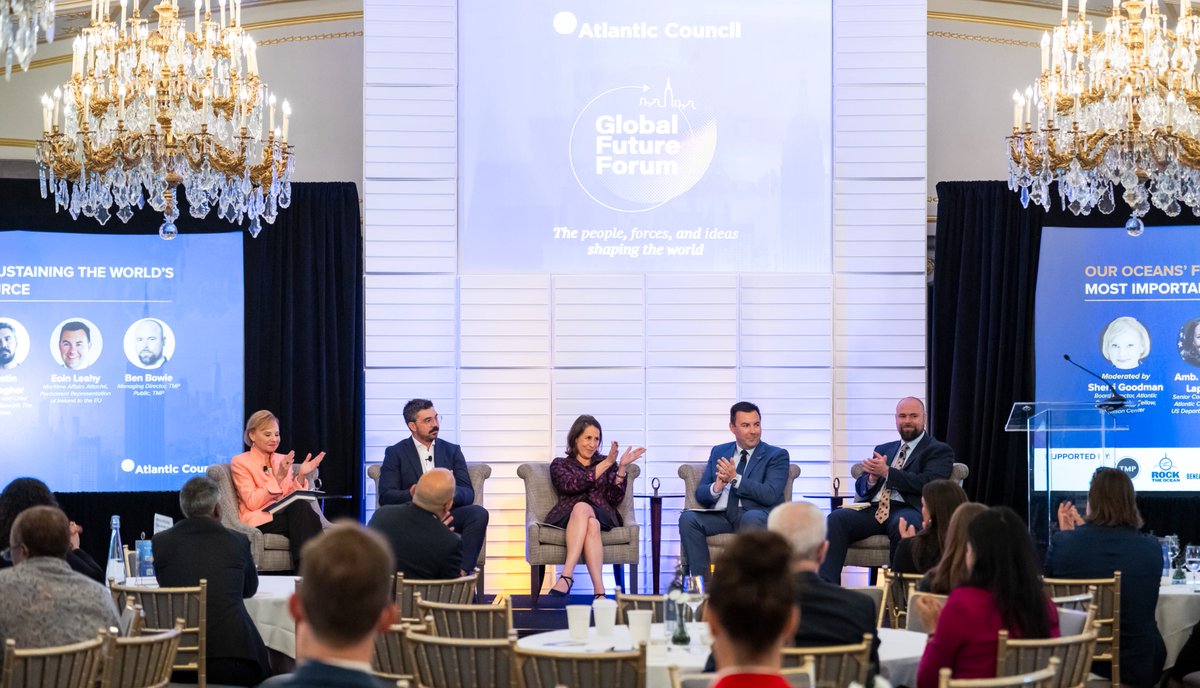
Last week at Climate Week NYC, Dr. Austin Gallagher, Founder and CEO, participated on a panel with the Atlantic Council during the Global Future Forum to discuss ocean security.
In case you missed last week’s Global Future Forum discussion on ocean diplomacy and conservation, read the key takeaways and watch the recording: https://t.co/yeY1F7ndgs of Senior Coordinator for Atlantic Cooperation Amb. Jessye Lapenn, Ireland’s Maritime Affairs Attaché to the EU Eoin Leahy, Founder and Chief Scientist of Beneath the Waves @DrAustinG, Managing Director of TMP Public Ben Bowie, and Wilson Center Senior Fellow @GoodmanSherri. The event was generously supported by @RocktheOcean, @beneaththewaves, and TMP.
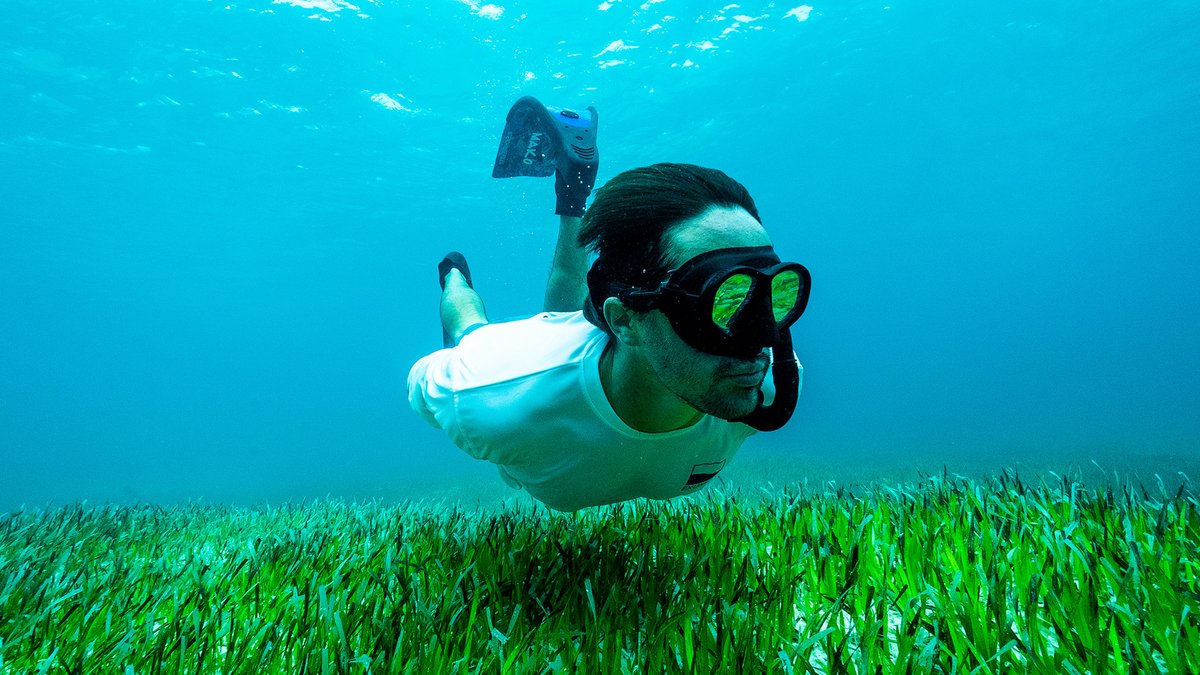
How can you not fall in love with the Mola mola?! ☀️🐟
Our recent expedition was all about sampling, tagging, and getting to know this ocean giant better. In time, we'll gain critical insight into how this fish lives in the open #ocean and what their #genetics can teach us.
No ghouls and goblins here, just some deep-sea trick-or-treaters. 😉👻
Check out the latest shots we captured with our BRUVS. Can you identify any of these species? 🦐🦈
#deepsea#marinespecies#spookyseason#oceancontent
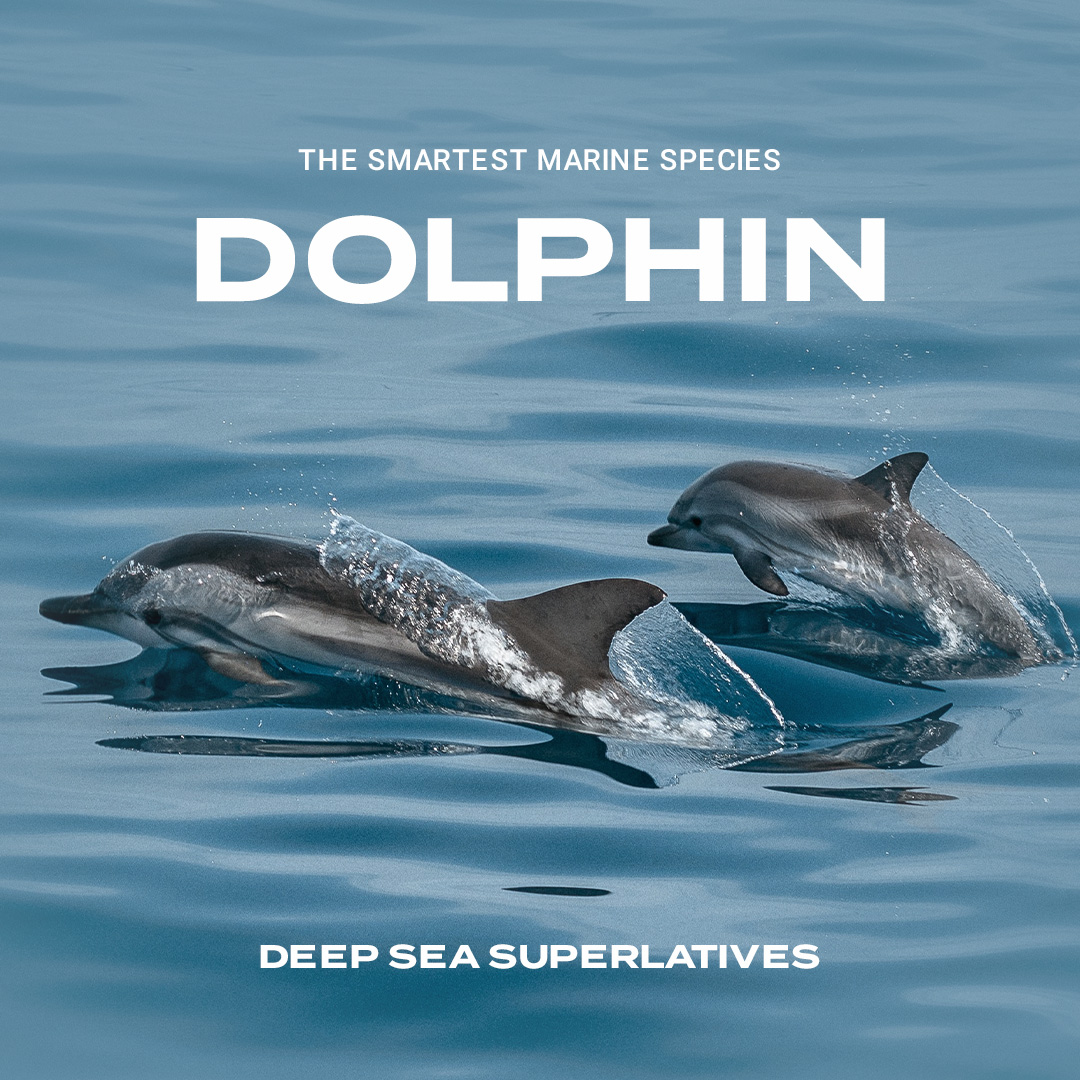
Scientists are concerned that increased ocean acidification and a warming climate could spell bad news for dolphin species globally, but the threat of commercial fishing, coastal development, and seabed mining are the most immediate dangers they face.
Ready to have your mind blown? Orcas are dolphins, not whales. 🙃
If you were today years old when you learned that fun fact, you’ve got a lot to learn about the smartest species to ever swim our oceans. Let’s get into it 🐬.
With a brain weighing 3.5 lbs/1,600 grams, many attribute the intelligence of dolphins to their brain-to-body size ratio. With a larger brain comes more neurons, which make it easier for dolphins to learn new skills, exhibit self-awareness, and communicate socially.
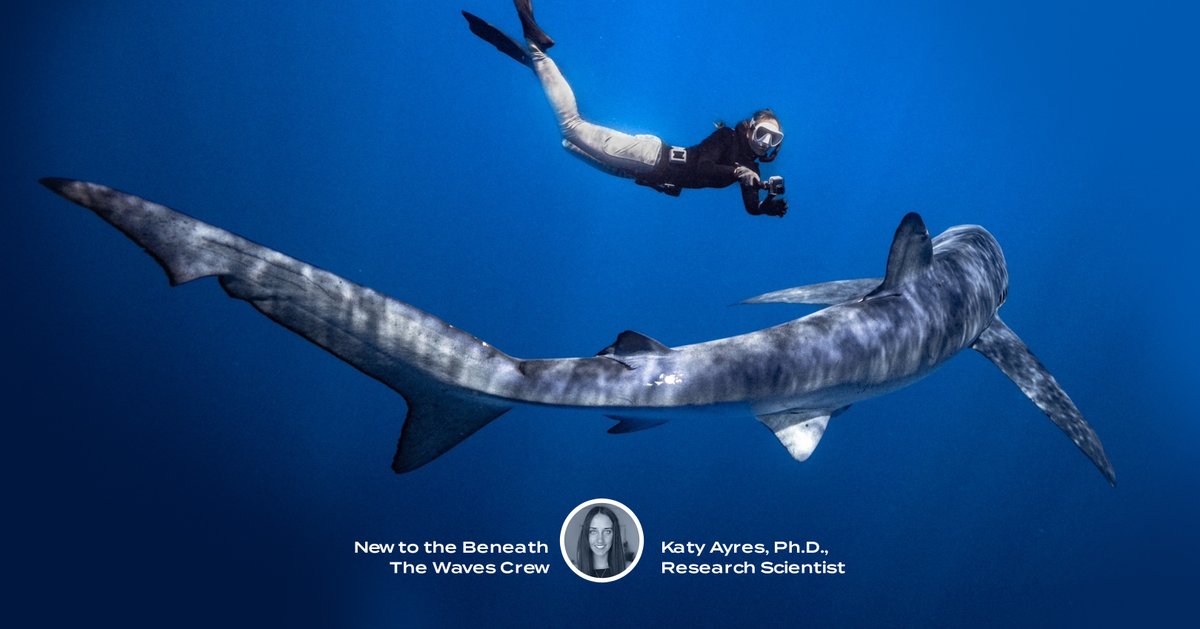
Give a big BTW welcome to our latest addition to the team, Dr. Katy Ayres! Katy is an absolute all-star in the shark ecology space and we’re thrilled to have her join our team as our new Research Scientist. 🤙🦈
Congrats to the newest member of our community and our family! 🎉
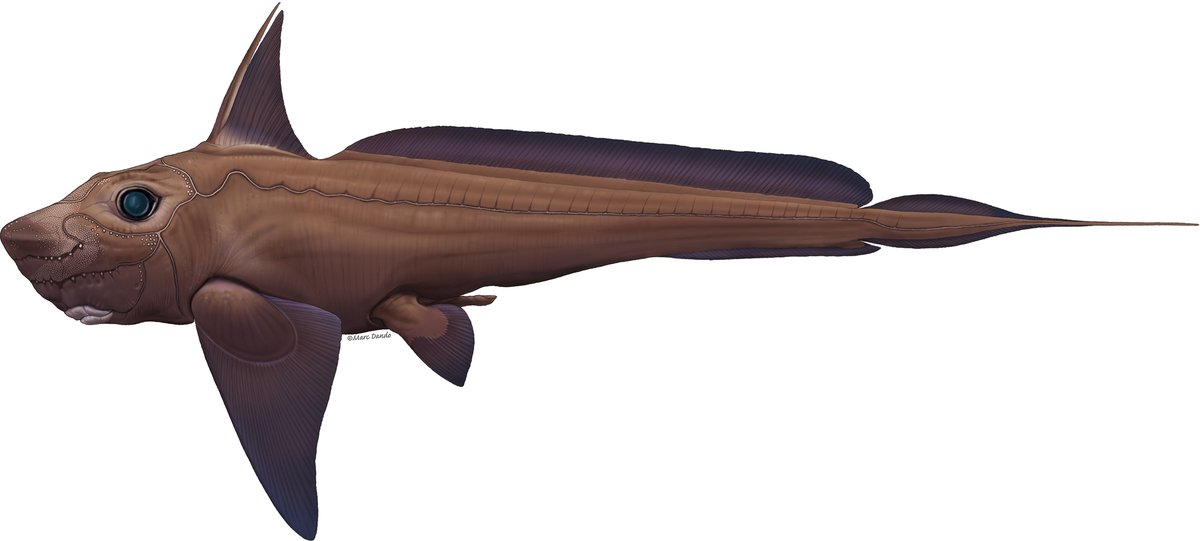
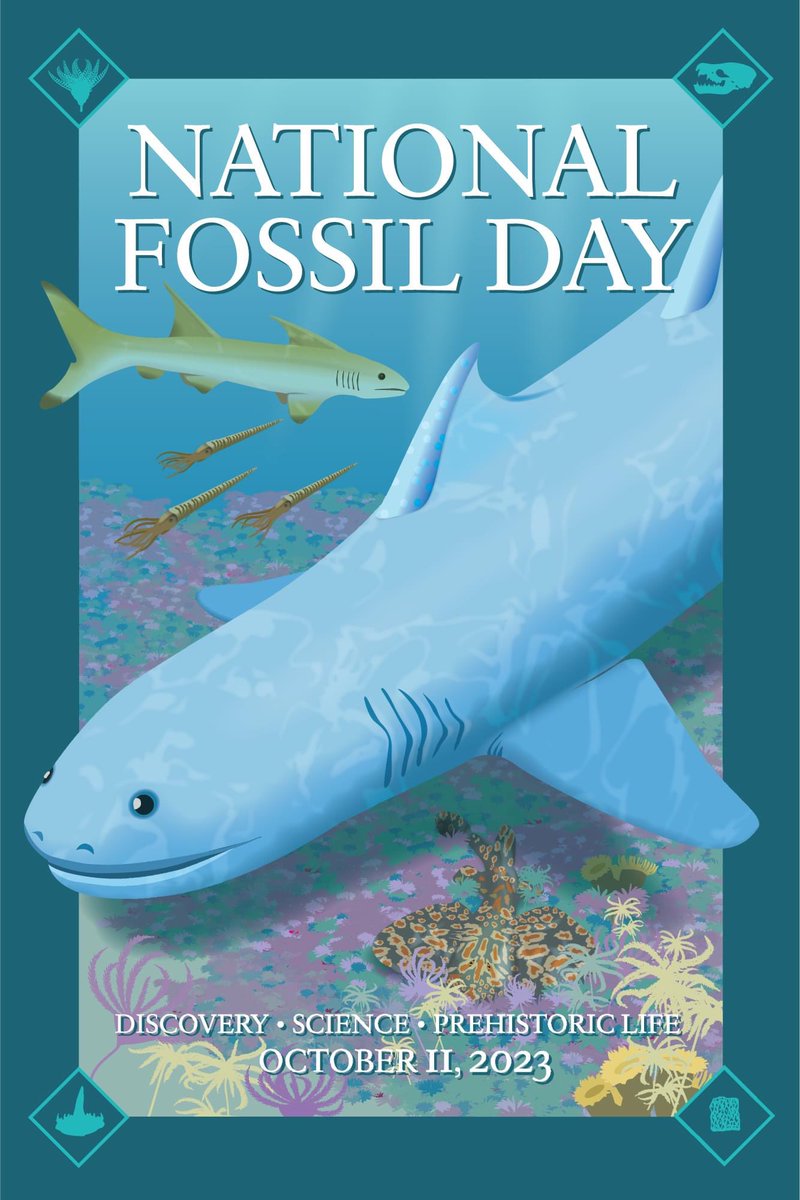
What better way to celebrate #NationalFossilDay than with an ancient new science species? Mammoth Cave National Park is excited to announce the discovery of fossils belonging to Strigilodus tollesonae, an extinct type of petalodont (petaltoothed) shark related to modern ratfish.
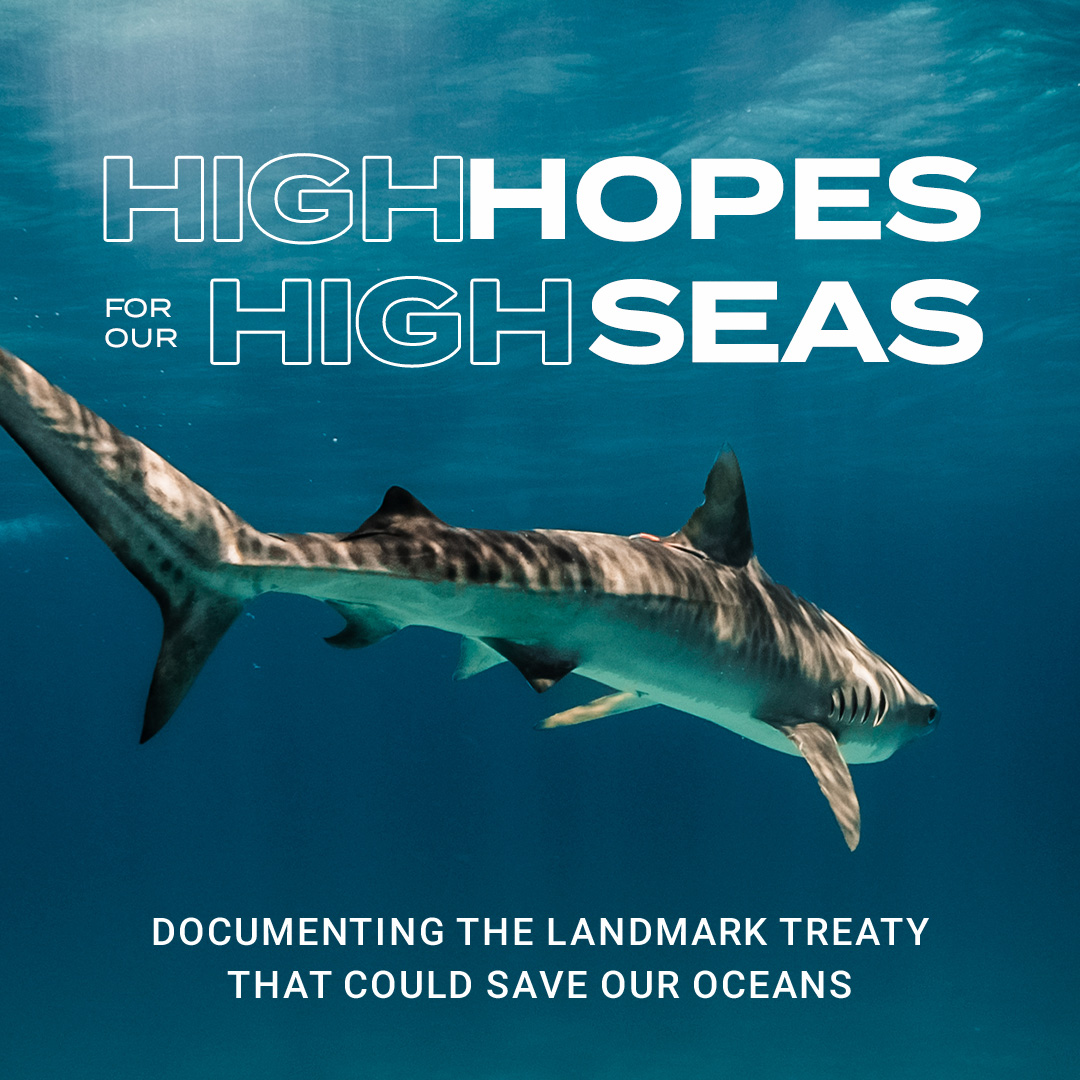
Treaties are tricky, and just because it’s been “approved” doesn’t mean it’s been fully signed and ratified—that means we’re not across the finish line yet. Keep an eye on this space for updates and (hopefully) a cause for celebration! 🌎🌊🤞
Tomorrow, the @UN will meet to discuss and decide on the first-of-its-kind treaty to protect marine life in the high seas that was approved in June of this year, and it’s not an overstatement to say that this one decision could change the course of history.
#ClimateWeek
Oceans sustain us through both producing oxygen and absorbing carbon dioxide. That being the case, you have to wonder: how could it be that only a mere 1% of the ocean is currently protected? This treaty would change all of that. This treaty would change everything.
If we want to beat climate change, we must do more to protect our threatened blue carbon ecosystems. 💙✊
Though we aren't at #ClimateWeek, BTW is on the frontlines using science to protect BCEs and making discoveries like the largest seagrass meadow on earth down in the Bahamas.
The shark’s out of the bag! 🦈 We’ve been dying to tell you about the findings that came out of our recent expedition to the Cayman Island, including our history-making sighting of a Kitefin shark in Caribbean waters! Watch now to see this elusive luminous vertebrate in action.
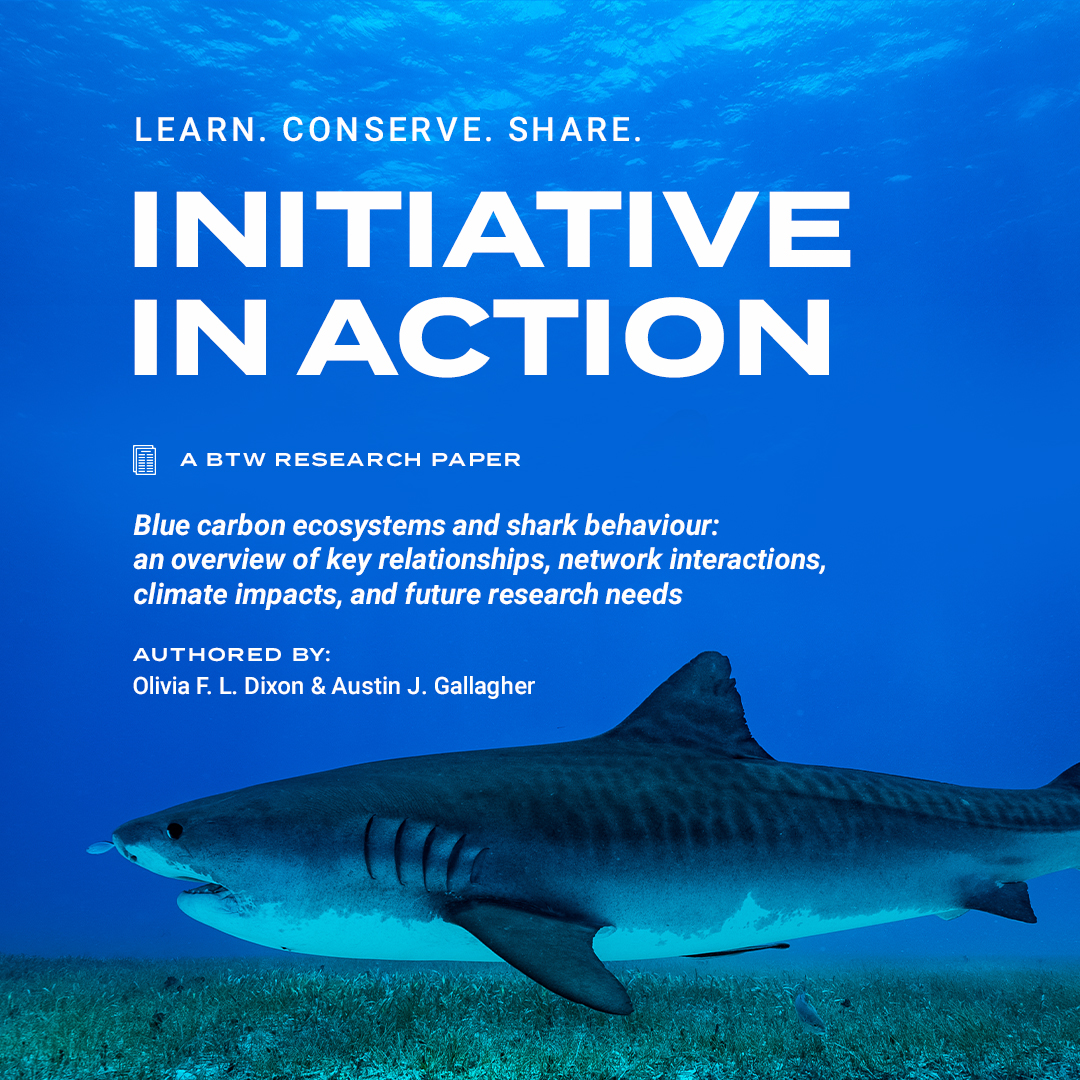
Check out our latest research paper from BTW’s Liv Dixon and @DrAustinG to learn why sharks seek out blue carbon ecosystems and how the ripple effect of this nature-made relationship impacts your world. https://t.co/HVKnY3DRsM
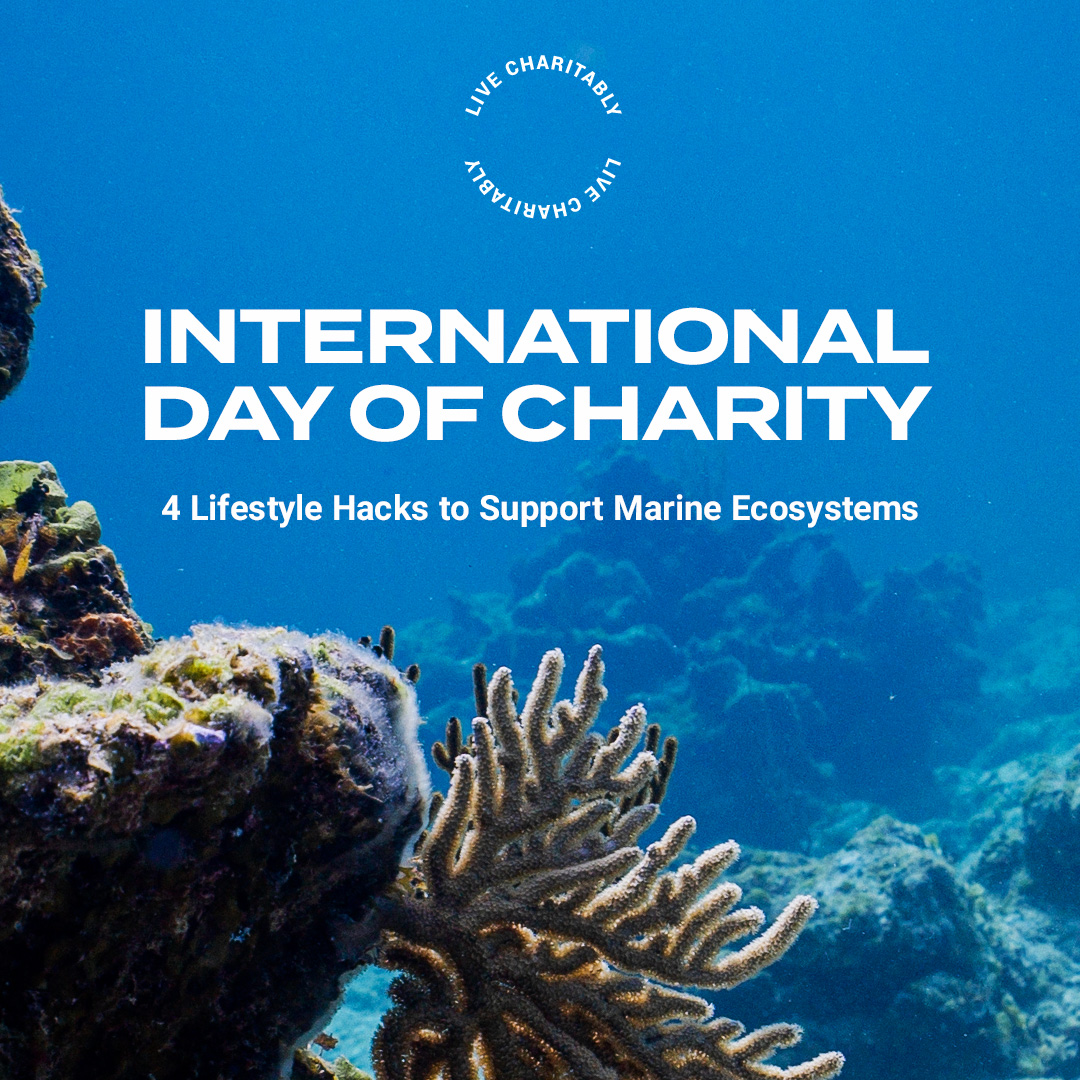
DON’T JUST LIVE IT, GIVE IT 🙌 Living charitably, of course, starts with giving charitably. Your support gets us out into the water to protect marine life by any means necessary. Support us today and show the world you know how valuable our oceans are. https://t.co/hf4mcs9jE2
This #InternationalDayofCharity, we’re asking our incredible community to give what they can in support of BTW’s acquisition of multiple acoustic receivers that will help us monitor shark activity in and around Turks and Caicos when we travel there in Q1 of 2024.
4️⃣ Reduce Your Carbon Footprint - Ocean acidification could impact our marine life up and down the food chain. Reducing your carbon footprint through driving less, walking more, and using less water and electricity can make a big difference.