Nature wrote an article about my role on NASA’s Pandora mission! Aside from being a cutting-edge exoplanet explorer, Pandora serves as a way for early career folks to gain hands-on experience serving in mission leadership roles. Read about it here:
https://t.co/dQkVY67JWH
I was interviewed about NASA’s Pandora mission on “Are We There Yet?” NPR’s space exploration podcast! Listen to me talk about exoplanets, searching for chemicals on other worlds, and how Pandora helps JWST do its job better:
https://t.co/K3PvMVAEVK
🛰️Pandora’s near-infrared detector is a spare developed for @NASAWebb, which is THE observatory most sensitive to exoplanet atmospheres.
Pandora will observe its targets for 24 hours, something flagship missions like Webb, which are in high demand, cannot regularly do.
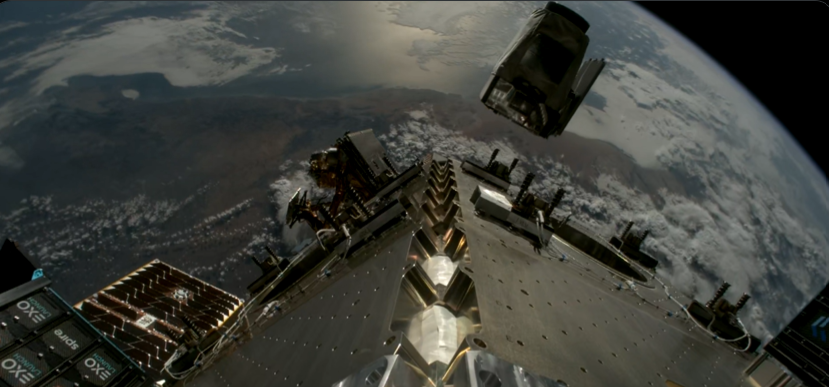
The payloads on this mission will be deployed to a dusk-dawn Sun-synchronous orbit, meaning the spacecraft will be flying roughly along the boundary between day and night, or Twilight, where it's always breaking dawn
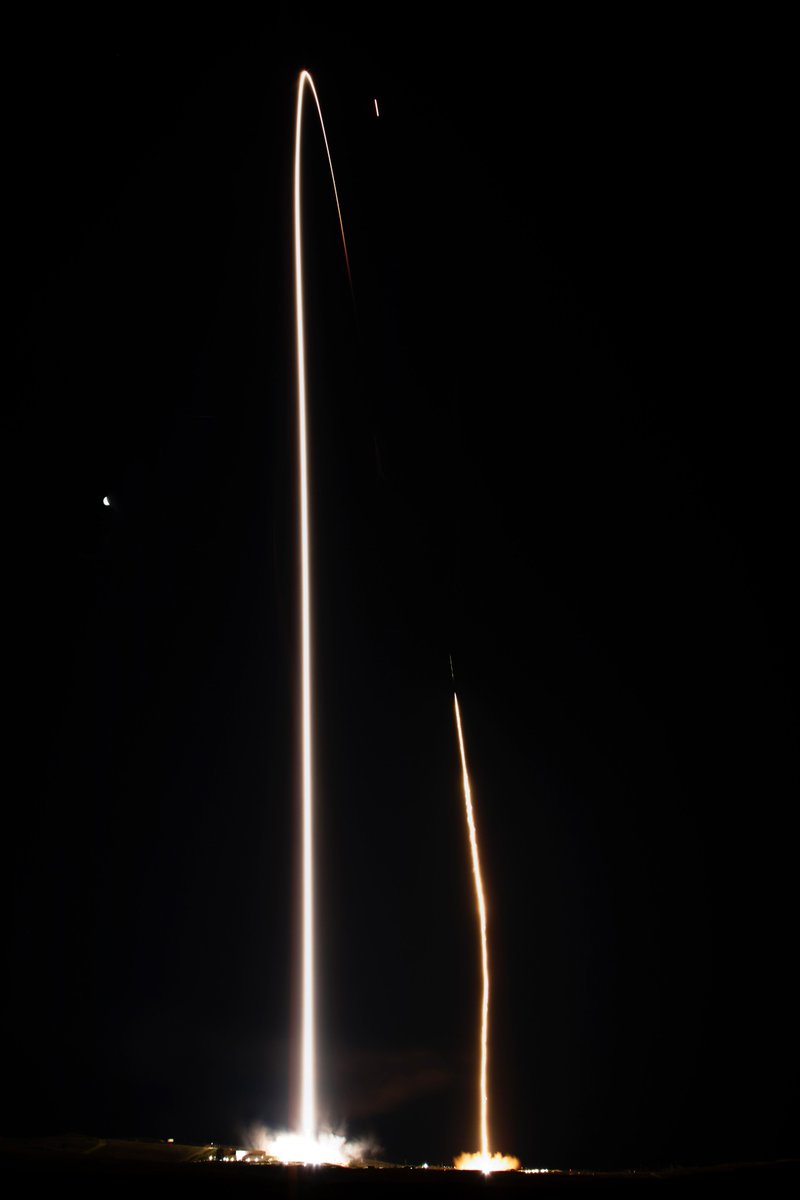
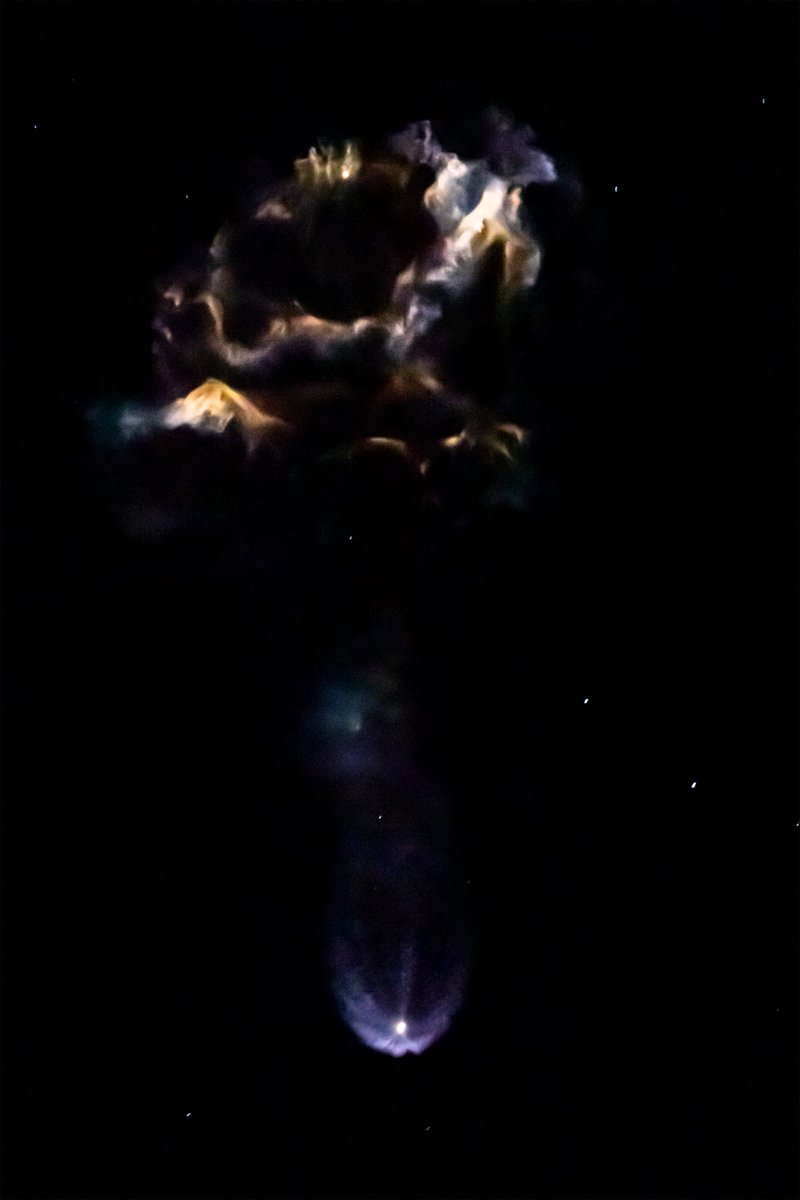
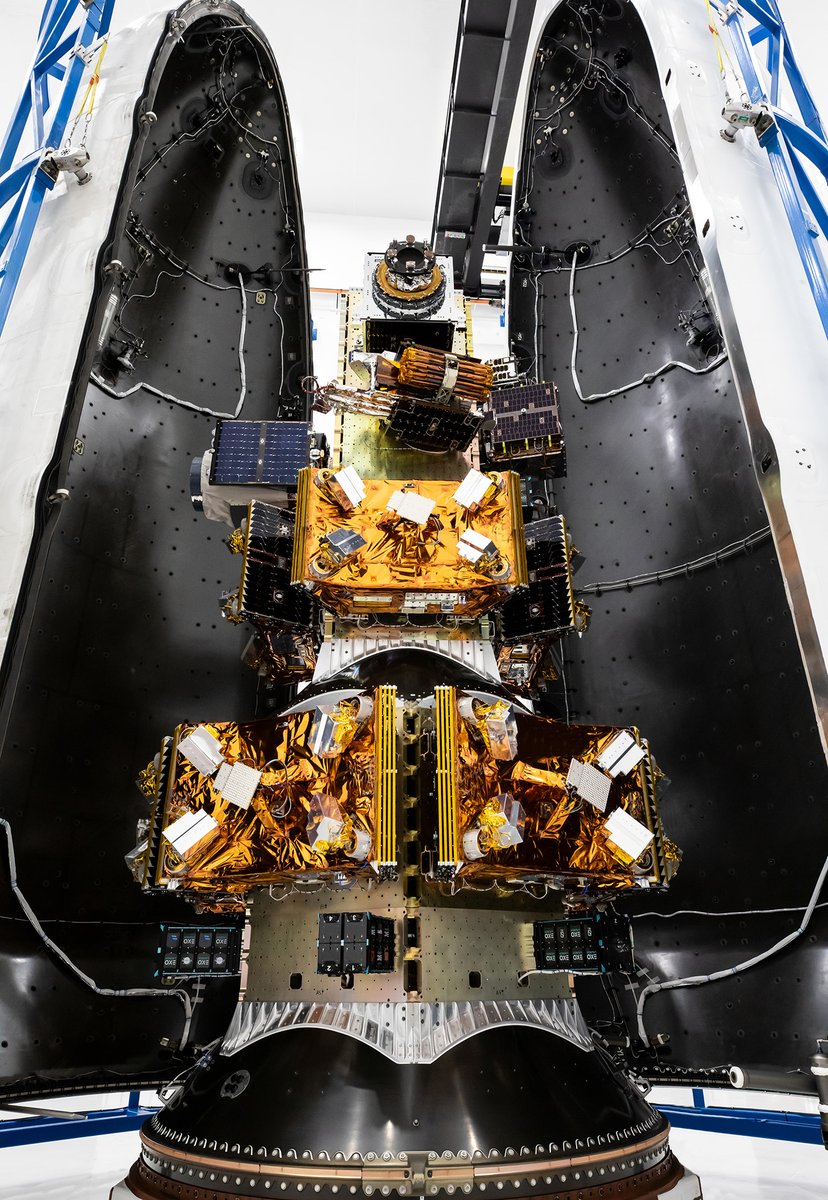
Successful separation! NASA’s Pandora space telescope satellite is in sun-synchronous orbit after deploying from SpaceX’s second stage.
Pandora will soon begin studying planets and their respective host stars beyond our solar system.
https://t.co/AADPOa8hbw
Meet Pandora, @NASA’s first satellite in the Pioneers Program!
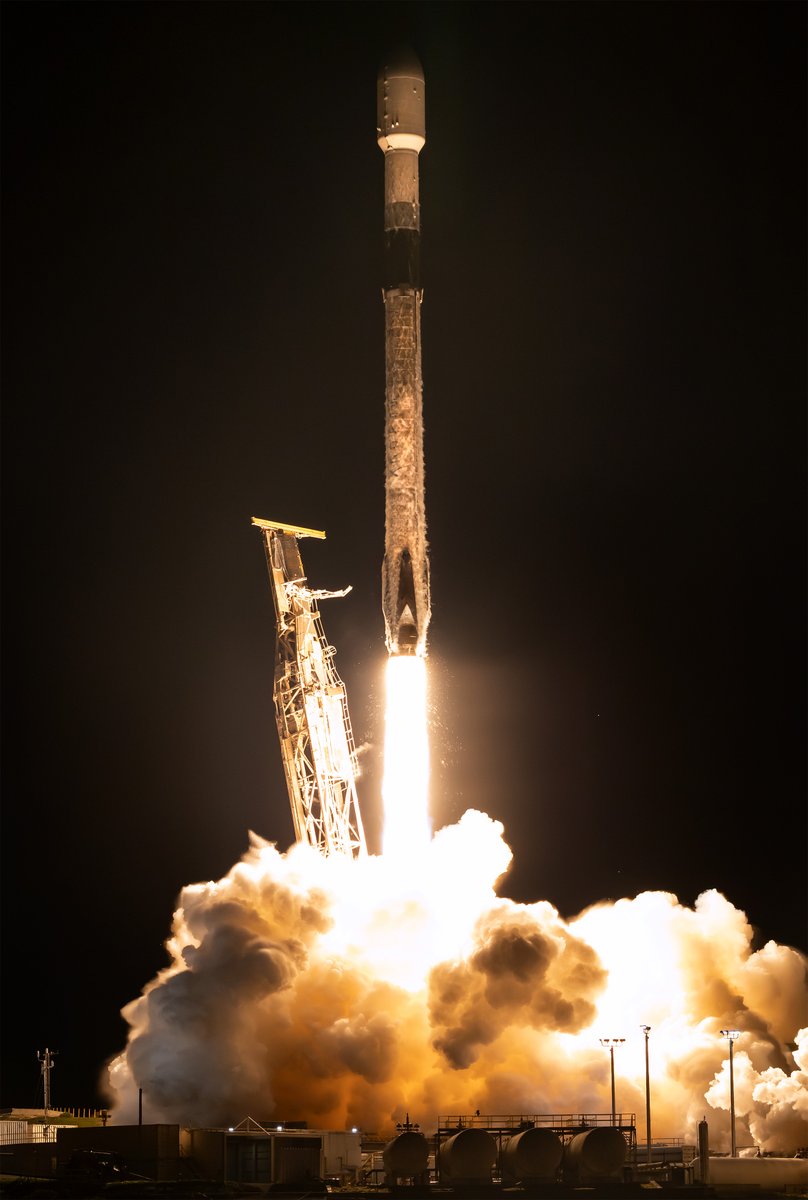
Launching no earlier than Jan. 11 from Vandenberg Space Force Base, Pandora will study the atmospheres of worlds beyond our solar system to help scientists look for chemical "fingerprints." https://t.co/mvgKA9E6IK
🕢 Pandora is on the clock!
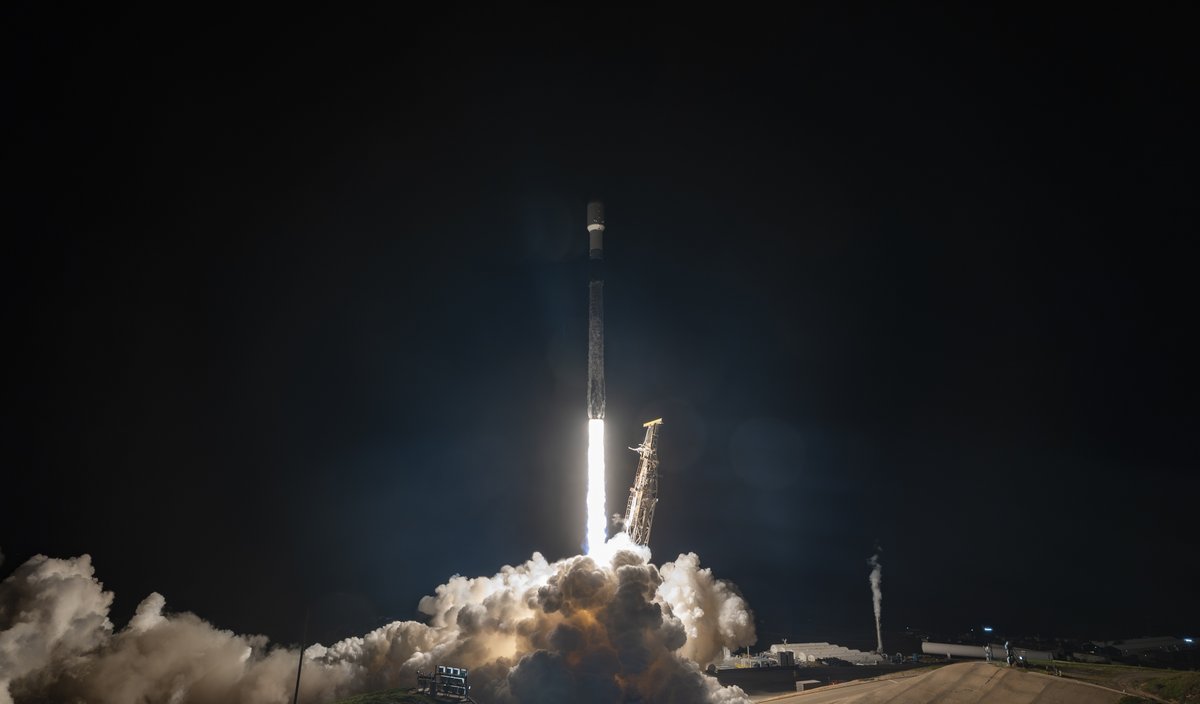
Pandora is part of SpaceX’s Twilight rideshare mission and is targeting launch on Sunday, Jan. 11. The 57-minute launch window opens at 5:19 am PST (8:19 am EST) from Space Launch Complex 4 East at Vandenberg Space Force Base in California.
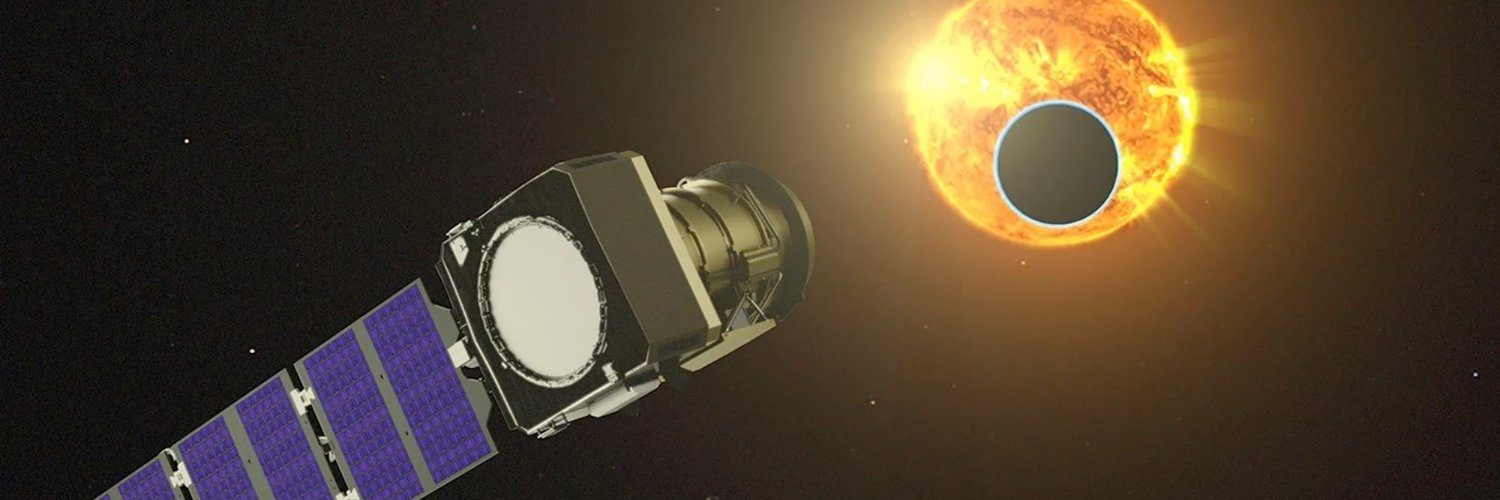
How will our upcoming Pioneer satellite Pandora help us learn about the atmospheres of worlds outside our solar system? By observing planets and stars simultaneously! It'll study stars' spotty surfaces to separate the signal of a planet from its host star: https://t.co/Iv25CGSNC0
The Pandora mission team has been hard at work getting ready for launch. Stay tuned for all of the awesome discoveries that this space telescope will make in 2026!
Pandora, our newest exoplanet explorer, is getting ready to go! Launching in early 2026, Pandora will help astronomers study distant worlds, including the compositions of their atmospheres, as well as the stars they orbit. Get up to speed on Pandora: https://t.co/fGjzQsRuok
NASA’s Pandora SmallSat officially has a launch vehicle! It’ll be hitching a ride on a SpaceX rocket later this Fall. Now the work of scheduling observations of exoplanets and their host stars can begin in earnest!
https://t.co/I4CnOUQZEw
Want to learn more about exoplanets, their atmospheres, and NASA’s Pandora mission to investigate them?
Check out this interview I did with @fcain of Universe Today discussing just that! I promise it’s out of this world: https://t.co/156ylfO3cK
NASA’s Pandora SmallSat Mission is on track for its launch readiness this fall! Pandora will observe 20+ exoplanets and their host stars to precisely measure water and clouds/hazes in the planets’ atmospheres.
Check out the press release (and video!) here:https://t.co/60TutmXM7v
Idk but encouraging all NASA employees to rat on their colleagues engaging in secret DEIA activities through a dedicated enforcement resource seems like a big goose step in the wrong direction 🤔