Documents that lay out a research group’s ethos and practical guidelines are becoming increasingly popular in the academic community
https://t.co/ET9NdbIlsQ
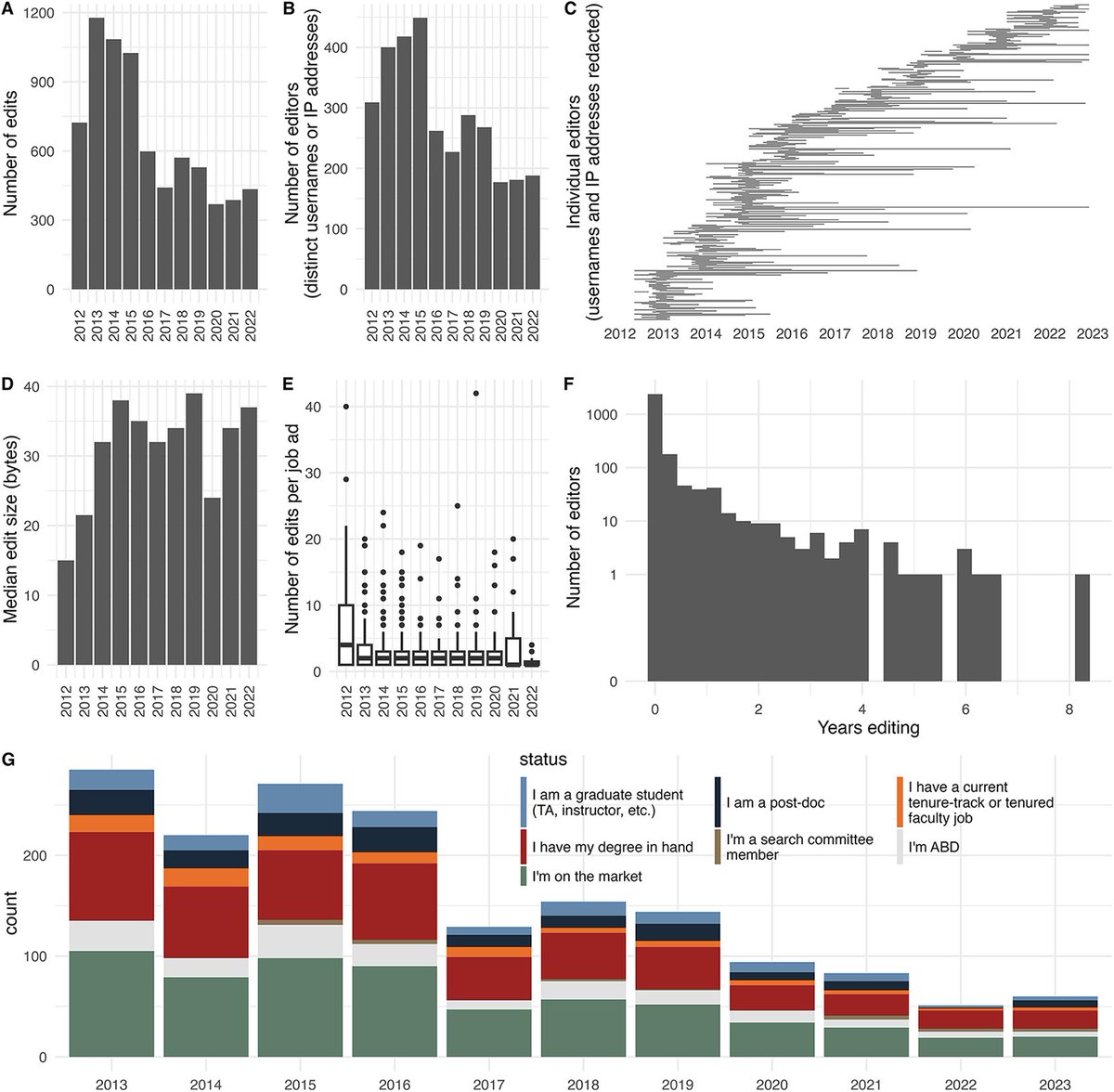
Patterns we noticed:
- environmental & public archaeology dominate;
- Indigenous & historical archaeology spike ~2019–21;
- digital methods rise;
- hyper-specialized artifact methods barely appear.
More details: https://t.co/HKgT4QePEG
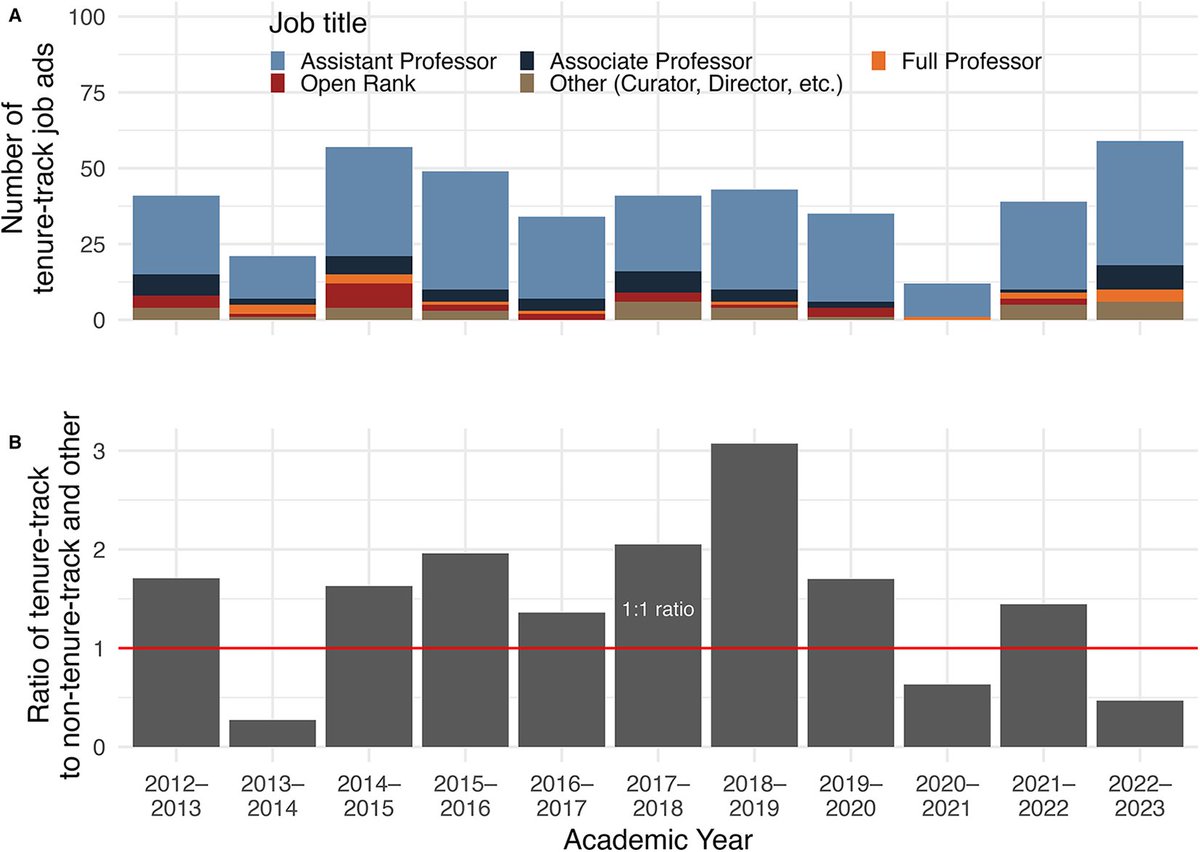
We looked at 10 years of archaeology tenure-track job ads (2013–2023) to see what departments actually ask for: topics, methods, regions & application materials.
Paper: https://t.co/HKgT4QePEG
Data and R code used for the study are openly available here: https://t.co/3BB7PInxxL
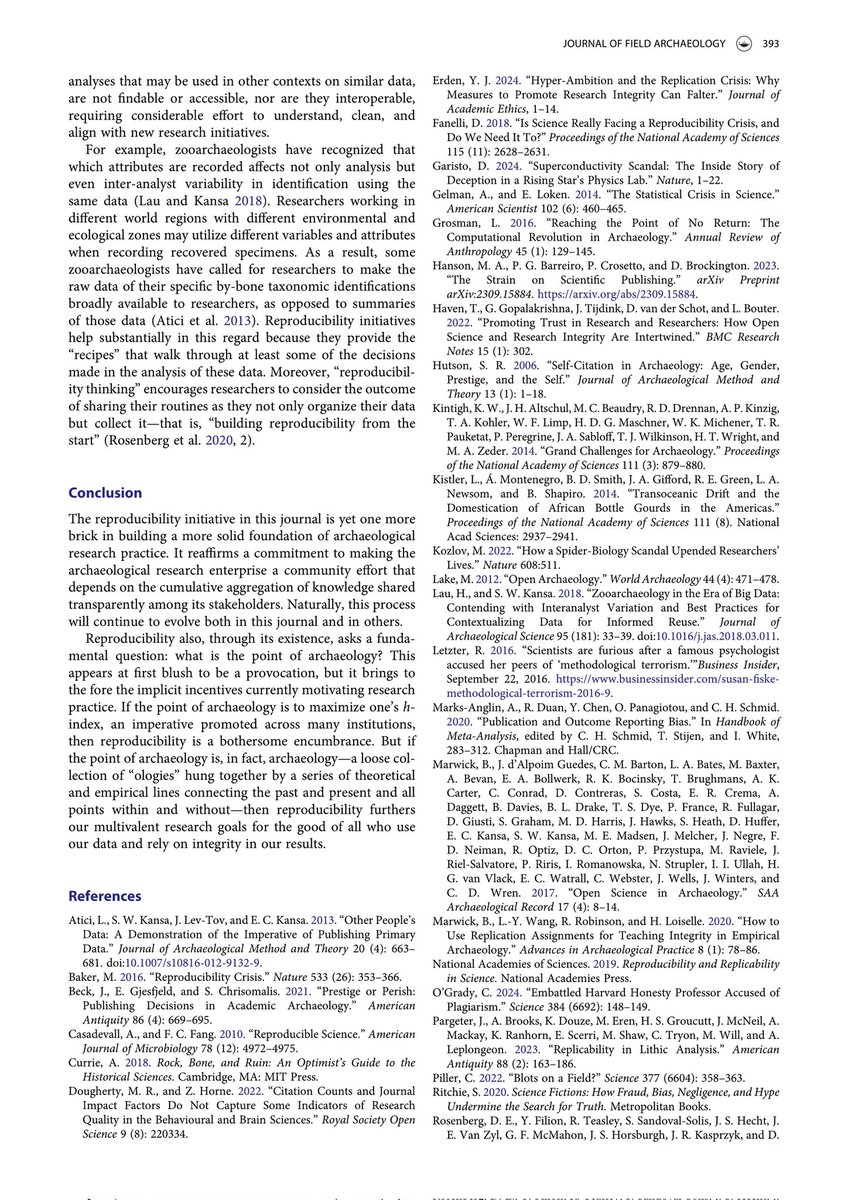
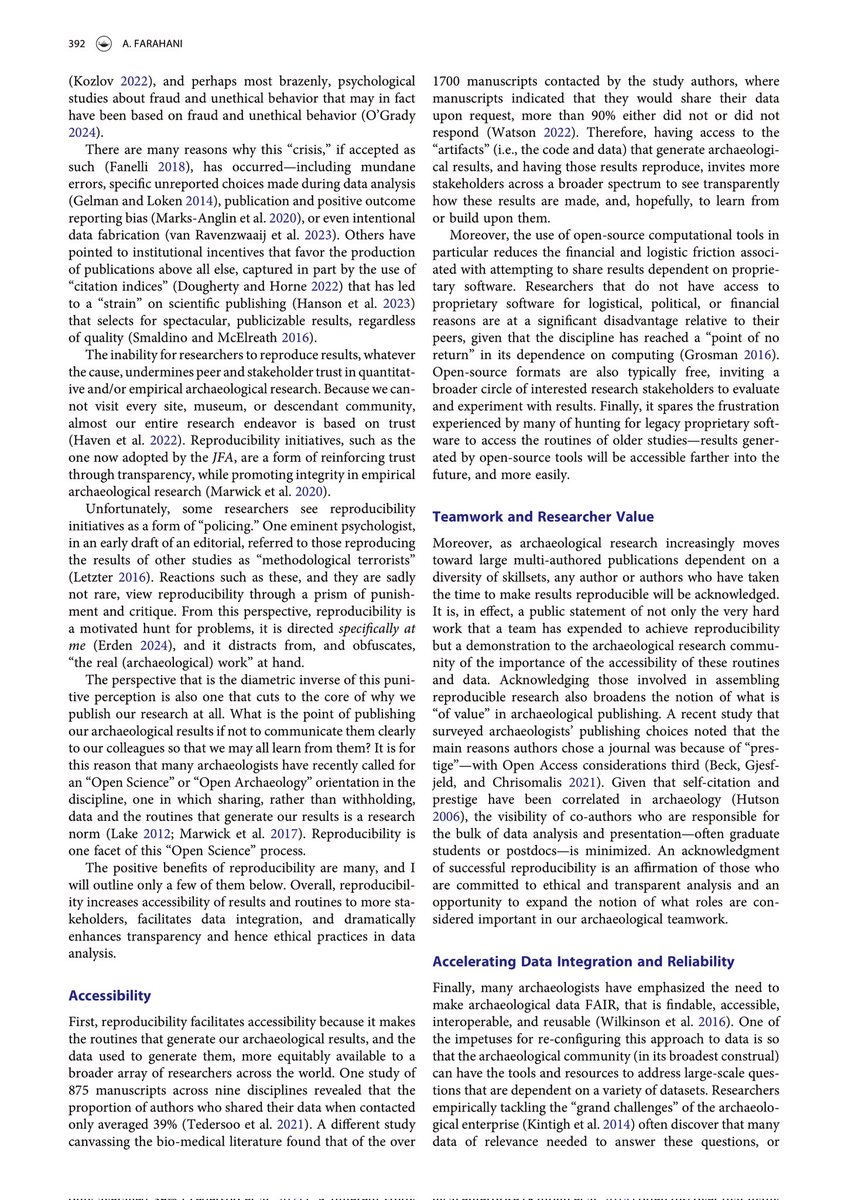
Congratulations to Alan Farahani, the inaugural Associate Editor for Reproducibility for the Journal of Field Archaeology @J_F_Archaeology https://t.co/4mN8vP3dhD
📢 Publication Alert!
Pleased to share our latest paper from the @encounter_erc published on @AntiquityJ where we explore the demographic impact of rice agriculture in prehistoric Japan
https://t.co/IZuUKq7Jj9
[🧵🗾📈🌾below ]
@justin_pargeter @aap_saaorg Thank you, would you be interested in offering to do this for JHE (since you're on the editorial board)? I see a few very interesting papers there that mention using R but don't have any code or data available...
Introducing the Associate Editor of Reproducibility for Advances in Archaeological Practice @aap_saaorg https://t.co/uhAGbGayaI
This initiative contributes to making archaeology more transparent & accessible & a source of trustworthy & reliable information about the human past.
@a_eleftheriadou Very interesting! Did you attempt to reproduce the results of any of papers that used AI? I find that papers on deep learning in archaeology are some of worst for reproducibility. Code is rarely shared, and when it is, it's typically very poorly documented and unusable.
An interesting new technique that unlocks the full potential of Bayesian MCMC analysis, and offers a way around the problems of subjectively codification of continuous variables in archaeology and material culture
🚨 New publication alert! 🚨
1/6 🏹Using a a state-of-the-art #Bayesian#phylodynamic framework, we explore the evolution of projectile point shapes during the European Final #Palaeolithic and earliest #Mesolithic (approximately 15-11ka BP). https://t.co/Pcuaypc5A1
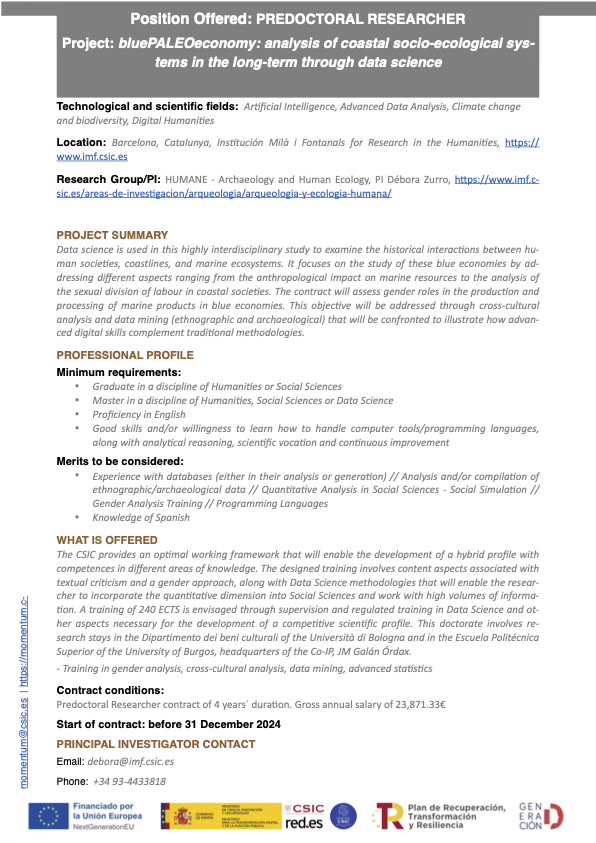
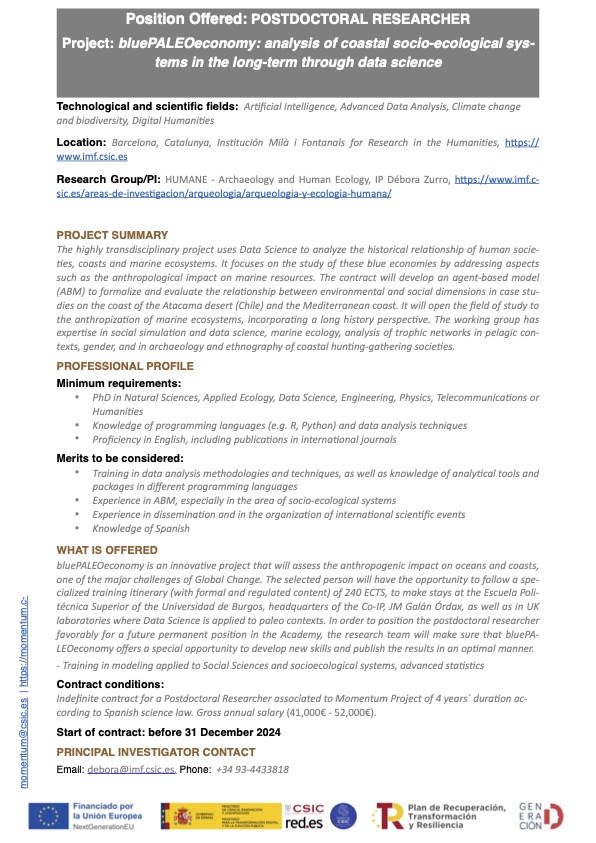
are you interested in ...🧐
-paleo and transdisciplinarity?
-data science and coastal socioecological systems in the long term?🐟
Interesting job offers to join us in Human Ecology and Archaeology research group in the biggest research institution in Spain, CSIC @imfcsic@CSIC
@StahlschmidtC Thanks so much for your kind words! This interview was led by two undergrad students (1st and 2nd authors) who did this for a geoarchaeology class project (a class that Julie established at UW)
Wonderful Interview with Julie Stein and the early days of geoarchaeology @benmarwick I definitely consider her paper „Deposits for Archaeologists“ as foundational https://t.co/gILDGx7nde
🎤 Alexandra DiCiro, Nathan Mitchell and @benmarwick's interview with pioneering geoarchaeologist Julie K. Stein:
"Everything is a Deposit"
https://t.co/nuAhStgcP3
4/5
We are seeking a postdoc researcher for a 10-month project (possibility of extending to 20 months) to deepen our understanding of the cultural significance of personal ornaments in Palaeolithic societies https://t.co/WzPg3LGmzE @univbordeaux@CNRSecologie@CNRSAquitaine
An honor and privilege to be a resource person for this workshop on Archaeological Ethics in Southeast Asia, w/ Rasmi, Douglas, Katy, @benmarwick and Phaik Yeong. Hopefully our dialogues instigate new collaborations between us working across our region. 💭
#archaeology#ethics
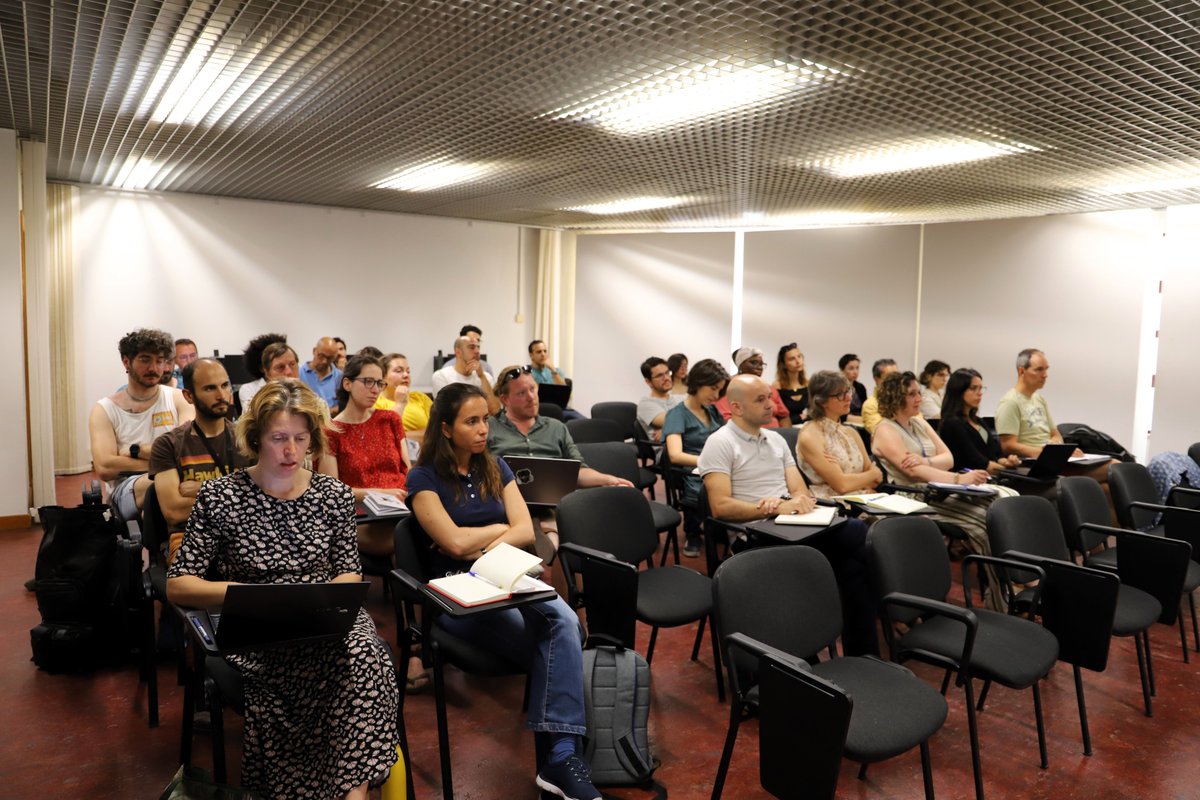
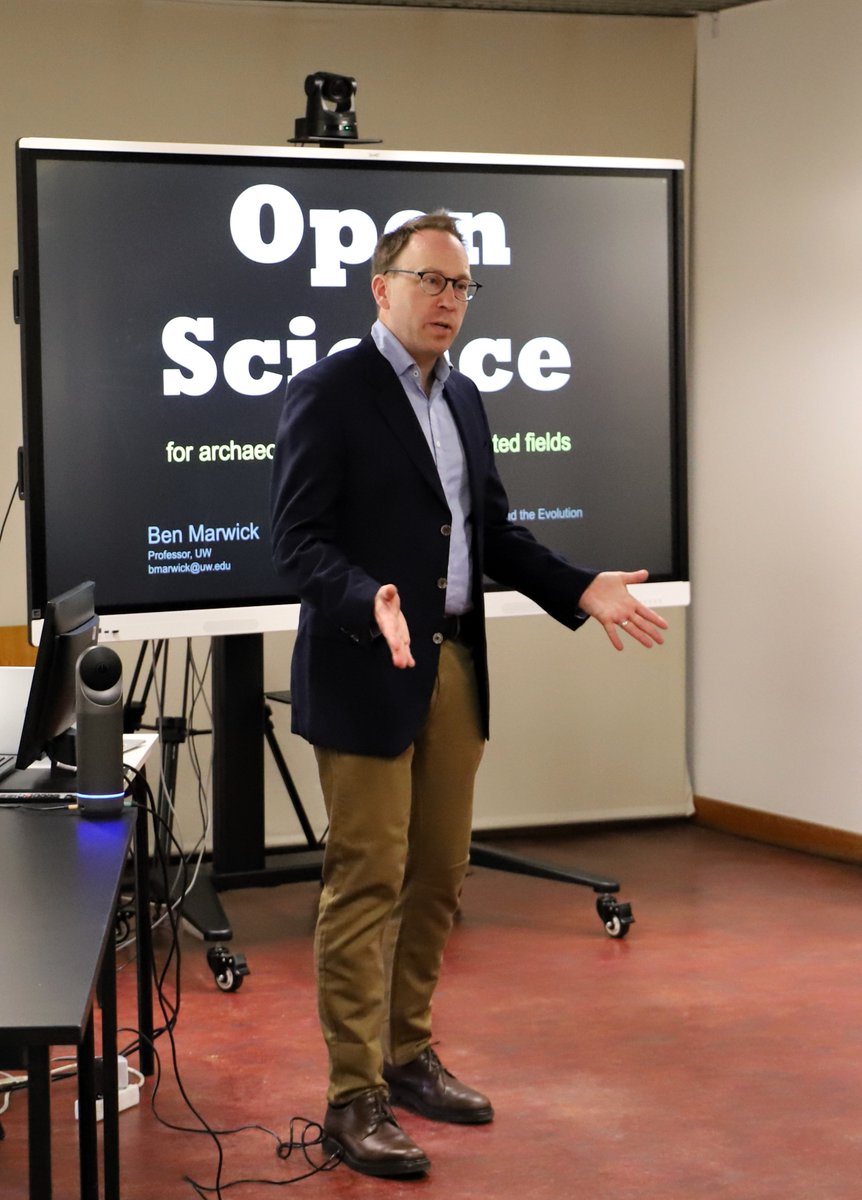
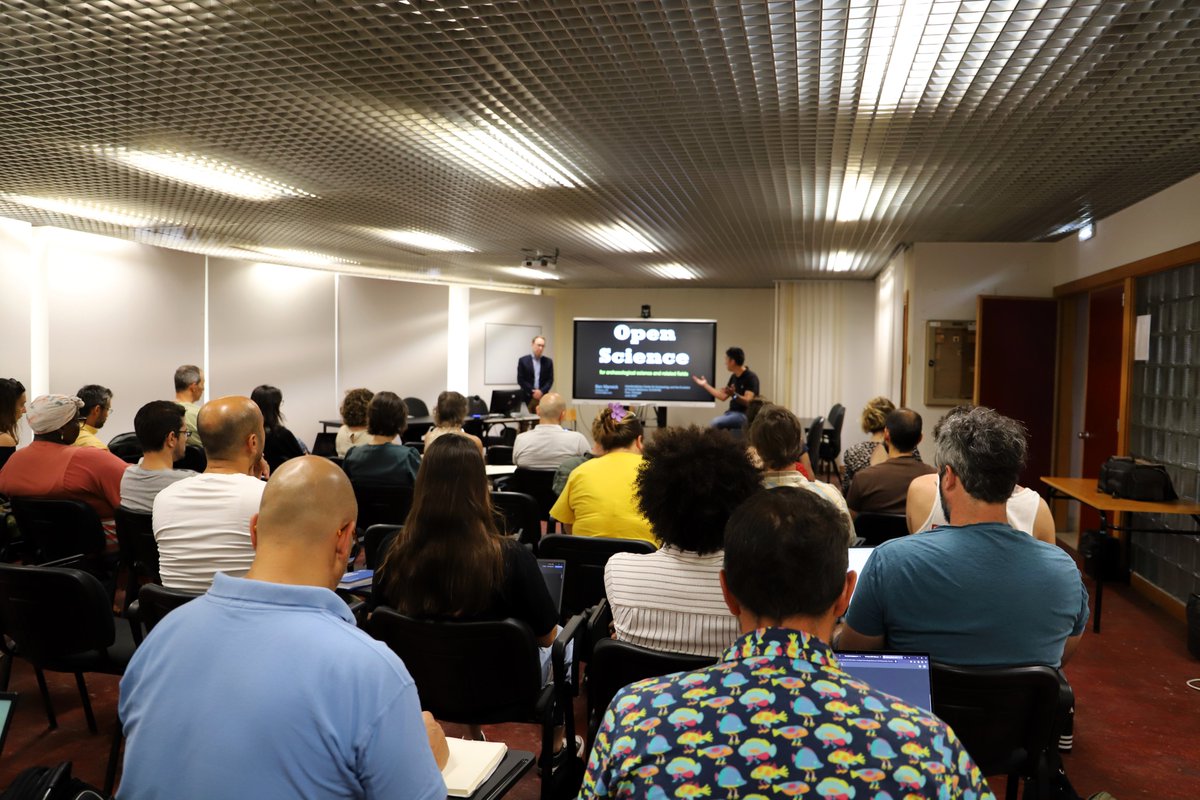
From June 2-5 ICArEHB hosted Ben Marwick from the University of Washington for a workshop on Open Science. As it becomes key for research funding, we aim to adopt best practices and build a strong Open Science culture. Thank you to Ben and all attendees! #OpenScience#Archaeology
The Journal of Archaeological Science (JAS) now does a "reproducibility review" as part of the submission process: https://t.co/MEqOYJjKiJ If your manuscript mentions using an open source programming language, it will get this review, in addition to the normal peer reviews.