It's #DyingMattersWeek
We're all going to do it. Shouldn't we get our minds around what to expect?
Here's a 3 min guide. If you like it, please share it.
https://t.co/01PL87Hqol
I had a conversation today about the difference between "kindness" & "niceness" in leadership so I decided to post about it. The article & graphic explain why, as leaders, we should choose kindness over niceness. Kindness is about caring enough to push people toward greatness, even when it’s uncomfortable. It’s a harder path but better in the long run:
https://t.co/8fow4ZEmWN. By @emb928
Graphic: @thejustinmecham via @dangrimes1980
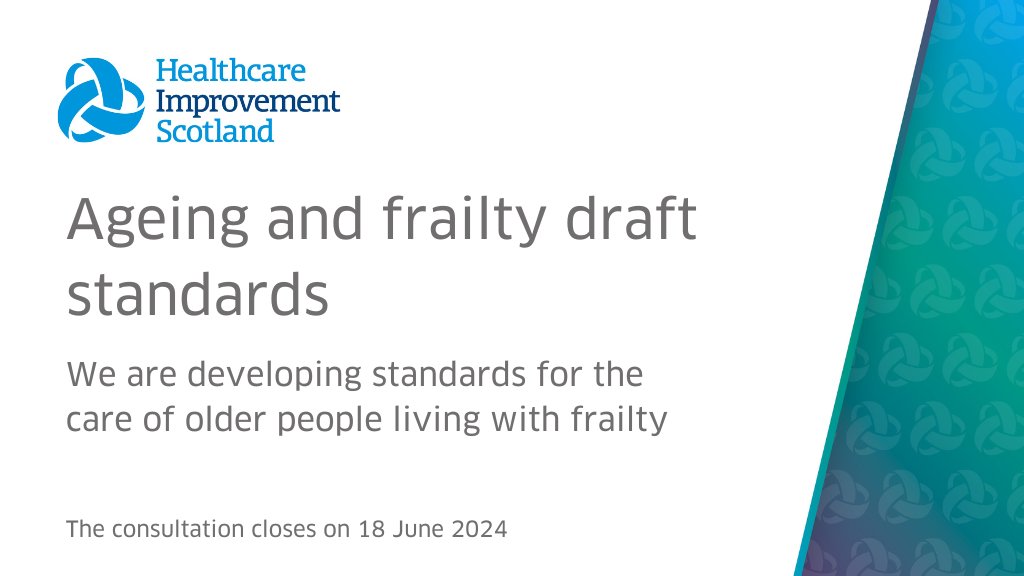
We are developing standards for the care of older people living with frailty. We welcome feedback on the draft standards.
The consultation closes on 18 June 2024.
Click the link in the comments to access the standards.
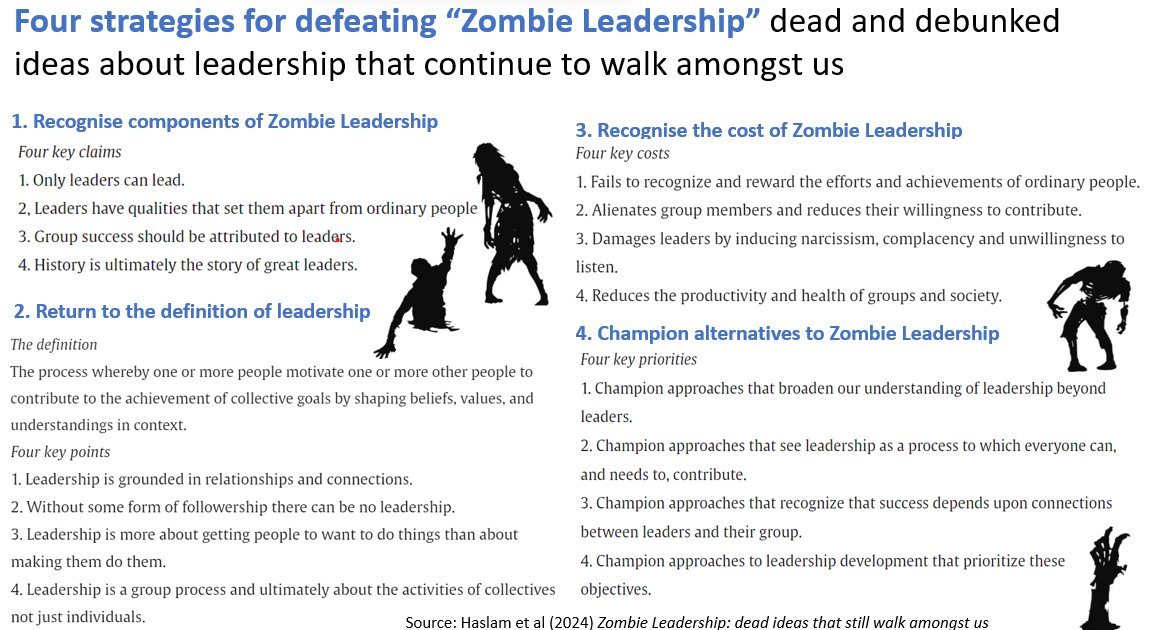
"Zombie Leadership": dead & discredited ideas about leadership that continue to walk amongst us. They continue to be propagated by the media, popular books, consultants, workforce practices & policy makers. They stop more effective leadership practices from becoming mainstream. Four strategies to defeat Zombie Leadership:
1) Recognise components of Zombie Leadership
2) Return to the definition of leadership
3) Recognise the cost of Zombie Leadership
4) Champion alternatives to Zombie Leadership
https://t.co/3WYn2G3A2v. By @alexanderhaslam et al, via @BenJaneFitness.
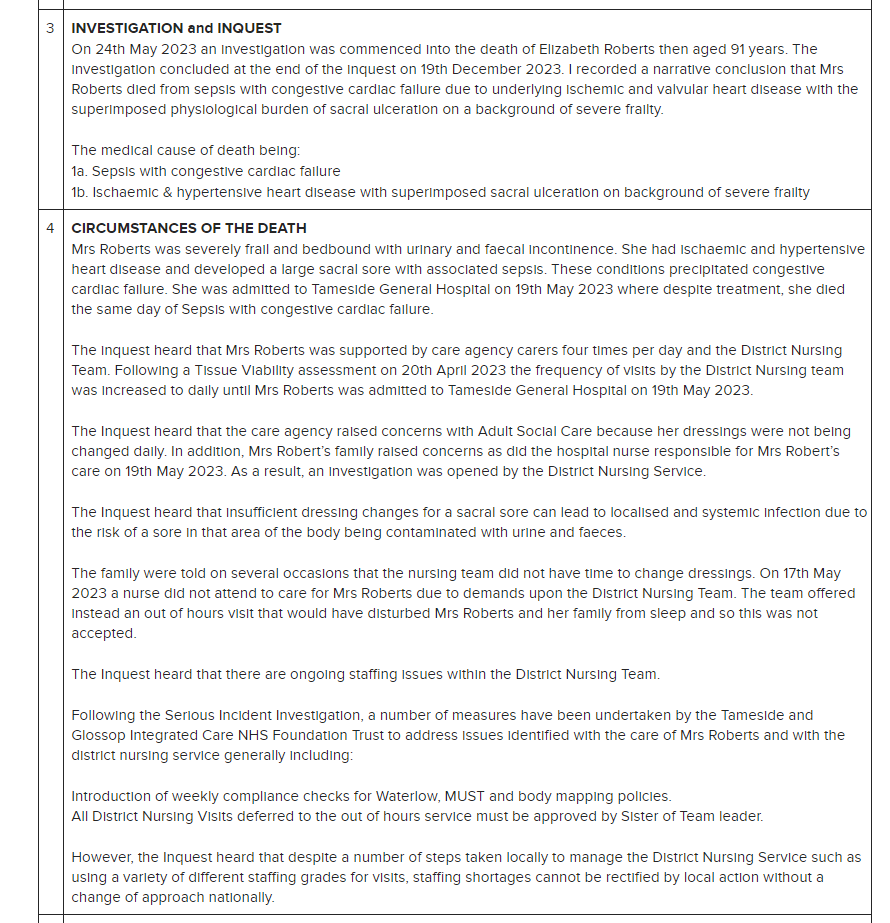
The shortage of district nurses to provide vital care in the community can lead to avoidable deaths. An important coroner's report here - the numbers of DNs has more than halved since 2010:
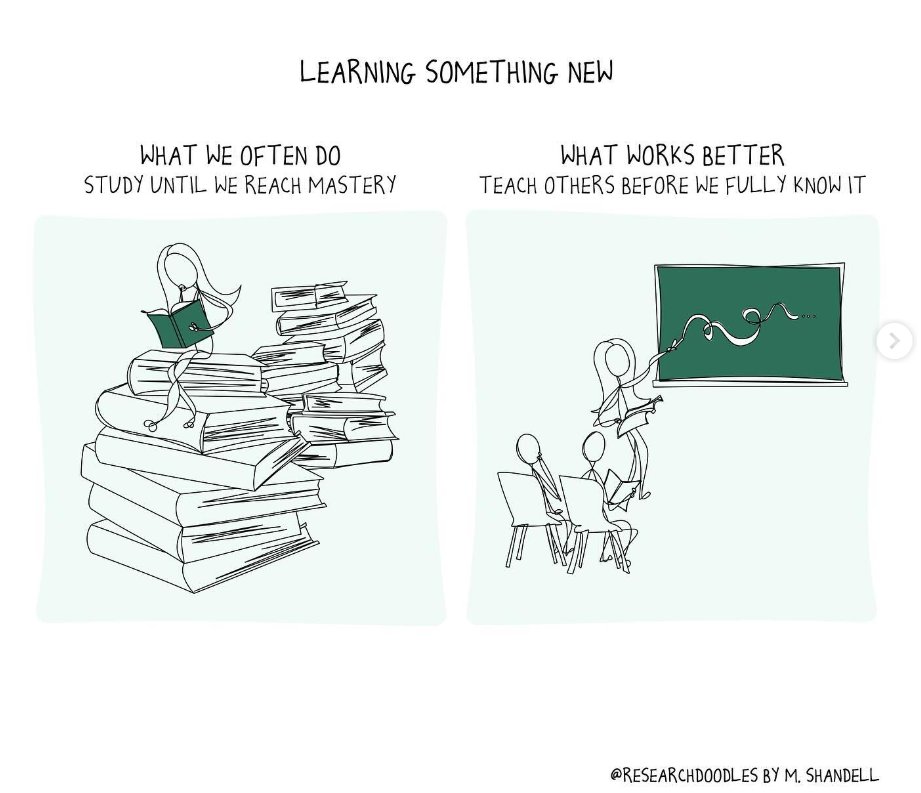
One of the most effective ways we can learn something new is to teach it to others. It’s called the "tutor effect": we gain and retain knowledge when we explain it to other people. Helping others with something we haven’t nailed yet ourselves can move us closer to expertise. HT Marissa Solomon Shandell @ResearchDoodles on Instagram: https://t.co/pIA0BhBPzn
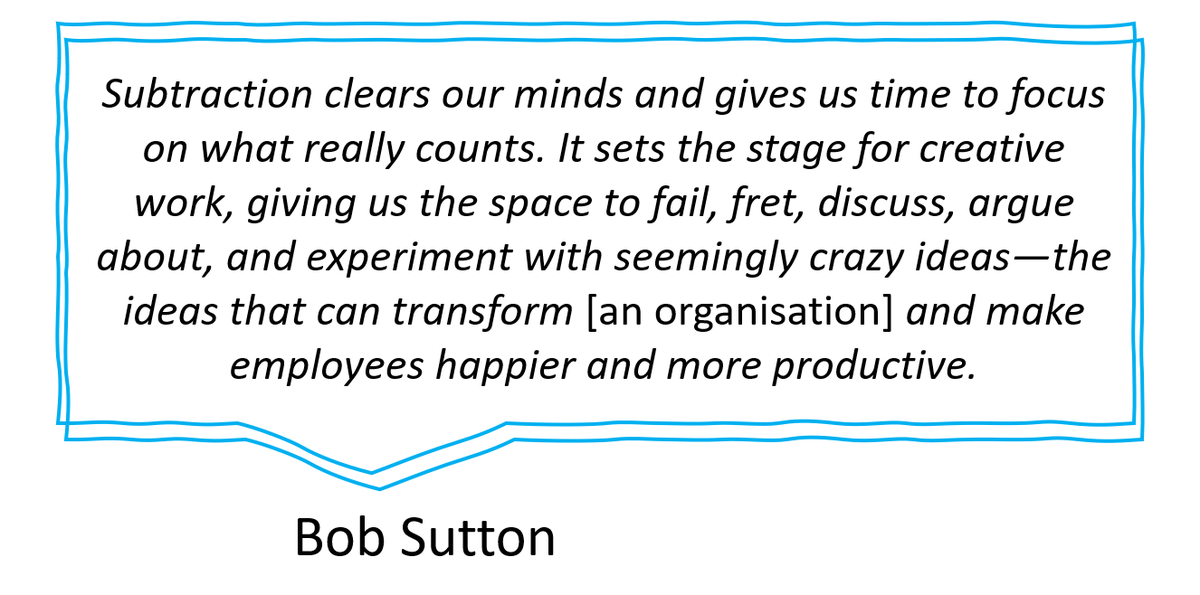
Organisations, across multiple sectors, are plagued by "addition sickness": the growth of unnecessary rules, procedures, & roles that stifle initiative, productivity & improvement. Leaders should act as "editors in chief" of their organisations; relentlessly eliminating or repairing things that distract, bore, infuriate or exhaust people. Two steps:
1) Conduct a good-riddance review to identify obstacles that can & should be removed
2) Use subtraction tools to eliminate those obstacles or make it difficult for people to add them in the first place
https://t.co/k8VJkuYKL3
By Bob Sutton (@work_matters) & @huggyrao
Some additional tools and resources (recommended by me):
"Breaking the rules for better care" by @TheIHI: https://t.co/mdrIgP1Grv.
Using strategic subtraction to fix meetings by @asana: https://t.co/iQ9bZDdCYD