A new milestone for humankind: The crew of Artemis II are now the farthest any human has ever travelled, reaching a maximum distance of 252,752 miles from Earth.
This surpasses the previous record set by Apollo 13 in 1970 by about 4,102 miles.
We see our home planet as a whole, lit up in spectacular blues and browns. A green aurora even lights up the atmosphere. That's us, together, watching as our astronauts make their journey to the Moon.
In just a few days, we'll be sending humans on a flight around the Moon. Have you watched our documentary series on the mission?
Watch Moonbound before Artemis II lifts off: https://t.co/ZR60WWIumd
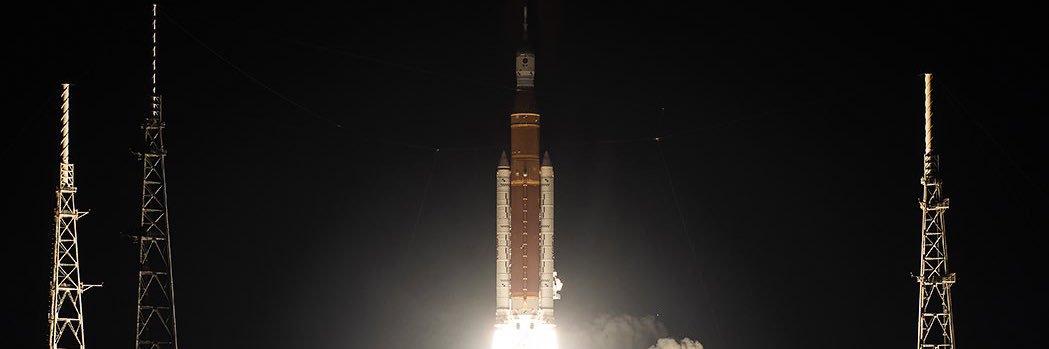
The last few months, and all the work that went into Ignition, was honestly the easy part. The very hard part is everything we do from here forward..
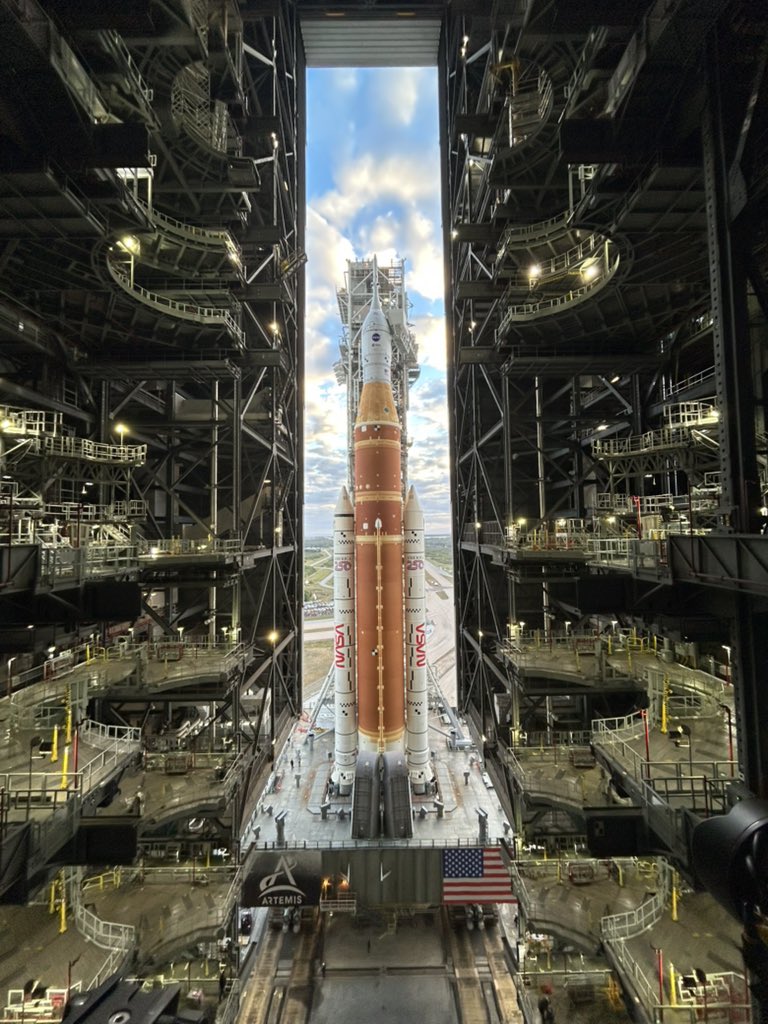
We are days away from Artemis II astronauts flying around the Moon. Then we immediately begin pulling in hardware and stacking for Artemis III in 2027. We have a Moon base to build, a nuclear spacecraft, SR-1 Freedom, to launch to Mars, and all the science and discovery that comes along with these inspiring endeavors.
Extremely difficult, in fact near impossible, is what the American people should expect and it is what we intend to deliver 🇺🇸
Thank you to the NASA workforce, industry partners, and international allies who made Ignition possible.
We have the vision, resources, and experience. Now we move beyond presentations and PowerPoint and execute @POTUS’s vision for space superiority.
It’s time to start believing again.
Triumph turns to near disaster 60 years ago this morning
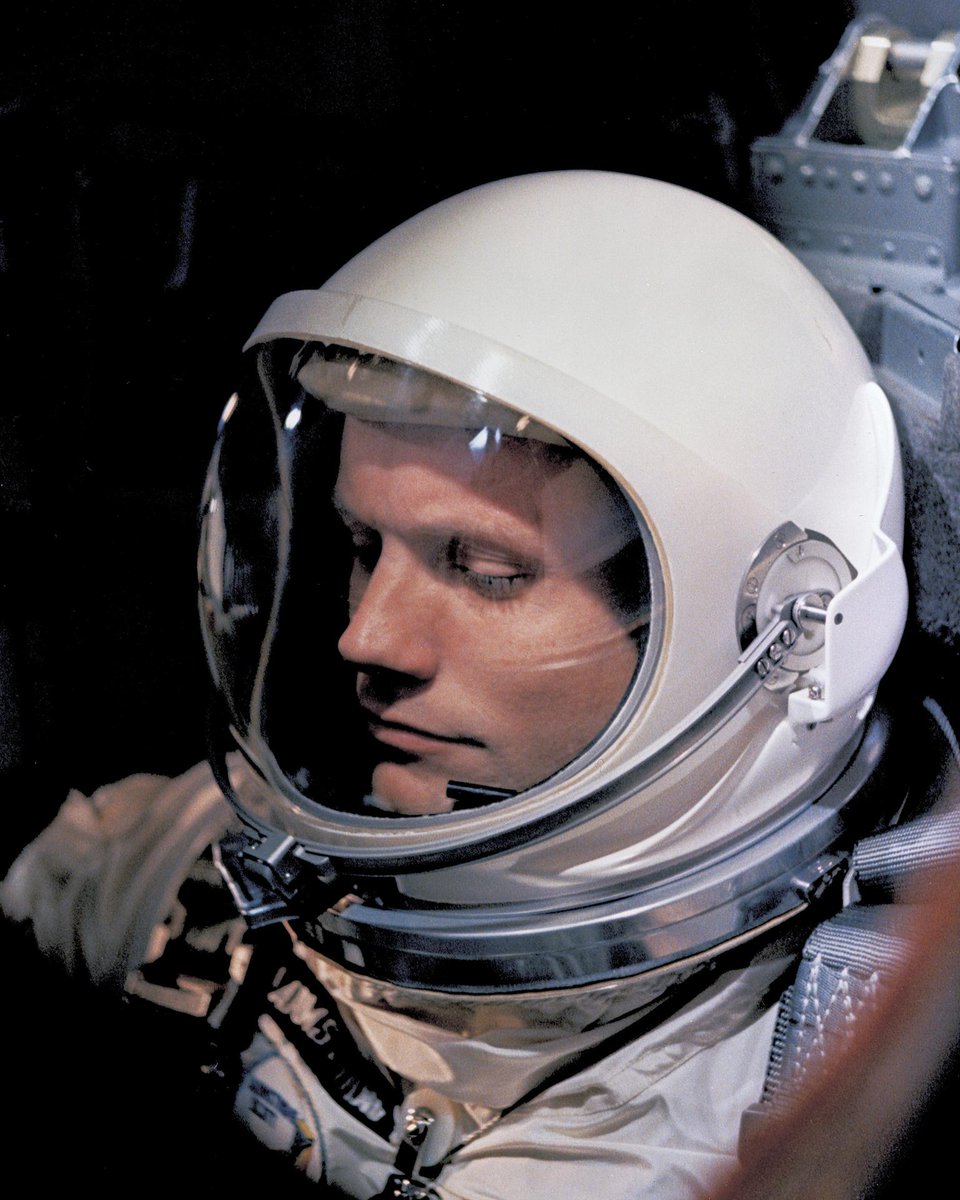
At 11:41 am March 16, 1966, rookie astronauts Neil Armstrong and David Scott launched aboard Gemini VIII. Within 6 hours, they had accomplished the first ever docking of two spacecraft in orbit. It was a milestone that the Apollo program depended on. Without proving that two vehicles could safely link up in space, there would be no Moon landing.
But 27 minutes after docking, their spacecraft began to spin uncontrollably. Armstrong and Scott found themselves in danger of losing consciousness as they spun at around 1 revolution per second. Armstrong, cool-headed under extreme duress, was able to disable the misfiring thruster and stabilize the spacecraft, saving their lives.
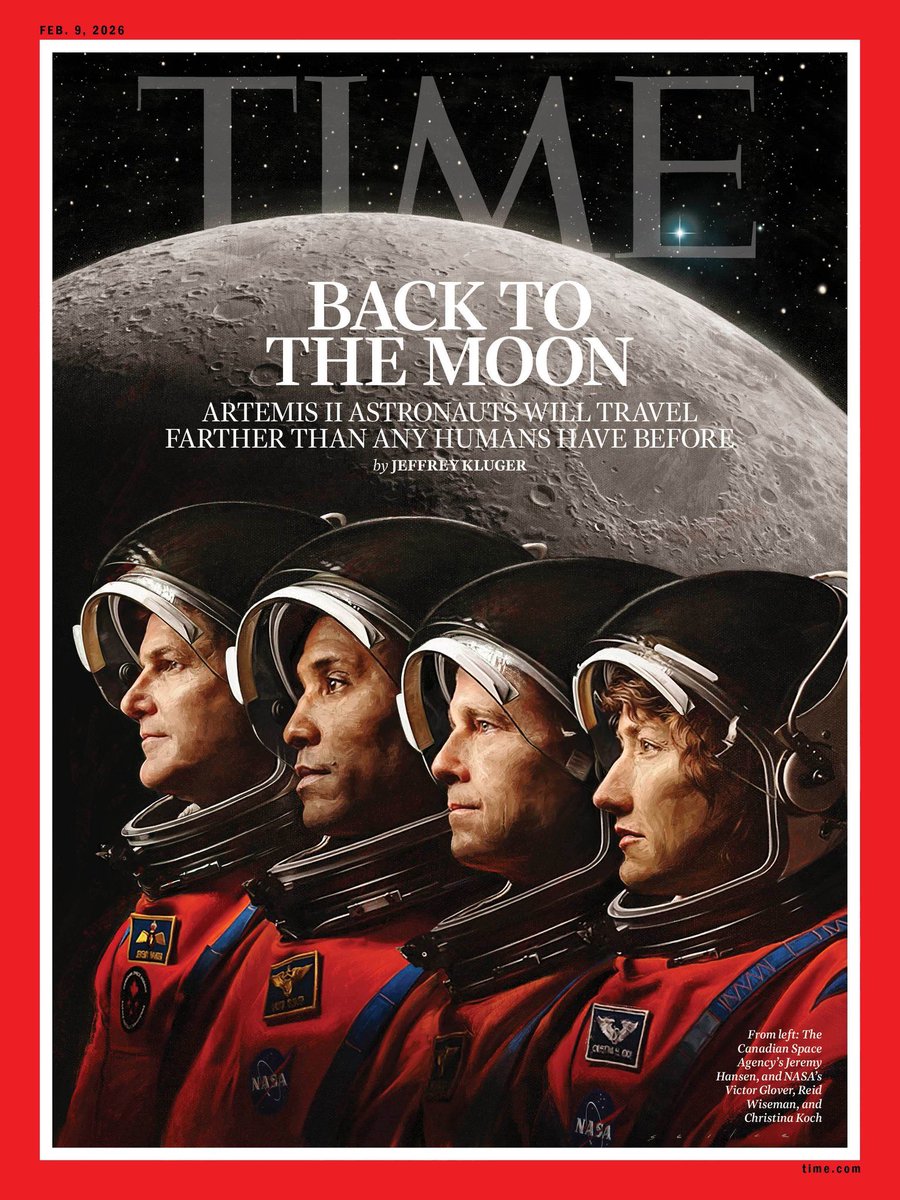
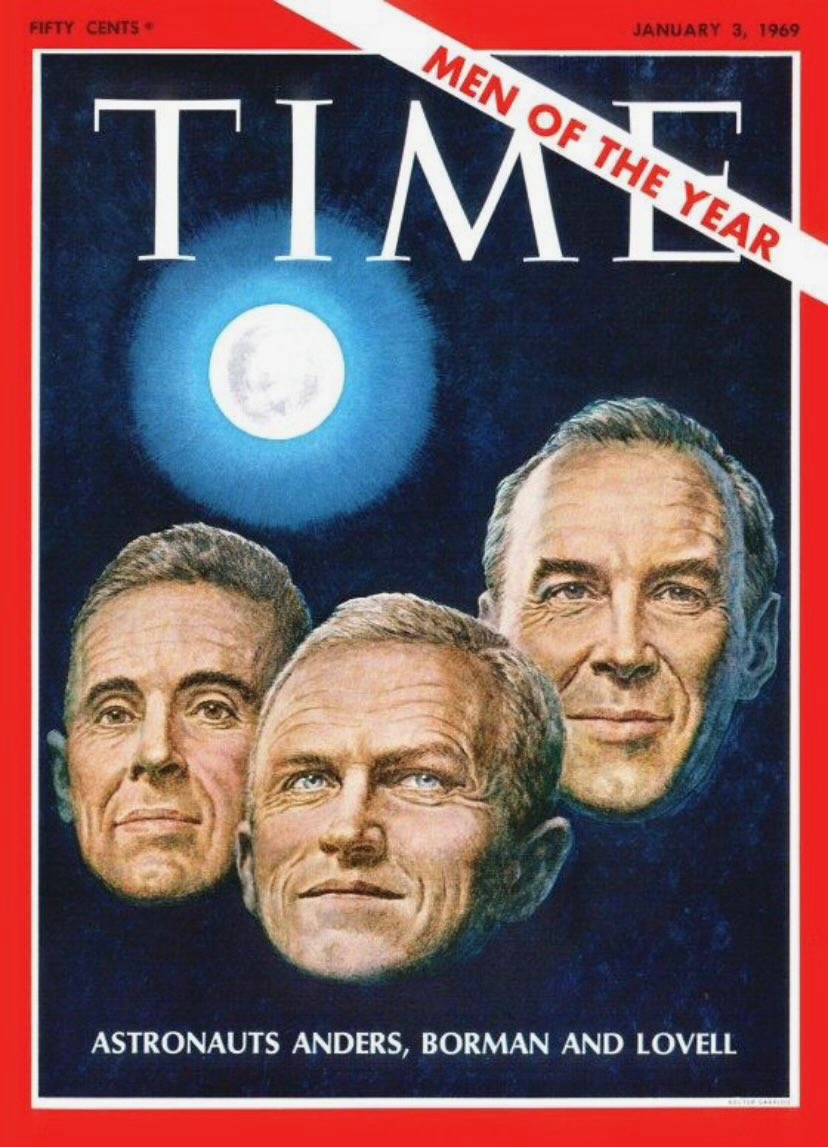
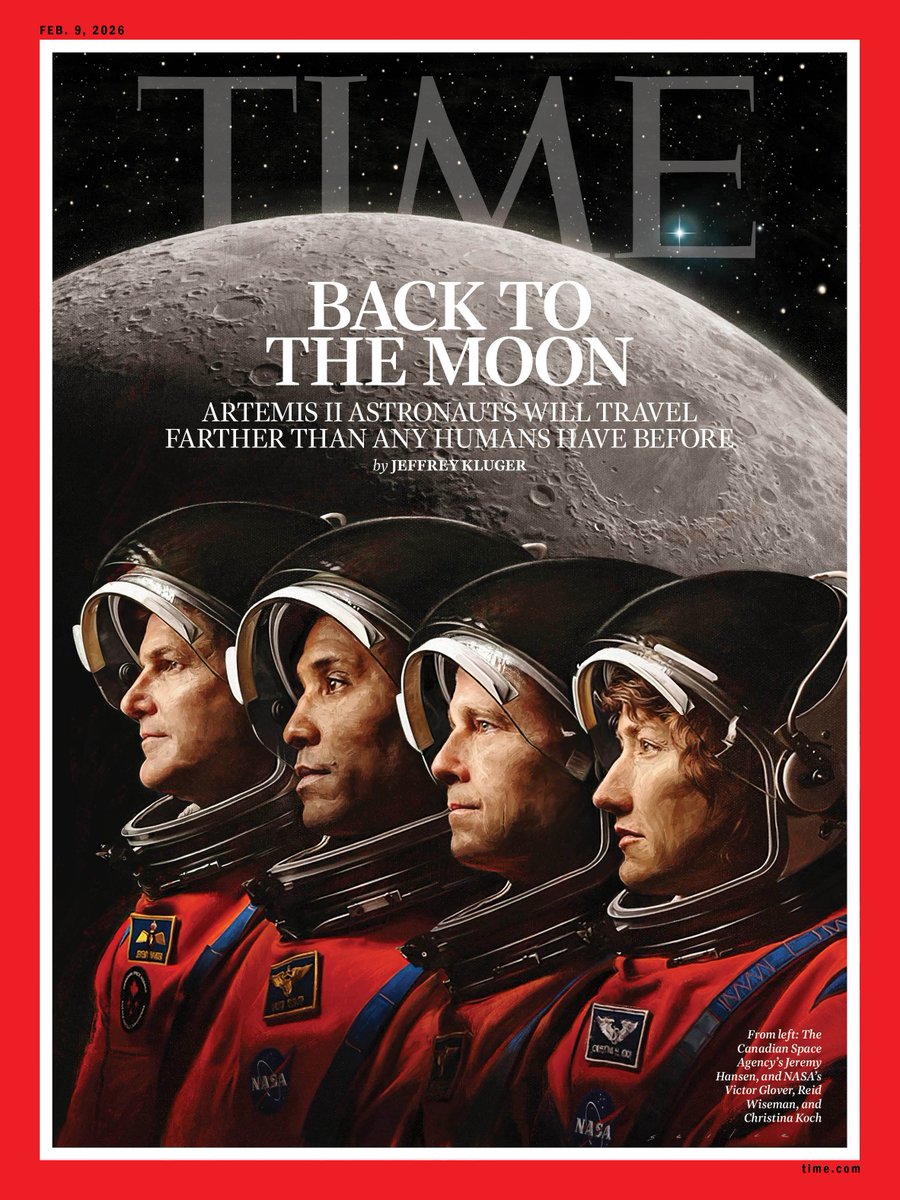
58 years after Apollo 8’s historic trip around the Moon, NASA is heading back. This time, our crew is going farther into space than any human in history.
Commander Reid Wiseman, Pilot Victor Glover, Mission Specialist Christina Koch, and Mission Specialist Jeremy Hansen will embark on a ten-day mission around the Moon, marking America’s grand return to the lunar environment.
Artemis II marks the beginning of the boldest series of missions the world has ever seen. Through the Artemis campaign, we will maintain American superiority in space, land American astronauts on the Moon, and establish a lunar base all before the end of 2028.
Godspeed Artemis II 🇺🇸
As we're prepping for Thanksgiving meals, the Artemis II astronauts are prepping for dining in deep space aboard Orion.
From taste testing with @NASA_Johnson's Space Food Systems Lab to hands-on preparation practice, see how the crew gets ready for their lunar mission meals.
From the secret world of militias to the shark fin trade, @MarianaVZ is back with more investigations into criminal underworlds around the globe.
Catch all-new #TraffickedWithMarianavanZeller, Saturdays at 9/8c on National Geographic. Now streaming on @hulu.
Tomorrow, Aug. 4, @SLOTUS Usha Vance will join astronaut Suni Williams at @NASAJohnson to read a space-related book to children. Submit questions at https://t.co/JcmWmNJRvU and watch NASA+ starting at ~2:45pm ET to see if your question is selected: https://t.co/Kl6gahdRDk
Science and Art, or Art and Science; related subjects where it really doesn’t matter which comes first. So I have access to a freezer kept at -95 degrees centigrade (-140 F). What would you do with such a freezer in space?
I decided to grow thin wafers of water ice for no more reason than I’m in space and I can. Plus I wanted to see how the freezing front behaves in 0g (without gravitational buoyancy, how does the freezing front push the tiny bubbles around). Here is one frame from a whole series. I photographed the ice (second photo) between crossed polarizers where I used a white (blank) laptop display as the illuminator/polarizer in conjunction with an analyzer (polarizing filter) I strategically packed in my bag of personal effects.
Science, or should I say Nature, has a way of presenting surprising beauty if one is willing to look.