I recently had dinner with Dr Devi Shetty, the founder of Narayana Hospitals. For those who don't know him, he's the guy who figured out how to do open heart surgery for a few hundred dollars when the same procedure costs a bomb in the US. Narayana has 18,000 beds across India, and if you ask most middle-class people in Bangalore about it, they'll speak highly of it.
There was one thing I kept thinking about over and over again after meeting him.
Narayana's market cap is around ₹38,000 crore. Now compare that to pretty much any half-decent financial services business in India, and it'll be valued more than that, including Zerodha. A brokerage, worth more than a hospital chain, that has probably saved hundreds of thousands of lives.
I get the arguments. If you're a fund manager/analyst, you can immediately explain it away using margins, capex, asset-light vs asset-heavy, and all that, and I'm not saying the market is wrong.
But it's still a strange world we've built, where the businesses closest to money get valued the highest, and the ones doing the hard and essential things get priced like boring utilities. A hospital carries physical infrastructure, enormous liability, thin margins and the actual weight of keeping people alive. And somehow that's worth less than a platform for buying and selling stocks.
I don't have a clean take on this. All of this just felt odd.
Ps: Nothing here is investment advice. For that, go to @zerodhavarsity
🚫 Insurer: "Claim rejected. Hospitalization not necessary"
🧑🏻⚕️ Doctor: Hospitalization is necessary
Customer: Confused, annoyed 😡🤬
This has become very very common.
Let's understand:
- Why does this happen?
- How can insurers dispute doctor's advice?
- What should you do?
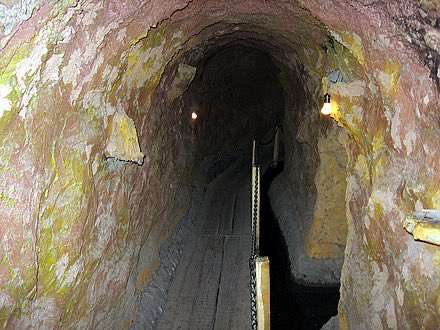
Madurai is a city with more than 2000 years of continuous history. The Pandya capital was one of the largest cities in Tamilagam during ancient times. Pandyas were great township planners & built it with all important safeguards.
River Vaigai which goes around the city is not a perennial river but prone to flash floods which can create havoc. To protect against that, huge drainage pipes were built, through which the water is taken outside the city. If they are drained in the moat outside the city walls, the water level of the moat will raise & the water will get back to the city again. So they had built these drainage pipes under the moat & taken the drains to a far away place. Tamil epic Silappadhikaram says
“இலங்குநீர்ப் பரப்பின் வலம்புண ரகழியில்
பெருங்கை யானை இளநிரை பெயரும்
சுருங்கை வீதி மருங்கிற் போகிக்
கடிமதில் வாயில்”
Surungai, which means drainage pipes, were in the size of streets in which even elephants can go. These Surungais were built under the moats, adjacent to the city wall. Sangam text Paripadal says
“நெடுமால் சுருங்கை நெடுவழிப் போந்து
கடுமா களிறணத்துக் கைவிடுநீர் போலும்
நெடுநீர் ம��ிபுனல் நீள்மாடக் கூடல்
கடிமதில் பெய்யும் பொழுது”
When the river floods & crosses the big walls of the city of Madurai, the water is drained out through the long distance Surangais. When the water comes of these pipes, it looks like water coming out of the trunk of an angry elephant (indicating the force)
Our ancestors were great city planners !!
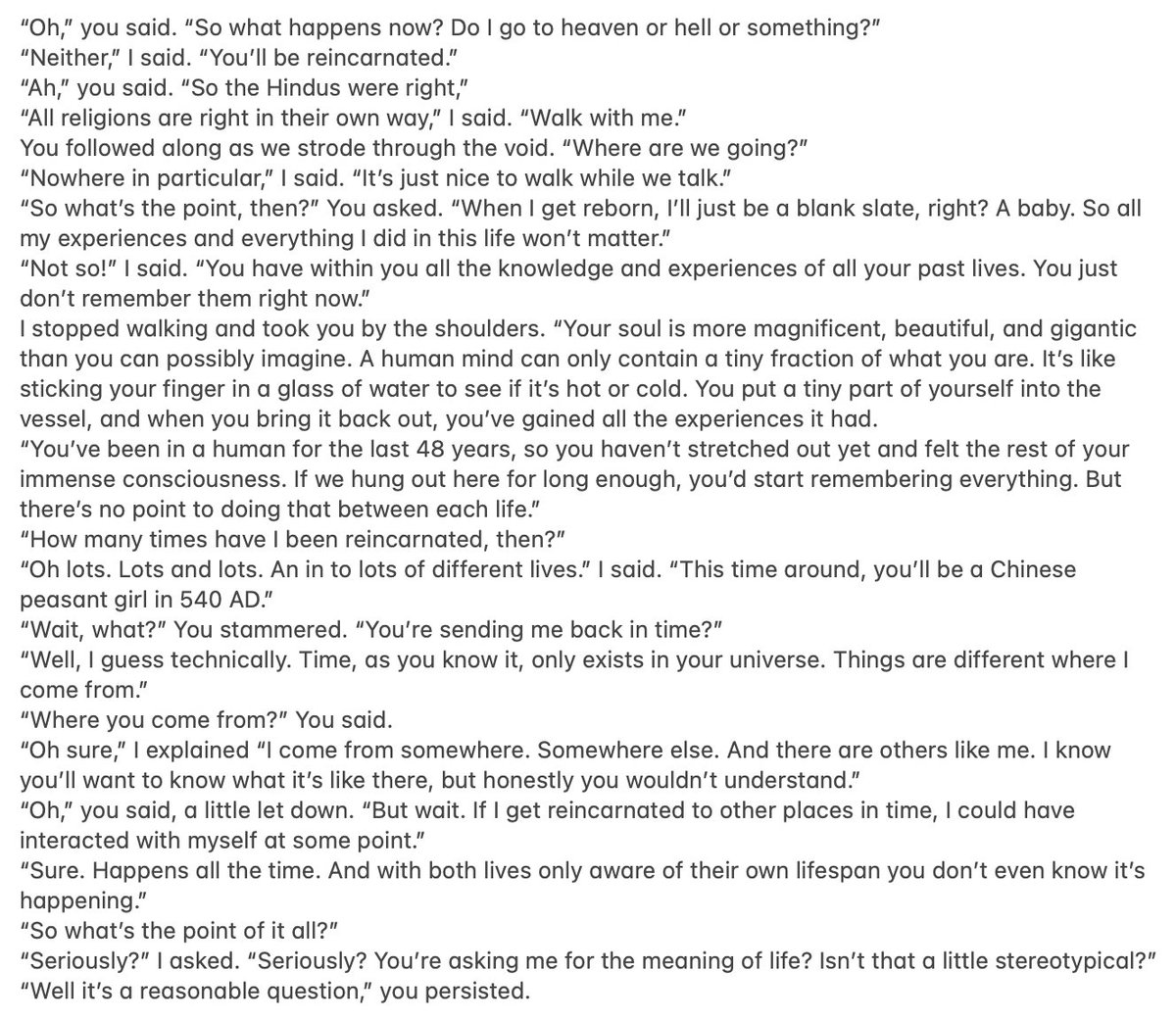
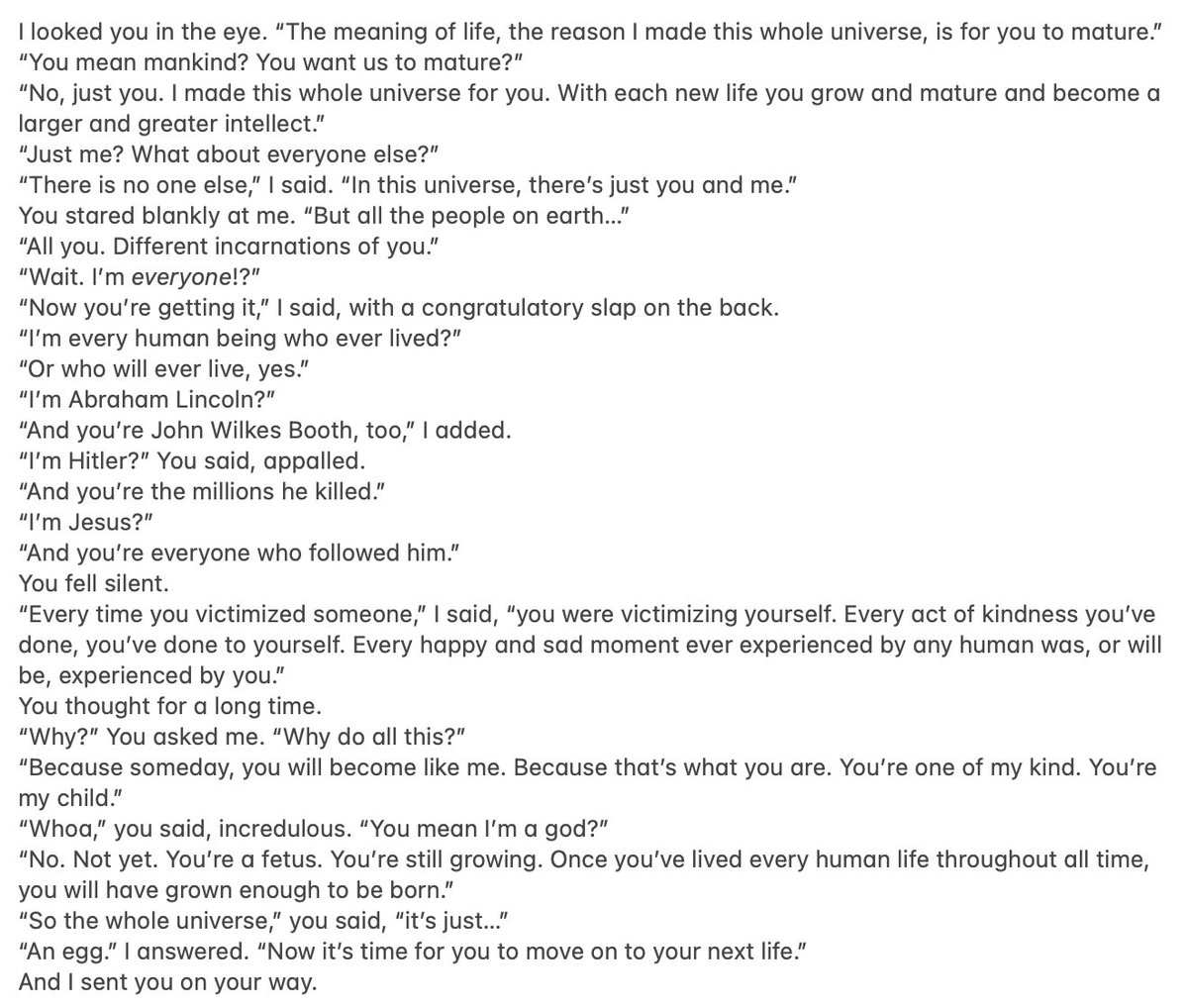
Andy Weir's short story, The Egg, is one of the most mind-blowing things you will ever read.
Do yourself a favor and find 10 minutes to enjoy it.
(bookmark this for later)
The 5-Minute Journal is simplicity itself and hits a lot of birds with one stone: 5 minutes in the morning of answering a few prompts, and then 5 minutes in the evening doing the same.
Each prompt has three lines for three answers.
To be answered in the morning:
I am grateful for . . .
1. __________
2. __________
3. __________
What would make today great?
1. __________
2. __________
3. __________
Daily affirmations.
I am . . .
1. __________
2. __________
3. __________
To be filled in at night:
3 amazing things that happened today . . .
1. __________
2. __________
3. __________
How could I have made today better?
1. __________
2. __________
3. __________
It’s easy to obsess over pushing the ball forward as a type-A personality, which leads to being constantly future-focused. If anxiety is a focus on the future, practicing appreciation, even for 2 to 3 minutes, is counter-balancing medicine.
The 5-Minute Journal forces me to think about what I have, as opposed to what I’m pursuing.
When you answer “I am grateful for . . . ,” I recommend considering four different categories. Otherwise, you will go on autopilot and repeat the same items day after day (e.g., “my healthy family,” “my loving dog,” etc.). I certainly did this, and it defeats the purpose.
What are you grateful for in the below four categories?
I ask myself this every morning as I fill out the 5MJ, and I pick my favorite three for that day:
An old relationship that really helped you, or that you valued highly.
An opportunity you have today. Perhaps that’s just an opportunity to call one of your parents, or an opportunity to go to work. It doesn’t have to be something large.
Something great that happened yesterday, whether you experienced or witnessed it.
Something simple near you or within sight. The gratitude points shouldn’t all be ���my career” and other abstract items. Temper those with something simple and concrete—a beautiful cloud outside the window, the coffee that you’re drinking, the pen that you’re using, or whatever it might be.
I use Intelligent Change’s bound 5-Minute Journal and suggest it for convenience, but you can practice in your own notebook.
It’s fun and good therapy to review your p.m. “amazing things” answers at least once a month.
While all are talking about the roaring Equity markets, Gold has silently hit the all time high.
Lets discuss what’s moving the gold prices in this 🧵
Do hit the ‘re-tweet’ and help us educate more investors. (1/8)
Four years ago my family cancelled:
•Hulu
•Netflix
•HBO GO
•Cable TV
•Deleted all “news” apps
We unplugged from what SOCIETY told us was important & focused ONLY on what we knew was important.
•Faith
•Fitness
•Family
•Finances
•Friendships
Here’s the results:
Usually, it is very difficult for one person to single handedly influence billions of people.
And if someone does that, chances are most of us will know about him.
This thread is about one such person. But in all probability, you know nothing about him.
Intrigued, Read on.
Here is the brochure:
https://t.co/DBzQs3qZDS
and a few quick facts:
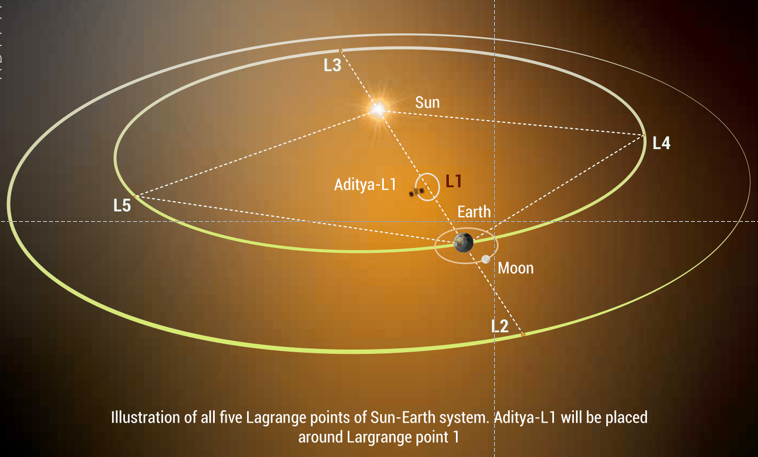
🔸Aditya-L1 will stay approximately 1.5 million km away from Earth, directed towards the Sun, which is about 1% of the Earth-Sun distance.
🔸The Sun is a giant sphere of gas and Aditya-L1 would study the outer atmosphere of the Sun.
🔸Aditya-L1 will neither land on the Sun nor approach the Sun any closer.
https://t.co/MEcOn8zHIR
Extremely elated to win Silver medal 🥈in Fide World Cup 2023 and qualified to the Candidates 2024!
Grateful to receive the love, support and prayers of each one of you! 🇮🇳
Thankyou everyone for the wishes🙏🏼
With my ever supportive, happiest and proud Amma❤️
📷@M_Sridharan
Daniel Kahneman is an outstanding psychologist who won a Nobel Prize in Economics.
He’s also the author of the best book I’ve ever read “Thinking ,Fast and Slow.”
But he’s not only an author but also an avid reader himself.
Here are his Book Recommendations👇🏼
People judge you based on your own estimation of your self-worth.
Raise your own thoughts about what you think you can do and watch as those around you increase what they think as well.
Trust me––it works.