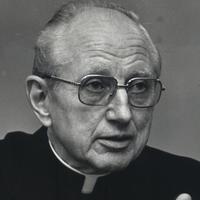
After the Nuremberg Trials, one of the most unsettling conclusions did not come from the courtroom, but from the psychiatrist tasked with evaluating the defendants.
Dr. Douglas Kelley, the U.S. Army psychiatrist assigned to assess many of the senior Nazi officials, expected to find monsters people fundamentally different from the rest of humanity. He did not.
What disturbed him most was how ordinary they were.
They were not raving madmen. They were not obvious sociopaths. They were intelligent, educated, and often convinced they were simply doing their duty, following orders, or serving a higher cause. Kelley warned that this was the real danger: evil does not always look abnormal. It often presents itself as competence, obedience, and institutional loyalty.
His central warning was deeply uncomfortable there are people with morally vacant or destructive tendencies everywhere. In every society. In every era. What determines the outcome is whether systems elevate those people, shield them from accountability, and normalize their behavior, and whether ordinary citizens are willing to question authority when it matters most.
Modern bureaucracies and institutions are powerful precisely because they diffuse responsibility. Decisions are broken into policies, protocols, committees, and “best practices.” Harm is rarely framed as harm; it is reframed as necessity, risk management, or compliance. Individuals are encouraged not to think morally, but procedurally.
This is how ordinary people become capable of extraordinary wrongdoing by outsourcing conscience to institutions and convincing themselves that accountability lies somewhere else.
The lesson of Nuremberg is not that “those people were different.” It is that they were not.
That is why vigilance matters. That is why blind trust in authority is dangerous. And that is why a healthy society must protect dissent, accountability, and moral courage especially when it is inconvenient.
History does not repeat itself because people forget facts. It repeats itself when people convince themselves, “It could never happen here.”
Former Menengai Oilers and new KCB signing Davies Nyaundi sharing;
🔸 Injury setbacks
🔸 starting his rugby journey
🔸 moving from Homa Bay to Menengai high school
🔸 playing for Kenya 7s
🔸 Transferring to KCB
📽️@kcbrugby#RugbyKE
This time last year, Kelvin Kiptum had never contested a marathon.
He now owns half of the six fastest times in history. And the WR.
2:00:35 Kelvin Kiptum
2:01:09 Eliud Kipchoge
2:01:25 Kelvin Kiptum
2:01:39 Eliud Kipchoge
2:01:41 Kenenisa Bekele
2:01:53 Kelvin Kiptum
Nelly Cheboi explains the meaning of the song she sang with her mother moments after being named the 2022 CNN Hero of the Year. Get involved: https://t.co/MkgzSoE3Zf
@cnnthismorning@techlitafrica
Captain Davis Nyaundi had a fantastic Day 1 at the #Embu7s, grabbing a couple of tries in the process. This is a Debrief - Players Edition.
Full Video on YouTube 👇 https://t.co/ZtPA2Ng8Zs
#MenengaiCream#ChampagneRugby
We would like to invite all alumni, parents & friends to pray for the eternal repose of Fr. Cormac Burke who passed away peacefully last night (Mon 22nd Nov).
Fr. Cormac, acclaimed jurist, canon lawyer & author, worked as a chaplain in the school for many years.
May he RIP.