If we got better at writing essential questions that weren't focused on procedures, would that help shift instruction?
OR If we shift instruction will that help us open our minds to write better essential questions?
Right now I think the answer is yes.
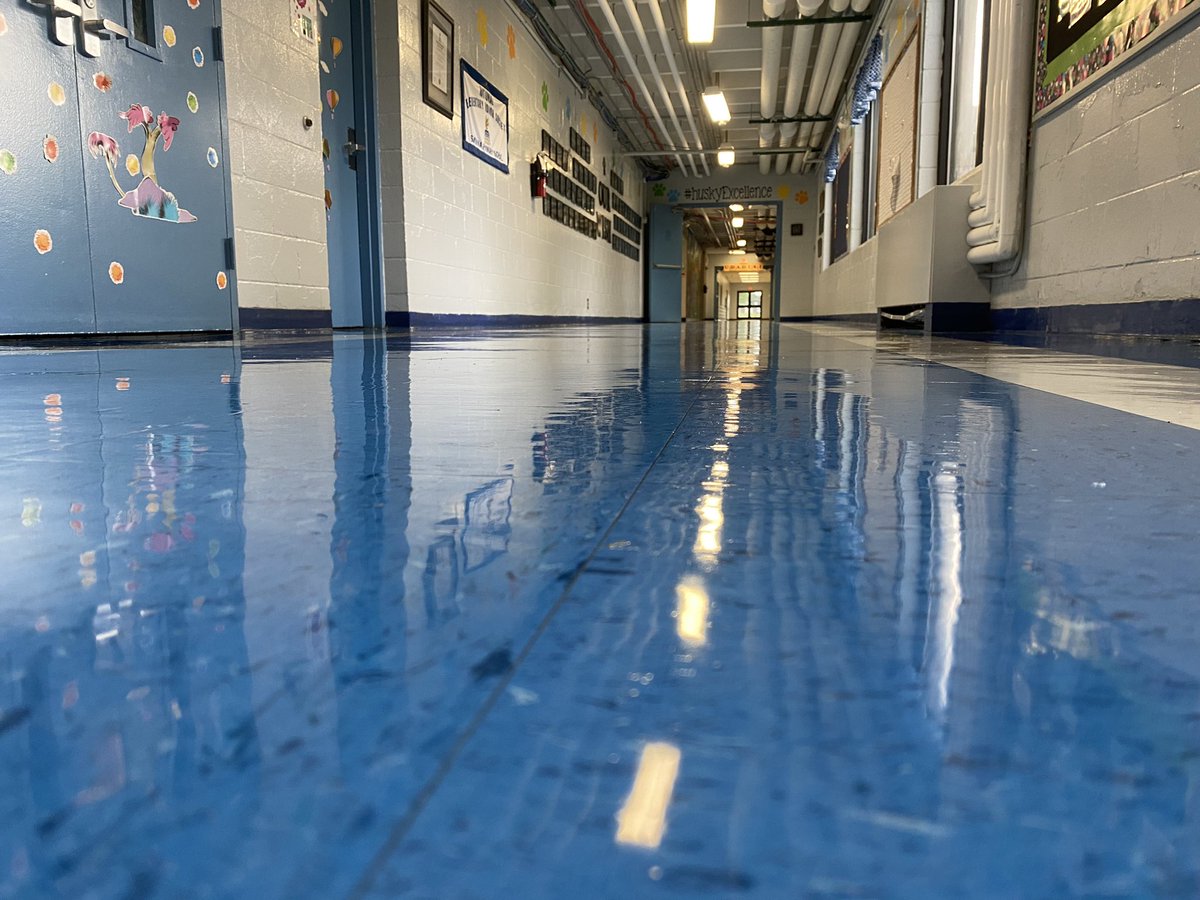
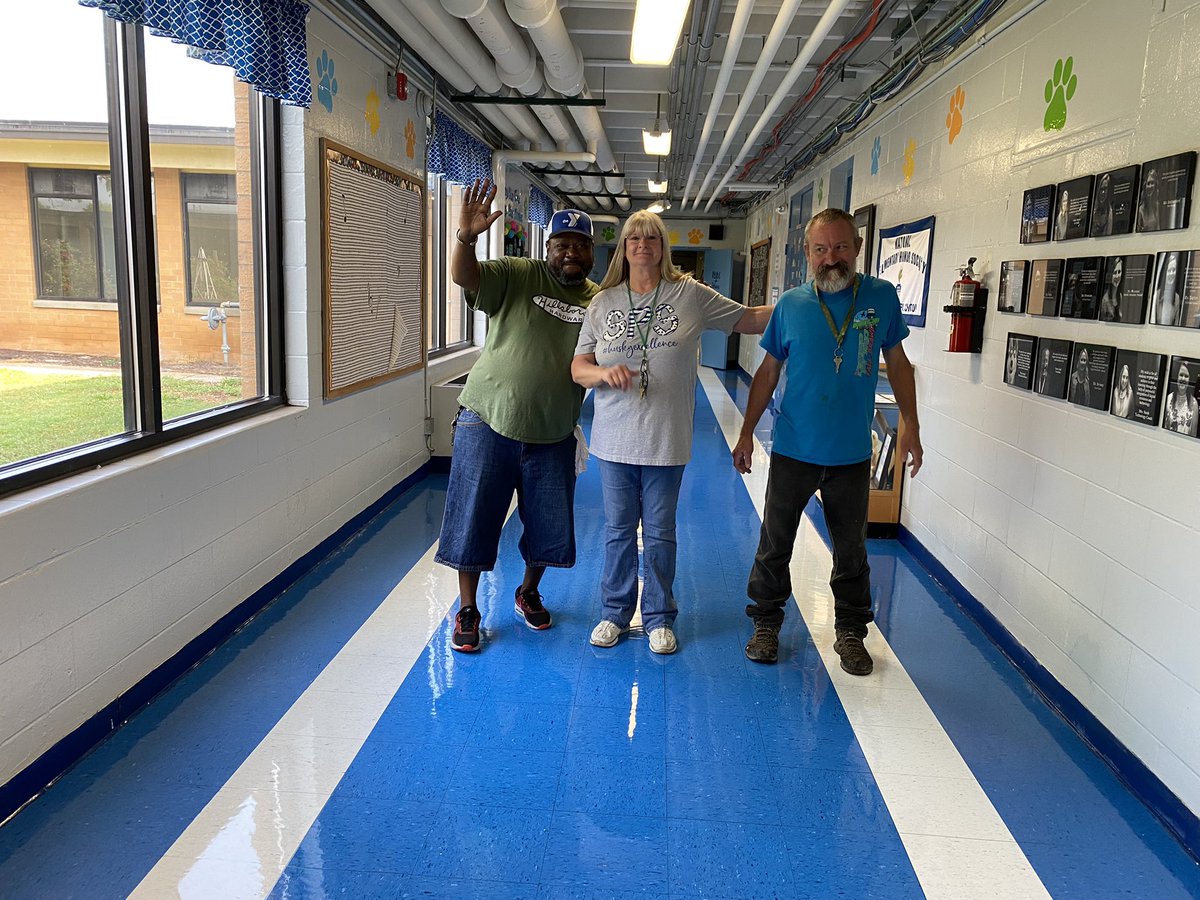
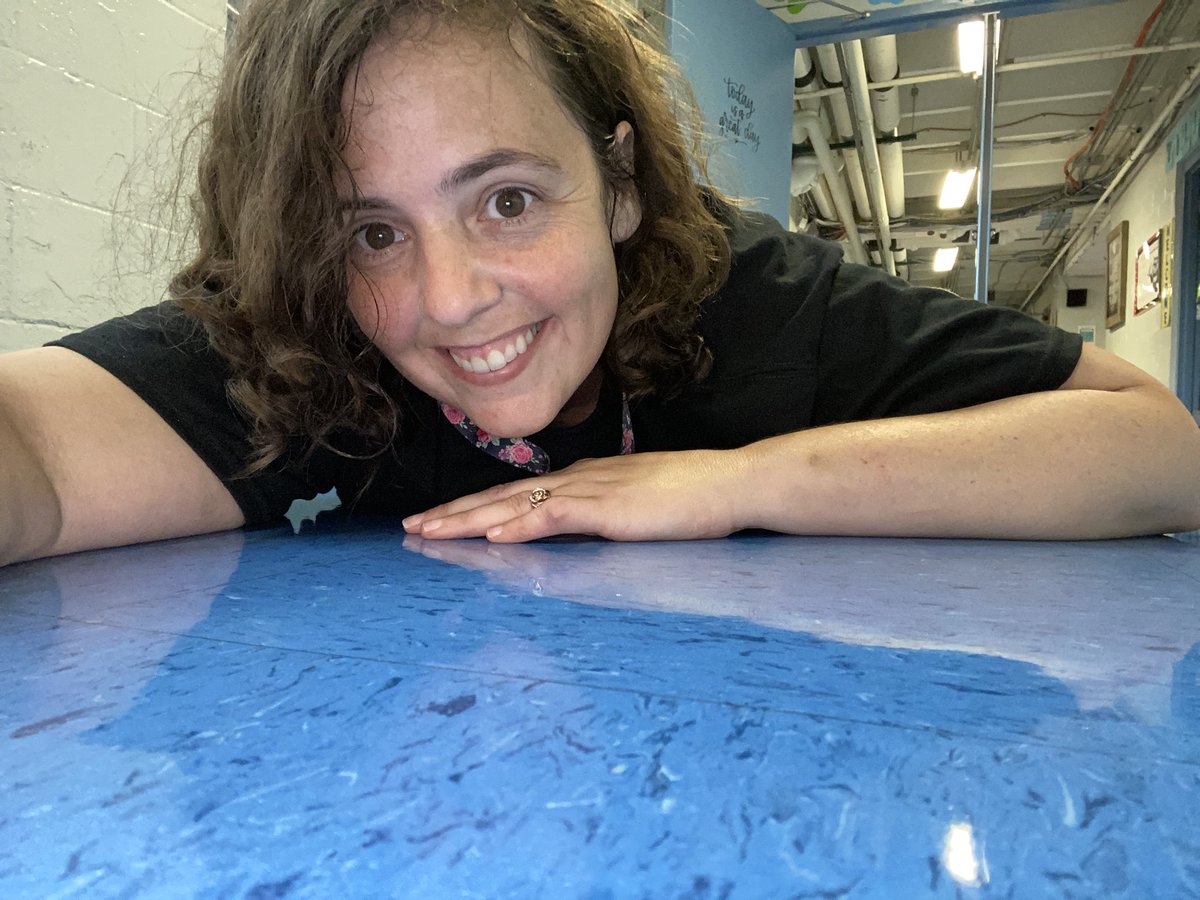
Don’t mind me…I’m just checking out my reflection in these floors. This crew is amazing! They are working hard to keep our 58 year old building looking her best. Thank your custodians today! They work hard!
A great session tying in the 8 Effective Mathematics Teaching practices with the pillars of Culturally Responsive Teaching with @DrGailBoyd@NCTM#NCTMAnnual
Can we talk about this whole "changing the learning objective on the board every day" thing?
We know this is a sham that just makes evaluators happy but doesn't help learning, right?
Kids can't keep track of what they are learning if they feel like it changes every day.
1/5
Teachers w few behaviors have the following in common:
1. Provides very little down time.
2. Mingles w kids before class.
3. Asks lots of questions.
4. Rarely gets offended.
5. Switches up teaching styles.
#edchat#thatonekid#tlap#kidsdeserveit#culturize#relentless
While I may be the first woman in this office, I will not be the last—because every little girl watching tonight sees that this is a country of possibilities.
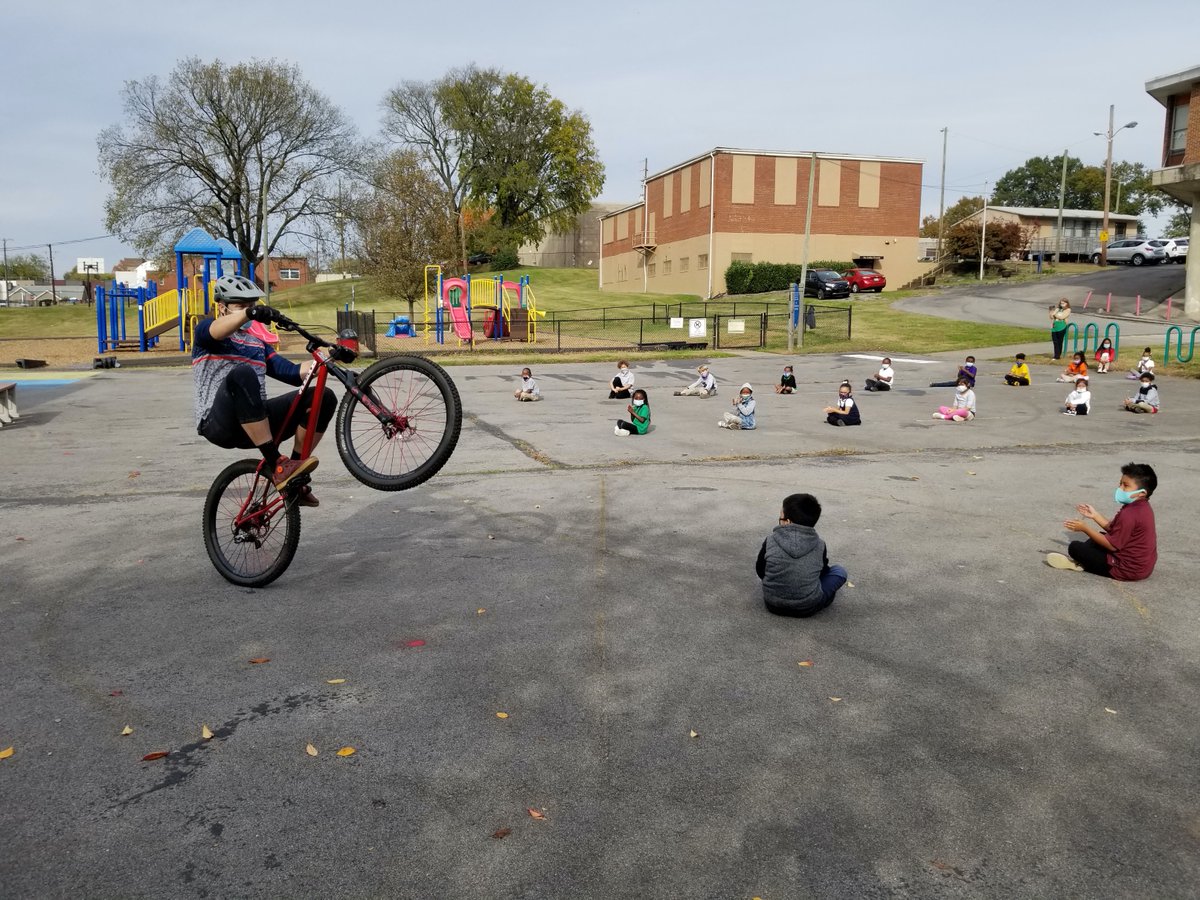
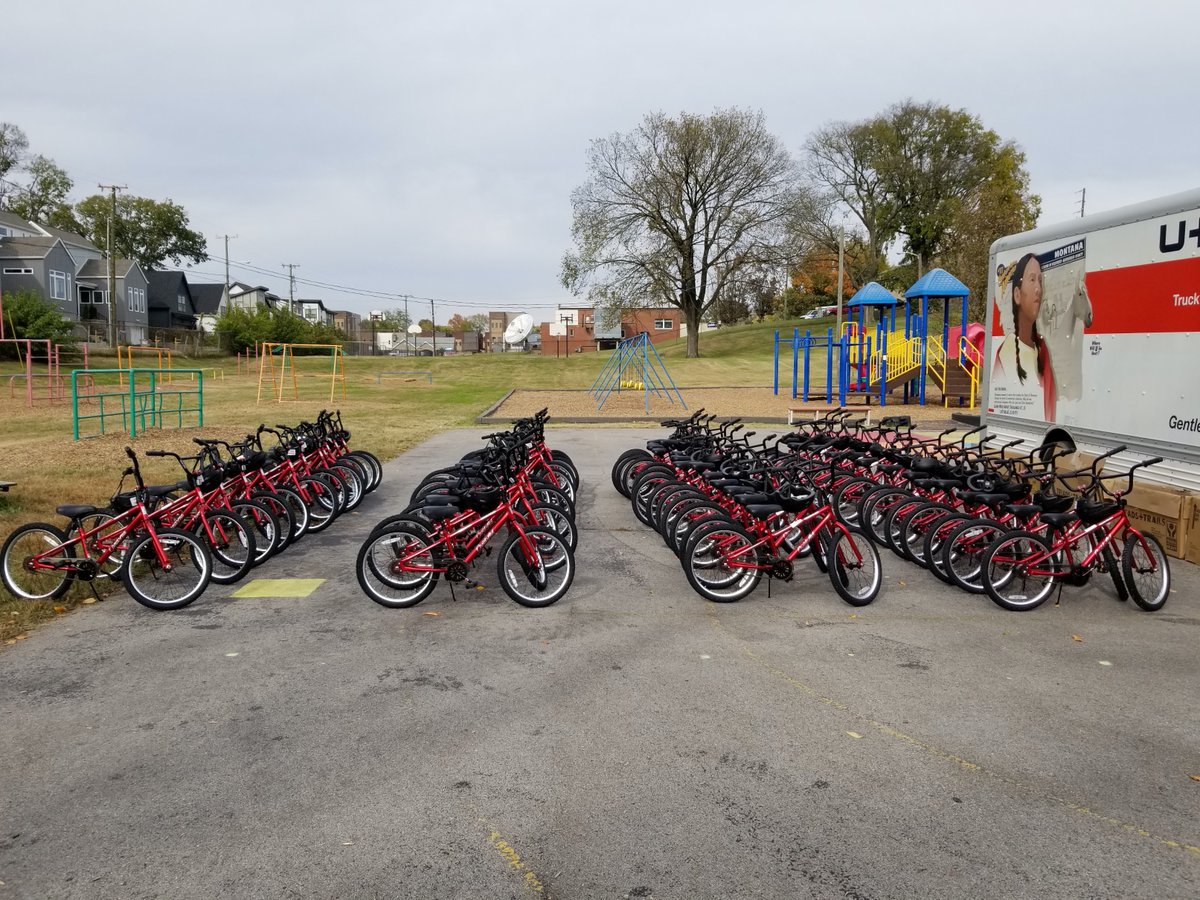
Ride like the wind! 55 @fallhamiltoneos 1st graders got new bikes, thanks to the generosity of Kriste Goad, Mike Saunders and the @CANdAid Power Your People Campaign. Bonus: professional rider @jefflenosky bunny hopped the principal, @principalest. 🚲
We provide teachers with the knowledge and tools to engage all students in rigorous math instruction and implement the kinds of cognitively demanding tasks that are called for by the National Council of Teachers of Mathematics and 21st century standards.
https://t.co/648J99c4k0
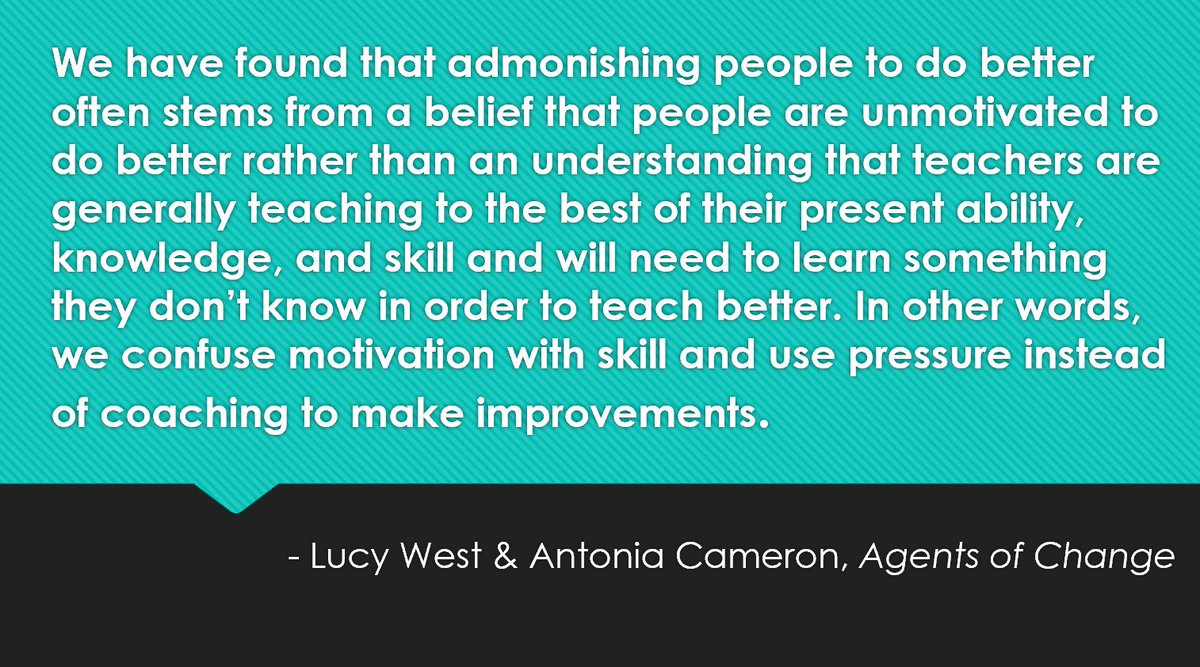
Love this quote from West & Cameron's Agents of Change. Reminds me to:
- Always assume positive intent
- Listen more, talk less
- Seek to understand
- Build up & support rather than tear down & blame
- Acknowledge and appreciate the complexities of the
work.
Every classroom is unique in terms of the rich set of knowledge, skills, interests, and challenges the students bring. And each teacher is unique in terms of areas of strength. That is, neither students nor teachers are cookie-cutter replicas.
https://t.co/g2OcG5vo7U
IFL fellows collaborate with and leaders in schools on continuous improvement projects. These projects identify content-based problems of practice, determine their root causes, define goals, and a theory of action to address the goals.
https://t.co/rC7y1UL9yi